If you’re comparing options for the best magnesium supplement for sleep, you’re not alone. Many adults fall short on daily magnesium, and research suggests magnesium may support more restful nights—especially if stress, muscle tension, or nighttime restlessness are part of the picture. This guide breaks down the evidence, the forms that tend to work best for sleep, and seven targeted picks (with who they’re best for) so you can choose confidently.
Why magnesium can help sleep — an evidence-based overview
Magnesium is a cofactor in hundreds of enzymatic reactions and plays a direct role in the nervous system’s ability to downshift at night. From a western, mechanistic perspective, magnesium helps:
- Modulate NMDA receptors and calm excitatory signaling, which can reduce “wired but tired” feelings at bedtime
- Support GABAergic activity—the brain’s primary inhibitory (calming) neurotransmitter
- Influence melatonin and cortisol rhythms, which shape sleep-wake timing
- Relax muscles and smooth muscle tissue, which can ease tension-related sleep disruption
From an eastern and traditional perspective, magnesium-rich foods and mineral salts have long been used to “settle the nerves,” relieve muscle tightness, and promote a more grounded state before sleep. While the language differs, the end goal—quieting the system—aligns with what modern physiology describes.
What the research says
- Overall evidence level for sleep: moderate. Several small randomized controlled trials (mostly in older adults or those with insomnia symptoms) and meta-analyses indicate magnesium supplementation can modestly improve subjective sleep quality, sleep efficiency, and sleep onset latency. Effects are generally small-to-moderate and may be most noticeable in people with low magnesium status, higher stress, or sleep complaints.
- Restless legs, muscle cramps, and nighttime awakenings: emerging to moderate. Some studies and clinical experience suggest benefits, particularly where muscle excitability or deficiency is present; results are mixed across trials.
- Form-specific sleep benefits: emerging. While many people favor certain forms (like glycinate) for sleep, head-to-head trials comparing forms for sleep are limited. Differences in gastrointestinal tolerability and elemental magnesium per dose often drive real-world preferences.
This suggests magnesium can be a helpful part of a broader sleep plan. It’s not a sedative; expect a gentle nudge rather than a knockout effect.
Best Magnesium Supplement for Sleep: Forms Compared
Different magnesium salts and chelates vary in absorption, tolerability, and “feel.” Here’s how popular options stack up for sleep:
Magnesium glycinate (bisglycinate)
- What it is: Magnesium bound to the amino acid glycine. The chelate is often labeled as “magnesium bisglycinate” or “Albion TRAACS.”
- Why people choose it: Generally well tolerated, less likely to cause loose stools, and glycine itself has calming properties. Many report smoother sleep onset and fewer nighttime awakenings.
- Evidence: Moderate for magnesium and sleep overall; emerging for glycinate specifically. Most data support magnesium broadly; form-specific outcomes are limited.
- Good for: Sensitive stomachs; people seeking a “calmer” feel. Learn more about this form here: Magnesium Glycinate.
Magnesium citrate
- What it is: A widely available, well-absorbed salt.
- Why people choose it: Budget-friendly and effective, but more likely to have a laxative effect at higher doses.
- Evidence: Moderate for sleep (as with magnesium generally). Useful if mild constipation coexists; otherwise, choose lower doses for nighttime.
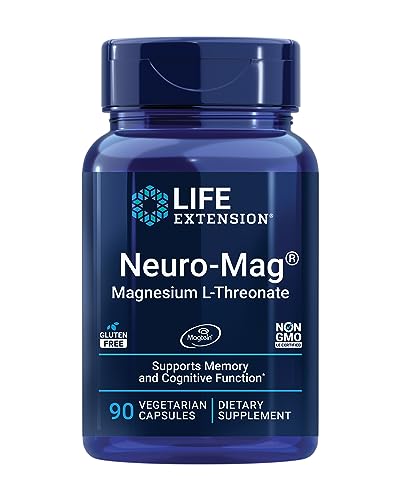
Magnesium threonate (L‑threonate)
- What it is: A form designed to raise magnesium levels in the brain (animal and limited human pharmacokinetic data).
- Why people choose it: For “busy brain” or cognitive support in the evening; some report calmer mental chatter.
- Evidence: Emerging for sleep. Human data are stronger for memory/cognition than for sleep outcomes.
Magnesium oxide
- What it is: A high–elemental magnesium compound with relatively poor absorption.
- Why people choose it: Low cost; can act as a laxative.
- Evidence: Limited advantages for sleep due to lower bioavailability and higher GI side effects. Not usually a first choice for sleep.
Magnesium malate
- What it is: Magnesium bound to malic acid, part of the energy (Krebs) cycle.
- Why people choose it: Often used daytime for muscle comfort and energy metabolism.
- Evidence: Emerging and not sleep-focused. Many find it more stimulating; better suited to morning use if you respond that way.
For an at-a-glance comparison across many forms (including taurate and chloride), see our guide: Magnesium Forms: Which One Is Right for You?
Best Magnesium Supplements for Sleep: 7 Top Picks (and who they’re best for)
Note: The options below represent common, well-tolerated categories rather than specific brand endorsements. Choose third-party tested products from reputable manufacturers. Where relevant, placeholder product links show typical formats you might consider.
- Chelated Magnesium Glycinate Capsules (200 mg elemental)
- Best for: Most people seeking a gentle, reliable, and GI-friendly nightly magnesium.
- Why it stands out: Good tolerability; aligns with user reports of calmer sleep onset. Look for “magnesium bisglycinate chelate (Albion TRAACS).”
- How to use: 100–200 mg elemental magnesium 1–2 hours before bed.
- Evidence level: Moderate (magnesium for sleep overall; form-specific data emerging).
- Consider: Many people find Magnesium Glycinate 200 mg (Albion Chelate) easy to dose and gentle on the stomach.
- Magnesium Glycinate Powder (customizable dose)
- Best for: People who want to micro-titrate; those who prefer a warm, calming drink at night.
- Why it stands out: Flexible dosing (e.g., 50–300 mg elemental across sips). Often less excipients.
- Evidence level: Moderate (as above). The delivery format can support a relaxing bedtime ritual.
- Magnesium L‑Threonate Capsules
- Best for: Nighttime “busy brain” or cognitive overactivity; those targeting brain magnesium.
- Why it stands out: Designed for central nervous system penetration; some users report calmer mental chatter.
- How to use: Follow label; elemental magnesium per serving is usually lower—consistency matters more than sheer milligrams.
- Evidence level: Emerging for sleep (more data for cognition than sleep metrics).
- Consider: If cognitive calm is your priority, Magnesium L‑Threonate Complex is a popular format to explore.
- Low‑Dose Magnesium Citrate (100–200 mg elemental)
- Best for: Those who also want help with occasional constipation.
- Why it stands out: Solid absorption with a gentle laxative effect at higher doses; for sleep, keep the dose modest to avoid nighttime bathroom trips.
- Evidence level: Moderate (magnesium for sleep overall).
- Magnesium Glycinate + Glycine Combo
- Best for: People who benefit from the combined calming effect of magnesium plus 2–3 g glycine.
- Why it stands out: Glycine may support sleep onset and deeper sleep stages; stacking with glycinate is a common, well-tolerated combo.
- Evidence level: Moderate for magnesium; emerging-to-moderate for glycine and sleep architecture. See: Glycine and Deep Sleep: How This Amino Acid May Shape Your Sleep Architecture
- Topical Magnesium Lotion (transdermal)
- Best for: Those with sensitive GI tracts or pill fatigue; targeted muscle relaxation (e.g., calves or shoulders) as part of a wind-down routine.
- Why it stands out: Practical and low-commitment; evidence for systemic absorption and sleep benefits is limited but some users find it relaxing.
- How to use: Massage into tense muscles 20–30 minutes before bed.
- Evidence level: Emerging/traditional (modern absorption data mixed; long-standing anecdotal use). Many people find Unscented Magnesium Lotion pleasant as part of a pre-sleep routine.
- “Sleep Blend” Magnesium (with theanine, glycine, or micro‑dose melatonin)
- Best for: People wanting an all-in-one formula with low-dose synergists.
- Why it stands out: Theanine and glycine may complement magnesium’s calming effects; micro‑dosed melatonin (e.g., 0.3–1 mg) can aid circadian timing when appropriate.
- Evidence level: Moderate for magnesium; moderate for melatonin’s sleep-onset role; emerging-to-moderate for theanine and glycine combos.
- Tip: If a blend includes melatonin, ensure the dose fits your needs. Learn more here: Melatonin
How to choose the right magnesium: dose, elemental content, delivery, and quality
- Elemental magnesium matters: Labels may list “magnesium (as glycinate) — 200 mg,” which means 200 mg of elemental magnesium. If a label lists only the compound weight (e.g., “magnesium glycinate — 2,000 mg”), check how much elemental magnesium that provides. Different forms contain different percentages of elemental magnesium.
- Typical sleep-supporting dose: 100–200 mg elemental magnesium in the evening. Some people do well up to 300–400 mg/day total (often split), but start low and assess tolerance. The U.S. upper limit for supplemental magnesium is 350 mg/day due to GI side effects; clinicians sometimes use higher with monitoring.
- Delivery formats:
- Capsules/tablets: Convenient and precise.
- Powders: Flexible dosing, often fewer fillers.
- Liquids: Good for those who dislike pills.
- Gummies: Palatable but usually low in elemental magnesium and higher in sugar.
- Topicals: Useful for local relaxation; systemic sleep data are limited.
- Quality markers:
- Third-party testing: USP, NSF, Informed Choice, or equivalent.
- Clear elemental magnesium labeling and clinically relevant dosing.
- Chelate integrity (for glycinate), e.g., “TRAACS” on some labels.
- cGMP manufacturing and transparent sourcing; minimal unnecessary additives.
For background across forms and absorption, see: Magnesium Forms: Which One Is Right for You?
How and when to take magnesium for better sleep
- Timing: 1–2 hours before bed works well for many. If you’re sensitive, try 2–3 hours prior. Consistency over days to weeks matters more than exact minutes.
- With or without food: Either is fine. If you experience GI upset, take with a light snack.
- Stacking ideas (evidence-informed):
- What to separate by 2–4 hours: Iron, zinc, calcium-heavy meals, and certain medications (see interactions below) may interfere with absorption.
- Build a wind-down: Pair your dose with 15–30 minutes of low light, breathwork, or gentle stretching. The routine signals safety and rest to your nervous system.
Safety, side effects, and interactions — who should consult a clinician first
- Common side effects: Loose stools, cramping, or nausea—more likely with citrate and oxide at higher doses. Reduce dose or switch to glycinate if needed.
- Over-supplementation: Rare with normal kidney function, but excess can cause lethargy, flushing, low blood pressure, or cardiac rhythm changes. Seek care if severe symptoms occur.
- Interactions (separate by at least 2–4 hours):
- Antibiotics: Tetracyclines (e.g., doxycycline) and fluoroquinolones (e.g., ciprofloxacin) can chelate with magnesium and reduce absorption.
- Thyroid hormone: Levothyroxine absorption can be reduced by minerals; space doses.
- Bisphosphonates: Magnesium can reduce absorption; separate timing.
- Iron: Minerals can compete; take at different times of day.
- Medical conditions requiring caution:
- Kidney disease or significantly reduced kidney function (risk of magnesium accumulation)
- Heart block or taking medications that slow conduction—discuss with your cardiologist
- Myasthenia gravis or significant neuromuscular weakness
- Pregnancy/lactation: Generally safe at recommended intakes; confirm dose with your clinician
- Medication-induced low magnesium: Proton pump inhibitors (PPIs) and certain diuretics can lower magnesium over time; ask your clinician about testing if you use these long term.
FAQ
Magnesium vs. melatonin for sleep—how to choose?
- Melatonin can help shift sleep timing and reduce sleep onset latency, especially for jet lag or delayed sleep phase. Magnesium tends to support relaxation and sleep quality. Many people use both, but they address different aspects. Learn more: Melatonin
How long until I notice effects?
- Some feel calmer the first night. Research and clinical experience suggest consistent use for 1–2 weeks (sometimes 4–6 weeks) yields more reliable changes in sleep quality.
Can I take magnesium every night?
- Yes, at appropriate doses. Many people use 100–200 mg elemental in the evening long-term. Periodically reassess dose and need.
Is topical magnesium effective for sleep?
- Evidence is mixed for systemic absorption and sleep outcomes. It may still help local muscle relaxation and pre-sleep rituals.
Can I take magnesium with ashwagandha?
What if I wake up to use the bathroom?
- Consider lowering the dose, switching from citrate to glycinate, and finishing fluids earlier in the evening. Build a wind-down that includes fewer liquids late at night.
Practical takeaways
- If you want the simplest starting point, magnesium glycinate 100–200 mg elemental, taken 1–2 hours before bed, is a widely tolerated option for sleep support.
- If you also want help with occasional constipation, consider low‑dose magnesium citrate at night (100–200 mg elemental) and evaluate tolerance.
- For overactive nighttime thinking, magnesium L‑threonate is a reasonable experiment, with emerging evidence and many positive user reports.
- Prioritize third-party tested products, clear elemental labeling, and minimal fillers. Consistency and a calming wind-down matter as much as the form you choose.
- If GI sensitivity is a barrier, try powder formats for micro-titration or a topical magnesium lotion as part of your ritual.
For deeper background on this mineral and form-by-form differences, see Magnesium Glycinate and our guide to Magnesium Forms: Which One Is Right for You?
Disclaimer
This article is for educational purposes and does not replace personalized medical advice. Speak with a qualified healthcare professional before starting any new supplement, especially if you’re pregnant, nursing, have kidney or heart conditions, or take prescription medications.