If you’ve been wondering “can you take ashwagandha and magnesium together,” you’re not alone. Many people pair these two supplements to support stress, sleep, mood, and muscle relaxation. The short answer: most healthy adults can take ashwagandha and magnesium together, and many find an evening dose helpful. Research on the combination is limited, though, so guidance relies on what we know about each supplement individually. This article explains potential benefits, safety, dosing and timing, who should avoid the combo, and how to buy wisely.
What this article covers — quick answer and who should read this
- Quick answer: Taking ashwagandha and magnesium together is generally considered safe for most healthy adults. Research directly testing the combo is limited (evidence level: emerging), but both supplements separately show moderate evidence for stress and sleep support.
- Who it’s for: Adults looking for non-pharmaceutical support for stress-related sleep issues, mild anxiety, muscle tension, or recovery. Also useful if you already take one of these and are considering adding the other.
- Who should proceed cautiously or avoid: People who are pregnant or breastfeeding; those with thyroid disease, autoimmune conditions, liver disease, or kidney disease; anyone on medications that interact with minerals or sedatives; and children. Speak with a clinician first.
How ashwagandha and magnesium work: mechanisms and common uses
Ashwagandha (Withania somnifera)
- Traditional perspective: In Ayurveda, ashwagandha is a rasayana (rejuvenative) herb traditionally used for vitality, stress resilience, and sleep. It’s often taken with warm milk or ghee to soothe the nervous system.
- Mechanisms (modern view): The main active compounds, withanolides, appear to modulate the hypothalamic–pituitary–adrenal (HPA) axis and GABAergic signaling, which may help the body manage stress. Research suggests ashwagandha may lower cortisol in stressed adults and inhibit NF-κB, a molecule involved in inflammatory pathways. Some studies indicate mild effects on thyroid hormones and androgens in certain populations.
- Common uses with evidence level:
- Stress and perceived anxiety: moderate evidence (several RCTs in stressed adults)
- Sleep quality: moderate evidence (small RCTs show improved sleep onset/quality)
- Athletic recovery and strength: emerging to moderate evidence
- Cognitive support under stress: emerging evidence
For a deeper review of benefits, see Ashwagandha Benefits: Evidence-Based Guide for Stress, Sleep & More (/articles/ashwagandha-benefits-evidence-based-guide).
Magnesium
- Physiological role: Magnesium is a cofactor in 300+ enzymes involved in energy production, nerve conduction, muscle contraction/relaxation, and neurotransmitter regulation.
- Mechanisms linked to mood and sleep: Magnesium helps regulate NMDA receptors (reducing excitatory signaling) and supports GABA function (calming). Deficiency is associated with sleep disturbance, muscle cramps, headaches, and low mood.
- Common uses with evidence level:
- Sleep quality and insomnia: emerging to moderate evidence (benefit more likely if intake is low)
- Stress and mild anxiety: emerging to moderate evidence (heterogeneous studies)
- Migraine prevention: moderate evidence
- Constipation (with magnesium citrate): strong evidence for bowel regularity
- Blood pressure (modest effects): moderate evidence
If you’re choosing a form, see Magnesium Forms: Which One Is Right for You? (/articles/magnesium-forms-guide) and consider Magnesium Glycinate (/supplements/magnesium-glycinate), a gentle option many people prefer for evening use.
What the research says about taking ashwagandha and magnesium together
- Direct studies on the combination: As of now, there are no well-controlled human trials directly testing ashwagandha and magnesium together for stress, sleep, or anxiety. Evidence for the combo is therefore emerging, inferred from individual trials of each supplement.
- Why the combo might help (theoretical synergy):
- Stress and sleep: Ashwagandha may lower perceived stress and cortisol (HPA-axis modulation), while magnesium can reduce neuronal excitability (NMDA modulation) and support GABAergic tone. Together, this could promote relaxation, especially in people with stress-related insomnia.
- Muscle relaxation: Magnesium supports muscle relaxation and may reduce nocturnal leg cramps; ashwagandha has been studied for recovery and perceived well-being in athletes. People who feel “tired and wired” after training may find the pairing calming in the evening.
- What’s uncertain: Optimal combined dosing, timing, and whether the pair outperforms either supplement alone have not been determined. Reported benefits are mostly anecdotal or extrapolated from single-supplement research.
- Bottom line on evidence: Individually, both have moderate evidence for stress/sleep benefits; the combination specifically has emerging evidence. If you try them together, consider a time-limited trial (e.g., 4–8 weeks) while monitoring sleep quality and daytime function.
Safety & interactions: side effects, contraindications, and drug interactions
Ashwagandha safety
- Common side effects: Mild gastrointestinal upset, drowsiness, vivid dreams, headache.
- Less common but reported: Allergic reactions and rare cases of liver injury (idiosyncratic). Stop use and seek care for yellowing eyes/skin, dark urine, or severe fatigue.
- Contraindications/cautions:
- Pregnancy: Generally advised to avoid due to traditional abortifacient concerns and lack of robust safety data.
- Autoimmune conditions (e.g., Hashimoto’s thyroiditis, rheumatoid arthritis): May stimulate the immune system; consult a clinician.
- Thyroid disorders: Studies indicate ashwagandha can raise thyroid hormones in some people; use caution with hyperthyroidism or if taking levothyroxine.
- Sedatives: May have additive calming effects with alcohol, benzodiazepines, sleep meds, or other herbs with sedative properties.
Learn more in Ashwagandha Side Effects: Risks, Interactions, and Safety Guide (/articles/ashwagandha-side-effects-risks-interactions-safety-guide).
Magnesium safety
- Common side effects: Loose stools or diarrhea (especially with magnesium citrate or oxide), nausea, abdominal cramping.
- Contraindications/cautions:
- Kidney disease: Impaired clearance can lead to high magnesium levels; avoid supplemental magnesium unless your clinician approves and monitors it.
- Very low blood pressure or heart block: Use caution at higher doses.
- Drug–nutrient interactions: Magnesium can bind certain medications and reduce absorption. Separate by at least 2–4 hours from:
- Thyroid medication (levothyroxine)
- Certain antibiotics (tetracyclines, fluoroquinolones)
- Bisphosphonates (for osteoporosis)
- Some anticonvulsants and iron supplements
Taking them together: what to watch
- Additive calming: Combining ashwagandha and magnesium may increase relaxation or sleepiness. Start with low doses and avoid driving or operating machinery until you know your response.
- Gastrointestinal tolerance: If magnesium loosens stools, split doses or switch to magnesium glycinate or malate, which are typically gentler.
- Polypharmacy: If you take multiple medications or supplements, review combinations for cumulative sedative effects or absorption issues.
You can screen for interactions using our Supplement Interaction Checker (/articles/supplement-interaction-checker).
Dosing and timing: best practices for taking ashwagandha and magnesium together
Evidence-informed dose ranges (adults)
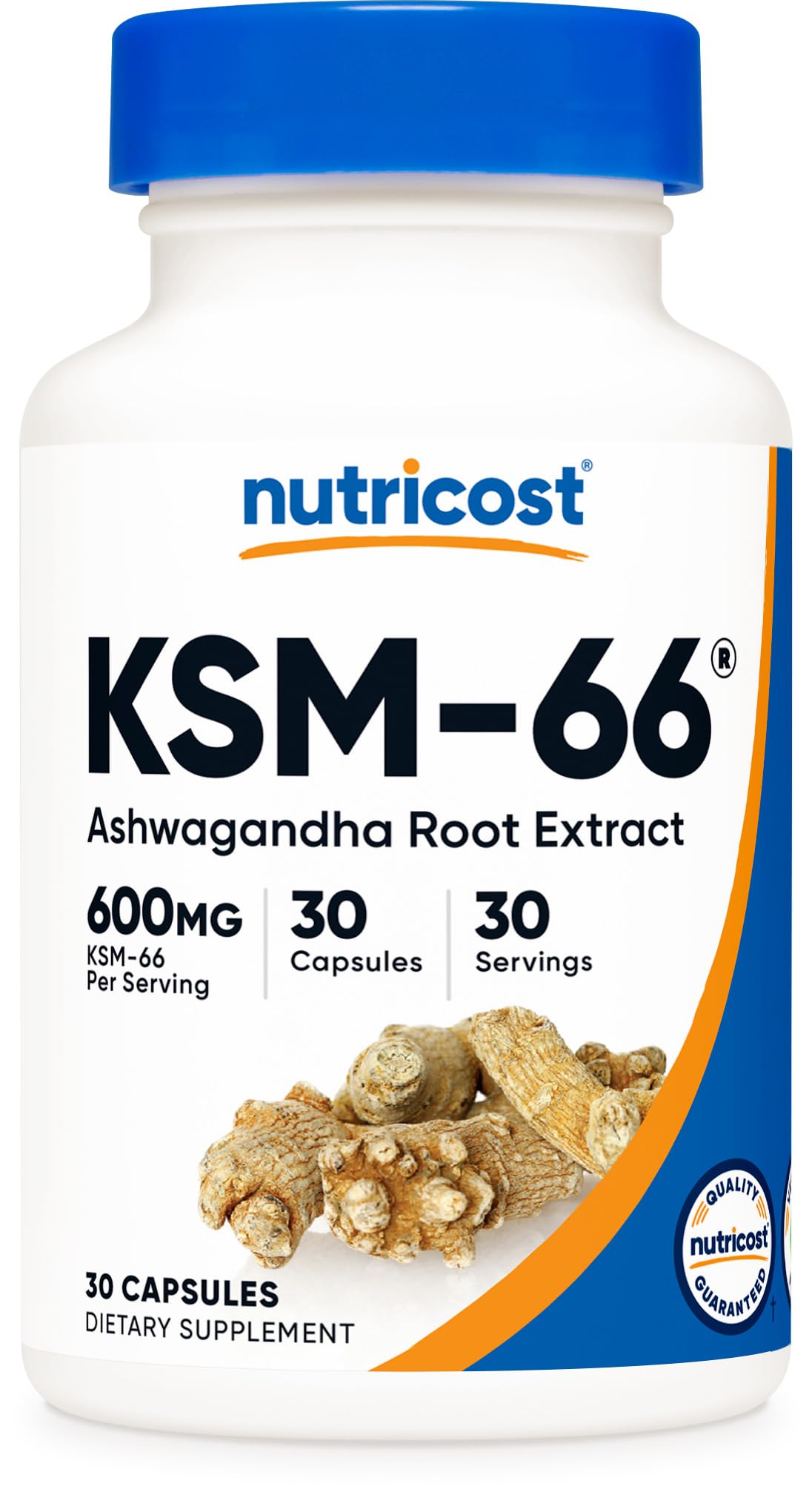
- Ashwagandha extract: 300–600 mg per day of a standardized root extract (often 5% withanolides), taken once daily or divided. Some studies use branded extracts like KSM-66 (root-only) or Sensoril (higher withanolides; sometimes root + leaf). Start low if sensitive.
- Magnesium: 200–400 mg elemental magnesium per day from supplements, typically in the evening. Note that the Tolerable Upper Intake Level (UL) for supplemental magnesium is 350 mg/day for adults; higher amounts are sometimes used in clinical studies but may increase GI side effects and should be guided by a clinician. Consider your dietary magnesium intake when choosing a dose.
Timing suggestions
- For relaxation and sleep: Take both 1–2 hours before bedtime. Pair with a wind-down routine and dim light. Many people choose magnesium glycinate in the evening for better GI tolerance.
- For training recovery or daytime stress: Try ashwagandha in the morning or late afternoon and magnesium with dinner or before bed. If magnesium makes you drowsy, keep it to evenings.
- With food or without: Both can be taken with food to reduce GI upset. Traditional Ayurvedic practice pairs ashwagandha with warm milk or a milk alternative; choose what fits your needs and tolerances.
- Spacing from medications: Keep magnesium 2–4 hours away from sensitive medications (e.g., levothyroxine, certain antibiotics, bisphosphonates). If you take thyroid medication in the morning, consider evening magnesium.
Sample schedules
- Simple evening pairing: Dinner: magnesium; Bedtime (60–90 minutes before): ashwagandha.
- Split dosing for sensitive stomachs: Breakfast: half-dose ashwagandha; Dinner: magnesium; Bedtime: remaining ashwagandha.
- For constipation-prone individuals: Magnesium citrate earlier in the evening; ashwagandha at bedtime. If stools become too loose, switch to magnesium glycinate.
Special populations: pregnancy, breastfeeding, children, older adults, kidney disease
- Pregnancy: Ashwagandha is generally avoided due to limited human safety data and traditional abortifacient concerns. Magnesium within the Recommended Dietary Allowance (RDA) from diet and prenatal vitamins is standard, but additional magnesium supplements should be discussed with your obstetric clinician.
- Breastfeeding: Safety data for ashwagandha are limited; avoid unless recommended by a clinician. Magnesium at typical dietary/supplemental amounts is usually considered compatible, but confirm with your provider.
- Children/adolescents: Magnesium may be used within age-appropriate RDAs. Ashwagandha research in children is limited; avoid unless a pediatric clinician advises and monitors.
- Older adults: Start low and go slow, especially due to changes in kidney function and greater sensitivity to sedatives. Review for drug interactions and monitor bowel habits with magnesium.
- Kidney disease (any stage): Avoid supplemental magnesium unless your nephrologist approves. Ashwagandha lacks robust data in CKD; use only with medical guidance.
- Thyroid disorders or autoimmune disease: Use ashwagandha cautiously and under medical supervision; monitor thyroid labs if relevant.
Practical buying tips: forms, quality markers, and combo supplement considerations
Choosing ashwagandha
- Look for standardized root extracts with a disclosed withanolide percentage (commonly 2.5–5% for root-only extracts; higher percentages often indicate different extraction methods or inclusion of leaf).
- Prefer products with third-party testing (e.g., NSF, USP, or ISO-certified labs) and transparent Certificates of Analysis.
- Avoid proprietary blends that hide the actual milligram amounts of extract.
- KSM-66 (root-only, ~5% withanolides) and Sensoril (often higher withanolides) are common clinical-grade extracts studied in humans. Pick based on your tolerance and goals.
- Consider an option like Ashwagandha Root Extract 5% Withanolides. Many people find this type of standardized extract convenient for consistent dosing.
Choosing magnesium
- Forms matter: Glycinate and malate are typically gentle and well-absorbed; citrate is helpful for constipation but can loosen stools; oxide is less bioavailable; threonate has emerging evidence for cognitive applications but is usually lower in elemental magnesium.
- Verify elemental magnesium content per serving; different salts contain different amounts.
- Look for third-party testing for heavy metals and potency.
- Many people find Magnesium Glycinate Capsules helpful in the evening due to good GI tolerance. For form-specific guidance, see Magnesium Forms: Which One Is Right for You? (/articles/magnesium-forms-guide) and our Magnesium Glycinate page (/supplements/magnesium-glycinate).
Combo products: ashwagandha + magnesium in one capsule?
- Pros: Convenience and fewer pills.
- Cons: Fixed ratios may not match your needs; magnesium content may be too low (or too high relative to the UL); labels sometimes lack withanolide standardization.
- If choosing a combo, confirm: exact milligrams of elemental magnesium, withanolide percentage, third-party testing, and absence of unnecessary sedatives if you don’t need them (e.g., high-dose melatonin).
- A simple add-on like a Weekly Pill Organizer can make it easy to customize single-ingredient products to your ideal doses.
When to consult a healthcare professional and suggested questions to ask
Consider a professional consult if you:
- Are pregnant, breastfeeding, a child/adolescent, or an older adult with multiple medications
- Have kidney disease, thyroid disorders, autoimmune conditions, or liver issues
- Take medications that interact with minerals or sedatives
- Experience persistent insomnia, anxiety, or new/worsening symptoms
- Notice side effects such as jaundice, severe fatigue, heart palpitations, or very low blood pressure
Questions to bring to your clinician:
- Based on my history and medications, is it appropriate for me to take ashwagandha and magnesium together?
- What doses and timing would you recommend for my goals (sleep, stress, muscle tension)?
- Do I need labs (e.g., magnesium status, thyroid function, liver enzymes) before or during use?
- Which magnesium form and ashwagandha extract are best for me, and how should I adjust if I get side effects?
- How long should I try this combination before reassessing efficacy?
Practical takeaways
- Can you take ashwagandha and magnesium together? For most healthy adults, yes—especially in the evening for relaxation. Direct combo studies are limited, so monitor your response.
- Start low and adjust: Ashwagandha 300–600 mg/day of standardized extract; magnesium 200–400 mg elemental/day (be mindful of the 350 mg/day supplemental UL unless guided by a clinician).
- Prefer magnesium glycinate or malate for gentle GI effects; consider ashwagandha extracts with clear withanolide content.
- Space magnesium at least 2–4 hours from medications like levothyroxine, certain antibiotics, and bisphosphonates.
- Avoid ashwagandha in pregnancy and use magnesium supplements cautiously in kidney disease.
- Use resources like our Supplement Interaction Checker (/articles/supplement-interaction-checker) to identify potential conflicts.
Disclaimer
This article is for educational purposes only and is not a substitute for personalized medical advice. Always consult a qualified healthcare professional before starting, stopping, or combining supplements, especially if you have medical conditions, are pregnant or breastfeeding, or take prescription medications.