Ashwagandha and Blood Pressure Medication: Risks, Interactions & What to Know
Can you take ashwagandha with blood pressure meds? Learn risks, interactions by drug class, dosing, monitoring tips, and safer options—all evidence‑based.
·11 min read
This content is for informational purposes only and does not constitute medical advice. Always consult a qualified healthcare provider before starting, stopping, or changing any supplement or medication regimen.
If you take medication for high blood pressure, you may wonder whether ashwagandha can fit into your plan. The short answer: ashwagandha and blood pressure medication can sometimes be used together, but there’s a real risk of additive blood‑pressure lowering, dizziness, or drug–herb interactions for certain people. Research suggests modest effects on stress and, in some studies, small reductions in blood pressure. This guide explains mechanisms, interactions by drug class, what the research shows, practical monitoring steps, and safer alternatives.
Ashwagandha (Withania somnifera) is an adaptogenic herb long used in Ayurveda to support stress resilience and sleep. To learn the basics about forms and composition, see our overview: Ashwagandha.
Can ashwagandha affect blood pressure? Mechanisms and how it works
Traditional perspective (traditional evidence): In Ayurveda, ashwagandha is used as a rasayana (rejuvenative) to support vitality, calm the nervous system, and restore balance. When stress is a driver of elevated blood pressure, easing tension may indirectly help blood pressure.
Western perspective (emerging to moderate evidence): Modern studies indicate ashwagandha can reduce perceived stress and cortisol and improve sleep quality. Some trials report small, single‑digit mmHg decreases in blood pressure as secondary outcomes. Mechanisms proposed include:
Anxiolytic effects via GABA‑mimetic activity and modulation of the HPA (stress) axis
Possible improvement in endothelial function and nitric‑oxide availability (animal and in‑vitro data)
Reduced sympathetic tone (the "fight‑or‑flight" response)
Evidence level for direct blood pressure reduction: emerging to moderate. The most consistent benefits are for stress, sleep, and mild anxiety; any blood pressure change tends to be modest.
Ashwagandha and blood pressure medication: can they mix?
Key point: The main interaction concern is additive hypotension (blood pressure dropping too low), especially in the first weeks of combining. Individual responses vary; careful monitoring is essential.
ACE inhibitors (e.g., lisinopril, enalapril) and ARBs (e.g., losartan, valsartan)
Potential interaction: Additive blood pressure lowering. If ashwagandha reduces stress‑related sympathetic drive, it can complement the BP‑lowering of ACEi/ARBs, sometimes too much.
Kidney and electrolytes: ACEi/ARBs can affect kidney function and potassium levels. Ashwagandha is not known to significantly alter potassium in typical use; however, because there are rare reports of liver issues and thyroid effects, clinicians may prefer closer lab monitoring when new supplements are added.
Practical advice: Start low with ashwagandha, check seated and standing BP, and watch for dizziness.
Beta‑blockers (e.g., metoprolol, atenolol)
Potential interaction: Additive reductions in blood pressure and heart rate, plus overlapping side effects like fatigue or lightheadedness.
Sedation: Ashwagandha can cause drowsiness in some users; combined with beta‑blockers, this may worsen daytime fatigue.
Practical advice: Track both heart rate and blood pressure. If resting heart rate is consistently low or you feel faint, contact your clinician.
Diuretics (e.g., hydrochlorothiazide, furosemide)
Potential interaction: Additive blood pressure lowering and greater risk of dizziness, particularly when standing. Animal data suggest mild diuretic‑like effects of ashwagandha, but human evidence is limited (emerging evidence).
Hydration: Diuretics increase urination; dehydration can amplify dizziness if ashwagandha lowers BP even slightly.
Practical advice: Ensure adequate hydration and monitor for orthostatic symptoms (dizziness when standing).
Metabolism note: Some calcium channel blockers are metabolized by CYP3A4. In‑vitro data suggest ashwagandha may interact with metabolic enzymes, but clinical significance is unclear (emerging evidence). Treat as a theoretical caution.
Practical advice: Introduce ashwagandha slowly and log BP/HR daily for 2–4 weeks.
What the Research Says
Human studies (moderate to emerging evidence): Multiple small randomized or controlled studies of standardized ashwagandha extracts—often focused on stress, sleep, or metabolic health—report modest improvements in perceived stress, sleep quality, and in some cases small decreases in systolic and diastolic blood pressure as secondary outcomes. Effects, when present, are usually single‑digit mmHg.
Animal and mechanistic data (emerging evidence): Preclinical research suggests withanolides may modulate GABAergic signaling, reduce inflammatory mediators, and support nitric‑oxide pathways—all mechanisms that could help lower vascular tone and blood pressure indirectly.
Case reports (emerging): Occasional reports describe dizziness or hypotension in users, often resolving after stopping the herb. Separate case reports have linked ashwagandha with reversible liver injury and increased thyroid hormones; these are uncommon but relevant for risk assessment.
Interpretation: For people with hypertension—especially those already on medication—ashwagandha’s stress‑relieving effect may provide incremental support, but the risk of additive BP lowering requires monitoring. There is not yet strong, large‑scale trial evidence that ashwagandha alone is an effective antihypertensive therapy.
Safety concerns, side effects, and who should avoid ashwagandha
Dizziness or lightheadedness, especially when standing—more likely if you already take antihypertensives
Less common but important:
Liver concerns: Rare case reports of liver injury (often cholestatic) linked to ashwagandha; risk may be higher with underlying liver disease or multiple hepatically metabolized drugs (emerging evidence)
Thyroid: Some reports show increased T3/T4 and lowered TSH; avoid if you have hyperthyroidism and use caution if on thyroid medication (emerging to moderate evidence)
Autoimmune disease: As an immune‑modulating herb, ashwagandha may not be suitable for some autoimmune conditions or for those on immunosuppressants (theoretical to emerging evidence)
Who should avoid or use only under medical supervision:
Pregnant or breastfeeding individuals
People with active liver disease or unexplained elevated liver enzymes
Those with hyperthyroidism or on thyroid replacement (requires monitoring)
Anyone with a history of severe reactions to herbs or multiple medications with narrow therapeutic windows
Dosing, timing, and how to monitor your blood pressure if you take ashwagandha
Dosing (general guidance for standardized extracts):
Start low: 150–300 mg/day of a standardized root extract (often ~5% withanolides), with food
Typical studied ranges: 300–600 mg/day, sometimes divided
Avoid “double starts”: Don’t start ashwagandha and change a blood pressure medication dose in the same week—otherwise you won’t know which change caused what effect
Many people take ashwagandha in the evening to support sleep; morning or split dosing can also work. Consistency is more important than clock time.
Separating by a few hours from your antihypertensive reduces confusion in your log, but note that separation does not eliminate additive BP‑lowering effects.
How to monitor safely at home:
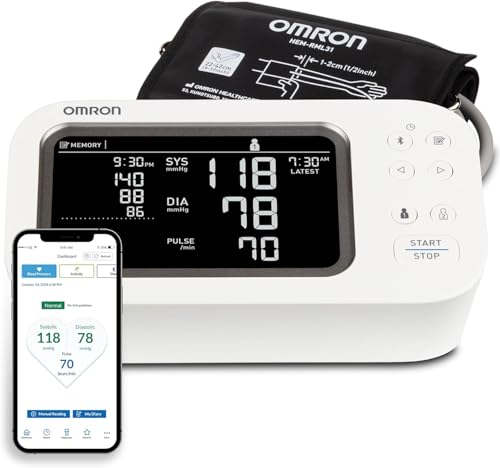
Get a validated upper‑arm cuff. Many people find a Home Blood Pressure Monitor helpful for daily tracking and sharing logs with their clinician.
For 2–4 weeks after starting ashwagandha or changing the dose, measure:
Seated BP/HR each morning and evening
Orthostatic BP: Take a seated reading, stand, then recheck after 1–3 minutes. A drop of ≥20/10 mmHg with symptoms suggests orthostatic hypotension.
Watch symptoms: Dizziness, faintness, blurred vision, unusual fatigue. If present, pause ashwagandha and call your clinician.
Keep a simple log noting dose, time, readings, and symptoms. Bring this to your next appointment.
When to stop and seek care:
If systolic BP falls consistently below your target range or you have significant dizziness/faints
If you notice dark urine, jaundice, severe fatigue, or right‑upper‑quadrant pain (possible liver issues)
New palpitations, chest pain, or severe headache
What to tell your clinician: checklist before combining supplements and prescription meds
Come prepared with:
A complete list of medications (names, doses, timing) and supplements, including ashwagandha brand and withanolide standardization if known
Your blood pressure and heart‑rate log from the past 2–4 weeks
Medical history highlighting: kidney disease, liver disease, thyroid disorders, autoimmune conditions, pregnancy plans
Your goals (e.g., manage stress/sleep vs. lower BP) and any prior side effects with herbs
Ask specifically:
Is ashwagandha appropriate with my current drug regimen and targets?
How often should I check BP/HR and labs (kidney, liver, thyroid) after starting?
What symptoms should prompt stopping or dose changes?
Safer alternatives and strategies for managing stress‑related high blood pressure
Lifestyle and mind–body approaches (moderate evidence):
Breathing practices and meditation: Slow breathing and mindfulness can reduce sympathetic tone and modestly lower BP in many people when practiced regularly.
Yoga and tai chi: Studies suggest small BP reductions and improved stress resilience with consistent practice.
Physical activity: Brisk walking 30 minutes most days often lowers BP within weeks.
Sleep optimization: Address snoring or witnessed apneas; untreated sleep apnea is a common, under‑recognized driver of hypertension. Read more: Sleep Apnea and Hypertension.
Dietary strategies (strong to moderate evidence):
DASH-style eating pattern and sodium reduction (strong evidence)
Potassium‑rich foods (unless restricted by your clinician) and moderate alcohol intake
Nutraceuticals and teas (moderate to emerging evidence):
Hibiscus tea: Several human trials show modest BP reductions with daily intake. Many people find Hibiscus Tea a simple, enjoyable option. Discuss with your clinician if you take diuretics or have kidney disease.
Magnesium (e.g., magnesium glycinate): Meta-analyses suggest small BP reductions and better sleep quality in some people. Consider Magnesium Glycinate after discussing dose and potential interactions with your provider.
Beetroot (dietary nitrates): Can acutely lower BP; longer‑term effects vary. Useful before exercise for some; check with your clinician if you use PDE‑5 inhibitors or have specific cardiovascular conditions.
East–West perspective: Combining evidence‑based lifestyle change with prudent use of herbs or supplements can be effective. For a balanced overview of conventional and integrative options, see Hypertension (High Blood Pressure): East vs West.
Note: If you still wish to try an adaptogen, alternatives like holy basil or rhodiola have different profiles; however, interactions are still possible. Introduce only one change at a time and monitor closely.
Frequently asked questions and trustworthy resources
Does ashwagandha raise or lower blood pressure?
Research suggests small BP reductions in some users, largely via stress reduction. Not everyone experiences a change. Evidence level: emerging to moderate.
Can I take ashwagandha with lisinopril (or other ACE inhibitors/ARBs)?
There’s a risk of additive BP lowering. If your clinician agrees, start with a low dose, monitor closely for 2–4 weeks, and report symptoms.
Is it safe with amlodipine or metoprolol?
Same principle: possible additive hypotension and, with beta‑blockers, lower heart rate and more fatigue. Monitor or avoid if you’ve had dizziness before.
When will I notice effects?
Stress and sleep benefits often appear within 2–8 weeks in studies. Any BP changes—if they occur—tend to be small and gradual.
Should I stop ashwagandha before surgery?
Yes, most clinicians recommend stopping herbal supplements 1–2 weeks before procedures due to sedation and interaction risks.
Are there brands you recommend?
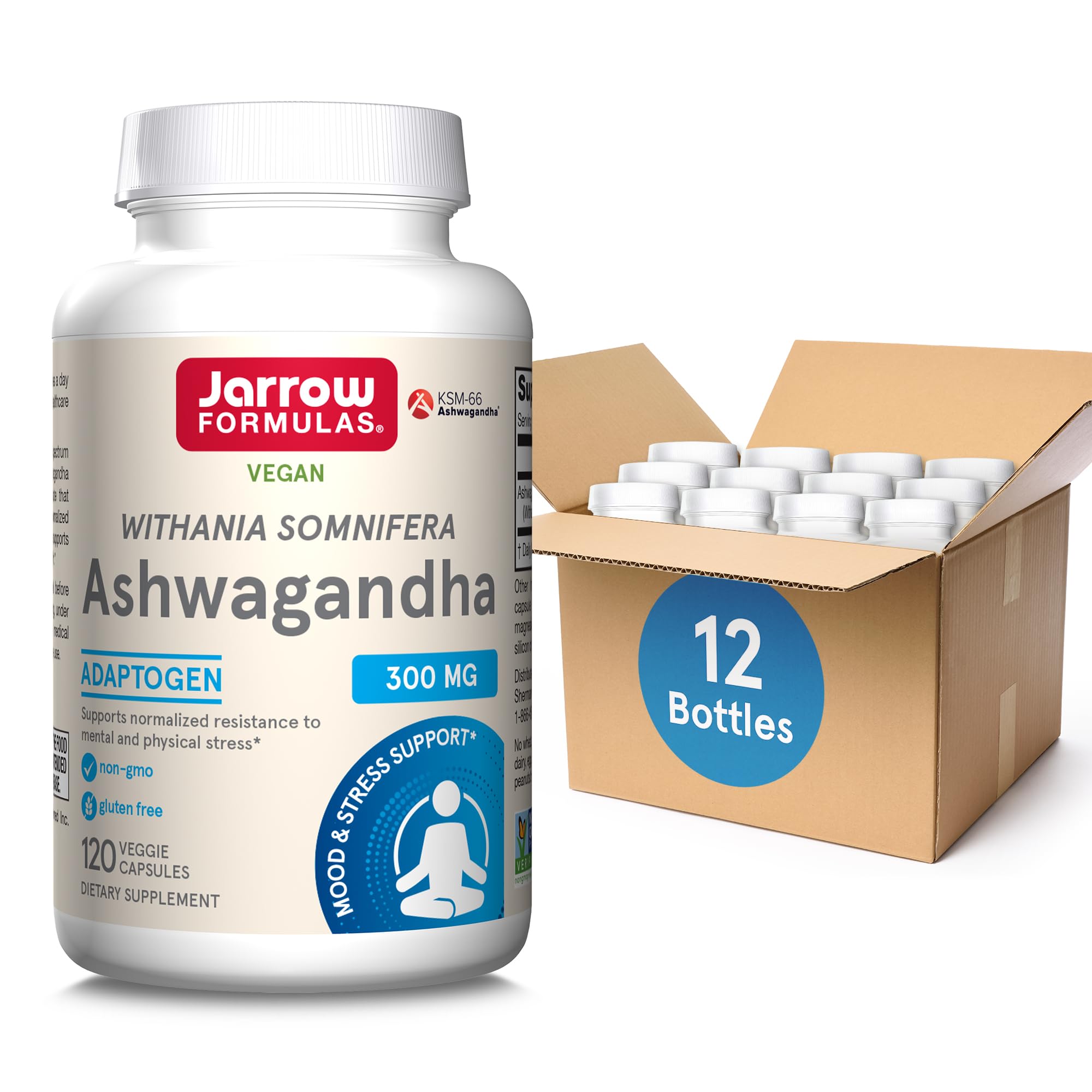
Look for third‑party testing and clear withanolide standardization. Many people choose a standardized Ashwagandha Extract from a reputable supplier; discuss options with your clinician.
Trusted resources for ongoing learning:
American Heart Association (AHA) resources on hypertension and home monitoring
National Institutes of Health, Office of Dietary Supplements (NIH ODS) on dietary supplements
National Center for Complementary and Integrative Health (NCCIH) for herb and integrative therapy overviews
What the evidence means for you: Practical takeaways
If you’re on blood pressure medication and considering ashwagandha, assume a non‑zero risk of additive BP lowering.
Evidence for direct BP reduction is not strong; benefits are more reliable for stress and sleep.
If your clinician green‑lights a trial:
Start low (150–300 mg/day), take with food, and keep a daily BP/HR log for 2–4 weeks
Monitor for dizziness, especially when standing; pause if symptoms occur
Don’t change antihypertensive doses on your own
Consider safer, well‑supported options for BP: DASH diet, physical activity, sleep optimization, and mind–body practices. Select supplements/teas with supportive evidence and known safety profiles for your situation.
Disclaimer
This article is for educational purposes and does not replace personalized medical advice. Always consult your healthcare professional before starting, stopping, or combining supplements with prescription medications—especially for conditions like hypertension where treatment goals and safety margins are individualized.
This content is for informational purposes only and does not constitute medical advice. Always consult a qualified healthcare provider before starting, stopping, or changing any supplement or medication regimen.
If you’re curious about ashwagandha side effects, you’re not alone. This popular adaptogenic herb is widely used for stress and sleep support, but like any biologically active supplement, it can cause
Is Ashwagandha Safe Long Term? Evidence, Risks & Dosage. If you’re asking “is ashwagandha safe long term,” you’re not alone. Ashwagandha (Withania somnifera) is one of the most popular adaptogenic herbs used for stress, sleep, and energy. Short-term studies generally show good tolerability, but many people want to know what happens after months of daily u
Can You Take Ashwagandha and Magnesium Together? Benefits, Risks & Timing. If you’ve been wondering “can you take ashwagandha and magnesium together,” you’re not alone. Many people pair these two supplements to support stress, sleep, mood, and muscle relaxation. The short answer: most healthy adults can take ashwagandha and magnesium together, and many find an evening dose
If you’re curious about ashwagandha benefits—especially for stress, sleep, and focus—you’re not alone. This adaptogenic herb from Ayurveda has surged in popularity, and research suggests it may help t
Does Ashwagandha Really Work? Evidence, Dosage & Safety Guide. If you’re wondering “does ashwagandha really work,” you’re not alone. This traditional Ayurvedic herb has exploded in popularity for stress, sleep, energy, and even testosterone support. Research suggests there’s real potential—especially for stress and sleep—though benefits vary by person, dose, an
Ashwagandha Dosage for Anxiety: Evidence-Based Guide. If you’re looking up ashwagandha dosage for anxiety, you likely want clear, evidence-based ranges you can discuss with your clinician—without wading through dense studies or marketing hype. Below you’ll find quick starting doses, how different extracts compare, safety notes, and practical tips on ti