

Hypertension
Overview
Hypertension—commonly called high blood pressure—is a chronic condition in which the force of blood against artery walls remains elevated over time. Because it often develops without obvious symptoms, it is frequently described as a "silent" cardiovascular risk factor. Persistent elevation in blood pressure is associated with gradual damage to blood vessels and vital organs, particularly the heart, brain, kidneys, and eyes. Globally, hypertension is one of the most common long-term health conditions and a major contributor to preventable illness and premature death.
Blood pressure is typically expressed as systolic pressure over diastolic pressure. Systolic pressure reflects the force in the arteries when the heart contracts, while diastolic pressure reflects pressure between beats. In clinical practice, hypertension is generally identified through repeated elevated readings rather than a single measurement, since stress, pain, activity, medications, and measurement technique can all influence results. Some people experience white coat hypertension in clinical settings, while others may have masked hypertension, where office readings appear normal but blood pressure is elevated in daily life.
Hypertension may be classified as primary (essential) hypertension, which develops gradually and accounts for most cases, or secondary hypertension, which arises from an identifiable cause such as kidney disease, endocrine disorders, sleep apnea, or medication effects. Risk increases with age, family history, excess body weight, high sodium intake, low physical activity, alcohol use, chronic stress, diabetes, kidney disease, and tobacco exposure. Social determinants of health, including access to care, nutrition, safe spaces for exercise, and chronic psychosocial stress, also play a meaningful role.
Its significance lies not only in elevated blood pressure itself, but in its long-term relationship with heart attack, stroke, heart failure, chronic kidney disease, peripheral artery disease, and cognitive decline. Research consistently shows that controlling blood pressure is associated with lower cardiovascular risk, although targets and treatment intensity may vary by age, overall health status, and clinical guidelines. Because hypertension sits at the intersection of lifestyle, vascular biology, metabolism, and stress physiology, it is approached by both conventional and traditional medical systems as a multifactorial condition requiring individualized assessment and ongoing monitoring.
Compare Treatment Options
High blood pressure (hypertension) is a long-term condition in which pressure inside the arteries stays elevated enough to raise the risk of stroke, heart attack, heart failure, kidney disease, and other complications over time. It is often called a silent condition because many people feel normal even when readings are consistently high. In Western medicine, hypertension is usually evaluated by repeated office readings, home blood pressure monitoring, or ambulatory monitoring, then managed according to overall cardiovascular risk, blood pressure level, and the presence of conditions such as diabetes, kidney disease, or prior heart disease. Treatment options vary because high blood pressure does not have a single cause. Salt sensitivity, weight, sleep quality, stress, alcohol use, physical activity, genetics, kidney function, medications, and hormonal factors can all contribute. Conventional care often emphasizes lifestyle measures such as the DASH diet, sodium reduction, exercise, weight loss, and—when needed—antihypertensive medications like thiazide diuretics, ACE inhibitors, ARBs, or calcium channel blockers. Eastern and integrative approaches may frame hypertension through broader patterns involving stress regulation, circulation, autonomic balance, or metabolic health, using modalities such as acupuncture, mind-body practices like tai chi/qigong, and selected herbal formulas. Research support differs across these options, so the best fit often depends on severity, urgency, comorbidities, and a person's tolerance for medication effects, time demands, and uncertainty in the evidence base.
View treatment comparison (6 options)Medical Perspectives
Two Ways of Seeing Health

Western
scientific · clinical
Western medicine applies science, technology, and clinical experience to treat symptoms through testing, diagnosis, and targeted intervention.

Eastern
traditional · alternative
Eastern medicine focuses on treating the body naturally by applying traditional knowledge practiced for thousands of years, emphasizing balance and whole-person wellness.
Gold Bamboo presents both perspectives side-by-side so you can make informed decisions. We don't advocate for one over the other — your health choices are yours.
Western Medicine Perspective
Western Medicine Perspective
In conventional medicine, hypertension is understood as a multifactorial cardiovascular disorder involving complex interactions among the vascular system, kidneys, nervous system, endocrine signaling, and metabolic factors. Key mechanisms include increased vascular resistance, altered sodium and fluid regulation, overactivity of the sympathetic nervous system, dysfunction in the renin-angiotensin-aldosterone system, endothelial dysfunction, arterial stiffness, and low-grade inflammation. Rather than viewing hypertension as a single disease process, modern medicine generally treats it as a measurable clinical condition with multiple possible drivers and variable risk profiles.
Diagnosis relies on standardized blood pressure measurement, ideally confirmed with repeated office readings and, when appropriate, home or ambulatory blood pressure monitoring. Clinical evaluation often includes assessment for cardiovascular risk factors, target-organ effects, and secondary causes. This may involve blood and urine testing, kidney assessment, medication review, cardiovascular evaluation, and screening for conditions such as obstructive sleep apnea or endocrine disorders. Conventional care also places emphasis on estimating overall cardiovascular risk, since the significance of a given blood pressure level depends partly on coexisting conditions such as diabetes, chronic kidney disease, or established heart disease.
Management in western medicine typically includes a combination of lifestyle measures and pharmacologic therapy, depending on severity and risk. Research supports the role of dietary patterns, sodium reduction, weight management, physical activity, moderation of alcohol intake, improved sleep, and stress reduction as important components of blood pressure control. Common medication classes include thiazide diuretics, ACE inhibitors, angiotensin receptor blockers, calcium channel blockers, and beta blockers in selected settings. Studies indicate that sustained blood pressure reduction lowers the risk of stroke, heart failure, coronary events, and kidney complications. As with all chronic conditions, treatment decisions are individualized and are best interpreted in consultation with a qualified healthcare professional.
Eastern & Traditional Perspective
Eastern and Traditional Medicine Perspective
In Traditional Chinese Medicine (TCM), hypertension is not historically framed as a single disease entity in the modern biomedical sense. Instead, elevated blood pressure may be understood through broader patterns of imbalance such as Liver Yang rising, Liver Fire, internal Wind, Phlegm-Damp accumulation, Yin deficiency, or Kidney-related deficiency patterns. Symptoms that sometimes accompany these patterns may include headache, dizziness, irritability, tinnitus, insomnia, or a sensation of pressure, though many individuals with hypertension have no symptoms at all. TCM assessment focuses on the overall pattern of disharmony rather than the blood pressure number alone, using pulse, tongue, symptom pattern, constitution, and broader context.
Traditional East Asian approaches have historically used acupuncture, herbal formulations, dietary therapy, breathing practices, and mind-body regulation with the aim of restoring balance and supporting circulation, stress resilience, and systemic harmony. Contemporary research suggests acupuncture may have modest supportive effects on blood pressure in some individuals, but findings remain mixed and methodology varies across studies. Herbal medicine is widely used in traditional settings, though quality, standardization, herb-drug interactions, and safety require careful attention—especially for people already using antihypertensive medications.
In Ayurveda, hypertension is often interpreted through patterns involving disturbances in Vata, Pitta, and the circulation of Rakta, with links to stress, lifestyle strain, digestion, and constitutional imbalance. Ayurvedic frameworks may emphasize calming the nervous system, supporting metabolic balance, and reducing excess heat or tension through individualized diet, daily routine, yoga, breathing practices, meditation, and classical botanicals. In naturopathic and integrative medicine, hypertension is often seen as a condition influenced by inflammation, diet, stress physiology, sleep, vascular health, and metabolic function, with interest in combining conventional risk assessment with mind-body and lifestyle-centered strategies.
Across these systems, a common theme is that hypertension reflects a broader whole-person imbalance rather than only a numerical abnormality. At the same time, traditional practitioners and integrative clinicians generally recognize that persistently elevated blood pressure can carry serious cardiovascular risk and may warrant collaboration with conventional medical care. This is particularly important because severe or longstanding hypertension can lead to complications even when a person feels well.
Related Topics
Diabetes
Diabetes — condition topic in the Gold Bamboo health ontology.
Calcium channel blockers
Calcium channel blockers — medication topic in the Gold Bamboo health ontology.
DASH Diet
DASH Diet — diet topic in the Gold Bamboo health ontology.
Yoga
Yoga — modality topic in the Gold Bamboo health ontology.
Sleep Apnea
Sleep Apnea — condition topic in the Gold Bamboo health ontology.
How They Relate
Diabetes & Hypertension
Diabetes and hypertension commonly occur together and amplify each other’s risks for heart attack, stroke, kidney disease, retinopathy, and heart failure. Roughly two-thirds of adults with type 2 d...
Hypertension & Calcium channel blockers
Hypertension (high blood pressure) is one of the most common chronic conditions worldwide and a leading modifiable risk factor for heart attack, stroke, heart failure, chronic kidney disease, and p...
Hypertension & DASH Diet
Hypertension—chronically elevated blood pressure—is among the most common cardiovascular risks worldwide and a major driver of heart attack, stroke, heart failure, kidney disease, and premature mor...
Hypertension & Yoga
Hypertension (high blood pressure) affects more than one billion people worldwide and is a leading driver of stroke, heart disease, kidney disease, and cognitive decline. Because blood pressure is ...
Sleep Apnea & Hypertension
Sleep apnea—most commonly obstructive sleep apnea (OSA)—and hypertension have a bidirectional, clinically important relationship. OSA is highly prevalent among people with elevated blood pressure a...
Supplements & Products
Recommended Products

The DASH Diet Action Plan: Proven to Boost Weight Loss and Improve Health (A DASH Diet Book): Heller, Marla
Unlike any diet before it, DASH, which stands for Dietary Approaches to Stop Hypertension, came out of groundbreaking NIH-funded research. Now, Marla Heller, MS, RD, who was trained by one of the prim
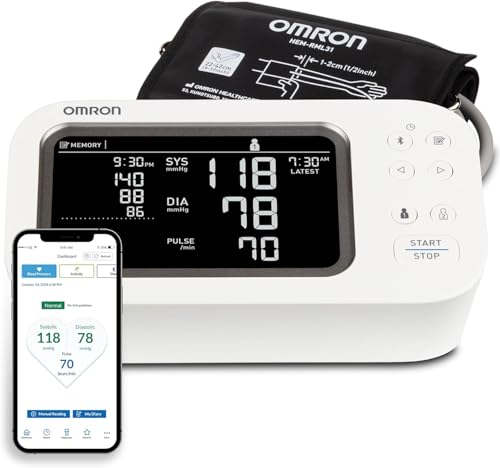
OMRON Platinum Blood Pressure Monitor for Home Use & Upper Arm Blood Pressure Cuff - #1 Doctor & Pharmacist Recommended Brand - Clinically Validated - AFib Detection - Connect App
CONFIDENCE IN EVERY READING: Monitor your heart health with the OMRON Platinum Upper Arm Blood Pressure Monitor's <strong>Advanced Accuracy with AFib Detection Technology</strong>; Store up to 10
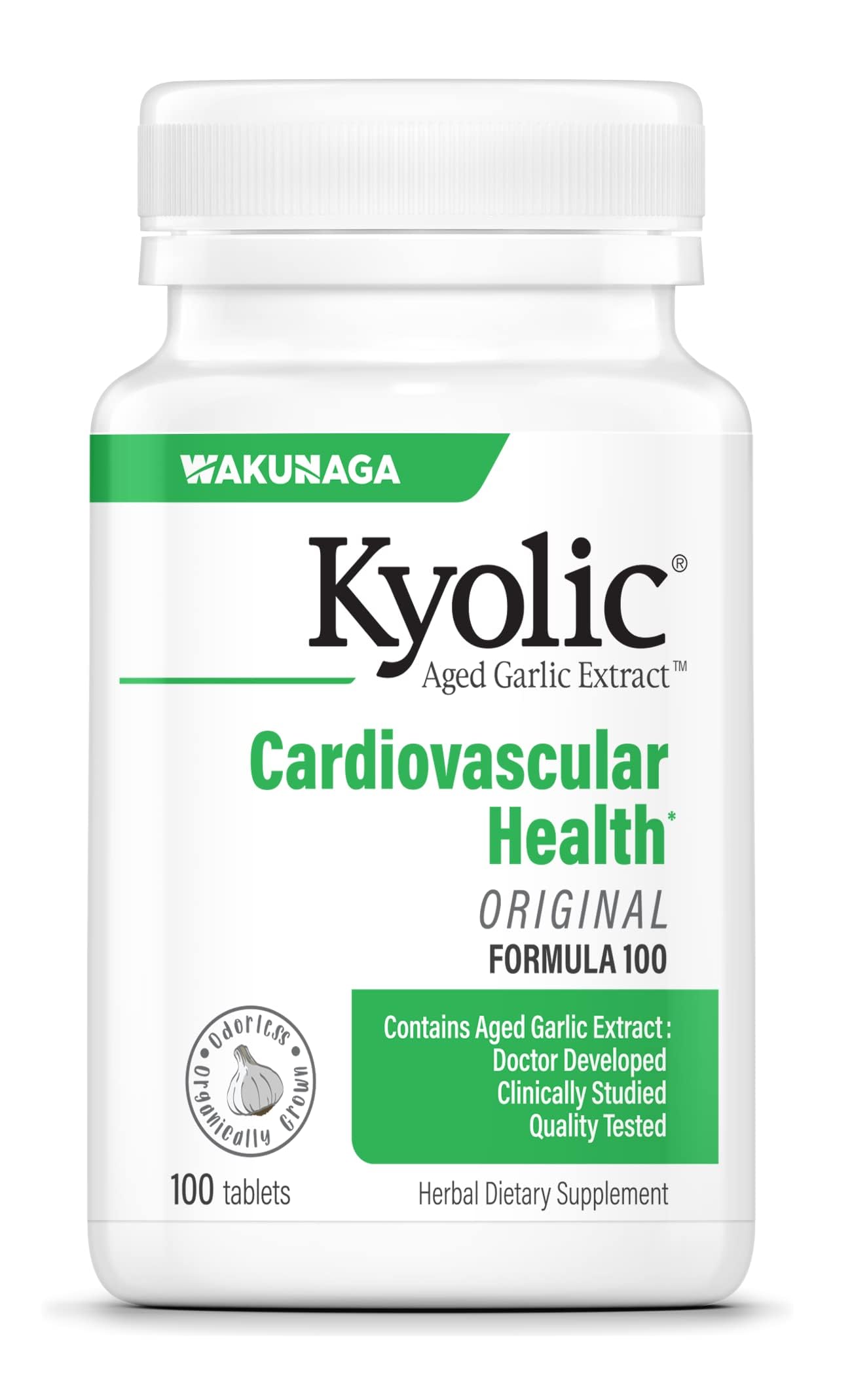
Kyolic Aged Garlic Extract Formula 100, Cardiovascular Health*, 300 Capsules.
CARDIOVASCULAR HEALTH: By helping to maintain circulatory function, this formula <strong>supports and strengthens your cardiovascular system and promotes overall heart health</strong>.* Made with orga
Evidence & Sources
Supported by multiple clinical trials and systematic reviews
- World Health Organization (WHO)
- American Heart Association
- Journal of the American College of Cardiology
- Hypertension
- The Lancet
- National Heart, Lung, and Blood Institute (NHLBI)
- National Center for Complementary and Integrative Health (NCCIH)
- Cochrane Database of Systematic Reviews
This content is for informational purposes only and does not constitute medical advice. Always consult a qualified healthcare provider before starting, stopping, or changing any supplement or medication regimen.