Supplements for Stress Management: Evidence‑Based Options, Dosage & Safety
A research‑guided guide to supplements for stress management—what works, dosing, safety, combos, and cautions, plus when to seek professional support.
·12 min read
This content is for informational purposes only and does not constitute medical advice. Always consult a qualified healthcare provider before starting, stopping, or changing any supplement or medication regimen.
If you’re feeling wired, worn down, or both, you might be wondering which supplements for stress management are truly worth trying. Research suggests certain nutrients, herbs, and mind‑body compounds can nudge stress systems toward balance. Still, even the best options offer small‑to‑moderate benefits and work best alongside sleep, movement, and psychological support.
This guide explains how stress works, where supplements may help, what the research says, typical dosing and onset time, plus safety and smart next steps.
How Stress Works and Why Supplements Might Help
Acute vs. chronic stress
Acute stress is short‑term and can sharpen focus and reaction time. It activates the sympathetic “fight‑or‑flight” system and the HPA axis (hypothalamus‑pituitary‑adrenal), briefly elevating cortisol and adrenaline.
Chronic stress keeps those systems “on,” which can dysregulate cortisol rhythms, disrupt sleep, mood, appetite, and immune function, and increase inflammation and oxidative stress.
Key biology: HPA axis, neurotransmitters, and inflammation
HPA axis: The brain signals the adrenals to release cortisol. Over time, this rhythm can become flattened or exaggerated, worsening fatigue, anxiety, and poor sleep.
Neurotransmitters: GABA (calming), serotonin (mood, resilience), norepinephrine and dopamine (alertness, motivation). Some supplements increase production or signaling of these messengers.
Inflammatory and oxidative pathways: Chronic stress can activate NF‑κB and raise cytokines (IL‑6, TNF‑α), which may worsen mood and cognition. Antioxidant and anti‑inflammatory nutrients may help restore balance.
Gut‑brain axis: Microbial metabolites influence stress reactivity via the vagus nerve, immune signaling, and tryptophan/serotonin pathways. Targeted probiotics (“psychobiotics”) are being studied for this.
Realistic expectations
Supplements can modestly reduce perceived stress, improve sleep quality, or smooth physiological responses. They do not replace therapy, adequate sleep, or medical care when needed.
Benefits are typically incremental (often felt as 10–30% improvement) and may take days to weeks, depending on the compound and dose.
Evidence‑Backed Supplements for Stress Management
Below are common categories, with proposed mechanisms, research summaries, dosing, onset, and primary symptom targets. Evidence levels: strong (multiple RCTs/meta‑analyses), moderate (limited RCTs/observational), emerging (early human/pilot studies), traditional (historical use).
Adaptogens
Ashwagandha (Withania somnifera)
Mechanism: Traditionally used in Ayurveda as a rasayana. Modern data suggest modulation of the HPA axis and GABAergic signaling; may lower cortisol.
What the Research Says (evidence level: moderate to strong): Multiple randomized trials and meta‑analyses report reductions in perceived stress and anxiety, with average decreases in Perceived Stress Scale (PSS) scores around 20–30% and modest cortisol reductions in 6–8 weeks. Effects are generally moderate.
Dose & onset: 300–600 mg/day of a standardized root extract (often 5% withanolides), split 1–2 times daily. Onset in 1–2 weeks, fuller effects by 6–8 weeks.
Mechanism: May influence stress‑response mediators (e.g., HSP70), monoamines, and mitochondrial energy; traditionally used for fatigue and resilience.
What the Research Says (evidence level: moderate): RCTs and open‑label studies suggest small‑to‑moderate reductions in stress‑related fatigue and improved well‑being within 1–2 weeks; data are heterogeneous.
Dose & onset: 200–400 mg/day of standardized extract (typically 3% rosavins, 1% salidroside). Onset often within days to 2 weeks.
Mechanism: Tea amino acid that increases alpha‑wave activity; modulates glutamate and GABA, supporting relaxed alertness.
What the Research Says (evidence level: moderate): Small RCTs show reduced stress‑induced tension and improved calm/attention; effects are generally mild to moderate and most noticeable acutely.
Dose & onset: 100–200 mg as needed for situational stress; 200–400 mg/day for ongoing support. Onset within 30–90 minutes.
Mechanism: Primary inhibitory neurotransmitter; oral GABA may signal via the enteric nervous system and limited central effects.
What the Research Says (evidence level: emerging): Early human studies (including fermented GABA foods) show small reductions in markers of acute stress and improved relaxation; evidence base remains preliminary.
Dose & onset: 100–300 mg, 1–2 times daily or as needed. Onset within 30–60 minutes.
Targets: Acute tension, sleep onset difficulty.
5‑HTP (5‑hydroxytryptophan)
Mechanism: Serotonin precursor; may support mood resilience and stress coping.
What the Research Says (evidence level: emerging to moderate): Some small trials suggest benefits for mood and sleep; limited direct evidence for stress alone. Safety concerns with serotonergic medications (see below).
Dose & onset: 50–200 mg/day, often in divided doses or at night. Onset in days to weeks.
Targets: Low mood with stress, sleep initiation.
Minerals and vitamins
Magnesium
Mechanism: Cofactor in hundreds of enzymatic reactions; supports GABA and NMDA balance, stress hormone regulation, and muscle relaxation.
What the Research Says (evidence level: moderate): Trials suggest magnesium (alone or with B vitamins) can reduce perceived stress and mild anxiety, especially in people with low intake. Effects are modest but meaningful for some.
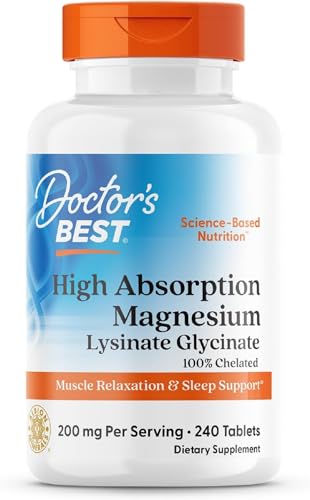
Dose & onset: 200–400 mg/day elemental magnesium (e.g., glycinate or citrate). Onset in days to 2–4 weeks.
Learn more: See our monograph on Magnesium. Many people consider a chelated option such as High‑Absorption Magnesium Glycinate; look for clear elemental magnesium content and third‑party testing.
Mechanism: Essential for neurotransmitter synthesis and energy metabolism; stress may increase B‑vitamin demand.
What the Research Says (evidence level: moderate): Several RCTs in high‑demand populations show small improvements in perceived stress, mood, and fatigue with daily B‑complex.
Dose & onset: Broadly, a balanced B‑complex at or slightly above RDA (avoid very high B6 long‑term). Onset in 2–4 weeks.
Mechanism: Neurosteroid actions; modulates inflammation and circadian biology.
What the Research Says (evidence level: emerging to moderate): Low vitamin D is associated with worse mood and stress markers; supplementation trials show mixed results—benefits more likely if deficient.
Dose & onset: Typically 1,000–2,000 IU/day; tailor to blood levels (25‑OH D). Onset in weeks to months.
Targets: Low mood with deficiency, winter stress slump.
Omega‑3 fatty acids (EPA/DHA)
Mechanism: Reduce neuroinflammation, support membrane fluidity and neurotransmission; EPA‑dominant formulas may influence stress‑related mood.
What the Research Says (evidence level: moderate): Meta‑analyses find small reductions in anxiety/stress symptoms, with stronger effects from ≥60% EPA formulations in people with higher baseline stress.
Dose & onset: 1–2 g/day combined EPA+DHA (e.g., 1–1.5 g EPA). Onset in 3–8 weeks.
Targets: Irritability, cognitive “edginess,” stress with inflammatory features.
Practical note: Quality varies; some consider IFOS‑certified Fish Oil to ensure purity and potency.
Probiotics (the “psychobiotic” angle)
Mechanism: Strain‑specific effects on the gut‑brain axis, including GABA/serotonin pathways, cortisol modulation, and immune signaling.
What the Research Says (evidence level: emerging to moderate): Several small RCTs show modest reductions in stress and improved coping. Strain matters; Lactobacillus helveticus R0052 plus Bifidobacterium longum R0175, and Bifidobacterium longum 1714, have early human data suggesting benefit.
Dose & onset: Typically 1–10 billion CFU/day, strain‑specific. Onset in 2–4 weeks.
Targets: GI‑linked stress, sleep quality, general resilience.
Mechanism: Interacts with the endocannabinoid system (indirect CB1/CB2 modulation), 5‑HT1A receptors, and inflammation pathways.
What the Research Says (evidence level: emerging): Small RCTs and acute studies suggest CBD can reduce situational anxiety and stress responses at single doses (e.g., 300–600 mg). Evidence for daily stress management is still limited; product quality varies widely.
Dose & onset: Highly variable; commonly 10–50 mg/day in over‑the‑counter products, with higher doses used in studies. Onset: within 1–2 hours for acute effects; weeks for daily regimens.
Targets: Situational stress, sleep onset. Check legal status and quality testing.
Kava (Piper methysticum) — a cautionary note
Mechanism: GABAergic modulation; traditionally used for relaxation in the South Pacific.
What the Research Says (evidence level: moderate): Can reduce anxiety; however, rare but serious liver toxicity has been reported, especially with non‑noble cultivars or poor‑quality extracts. Many clinicians advise avoiding kava or using only with professional guidance.
What the Research Says — Big Picture
Overall effects from supplements for stress management are typically small to moderate. Adaptogens, magnesium, L‑theanine, EPA‑dominant omega‑3s, and specific probiotics have the most consistent—though still modest—signals in trials.
Individual response varies. Deficiencies (e.g., low magnesium or vitamin D) predict greater benefit when corrected.
Combining complementary mechanisms (e.g., magnesium at night + daytime L‑theanine; EPA‑dominant omega‑3s + an adaptogen) may yield additive benefits, provided safety and interactions are considered.
Safety, Interactions, and Populations of Concern
Always review supplements with a clinician if you take prescription medications or have chronic conditions.
Ashwagandha: May aggravate hyperthyroidism or autoimmune conditions in some; rare case reports of liver injury. Avoid in pregnancy; caution with sedatives and thyroid meds.
Rhodiola: Can be mildly stimulating; may worsen insomnia or trigger hypomania in bipolar spectrum. Avoid with MAO inhibitors; use earlier in the day.
L‑Theanine: Generally well tolerated; may slightly lower blood pressure—use caution with antihypertensives.
GABA: Sedation possible; additive effects with alcohol, benzodiazepines, or sleep meds.
5‑HTP: Do not combine with SSRIs, SNRIs, MAOIs, triptans, or other serotonergic agents due to serotonin syndrome risk. Avoid in pregnancy and without medical supervision.
Magnesium: Can cause loose stools (more likely with oxide). Separate by ≥2 hours from certain antibiotics (tetracyclines, quinolones) and thyroid medication.
B‑complex: Generally safe. Very high B6 over time may cause neuropathy; niacin can cause flushing.
Vitamin D: Risk of hypercalcemia with very high doses or in certain granulomatous disorders. Monitor 25‑OH D and calcium if using higher doses.
Omega‑3s: May increase bleeding tendency at high doses; caution with anticoagulants or before surgery. Can cause fishy aftertaste or GI upset.
Probiotics: Usually safe for healthy adults; caution in severely immunocompromised, critical illness, or indwelling central lines—discuss with your physician.
CBD: Interacts with CYP450 enzymes; may alter levels of warfarin, clobazam, and others. Drowsiness, GI upset possible. Verify hemp/CBD is legal in your area; insist on third‑party testing for potency and contaminants.
Kava: Potential hepatotoxicity; avoid unless under expert supervision and with verified noble cultivars and quality controls.
Quality and regulation
Choose brands with third‑party testing (e.g., USP, NSF, Informed Choice, or published COAs). Herbs should identify plant part, extraction ratio, and standardization.
Be cautious of proprietary “blends” that hide exact doses.
Start one new supplement at a time to assess response and tolerance.
Special populations
Pregnancy and breastfeeding: Safety data are limited for most herbs, CBD, and amino acids; stick to nutrition basics under clinician guidance.
Children and adolescents: Use pediatric‑appropriate doses and professional oversight.
Medical conditions: If you have kidney disease, arrhythmias, bipolar disorder, liver disease, autoimmune disease, or are immunocompromised, consult a clinician before using these supplements.
Practical Decision‑Making: Choosing and Using Supplements Wisely
Match options to your main stress pattern and goals. Consider starting with one low‑risk, well‑tolerated choice, then layer if needed.
Symptom‑focused suggestions (evidence‑informed, not personalized medical advice):
Tense body, poor sleep quality: Magnesium glycinate at night (200–400 mg elemental); consider adding L‑theanine 100–200 mg in the evening or situationally.
Burnout/fatigue with stress: Rhodiola 200–400 mg in the morning; pair with a balanced B‑complex.
Persistent “wired” feeling with worry: Ashwagandha 300–600 mg/day; consider L‑theanine for acute moments.
Stress with low mood or inflammation: EPA‑dominant omega‑3s (1–2 g/day EPA+DHA); check vitamin D status and correct if low.
Gut‑linked stress or sleep issues: A strain‑specific probiotic taken daily for 4+ weeks.
Situational spikes (presentations, flights): L‑theanine 100–200 mg 30–60 minutes prior; some consider CBD where legal and appropriate, starting low.
How to build a sensible stack
Start simple: one primary agent for 2–4 weeks. Track sleep, mood, and tension (e.g., a 0–10 daily rating).
Add a complement if partial benefit: e.g., magnesium + L‑theanine; or ashwagandha + EPA‑dominant omega‑3s.
Review safety/interaction checks with each addition.
Lifestyle synergy multiplies benefits
Sleep: Prioritize consistent schedule and wind‑down routines. Magnesium or L‑theanine may support this but cannot replace sleep hygiene.
Movement: Aerobic and resistance exercise improve HPA regulation and mood; even 10–20 minute bouts help.
Psychological support: Cognitive‑behavioral strategies, therapy, or coaching address root causes and coping patterns. If anxiety predominates, you may also find our roundup on Best Supplements for Anxiety Relief helpful.
When to consult a professional
Red flags: Panic attacks, depression with thoughts of self‑harm, severe insomnia (>3 nights/week for >3 months), major weight or appetite change, or suspected medication interactions.
Medical workup: Consider screening for thyroid issues, anemia, sleep apnea, nutrient deficiencies (e.g., vitamin D, B12, magnesium), or perimenopause/androgen changes if symptoms persist.
How to Use This Information
Choose one or two supplements for stress management that best fit your pattern and safety profile.
Use evidence‑based doses, give them adequate time (weeks for most), and track outcomes.
Combine with lifestyle changes for greater impact.
Reassess monthly; taper or discontinue if no meaningful benefit.
Work with a qualified clinician for personalization, especially if you take medications or have chronic conditions.
Disclaimer: This article is for educational purposes and should not replace personalized medical advice. Always consult a qualified healthcare professional before starting, stopping, or combining supplements, especially if you are pregnant, breastfeeding, have medical conditions, or take prescription medications.
This content is for informational purposes only and does not constitute medical advice. Always consult a qualified healthcare provider before starting, stopping, or changing any supplement or medication regimen.
Holistic Approaches to Stress Relief: Evidence‑Based Mind‑Body Practices, Herbs, and Lifestyle Strategies. If you’re feeling wired, tired, and overwhelmed, you’re not alone. Many people look for holistic approaches to stress relief that work with the whole person—mind, body, and daily environment. Research suggests integrated strategies can calm the stress response, improve mood and sleep, and support lo
Best Supplements for Anxiety Relief: Evidence‑Based Options, Dosage & Safety. If you’re searching for the best supplements for anxiety relief, you want what works, what’s safe, and how to use it alongside proven strategies like therapy, exercise, and good sleep. This guide reviews the most studied options—magnesium, L‑theanine, ashwagandha, GABA, valerian, CBD, B‑complex vita
Best Adaptogen Supplements: Top-Rated Options Backed by Research. If you’re searching for the best adaptogen supplements, you likely want something that helps you manage stress, support steady energy, or sleep better—without relying on stimulants or sedatives. This guide compares top adaptogens, what the research suggests they can and can’t do, how to choose teste
Supplements for Energy Boost: Evidence‑Based Options, Dosage, and Safety. Feeling drained and wondering which supplements for energy boost actually work? Before reaching for a pill or powder, it helps to understand why energy dips happen and when supplements may help versus when a medical evaluation is the smarter first step. This guide bridges western research and time‑t
Supplements for Heart Health: Evidence‑Based Options, Dosage & Safety. If you’re looking into supplements for heart health, you’re not alone. Many people want to know which nutrients can support cholesterol, blood pressure, triglycerides, heart rhythm, and overall cardiovascular resilience—without overpromising or overlooking risks. This guide reviews research-backed o
Nutritional Supplements for Memory Improvement: An Evidence‑Based Guide. If you’re exploring nutritional supplements for memory improvement, you’re not alone. Many people—students under stress, busy professionals, and older adults noticing “tip‑of‑the‑tongue” moments—look for safe, research‑backed ways to support recall, focus, and long‑term brain health. This guide synt