Eastern Wellness Practices for Relaxation: An Evidence‑Based Guide to Yoga, Meditation, Acupuncture, Ayurveda, Tai Chi & Qigong
An evidence‑based guide to eastern wellness practices for relaxation—yoga, meditation, tai chi/qigong, acupuncture, Ayurveda—plus safety tips and how to start.
·10 min read
This content is for informational purposes only and does not constitute medical advice. Always consult a qualified healthcare provider before starting, stopping, or changing any supplement or medication regimen.
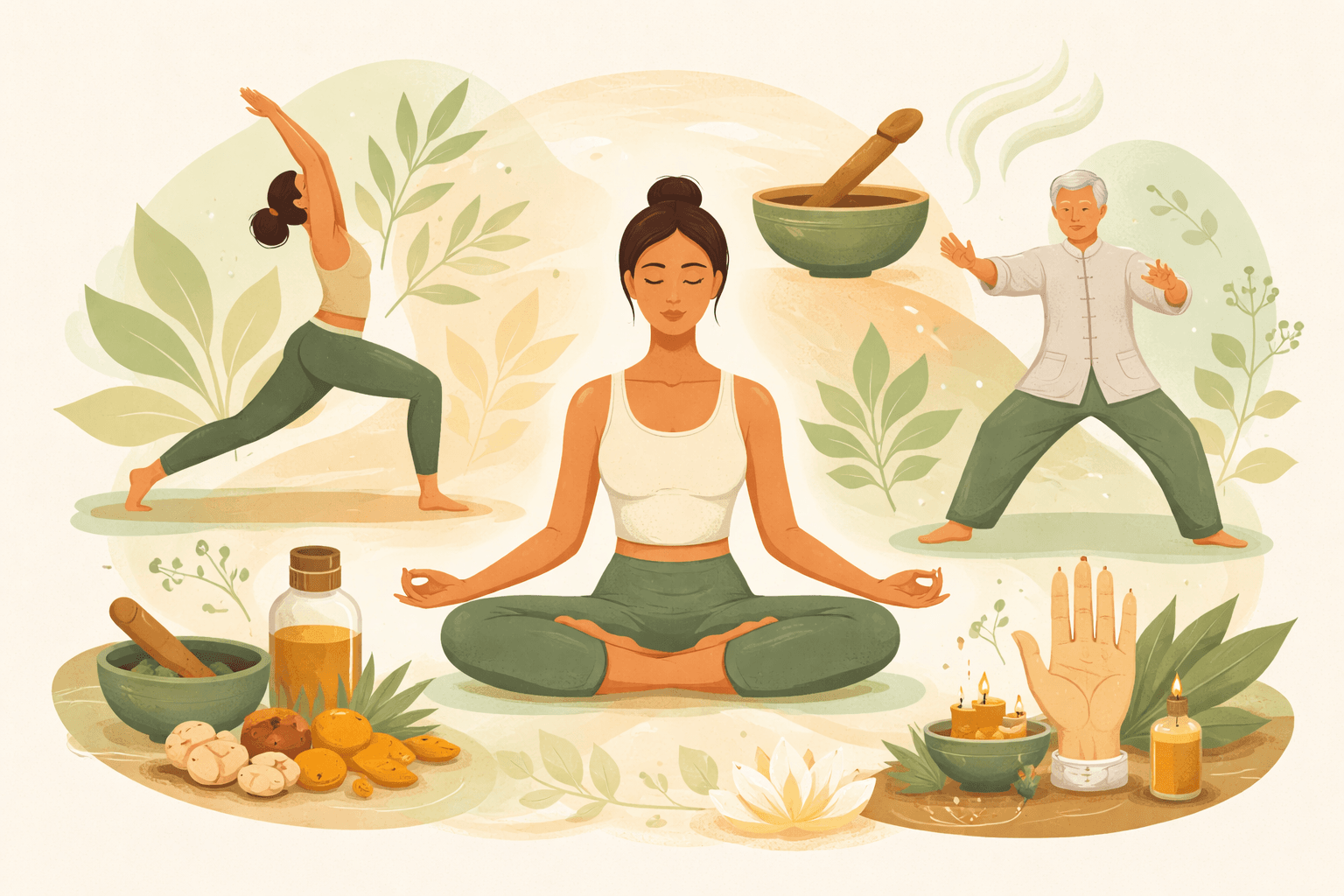
If stress is running the show, you may be wondering which eastern wellness practices for relaxation are worth your time. Yoga, meditation, acupuncture, Ayurveda, tai chi, and qigong offer time‑tested ways to calm the nervous system. Research suggests many of these practices can reduce perceived stress, improve sleep, and increase resilience—though the strength of evidence varies by modality. This guide bridges eastern wisdom with western science so you can choose what fits your body, values, and lifestyle.
Foundations and philosophies: how Eastern systems frame relaxation
Qi and prana: In Traditional Chinese Medicine (TCM), qi is the body’s vital energy that moves through meridians; in yogic traditions, prana is life force flowing through nadis. Relaxation practices aim to unblock and balance this flow to ease tension and support health (evidence level: traditional).
Yin–yang: TCM views health as dynamic balance between yin (cooling, restful) and yang (active, warming). Chronic stress is often framed as excess yang; relaxation practices nourish yin and restore harmony (traditional).
Ayurveda and the doshas: Ayurveda describes three mind-body types—vata (air/space), pitta (fire), kapha (earth/water). Stress commonly aggravates vata (restlessness, anxiety). Calming routines emphasize grounding movement, warm oil massage, and breathwork to settle the nervous system (traditional, with emerging modern studies).
Buddhist mindfulness and Zen: Mindfulness cultivates nonjudgmental awareness of the present moment. Zen emphasizes direct experience and simplicity. Modern programs like MBSR (Mindfulness‑Based Stress Reduction) adapt these principles to reduce stress (evidence level: moderate to strong for stress reduction).
Western physiology translation: Many eastern practices appear to increase parasympathetic (rest‑and‑digest) activity, improve heart rate variability (HRV), lower cortisol, modulate inflammatory pathways, and alter brain networks involved in attention and emotion regulation.
Core Eastern Wellness Practices for Relaxation
Tai Chi: moving meditation
What it is: Slow, continuous sequences synchronized with breath and intention, often practiced in groups.
Typical session: 20–45 minutes of forms like Yang style, emphasizing softness, posture, and balance.
Relaxation benefits: Studies indicate reductions in perceived stress and anxiety, improved sleep quality, and enhanced HRV, particularly in older adults and beginners (evidence level: moderate).
Qigong: breath, posture, and gentle flow
What it is: A family of practices combining static postures, gentle movements, breathwork, and visualization to circulate qi.
Typical session: 10–30 minutes of simple movements (e.g., “Eight Brocades”), sometimes with self‑massage (acupressure tapping).
Relaxation benefits: Emerging evidence shows decreased stress and fatigue and modest improvements in mood; accessible for people with limited mobility (evidence level: moderate for stress; emerging for specific conditions).
Yoga (including pranayama): postures, breath, and awareness
What it is: A spectrum from gentle restorative to dynamic vinyasa. For relaxation, emphasis typically falls on restorative/yin poses and controlled breathing (pranayama).
Typical session: 20–60 minutes combining gentle poses, longer holds, diaphragmatic breathing, and a closing rest (savasana).
Relaxation benefits: Meta‑analyses suggest small‑to‑moderate reductions in stress and anxiety and better sleep. Slow breathing practices (e.g., 4‑6 breaths/min, alternate‑nostril breathing) can rapidly shift the nervous system toward calm (evidence level: moderate; stronger for stress than for diagnosed anxiety disorders).
Mindfulness, Zen, and mantra/Transcendental meditation
What it is: Mindfulness trains attention and nonreactivity; Zen often uses seated meditation (zazen) with breath or koans; mantra/Transcendental meditation repeats a sound silently to settle the mind.
Typical session: 10–20 minutes once or twice daily; many benefit from guided formats at the start.
Relaxation benefits: Strong evidence supports MBSR‑style programs for reducing stress and improving well‑being; mantra‑based techniques show moderate benefits for anxiety and blood pressure; Zen research is smaller but suggests similar nervous‑system effects (evidence level: moderate to strong, varies by style and study design). For step‑by‑step support, see our guide to Guided Meditation for Mental Wellness.
What it is: Acupuncture uses very fine needles at specific points to regulate qi; acupressure applies finger pressure as a non‑needle alternative.
Typical session: 20–45 minutes, often with a course of 6–10 treatments for stress or sleep.
Relaxation benefits: Clinical trials indicate improvements in stress, anxiety symptoms, and insomnia for some people, though results vary and placebo/sham controls complicate interpretation (evidence level: moderate). Learn more about mechanisms and when it helps in Stress and Acupuncture.
Eastern herbal traditions (TCM and Ayurveda)
What they are: Individual herbs and formulas aimed at harmonizing patterns such as “liver qi stagnation” (TCM) or balancing vata/pitta/kapha (Ayurveda).
Common calming options: TCM formulas with suan zao ren (Ziziphus), he huan pi (Albizia), or sour‑date seed combinations; Ayurvedic rasayanas like ashwagandha and brahmi (Bacopa). Many formulas target sleep, irritability, or worry.
Relaxation benefits: Emerging to moderate evidence supports certain herbs (e.g., ashwagandha, L‑theanine, lavender oil) for stress and sleep, but product quality and formula variability are major factors. For details, see Herbal Treatments for Anxiety Relief and our overview of Traditional Chinese Medicine (TCM) Practices.
Note: Herb‑drug interactions and quality issues (heavy metals, adulterants) require careful selection and professional guidance.
What the Research Says: evidence and mechanisms
Mindfulness‑based programs (MBSR/MBCT)
Evidence: Multiple randomized controlled trials (RCTs) and meta‑analyses show moderate improvements in perceived stress, anxiety, and depressive symptoms, and small improvements in sleep quality (evidence level: strong for stress reduction; moderate for anxiety/depression).
Mechanisms: Increased prefrontal regulation of the amygdala; reduced default mode network rumination; improved HRV; lower salivary cortisol in some studies.
Evidence: Meta‑analyses report small‑to‑moderate reductions in stress and anxiety and improved sleep; gentle/restorative styles and yoga nidra show pronounced relaxation effects (evidence level: moderate).
Mechanisms: Vagal activation via diaphragmatic and slow breathing; increased GABA activity observed with certain practices; downregulation of inflammatory markers (e.g., NF‑κB pathway suppression) reported in some trials.
Tai Chi and Qigong
Evidence: Systematic reviews indicate modest reductions in stress, anxiety, and depressive symptoms, with benefits to sleep and HRV, especially in middle‑aged and older adults (evidence level: moderate).
Mechanisms: Low‑intensity aerobic and proprioceptive training, breath‑paced movement, and mindful attention that enhance baroreflex sensitivity and parasympathetic tone.
Acupuncture
Evidence: RCTs and umbrella reviews suggest potential benefits for anxiety symptoms and insomnia, though heterogeneity and sham‑control debates limit certainty (evidence level: moderate; some areas emerging).
Mechanisms: Peripheral nerve stimulation affecting spinal and brainstem nuclei; endogenous opioids and adenosine release; modulation of HPA axis and autonomic balance.
Herbs and aromatic therapies
Ashwagandha (Withania somnifera): Several RCTs show reduced perceived stress and cortisol with standardized extracts (evidence level: moderate). Quality and dosing vary.
L‑theanine: RCTs suggest improved relaxation and attention and possible anxiety reduction at 200–400 mg (evidence level: moderate). See our overview of L-Theanine.
Lavender (oral Silexan, aromatherapy): Mixed but promising data for anxiety and sleep (evidence level: emerging to moderate depending on format).
TCM formulas: Evidence depends on specific formulas; data quality is variable (evidence level: emerging to moderate).
Strengths of the evidence
Convergent physiological findings across modalities: increased HRV, reduced sympathetic arousal, and improved sleep metrics.
Real‑world feasibility: short, home‑based practices often deliver measurable benefits within weeks.
Limitations and gaps
Heterogeneous interventions and small samples make specific prescriptions (style, dose) hard to standardize.
Self‑report outcomes dominate; more objective measures (wearables, biomarkers) and long‑term follow‑ups are needed.
Placebo and expectancy effects likely contribute; active‑control trials help but are not universal.
Safety, contraindications, and cultural respect
Who should modify or avoid certain practices
Yoga and breathwork
Avoid strong breath retentions (kumbhaka), rapid breathing (kapalabhati), or inversions if you have uncontrolled hypertension, glaucoma, recent surgery, or are pregnant.
People with hypermobility, acute pain, or osteoporosis should favor supported, gentle poses and avoid deep end‑range stretches.
Those with a history of panic may start with slower, nasal breathing and short sessions.
Meditation
Intensive retreats can sometimes surface difficult emotions; individuals with active PTSD or bipolar disorder should work with a clinician and trauma‑informed teacher; start with brief, guided sessions and grounding techniques.
Tai Chi/Qigong
Generally low risk; use caution with balance issues—practice near support and avoid slippery surfaces.
Acupuncture
Seek licensed practitioners; caution in bleeding disorders or anticoagulant use; avoid needling at sites of active infection. Mild bruising or soreness can occur.
Herbs
Interactions with sedatives, SSRIs/SNRIs, thyroid meds, and blood thinners are possible. Choose reputable brands with third‑party testing (e.g., USP, NSF, or equivalent) and consult a qualified clinician.
Cultural context and ethical use
Acknowledge origins and lineages; credit teachers and traditions.
Avoid “spiritual bypassing” (using practices to ignore real problems). Combine with evidence‑based care when needed.
Yoga therapy: C‑IAYT credential denotes clinical training; Yoga Alliance (RYT) reflects training hours but is not a license.
Ayurveda/TCM herbalists: Training and regulation vary by region—verify education, experience, and safety practices, including herb sourcing and contamination testing.
Practical integration and outcomes you can track
Short daily practices (5–15 minutes)
6‑breath reset: 6 slow nasal breaths per minute for 5 minutes before meetings or driving.
Micro‑qigong: Three rounds of “Gathering Qi” with gentle arm sweeps and a 30‑second body scan.
Sleep: Sleep latency and awakenings; weekly PSQI or simple sleep diary.
Physiology: Morning resting heart rate; HRV via a wearable (look for upward trends over weeks); optional salivary cortisol (if working with a clinician).
Function: Focus rating during work blocks; frequency of stress‑related symptoms (e.g., headaches, GI upset).
Curated resources
Apps and courses: Look for programs that teach breath pacing (4–6 breaths/min), body scan meditations, and tai chi/qigong fundamentals. Many local studios offer beginner‑friendly classes; online options abound.
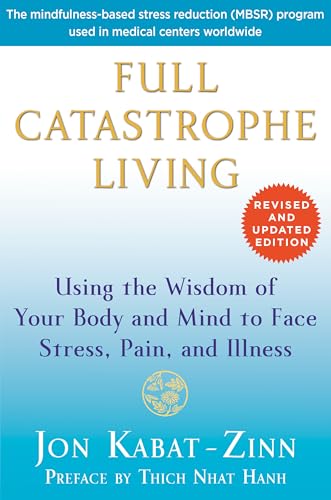
Books and teachers: Seek trauma‑informed, accessibility‑focused instructors; lineages that emphasize humility and cultural integrity.
Monetization: options to consider (no health claims)
Many people find an eco‑friendly, non‑slip Yoga Mat helpful to make restorative poses comfortable at home.
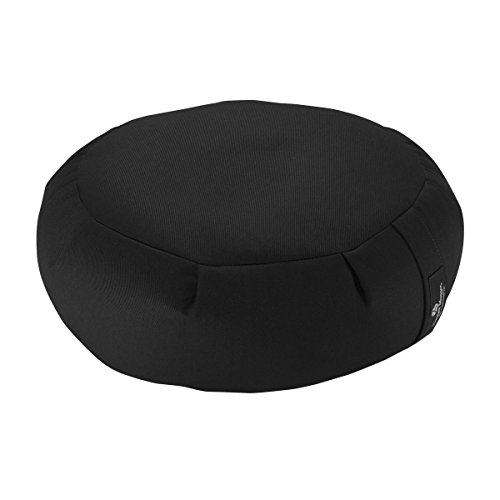
A supportive Meditation Cushion can encourage a relaxed, upright posture for daily practice.
A simple Acupressure Mat and Pillow Set may offer a convenient at‑home way to explore pressure‑based relaxation for short sessions.
How to use this information
Start small, stay consistent: 10–15 minutes daily of slow breathing, gentle movement, or guided meditation is often enough to feel a difference within 2–4 weeks.
Choose by fit, not hype: If you prefer movement, try tai chi, qigong, or restorative yoga. If you like stillness, explore mindfulness or mantra practice. Needle‑averse? Consider acupressure.
Pair practices: Many people combine 5 minutes of breathwork + 10 minutes of meditation + a short evening restorative pose sequence.
Reassess monthly: Review your stress, sleep, and HRV metrics; adjust time of day, style, or teacher as needed.
Integrate with care: These practices complement—not replace—medical or psychological care. If you’re in treatment for anxiety, depression, pain, or insomnia, coordinate with your clinician.
Disclaimer
This information is for educational purposes and should not replace personalized medical advice. If you have a medical or mental health condition, are pregnant, or take prescription medications, consult a qualified healthcare professional before starting new practices or supplements.
This content is for informational purposes only and does not constitute medical advice. Always consult a qualified healthcare provider before starting, stopping, or changing any supplement or medication regimen.
Eastern Approaches to Mental Wellness: TCM, Ayurveda, Mind‑Body Practices, and Evidence‑Based Strategies. If you’re exploring eastern approaches to mental wellness, you might be wondering how traditions like Traditional Chinese Medicine (TCM), Ayurveda, mindfulness, qigong, and yoga can help with stress, anxiety, mood, and clarity—especially alongside therapy or medication. Research suggests many of the
Holistic Approaches to Stress Relief: Evidence‑Based Mind‑Body Practices, Herbs, and Lifestyle Strategies. If you’re feeling wired, tired, and overwhelmed, you’re not alone. Many people look for holistic approaches to stress relief that work with the whole person—mind, body, and daily environment. Research suggests integrated strategies can calm the stress response, improve mood and sleep, and support lo
Stress Relief with Ayurveda: Dosha‑Based Techniques, Breathing, Diet & Herbal Support. Feeling wired, tired, or both — and wondering how to calm your system without losing your edge? This guide walks through stress relief techniques from Ayurveda, integrating traditional wisdom with what modern research suggests about breathwork, movement, diet, and herbs. You’ll find dosha‑specific t
Stress and Acupuncture. Acupuncture, a traditional East Asian therapy involving the stimulation of specific points with fine needles, is increasingly explored for stress management. From a western perspective, research suggests acupuncture may influence biological systems involved in the stress response—modulating the hypo
Combining Eastern and Western Health Practices: An Evidence‑Based Guide to Integrative Care. If you’re curious about combining Eastern and Western health practices, you’re not alone. Many people want the diagnostic clarity of conventional medicine alongside the whole-person focus of Traditional Chinese Medicine (TCM), Ayurveda, yoga, mindfulness, and other mind–body tools. This guide walks
Traditional Chinese Medicine (TCM) Practices: Acupuncture, Herbs, Cupping, Moxibustion, and the Evidence. Many people are curious about traditional Chinese medicine practices—what they are, how they work, and what the evidence says. If you’re weighing acupuncture, herbs, cupping, moxibustion, tui na, dietary therapy, or qigong, this guide walks through core principles, common uses, safety, and how to in