

L-Theanine
Overview
L-theanine is a naturally occurring non-protein amino acid found primarily in tea leaves (Camellia sinensis) and, in smaller amounts, certain mushrooms. It is best known for its association with tea’s characteristic “calm alertness” effect and is widely marketed as a dietary supplement for stress support, relaxation, sleep quality, and cognitive performance. Because it is commonly consumed in tea and also isolated in capsule, powder, and functional beverage forms, L-theanine occupies an important space between traditional food-based wellness practices and modern supplement use.
Interest in L-theanine has grown as researchers have explored how it may influence the central nervous system without acting as a sedative in the conventional sense. Studies suggest it may affect neurotransmitter signaling, including pathways involving glutamate, GABA, dopamine, and serotonin, and may promote a subjective sense of relaxation while preserving attention in some contexts. This has made it a popular ingredient in products positioned for stress resilience, focus, and sleep support, particularly when paired with caffeine.
From a public health perspective, L-theanine is relevant because stress, poor sleep, and attention-related complaints are common, and many consumers seek non-pharmaceutical options for mild symptoms or general wellness. Research has examined L-theanine in areas such as acute stress response, sleep quality, blood pressure under stress, and attention, but findings are mixed and often based on small or short-term studies. As a result, L-theanine is better understood as a promising supportive compound than as a definitive intervention.
L-theanine is generally regarded as well tolerated in the amounts typically consumed through tea and in many supplement studies, but supplement quality, formulation differences, and the presence of other stimulants or botanicals in commercial products can influence effects. As with any supplement, interpretation of benefits and risks is best grounded in context, including individual health status, concurrent medications, and guidance from a qualified healthcare professional.
Medical Perspectives
Two Ways of Seeing Health

Western
scientific · clinical
Western medicine applies science, technology, and clinical experience to treat symptoms through testing, diagnosis, and targeted intervention.

Eastern
traditional · alternative
Eastern medicine focuses on treating the body naturally by applying traditional knowledge practiced for thousands of years, emphasizing balance and whole-person wellness.
Gold Bamboo presents both perspectives side-by-side so you can make informed decisions. We don't advocate for one over the other — your health choices are yours.
Western Medicine Perspective
Western Medicine Perspective
In conventional medicine, L-theanine is viewed as a bioactive dietary compound with potential effects on stress physiology, attention, and sleep-related outcomes. Mechanistically, laboratory and human research suggests it may cross the blood-brain barrier and modulate excitatory and inhibitory signaling, particularly through interactions with glutamatergic pathways. It has also been studied for its possible effects on alpha brain wave activity, a pattern sometimes associated with relaxed wakefulness. These mechanisms are biologically plausible, but they do not translate uniformly into clinical outcomes.
Clinical research has most often focused on subjective stress, anxiety-related symptoms in non-clinical populations, sleep quality, and attention or task performance. Some studies indicate that L-theanine may reduce perceived stress and support relaxation, especially in stressful situations, and may modestly improve certain aspects of sleep quality. A substantial area of interest involves the combination of L-theanine with caffeine, which has shown potential in some trials to improve attention switching, alertness, and accuracy more consistently than either compound alone. However, study designs, populations, and outcome measures vary widely, limiting firm conclusions.
From a safety standpoint, L-theanine is generally considered low risk for most healthy adults when used in typical supplemental amounts studied in clinical trials, though long-term data remain limited. Conventional clinicians may also note that supplements are not regulated like prescription drugs, so purity and labeling can vary. L-theanine is not considered a standard medical treatment for anxiety disorders, insomnia, or attention disorders, and persistent symptoms typically warrant formal evaluation. In practice, Western medicine tends to regard L-theanine as an adjunctive wellness supplement with emerging but not definitive evidence, rather than a primary therapeutic tool.
Eastern & Traditional Perspective
Eastern and Traditional Medicine Perspective
From an Eastern perspective, L-theanine is rarely discussed in isolation in classical texts; instead, its significance is understood through the broader traditional use of tea as a medicinal and cultural substance. In Traditional Chinese Medicine (TCM), tea has long been regarded as influencing alertness, digestion, fluid metabolism, and the mind-spirit relationship, depending on the type of tea, preparation, and individual constitution. The calming yet clear quality many people associate with tea is consistent with traditional concepts of supporting a more balanced mental state without excessive heaviness or dullness.
In Japanese tea culture and Zen-associated traditions, the experience of focused calm linked to tea consumption has been valued for centuries, even though L-theanine as an isolated compound is a modern scientific extraction. This makes L-theanine somewhat unusual: modern biochemistry has identified a single constituent that may help explain part of a traditional whole-food effect long observed in tea practice. Traditional frameworks generally place more emphasis on the synergy of the whole plant, the ritual of preparation, and the individual’s broader pattern of imbalance than on any one isolated molecule.
In Ayurvedic and naturopathic interpretations, compounds like L-theanine may be framed as supporting the nervous system during periods of overstimulation, restlessness, or stress burden. These systems often emphasize regulation rather than suppression—supporting calm focus, restorative sleep, and resilience. At the same time, traditional practitioners typically consider context essential, including digestion, constitution, stimulant intake, and lifestyle patterns. For this reason, Eastern and integrative models often see L-theanine as one potentially supportive element within a broader picture rather than a standalone answer.
Supplements & Products
Recommended Products

Tea: A User's Guide: Gebely, Tony
The Healing Herbal Teas Beginners' Guide [All-in-1]: Everything on How to Brew, Enjoy, & Benefit from Therapeutic Brews. Featuring 100+ Recipes for Stronger Immunity & Lifelong Vitality .
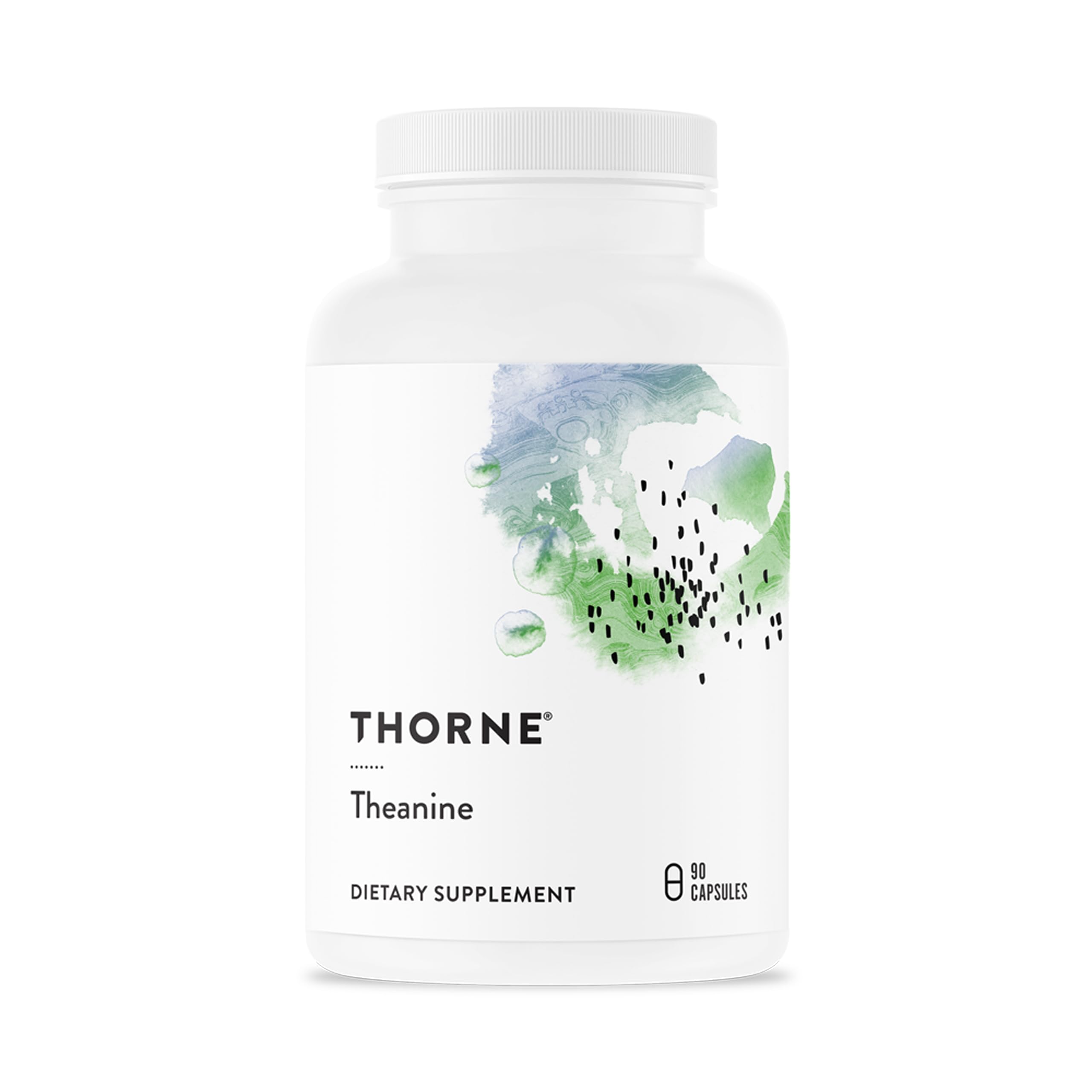
THORNE - Theanine - 200mg of L-Theanine - Support a Healthy Stress Response, Relaxation, and Focus - Increases Brain Alpha-Wave Production* - 90 Capsules
One Capsule Contains: L-Theanine* 200 mg. Other Ingredients: Hypromellose capsule, Microcrystalline Cellulose, Leucine, Calcium Laurate.
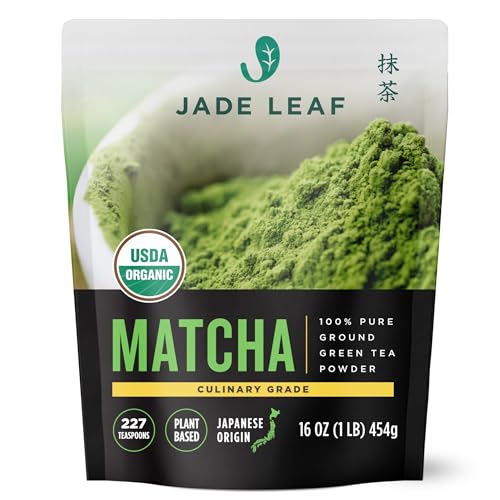
Jade Leaf Matcha Organic Culinary Grade Matcha Powder - Japanese Green tea for Baking, Smoothies, Lattes, and Skin Care, 30g / 1.06 Ounce (Pack of 1)
Micro Ingredients Organic Matcha Green Tea Powder, First Harvest, Culinary Grade from Japan, <strong>100% Pure & Unflavored, Great for Tea, Latte, & Smoothies, Non-GMO, No Sugar, Eco-Friendly
Evidence & Sources
Promising research with growing clinical support from multiple studies
- National Center for Complementary and Integrative Health (NCCIH)
- National Institutes of Health Office of Dietary Supplements
- Nutrients
- Journal of Clinical Psychiatry
- Biological Psychology
- Asia Pacific Journal of Clinical Nutrition
- Food & Function
- Camellia Sinensis tea literature in Phytomedicine
This content is for informational purposes only and does not constitute medical advice. Always consult a qualified healthcare provider before starting, stopping, or changing any supplement or medication regimen.