Stress Relief with Ayurveda: Dosha‑Based Techniques, Breathing, Diet & Herbal Support
A practical, evidence‑informed guide to Ayurvedic stress relief: dosha‑specific breathing, yoga, abhyanga, diet, and herbs, with safety tips and research.
·10 min read
This content is for informational purposes only and does not constitute medical advice. Always consult a qualified healthcare provider before starting, stopping, or changing any supplement or medication regimen.
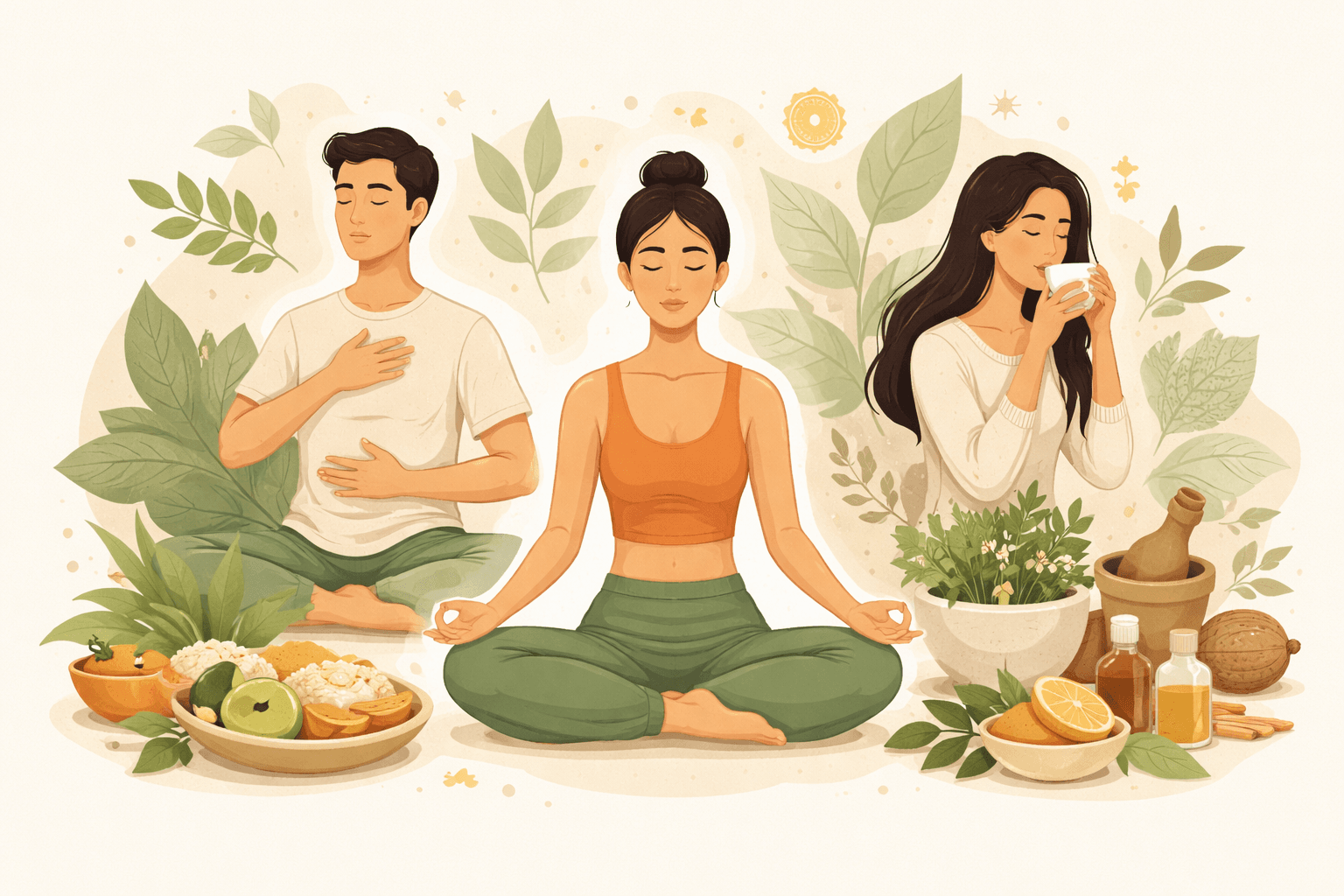
Feeling wired, tired, or both — and wondering how to calm your system without losing your edge? This guide walks through stress relief techniques from Ayurveda, integrating traditional wisdom with what modern research suggests about breathwork, movement, diet, and herbs. You’ll find dosha‑specific tips you can try today and learn where the evidence is strongest.
Ayurveda’s framework for stress: doshas, ojas, prana, and ama
Doshas: The three governing patterns — Vata (air/space), Pitta (fire/water), and Kapha (earth/water) — shape how we respond to stress. Any person can experience imbalances in any dosha, but your constitution makes certain patterns more likely.
Prana: The life force or vital energy linked to breath and the nervous system. When prana is smooth and grounded, calm attention is easier.
Ojas: The subtle “resilience reserve” built from good sleep, digestion, and nourishment. Low ojas feels like burnout: depleted, sensitive, and easily overwhelmed.
Ama: Metabolic residue or “sludge” from poor digestion, irregular routines, and overexposure to stressors. Ama can cloud the mind and weigh down energy.
How stress shows up by dosha
Vata stress (air/space): Racing thoughts, worry, scattered focus, cold hands/feet, variable appetite, constipation, light sleep with frequent waking.
Pitta stress (fire/water): Irritability, perfectionism, frustration or anger, heartburn, loose stools, hot flashes, night sweats, intensity-driven insomnia.
Typical causes include irregular routines (Vata), overwork and competitiveness (Pitta), and stagnation or overeating (Kapha). The goal is to stabilize prana, rebuild ojas, and clear ama — in ways suited to your current pattern.
Stress relief techniques from Ayurveda: dosha‑specific practices
Below are traditional practices matched to acute (right-now) and chronic (longer-term) stress patterns, with safety notes and evidence where available.
Breathwork (pranayama)
For Vata: Nadi Shodhana (alternate-nostril breathing), Bhramari (humming bee). These slow the breath and may increase heart rate variability (HRV), a sign of parasympathetic activation. Start with 3–5 minutes, 1–2 times daily. Avoid heavy breath retention if anxious or pregnant.
For Pitta: Sheetali or Sheetkari (cooling breath) and gentle Nadi Shodhana. Helpful when overheated or irritable. Limit in cold environments or if you run cold.
For Kapha: More enlivening techniques like short rounds of Kapalabhati (skull-shining breath) can lift lethargy, followed by a few minutes of Nadi Shodhana to settle. Avoid Kapalabhati if pregnant, with uncontrolled hypertension, glaucoma, or if it triggers anxiety.
For Vata: Guided body scans, Yoga Nidra, and mantra repetition (e.g., So-Ham) can anchor attention and ease rumination.
For Pitta: Mindfulness with a friendliness emphasis (non-striving), loving-kindness (metta), and nature-based attentional rest to release pressure.
For Kapha: Brief, consistent seated practice paired with a morning walk and a light, inspiring intention can counter inertia.
Aim for 5–10 minutes daily and build to 15–20. Short “micro-meditations” (60–120 seconds) during transitions can calm acute flares.
Restorative and therapeutic yoga
Vata: Restorative poses (legs up the wall, supported child’s pose), slow cat–cow, and gentle forward folds. Warm room. 10–20 minutes nightly.
Pitta: Moderate pace, cooling sequences, side bends, twists, and longer exhales. Avoid competitive or heated classes when irritable.
Kapha: Start with 3–5 sun salutations or brisk walking; finish with restorative postures to prevent overstimulation.
Marma point self‑care (gentle acupressure)
Sthapani/Third eye (between eyebrows): 1–2 minutes of soft circular pressure for mental quiet (all doshas).
Tala Hridaya (center of the palm): Press and breathe for 1–2 minutes to soothe restlessness (Vata/Pitta).
Kshipra (web between thumb and index finger): Brief stimulation can energize Kapha; avoid if painful or inflamed.
Use light pressure; skip if there are skin injuries or neuropathy.
Abhyanga (warm oil self‑massage)
Traditionally used to calm the nervous system, lubricate tissues, and support sleep. Many people find that 10–20 minutes of warm oil massage before a shower, 3–5 times weekly, helps the body “downshift.”
Shirodhara: A supervised therapy in which warm oil is poured steadily over the forehead. Traditionally used for insomnia and anxiety-like states; early research suggests relaxation effects, but high-quality trials are limited. Avoid if pregnant (unless practitioner-guided), with certain neurological disorders, or if low blood pressure/dizziness is an issue.
Nasya: Lubricating the nasal passages with herbalized oil to moisten tissues and, traditionally, calm prana in the head/neck. Use very small amounts of plain oil (e.g., sesame, ghee) at home; stronger medicated oils should be guided by a practitioner. Avoid during active sinus infection, acute congestion, bleeding disorders, pregnancy, or before vigorous exercise.
Dietary and herbal supports for calmer days and better sleep
Food is foundational in Ayurveda. Regular mealtimes and easy-to-digest meals help stabilize prana, rebuild ojas, and reduce ama.
Calming food patterns by dosha
Vata: Warm, moist, grounding. Think stews, kitchari, oatmeal with ghee, roasted root vegetables. Favor sweet, sour, and salty tastes; limit raw salads, popcorn, and iced drinks.
Pitta: Cooling and hydrating. Emphasize cucumbers, melons, leafy greens, basmati rice, mung dal, coconut, cilantro. Favor sweet, bitter, and astringent tastes; moderate alcohol, chilies, vinegar, and coffee if they fuel irritability or reflux.
Kapha: Light and stimulating. Emphasize steamed or sautéed vegetables, legumes, barley, millet, spices, and bitter greens. Favor bitter, pungent, and astringent tastes; reduce heavy dairy, fried foods, and late-night eating.
Helpful kitchen spices: cumin, coriander, fennel (gentle digestives); ginger (warming and pro-digestive; reduce if Pitta-aggravated); cinnamon and cardamom (aromatic and soothing).
Evidence‑informed Ayurvedic herbs
Herbs can complement lifestyle changes. Start low, go slow, and discuss with your clinician if you take medications, are pregnant/breastfeeding, or have chronic conditions.
Ashwagandha (Withania somnifera): Traditionally rasayana (rejuvenative). Research suggests it can reduce perceived stress and improve sleep in adults at doses commonly ranging 240–600 mg/day of standardized root extract. May interact with sedatives, thyroid medications, and immunomodulators; avoid with certain autoimmune conditions unless supervised. See our evidence review: Ashwagandha Benefits: Evidence-Based Guide for Stress, Sleep & More.
Brahmi/Gotu Kola (Bacopa monnieri or Centella asiatica): Traditionally used to support memory and calm the mind. Studies indicate Bacopa (often 300 mg/day of standardized extract) may reduce anxiety and improve cognitive performance over 8–12 weeks. Possible GI upset; caution with sedatives.
Holy Basil (Tulsi, Ocimum sanctum): Traditionally uplifting and clarifying. Emerging evidence shows potential benefits for stress and mood. Often taken as tea or 300–600 mg/day extract. May have mild antiplatelet effects; caution with blood thinners.
Jatamansi (Nardostachys jatamansi): Traditionally grounding for a racing mind. Modern clinical data are limited; emerging evidence includes small trials and animal studies. Often used as powder or extract (e.g., 250–500 mg/day); can cause drowsiness.
Licorice (Glycyrrhiza glabra): Traditionally nourishing for depleted states. Mechanistically, glycyrrhizin influences cortisol metabolism; however, strong clinical evidence for stress reduction is lacking. Use sparingly and avoid if you have hypertension, edema, kidney disease, or are on diuretics, digoxin, or corticosteroids. Deglycyrrhizinated licorice (DGL) is used for gut support, not stress, and doesn’t share the same cortisol pathway.
Forms: teas/decoctions, powders (churna), capsules, tinctures, or medicated ghee (ghrita). Quality varies; look for third‑party testing for purity and potency.
Note: Supplements are optional. Lifestyle consistency and breath/movement practices often provide the largest return for stress regulation.
What the research says
Breathwork and HRV: Studies indicate slow breathing and alternate‑nostril practices can increase HRV and reduce markers of sympathetic arousal. Evidence level: moderate (human trials with varying quality).
Yoga and perceived stress: Multiple trials and meta‑analyses suggest yoga reduces perceived stress and anxiety and may lower cortisol in some groups. Evidence level: strong to moderate (varies by population and style).
Meditation and brain circuits: Research shows regular meditation can reduce amygdala reactivity and improve emotion regulation — consistent with Ayurveda’s prana-calming view. Evidence level: strong (neuroimaging and clinical studies).
Massage/Abhyanga: Massage therapy shows benefits for relaxation and mood in many studies; specific data on Ayurvedic abhyanga are more limited. Evidence level: moderate for massage broadly; emerging for abhyanga.
Shirodhara/Nasya: Early studies and case series suggest relaxation effects, but robust randomized trials are scarce. Evidence level: emerging.
Herbs: Ashwagandha has the most consistent RCT support for stress and sleep among Ayurvedic adaptogens. Tulsi and Bacopa show promise in smaller trials. Jatamansi has limited human data; licorice lacks direct clinical evidence for stress. Evidence level: ashwagandha strong; tulsi/brahmi moderate; jatamansi emerging; licorice traditional/emerging.
Practical personalization: daily and seasonal routines
Think of stress care as rhythm care. Consistency signals safety to the nervous system and supports ojas.
Daily rhythm (sample, adjust by dosha):
Morning: Wake within a 60‑minute window daily. 5 minutes of Nadi Shodhana; light movement (Kapha add brisk walk; Vata/Pitta keep gentle). Warm breakfast.
Midday: Largest meal when digestion is strongest. 60–120‑second “reset” breaths between meetings; 10‑minute outdoor light exposure.
Evening: Devices down 60–90 minutes before bed. Abhyanga 3–5 nights/week followed by a warm shower; short restorative yoga or Yoga Nidra; consistent lights‑out.
Summer (Pitta season): Focus on cooling foods, Sheetali breath, time in shade/water.
Late winter/spring (Kapha season): Lighten meals, increase spice and movement, morning sunlight.
Safety, interactions, and red flags
Seek urgent medical care for chest pain, severe shortness of breath, or neurological symptoms. If you have persistent sadness, hopelessness, panic attacks, trauma symptoms, or thoughts of self‑harm, contact a clinician promptly.
Talk to your healthcare provider before starting herbs if you are pregnant/breastfeeding, have chronic illness, or take medications (especially for thyroid, blood pressure, blood thinners, diabetes, mood, immune conditions, or sedation).
Practices like Kapalabhati, strong breath retentions, Shirodhara, and medicated Nasya are not for everyone; get guidance from a trained yoga therapist or Ayurvedic practitioner.
How to use this information right now
Choose 1 breath, 1 movement, and 1 nourishment habit for the next 7 days.
Breath: 5 minutes of Nadi Shodhana morning and evening.
Movement: 10 minutes of restorative yoga (Vata/Pitta) or a brisk walk (Kapha).
Nourishment: Warm, regular meals; reduce late caffeine and heavy late dinners.
Consider one well‑tolerated herb with the best evidence (e.g., ashwagandha) if appropriate for you, after checking interactions.
Track sleep quality, mood, and energy; adjust by dosha pattern (warmth/oil for Vata, cooling/pauses for Pitta, lightness/movement for Kapha).
Many people find these products helpful while building routines (not medical endorsements):
A soft Weighted Eye Pillow to ease into restorative yoga or pre‑sleep wind‑down.
This information is for educational purposes and should not replace personalized medical advice. If you’re unsure which dosha pattern you’re experiencing or how to adapt practices to your health history, consult a qualified Ayurvedic practitioner and your healthcare provider.
This content is for informational purposes only and does not constitute medical advice. Always consult a qualified healthcare provider before starting, stopping, or changing any supplement or medication regimen.
Holistic Approaches to Stress Relief: Evidence‑Based Mind‑Body Practices, Herbs, and Lifestyle Strategies. If you’re feeling wired, tired, and overwhelmed, you’re not alone. Many people look for holistic approaches to stress relief that work with the whole person—mind, body, and daily environment. Research suggests integrated strategies can calm the stress response, improve mood and sleep, and support lo
How Ayurveda Treats Hormonal Imbalances: An Evidence‑Aware Guide to Dosha‑Based Care, Herbs, and Lifestyle. Many people search for how Ayurveda treats hormonal imbalances when facing irregular cycles, PMS, hot flashes, thyroid complaints, or stress‑related fatigue. Ayurveda offers a whole‑person framework that connects digestion, sleep, stress, and daily rhythm to hormone health. Modern research is beginn
Eastern Wellness Practices for Relaxation: An Evidence‑Based Guide to Yoga, Meditation, Acupuncture, Ayurveda, Tai Chi & Qigong. If stress is running the show, you may be wondering which eastern wellness practices for relaxation are worth your time. Yoga, meditation, acupuncture, Ayurveda, tai chi, and qigong offer time‑tested ways to calm the nervous system. Research suggests many of these practices can reduce perceived stre
Supplements for Stress Management: Evidence‑Based Options, Dosage & Safety. If you’re feeling wired, worn down, or both, you might be wondering which supplements for stress management are truly worth trying. Research suggests certain nutrients, herbs, and mind‑body compounds can nudge stress systems toward balance. Still, even the best options offer small‑to‑moderate benefi
Herbal Treatments for Anxiety Relief: Evidence-Based Herbs, Dosage, and Safety. Feeling keyed up, tense, or stuck in worry—and wondering whether herbal treatments for anxiety relief can help? Research suggests some plant-based options may ease mild to moderate anxiety symptoms, especially when combined with lifestyle strategies and therapy. This guide reviews what the science s
If you’re curious about Ayurveda—what it is, how doshas work, and whether it can help you feel more balanced—you’re not alone. Ayurveda is an ancient health system that’s seeing renewed interest for s