What Is Ayurveda? An Evidence-Based Guide to Principles & Practices
What is Ayurveda? Learn this ancient system’s principles, doshas, common practices, research-backed benefits, safety tips, and how to start—without the hype.
·10 min read
This content is for informational purposes only and does not constitute medical advice. Always consult a qualified healthcare provider before starting, stopping, or changing any supplement or medication regimen.
If you’ve ever wondered “what is Ayurveda?” you’re not alone. Interest in this ancient healing system is rising worldwide, yet clear, evidence-informed explanations can be hard to find. This guide bridges traditional Ayurvedic wisdom with modern research so you can appreciate its philosophy, know what practices may help, and use it safely.
What Is Ayurveda?
Ayurveda, literally “knowledge of life,” is a traditional medical system from the Indian subcontinent that seeks to promote balance in body, mind, and spirit. It emphasizes individualized care based on one’s constitution (prakriti), daily and seasonal routines, diet, herbal support, movement, breath, and mind–body practices.
From a modern perspective, Ayurveda is best understood as a comprehensive lifestyle and preventive medicine model with therapeutic tools. Research suggests some Ayurvedic elements—like certain herbs, yoga, and dietary patterns—can support health, while other components remain rooted primarily in traditional use. Evidence quality varies by practice and condition.
For a streamlined starter overview, see our primer: Ayurveda Explained: Principles, Doshas, Benefits & How to Start (/articles/ayurveda-explained-principles-doshas-benefits-how-to-start).
History and Origins: From the Vedas to Modern Practice
Roots: Ayurveda’s concepts appear in ancient Vedic texts, then expand in classical medical compendia such as the Charaka Samhita (internal medicine), Sushruta Samhita (surgery), and Ashtanga Hridaya (general practice). These works describe diagnostics, pharmacology, surgery, and preventive health.
Evolution: Over millennia, Ayurveda integrated insights from yoga, philosophy, and local healing traditions. It emphasizes preventing disease by aligning with nature’s rhythms—daily (dinacharya) and seasonal (ritucharya).
Today: Ayurveda is officially recognized in India and supported by the Ministry of AYUSH. The World Health Organization launched its Global Centre for Traditional Medicine in India in 2022, reflecting growing international interest. Outside India, regulation varies; many countries treat Ayurveda as complementary care.
Core Principles: Doshas, Dhatus, Agni, and Ama
Ayurveda uses a systems view of health that may feel unfamiliar at first. Here are the core ideas in accessible terms.
Doshas: Vata, Pitta, and Kapha
Vata (air + space): Governs movement and communication—think nerve signaling, breathing, circulation, and elimination. Balanced Vata fosters creativity and flexibility; imbalanced Vata may show as dryness, restlessness, constipation, or anxiety-like symptoms.
Pitta (fire + water): Governs transformation—digestion, metabolism, and body temperature. Balanced Pitta supports sharp intellect and steady digestion; imbalanced Pitta may look like irritability, heartburn, or inflammatory tendencies.
Kapha (earth + water): Governs structure and lubrication—tissues, joints, and immune resilience. Balanced Kapha brings stability and endurance; imbalanced Kapha may present as heaviness, congestion, or sluggishness.
Everyone has all three doshas, but in unique proportions (prakriti). Health aims to maintain each dosha within its optimal range for you. Temporary imbalances (vikriti) can be addressed through diet, lifestyle, and therapies.
Dhatus, Srotas, Ojas
Dhatus: The seven tissues—plasma, blood, muscle, fat, bone, marrow/nerve, and reproductive tissue—reflect how nourishment is built step by step.
Srotas: The body’s channels—physical and subtle—through which nutrients, waste, and information move.
Ojas: The “vital essence” associated with resilience, immunity, and vigor, thought to arise from well-nourished tissues and steady mind–body harmony.
Agni and Ama
Agni: The “digestive fire”—your capacity to digest, absorb, and transform food and experience. Strong agni is central to health.
Ama: Metabolic byproducts or “residues” that accumulate when agni is weak—conceptually overlapping with ideas like poor digestion, inflammation, or toxin buildup. Ayurveda’s interventions often aim to rekindle agni and clear ama.
Common Ayurvedic Practices: Diet, Lifestyle, Herbs, Yoga, Massage, and Panchakarma
Ayurveda prioritizes gentle, daily habits before advanced therapies.
Eat at regular times, with lunch often as the main meal when digestive fire is strongest.
Use spices (e.g., ginger, cumin, turmeric) to support digestion.
Adjust food qualities (warm/cool, light/heavy, dry/unctuous) to balance your current state. For example, warming, moist foods may help dry, cold Vata states; cooling, non-spicy foods may suit overheated Pitta; lighter, spiced meals may help heavy Kapha.
Ayurveda uses single herbs and classical formulas. Commonly discussed examples include:
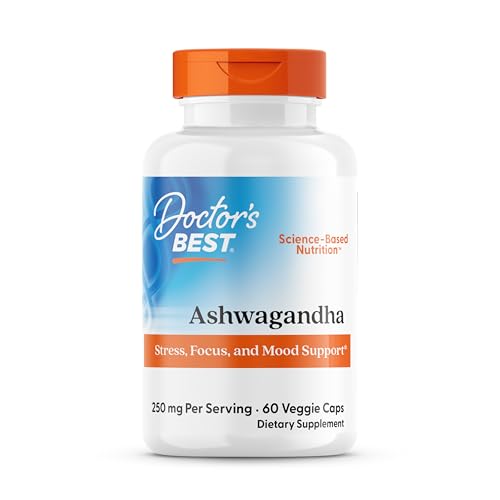
Ashwagandha (Withania somnifera): traditionally used for stress resilience; modern studies indicate potential benefits for sleep, perceived stress, and mild anxiety. See our evidence-focused review: Ashwagandha Benefits: Evidence-Based Guide for Stress, Sleep & More (/articles/ashwagandha-benefits-evidence-based-guide).
Turmeric/Curcumin (Curcuma longa): traditionally used for digestion and joints; research suggests curcumin modulates inflammatory pathways (e.g., NF-κB). Learn more: Turmeric (Curcumin) (/supplements/turmeric-curcumin).
Tulsi/Holy Basil, Triphala, Boswellia, and others are also widely used; evidence varies.
Abhyanga: warm oil self-massage to calm the nervous system and support skin and circulation.
Shirodhara: steady stream of oil on the forehead (practitioner-administered) for deep relaxation.
Kati basti and other localized oil therapies for the back or joints are used in clinical practice.
Panchakarma (Detoxification Therapies)
A set of supervised cleansing procedures traditionally including therapeutic emesis (vamana), purgation (virechana), enema (basti), nasal therapy (nasya), and bloodletting (raktamokshana). In modern wellness centers, “panchakarma” may refer to gentler preparatory measures (snehana—oiling, and swedana—sweating) without the full classical interventions. These procedures should be tailored and medically supervised; not all are appropriate for all people.
What the Research Says: Evidence and Gaps
Evidence quality in Ayurveda ranges from strong for some specific components to emerging or traditional for others. Highlights below are based on the current literature; classifications reflect typical standards (strong: multiple RCTs/meta-analyses; moderate: limited RCTs/observational; emerging: preliminary/animal; traditional: historical use without modern clinical trials).
Herbs
Curcumin for osteoarthritis pain: moderate evidence from multiple RCTs and meta-analyses suggests small-to-moderate improvements in pain and function compared with placebo, sometimes comparable to NSAIDs with fewer GI side effects. Mechanism: downregulates NF-κB and COX-2 signaling.
Ashwagandha for stress and sleep: moderate evidence from several RCTs indicates reduced perceived stress and modest improvements in sleep quality; effect sizes vary. Mechanisms may include HPA-axis modulation and GABA-mimetic activity via withanolides.
Boswellia for joint health: moderate evidence from RCTs suggests improvements in pain and function in osteoarthritis; boswellic acids inhibit 5-lipoxygenase and leukotriene synthesis.
Tulsi (holy basil) and Triphala: emerging to moderate evidence for stress modulation (Tulsi) and mild laxative and antioxidant effects (Triphala); more rigorous human trials are needed.
Diet and daily routine
Whole-food, minimally processed diets with regular mealtimes align with modern nutrition science supporting metabolic health (moderate evidence). Dosha-specific diet rules have limited direct clinical testing (emerging evidence).
Early time-restricted eating and circadian-aligned meals are associated with improved glycemic control and weight management in some studies (moderate evidence), echoing Ayurvedic emphasis on daytime digestion.
Oral care
Tongue scraping may reduce volatile sulfur compounds associated with bad breath (emerging to moderate evidence).
Oil pulling (e.g., sesame or coconut oil swishing) shows plaque and gingivitis reductions in small RCTs; effects can be comparable to chlorhexidine in the short term, but studies are small and heterogeneous (emerging evidence). Not a substitute for brushing/flossing.
Mind–body practices
Yoga and slow breathing improve stress, anxiety, and sleep in many trials (moderate evidence). These practices are shared across Ayurvedic and yogic traditions.
Panchakarma and specialized therapies
Limited, small studies report improvements in subjective well-being and some biomarkers after structured Ayurvedic programs, but designs often lack rigorous controls (emerging evidence). Classical panchakarma procedures require more high-quality trials to assess benefits and risks.
Where gaps remain: The dosha framework is not yet validated with standardized biomedical markers, and personalized doshic prescriptions lack large, well-controlled trials. Many classical formulations and procedures need modern dose-finding, safety, and efficacy studies.
For a deeper dive into safety and data quality, see: Ayurvedic Medicine: Origins, Principles, Uses, Safety & Evidence (/articles/ayurvedic-medicine-origins-principles-uses-safety-evidence).
How to Start Safely: Practical Self-Care and Finding a Practitioner
You don’t need to overhaul your life to explore Ayurveda. Start small, observe, and adjust.
Gentle, Evidence-Informed First Steps
Anchor your day: consistent sleep and wake times; aim for 7–9 hours of sleep.
Eat regular meals: favor warm, simply spiced, whole-food meals at consistent times; make lunch your heartiest meal if it suits your schedule.
Support digestion: sip ginger or cumin–coriander–fennel tea with meals if it agrees with you.
Move and breathe: 10–20 minutes of yoga or walking plus 5–10 minutes of slow breathing daily.
Try abhyanga: a brief, warm oil self-massage before showering a few times a week (sesame for most; consider coconut if you run hot). Patch-test first to avoid skin reactions.
Keep a log: track sleep, energy, digestion, and mood to see what helps.
For a beginner-friendly blueprint, visit: Ayurveda Explained: Principles, Doshas, Benefits & How to Start (/articles/ayurveda-explained-principles-doshas-benefits-how-to-start).
Choosing a Qualified Ayurvedic Practitioner
Training and credentials: In India, clinicians may hold a BAMS (Bachelor of Ayurvedic Medicine and Surgery). In North America, look for practitioners recognized by reputable professional bodies (e.g., National Ayurvedic Medical Association) and ask about formal training hours and supervised clinical experience.
Collaboration: Choose someone willing to coordinate with your primary care team, especially if you take prescription medications or have chronic conditions.
Safety practices: Ask how they screen for herb–drug interactions, monitor progress, and when they refer to conventional care.
Transparency: Prefer practitioners who set clear goals, timelines, and outcome measures and who welcome evidence-based discussion.
Risks, Contraindications, Herb–Drug Interactions, and When to Seek Medical Advice
Ayurveda can be practiced safely, but like all health systems it carries risks—especially with potent herbs and intensive procedures.
General Risks
Heavy metals in some products: Studies have found that a subset of Ayurvedic herbal–mineral preparations (especially those using traditional rasa shastra methods) may contain lead, mercury, or arsenic. Independent analyses have reported contamination in a proportion of products sold online. Choose brands with third-party testing (e.g., USP, NSF) and avoid metal-containing formulas unless prescribed by a qualified clinician and closely monitored.
Procedure-related risks: Panchakarma and nasya can be uncomfortable or risky if done improperly. These should be tailored and supervised by trained professionals; bloodletting is rarely appropriate in modern settings.
Delayed care: Using Ayurveda as a substitute for needed medical evaluation can worsen outcomes. Integrative, not exclusive, use is key.
Who Should Use Extra Caution
Pregnancy and breastfeeding: Many herbs and intensive therapies are contraindicated.
Children, older adults, and those with chronic kidney or liver disease: Higher risk of adverse effects; dosing requires expertise.
Autoimmune disease or on immunosuppressive therapy: Some botanicals may stimulate immune activity.
Upcoming surgery or on anticoagulants/antiplatelets: Herbs like turmeric/curcumin may have mild antiplatelet effects; disclose all supplements to your surgical team.
Common Herb–Drug Interaction Considerations
Evidence quality varies; always consult your clinician.
Ashwagandha: May potentiate thyroid activity; case reports of thyrotoxicosis exist. Use caution with thyroid medications and sedatives.
Turmeric/curcumin: Mild antiplatelet effects; theoretical interaction with anticoagulants/antiplatelets; may affect gallbladder disease symptoms.
Boswellia: Theoretically additive effects with anti-inflammatories; monitor for GI upset.
Guggul (Commiphora mukul): May induce drug-metabolizing enzymes and interact with statins or thyroid meds; use only under supervision.
Tulsi (holy basil): May lower blood sugar; use caution with diabetes medications.
Triphala: Laxative effect; may alter absorption of oral drugs if taken simultaneously.
Seek immediate medical advice for chest pain, severe abdominal pain, neurologic symptoms, high fever, uncontrolled bleeding, or any rapidly worsening condition.
Practical Takeaways
Ayurveda is a holistic health system emphasizing personalized balance. Many practices—regular routine, whole-food diet, mindful movement and breath—are broadly supportive.
Research is strongest for select herbs (e.g., curcumin for osteoarthritis; ashwagandha for stress/sleep) and mind–body practices; evidence for dosha-based personalization and intensive procedures is emerging.
Start gently with routine, diet, movement, and stress care. If considering herbs or panchakarma, work with a qualified practitioner and coordinate with your medical team.
Prioritize safety: choose third-party tested products, review medications for interactions, and avoid metal-containing preparations unless medically supervised.
For a research-focused orientation to benefits and safety, visit: Ayurvedic Medicine: Origins, Principles, Uses, Safety & Evidence (/articles/ayurvedic-medicine-origins-principles-uses-safety-evidence). Curious about a popular adaptogen? Explore Ashwagandha Benefits: Evidence-Based Guide for Stress, Sleep & More (/articles/ashwagandha-benefits-evidence-based-guide). For joint and inflammation support insights, see Turmeric (Curcumin) (/supplements/turmeric-curcumin).
FAQ and Trusted Resources
Is Ayurveda a religion? No. It’s a medical and lifestyle system. Many practitioners have spiritual practices, but Ayurveda itself is not a religion.
Can Ayurveda work with modern medicine? Yes—integrative care is common. Keep all clinicians informed about herbs and therapies you use.
How long until I notice benefits? Routine and dietary changes may help within days to weeks; structural or chronic issues can take longer.
Do I need panchakarma? Not usually. Many people benefit from basic lifestyle and gentle therapies first.
Are doshas “real”? Doshas are a traditional, functional framework. While some correlations with modern physiology are proposed, standardized biomarkers are not yet established.
Are Ayurvedic herbs vegetarian/vegan? Many are plant-based; some classical formulas include ghee, honey, or mineral components. Check labels.
Will insurance cover Ayurveda? Coverage varies by region and plan; many services are self-pay.
Trusted resources to learn more (no endorsement implied):
National Institutes of Health, National Center for Complementary and Integrative Health (NCCIH)
World Health Organization (WHO), Traditional Medicine resources
Ministry of AYUSH (India)
Reputable professional organizations (e.g., National Ayurvedic Medical Association)
Cochrane Library and peer-reviewed journals for evidence reviews
Disclaimer
This article is for educational purposes and is not a substitute for professional medical advice, diagnosis, or treatment. Always talk with your healthcare provider before starting new herbs, therapies, or major lifestyle changes—especially if you are pregnant, breastfeeding, have chronic conditions, or take medications.
This content is for informational purposes only and does not constitute medical advice. Always consult a qualified healthcare provider before starting, stopping, or changing any supplement or medication regimen.
If you’re curious about ayurvedic medicine—what it is, how it works, where it helps, and where evidence is limited—this guide brings together both traditional teachings and modern research. Ayurvedic
If you’re curious about Ayurveda—what it is, how doshas work, and whether it can help you feel more balanced—you’re not alone. Ayurveda is an ancient health system that’s seeing renewed interest for s
Ayurveda. . ## Ayurveda: An Overview
**Ayurveda** is a traditional medical system that originated in South Asia, with roots extending back more than two millennia. The term is commonly translated as **"the knowledge of life"** and reflects a broad, whole-person framework that considers health to arise from the
Ayurvedic Oils for Massage Therapy: Types, Benefits, Dosha‑Based Picks, and How to Use Them. If you’re curious about ayurvedic oils for massage therapy—what to choose, how they work, and whether any of this is evidence‑based—you’re not alone. In Ayurveda, massage (abhyanga) with warm oil is both daily self‑care and targeted therapy. This guide explains the oils, when to use them, what resea
How Ayurveda Treats Hormonal Imbalances: An Evidence‑Aware Guide to Dosha‑Based Care, Herbs, and Lifestyle. Many people search for how Ayurveda treats hormonal imbalances when facing irregular cycles, PMS, hot flashes, thyroid complaints, or stress‑related fatigue. Ayurveda offers a whole‑person framework that connects digestion, sleep, stress, and daily rhythm to hormone health. Modern research is beginn
Ayurvedic Diet. Dosha Diet, Balancing Diet. ## Overview
**Ayurvedic diet** refers to a traditional eating framework rooted in **Ayurveda**, the classical medical system of India that has been practiced for thousands of years. Rather than focusing only on calories, macronutrients, or disease-specific restrictions, this approach emphasizes **i