

Ayurvedic Diet
Also known as: Dosha Diet, Balancing Diet
Overview
Ayurvedic diet refers to a traditional eating framework rooted in Ayurveda, the classical medical system of India that has been practiced for thousands of years. Rather than focusing only on calories, macronutrients, or disease-specific restrictions, this approach emphasizes individual constitution, digestive capacity, season, age, daily routine, and mental-emotional state. Foods are often understood through qualities such as hot/cold, heavy/light, dry/oily, as well as the six tastes described in Ayurvedic theory: sweet, sour, salty, bitter, pungent, and astringent. The core idea is that food can support overall balance when matched to a person’s needs and current state.
A central concept in Ayurvedic nutrition is the dosha system—Vata, Pitta, and Kapha—which represents patterns of physiological and psychological tendencies. In traditional practice, people may be described as having a dominant dosha or a combination of doshas, and food choices are adjusted accordingly. For example, warming and grounding meals may be traditionally associated with balancing Vata, cooling foods with balancing Pitta, and lighter, drier foods with balancing Kapha. Ayurvedic dietary guidance also commonly includes attention to meal timing, mindful eating, food combining, freshness, digestive strength (agni), and seasonal adaptation.
In modern wellness culture, the Ayurvedic diet has gained interest as a holistic, personalized dietary pattern, especially among people seeking approaches that integrate digestion, lifestyle, and body awareness. Some of its practical themes—such as eating more whole foods, emphasizing spices, reducing highly processed foods, and maintaining regular meal rhythms—overlap with broader nutrition principles. At the same time, many classical Ayurvedic concepts do not map directly onto modern biomedical categories, which makes the diet both culturally rich and scientifically challenging to study.
From a health-content perspective, Ayurvedic diet is best understood as a traditional whole-system framework rather than a single standardized meal plan. Research on individual components—such as spices, meal regularity, plant-forward eating, and mindfulness around meals—continues to develop, but the evidence base for dosha-based personalization itself remains limited. People considering significant dietary changes often benefit from discussing them with qualified healthcare professionals, especially when chronic conditions, pregnancy, eating disorders, or medically necessary diets are involved.
Medical Perspectives
Two Ways of Seeing Health

Western
scientific · clinical
Western medicine applies science, technology, and clinical experience to treat symptoms through testing, diagnosis, and targeted intervention.

Eastern
traditional · alternative
Eastern medicine focuses on treating the body naturally by applying traditional knowledge practiced for thousands of years, emphasizing balance and whole-person wellness.
Gold Bamboo presents both perspectives side-by-side so you can make informed decisions. We don't advocate for one over the other — your health choices are yours.
Western Medicine Perspective
Western Medicine Perspective
From a conventional nutrition and medical standpoint, the Ayurvedic diet is not typically recognized as a standardized clinical diet in the way that Mediterranean, DASH, renal, or low-FODMAP diets may be. Western medicine generally evaluates dietary patterns based on measurable outcomes such as cardiometabolic health, gastrointestinal symptoms, body composition, nutrient adequacy, inflammation markers, and quality of life. In that framework, some elements often associated with Ayurvedic eating—greater use of minimally processed foods, plant-forward meals, culinary spices, regular eating patterns, and mindful eating behaviors—align with health-promoting habits supported by broader nutrition research.
Studies on related practices suggest that eating patterns rich in vegetables, legumes, whole grains, herbs, and spices may support overall health, while regular mealtimes and reduced intake of ultra-processed foods may be associated with better metabolic outcomes. Research also indicates that mindful eating may help some individuals with eating behaviors, stress-related eating, and digestive awareness. However, the specifically Ayurvedic ideas of dosha classification, food energetics, and traditional food-combining rules have not been extensively validated by high-quality biomedical research, and they are not routinely used in conventional diagnosis or treatment.
Western clinicians may also consider potential limitations. Depending on interpretation, some versions of Ayurvedic dieting can become overly restrictive, which may create risks related to nutrient imbalance, inadequate protein intake, or disordered eating patterns in susceptible individuals. In addition, commercial Ayurvedic products or detox-related regimens may vary widely in quality. Conventional care generally emphasizes personalized nutrition based on medical history, laboratory findings, allergies, medications, and established dietary needs, while recognizing that cultural dietary traditions can be meaningful and beneficial when practiced safely and with adequate nutritional balance.
Eastern & Traditional Perspective
Eastern/Traditional Medicine Perspective
In Ayurveda, diet is regarded as one of the primary tools for maintaining health and supporting harmony between body, mind, and environment. Classical Ayurvedic texts describe food as deeply connected to agni (digestive and metabolic capacity), ama (a concept often translated as toxic or undigested residue), prakriti (inherent constitution), and vikriti (current imbalance). Rather than asking only whether a food is generally healthy, Ayurvedic nutrition asks whether it is suitable for a particular person at a particular time. Freshly prepared meals, attention to digestion, and eating in a calm setting are commonly emphasized.
The doshas play a central role in dietary interpretation. Vata is traditionally associated with movement, dryness, and cold qualities; Pitta with heat and transformation; and Kapha with stability, heaviness, and moisture. Foods are selected to counter excess qualities—for instance, warming and moist foods may be traditionally used for Vata patterns, cooling and less spicy foods for Pitta patterns, and lighter, stimulating foods for Kapha patterns. Seasonal eating is also important: different foods and preparations may be favored during cold, hot, damp, or dry times of year to maintain equilibrium.
Other traditional systems share overlapping ideas, though they use different language. Traditional Chinese Medicine also evaluates food by energetic qualities such as warming, cooling, dampening, or drying, while naturopathic traditions often emphasize whole foods, digestion, constitutional tendencies, and the body’s self-regulatory capacity. Ayurveda’s distinctive feature is its highly individualized dietary philosophy, which sees food not merely as fuel, but as part of a broader therapeutic lifestyle that includes sleep, daily routine, sensory regulation, herbs, and mental balance. In traditional practice, dietary planning is often contextual and personalized rather than fixed.
Because these systems operate within different philosophical models than biomedicine, not all concepts have direct scientific equivalents. Even so, their enduring use reflects a long history of observational practice, cultural continuity, and emphasis on individualized care. Contemporary integrative medicine sometimes engages with Ayurvedic dietary principles as part of a broader lifestyle conversation, while encouraging coordination with qualified healthcare providers and attention to nutritional adequacy.
Supplements & Products
Recommended Products
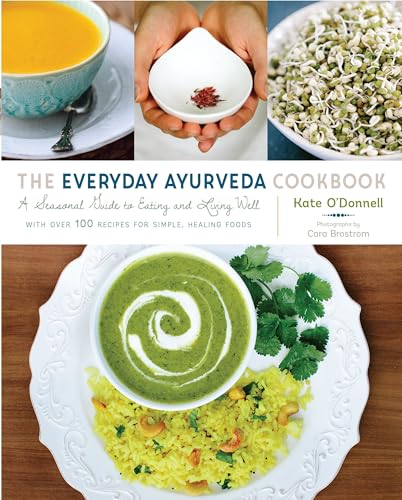
The Everyday Ayurveda Cookbook: A Seasonal Guide to Eating and Living Well: O'Donnell, Kate, Brostrom, Cara
The Everyday Ayurveda Cookbook: <strong>A Seasonal Guide to Eating and Living Well</strong> [O'Donnell, Kate, Brostrom, Cara] on Amazon.com. *FREE* shipping on qualifying offers. The Everyday Ayu

Banyan Botanicals Organic CCF Tea–Cumin Coriander Fennel–Bloating Relief & Digestive Support–Natural Detox Tea–Caffeine-Free Loose Leaf Tea– ½ lb Bulk (90 Servings)– USDA Organic*
Amazon.com : Banyan Botanicals Organic CCF Tea–Cumin Coriander Fennel–Bloating Relief & Digestive Support–Natural Detox Tea–Caffeine-Free Loose Leaf Tea– ½ lb Bulk (90 Servings)– USDA Organic* : G

Banyan Botanicals Kitchari Kit – Organic Yellow Mung Dal, Basmati Rice, Kitchari Spice Mix & Ghee to Make Kitchari – for Ayurvedic Cleanses & Digestive Resets – Non GMO Sustainably Sourced Vegetarian
Buy Banyan Botanicals Kitchari Kit – <strong>Organic Yellow Mung Dal, Basmati Rice, Kitchari Spice Mix & Ghee to Make Kitchari</strong> – for Ayurvedic Cleanses & Digestive Resets – Non GMO Su
Evidence & Sources
Early-stage research, mostly preclinical or preliminary human studies
- National Center for Complementary and Integrative Health (NCCIH)
- World Health Organization (WHO) Traditional, Complementary and Integrative Medicine resources
- Journal of Ethnopharmacology
- BMC Complementary Medicine and Therapies
- Journal of Alternative and Complementary Medicine
- Frontiers in Nutrition
- Nutrients
- International Journal of Yoga
This content is for informational purposes only and does not constitute medical advice. Always consult a qualified healthcare provider before starting, stopping, or changing any supplement or medication regimen.