Ayurvedic Oils for Massage Therapy: Types, Benefits, Dosha‑Based Picks, and How to Use Them
Curious about ayurvedic oils for massage therapy? Learn which oils fit your dosha, the evidence behind benefits, safety tips, and step‑by‑step use at home.
·11 min read
This content is for informational purposes only and does not constitute medical advice. Always consult a qualified healthcare provider before starting, stopping, or changing any supplement or medication regimen.
If you’re curious about ayurvedic oils for massage therapy—what to choose, how they work, and whether any of this is evidence‑based—you’re not alone. In Ayurveda, massage (abhyanga) with warm oil is both daily self‑care and targeted therapy. This guide explains the oils, when to use them, what research suggests, and how to stay safe.
Ayurvedic Oils for Massage Therapy: Core Principles
Ayurveda is a holistic system from India that balances the three doshas—Vata (air/space), Pitta (fire/water), and Kapha (earth/water). Each person has a unique constitution (prakriti) and current imbalance (vikriti). Oils are chosen to counter the dominant qualities of an imbalance—for example, warming and unctuous oils to calm Vata’s dryness and cold.
Medicated herbal oils (taila/tailam) infuse a base oil with decoctions of specific plants to target concerns like pain, stiffness, or nervous‑system overactivity.
Abhyanga aims to:
Lubricate and strengthen skin and superficial tissues
Carrier/base oils: sesame, coconut, almond, mustard, castor (and others like sunflower or ghee). These vary in heaviness, warmth, and comedogenicity (likelihood to clog pores).
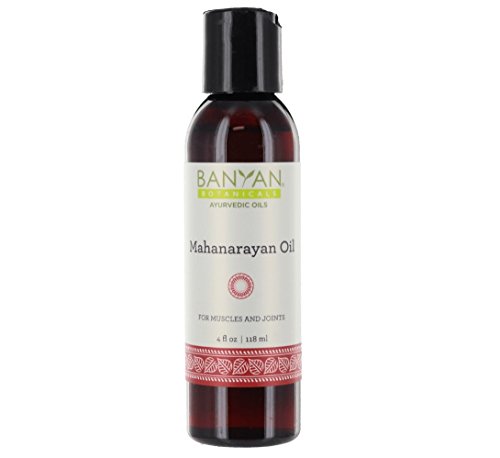
Medicated oils (taila): classical formulas such as Mahanarayana, Dhanwantharam, and Ksheerabala, prepared by cooking herbs into a base oil—most commonly sesame—along with herbal pastes and decoctions. They’re typically used warmed, in small amounts, to specific regions or full body depending on need.
Traditionally used for longevity (rasayana), daily abhyanga is said to nourish tissues (dhatus), steady the mind, and protect against environmental stressors. From a modern lens, slow rhythmic touch with warm oil likely engages parasympathetic pathways (rest‑and‑digest), supports the skin barrier, and provides heat‑mediated muscle relaxation.
Profiles of Key Oils and Medicated Formulas
Below are widely used ayurvedic oils for massage therapy, their traditional properties, dosha affinities, and primary indications. Evidence levels reflect modern data when available.
Sesame oil (Tila taila)
Qualities: Heavy, warming, deeply unctuous; penetrates well
Dosha affinity: Especially balancing for Vata; generally tri‑dosha friendly in cooler/drier climates
Primary uses: Dryness, stiffness, cold muscles/joints, nervous‑system support; common base for medicated oils
Evidence: Moderate for skin moisturization and barrier support; emerging for stress modulation via massage
Vata (dry, cold, variable, tension): Warm sesame or almond; medicated options like Mahanarayana or Ksheerabala. Favor full‑body abhyanga 4–6 days/week in cooler months.
Pitta (hot, irritable, inflamed): Coconut or light almond, room‑temp to mildly warm; Brahmi/Bhringraj for scalp/feet at night; avoid very hot oils and vigorous friction.
Kapha (cool, heavy, sluggish, damp): Mustard (diluted) or warmed sesame with stimulating strokes; consider dry powder massage (udvartana) if very oily skin.
Practical picks for common complaints
Arthritis or muscle pain/stiffness: Mahanarayana Taila or Dhanwantharam Tailam on affected areas once or twice daily; warm compress after application. For a modern anti‑inflammatory overview that can complement topical strategies, see our guide to Herbal Treatments for Inflammation.
Insomnia, anxiety, or “wired and tired”: Ksheerabala Taila to soles of feet, ears’ outer rims, and scalp before bed; or warm sesame with a few drops of Brahmi/Bhringraj oil to the scalp. Slow, rhythmic strokes down the limbs and across abdomen clockwise.
Dry, rough, or tight skin: Warm sesame (cool climates) or coconut (hot climates). Daily self‑massage before a warm shower can support the skin barrier and comfort.
Oily or acne‑prone skin: Use lighter application, avoid comedogenic areas (mid‑face, back) or choose partial abhyanga (limbs only). Consider alternating with dry brushing or udvartana.
Infant massage: Use edible‑grade, cold‑pressed coconut or sesame oil depending on climate; avoid mustard oil and essential oils. Patch test and apply minimal amounts. Stop if any redness or rash develops.
Contraindications and precautions
Avoid abhyanga during fever, acute infection, immediately after heavy meals, over open wounds, or on active rashes/dermatitis without guidance.
Pregnancy: Gentle oiling can be soothing, but avoid deep pressure, strong essential oils, and unfamiliar medicated oils unless advised by a qualified practitioner.
Allergies: Nut and sesame allergies are relevant—patch test new oils on the inner forearm for 24 hours.
Sensitive skin/rosacea: Prefer coconut or a diluted medicated oil; avoid vigorous friction and very hot oil.
Essential oils: Many medicated oils contain aromatic components (e.g., camphor). Those with fragrance sensitivities should choose plain carrier oils or clearly labeled fragrance‑free options.
Evidence for ayurvedic oils for massage therapy spans from strong dermatologic findings for certain base oils to emerging data for abhyanga’s systemic effects.
Skin barrier and moisturization (moderate evidence): Virgin coconut oil and some plant oils improve hydration and reduce transepidermal water loss in small human trials, sometimes matching or outperforming mineral oil as emollients. Sesame and almond oils are widely used; modern clinical data are less robust but support emollient, antioxidant properties.
Infant massage (moderate evidence with caveats): Massage with edible plant oils (e.g., coconut, sunflower) has been associated with improved weight gain, thermoregulation, and bonding in some studies. However, mustard oil has been linked to skin irritation and potential barrier disruption in neonates—hence the modern caution to avoid it for babies.
Stress, sleep, and autonomic tone (emerging evidence): Pilot studies on oil massage and self‑abhyanga suggest improvements in perceived stress, sleep quality, and heart‑rate variability, likely through parasympathetic activation. Larger, well‑controlled trials are still needed.
Musculoskeletal pain (emerging evidence): Small clinical studies and pragmatic trials of medicated oils (e.g., Mahanarayana, Dhanwantharam) report reductions in pain and stiffness in osteoarthritis and nonspecific back/neck pain. Heterogeneous formulations and study designs limit firm conclusions.
Overall evidence level: moderate for skin hydration and infant massage with appropriate oils; emerging for pain and systemic relaxation effects; traditional for many formula‑specific claims.
Safety, Quality, and Sourcing
Safety and potential interactions
Topical risks: Irritant or allergic contact dermatitis; higher risk with mustard oil, fragrances, and essential‑oil‑heavy medicated formulas. Patch test every new oil.
Medication interactions: Systemic absorption from topical oil massage is typically low. Still, if a medicated oil lists salicylate‑containing plants (e.g., wintergreen) or strong aromatics (e.g., high camphor), avoid large‑area applications when on anticoagulants or if you have salicylate sensitivity.
Dermatology: Acne‑prone users should avoid heavy oils on the face/back and launder oil‑soaked fabrics to prevent folliculitis.
Slips/falls and burns: Warm oil is soothing but can be hazardous if overheated. Use caution on bathroom floors and test temperature on the wrist.
Quality checklist
Choose cold‑pressed, unrefined, food‑grade base oils where possible; edible grade often implies tighter quality controls.
For medicated oils, buy from reputable makers who list Latin names of herbs, base oil, batch number, and ideally provide a Certificate of Analysis (microbial and heavy metals screening).
Packaging: Dark glass helps slow oxidation. Avoid plastic if you plan to warm oil.
Storage: Cool, dark cabinet; recap tightly. Discard if rancid smell develops. Typical shelf life: 6–12 months for unrefined sesame/almond; virgin coconut often longer due to saturated fats.
Purity: Beware of added synthetic fragrance or mineral oil unless clearly labeled and desired.
Pick your oil: Start with plain sesame (Vata), coconut (Pitta), or a blend (Kapha may add a small amount of mustard to sesame). New to medicated oils? Try them on small areas first.
Warm gently: Place your oil bottle in a mug of hot water for 5–10 minutes. Oil should feel cozy‑warm, never hot.
Prepare your space: Warm room, towel you don’t mind staining, non‑slip bath mat. Many people find a simple Massage Oil Warmer helpful for consistent temperature.
Apply from head to toe (10–20 minutes):
Scalp: A teaspoon of oil with gentle circular motions (optional, especially at night).
Ears/feet: A few drops to the outer ear and soles can be especially calming.
Limbs: Long strokes toward the heart; joints get circular motions.
Abdomen: Clockwise circles (follow colon’s path) to support digestion.
Sit and soak: Rest 5–15 minutes to allow absorption. A warm shower after helps remove excess oil without stripping skin.
Frequency: 3–6 times/week for dryness or stress; 1–3 times/week for maintenance. Use smaller amounts daily on hands/feet if time is limited.
Tools and simple upgrades:
A soft, dedicated cotton robe or towel keeps you warm while the oil absorbs.
For head massage days, a washable head wrap or shower cap protects bedding.
If you’re adding scalp care, some users like Brahmi Scalp Oil or a traditional Copper Kansu Foot Bowl for evening foot massage—options to consider if they fit your routine and preferences.
Practical Takeaways
Match oil to climate and constitution: Sesame for cold/dry, coconut for hot/irritated, mustard (diluted) for sluggish/cool, and medicated oils for targeted needs.
Start simple: Plain, high‑quality base oils are often enough. Add medicated oils selectively once you know your skin tolerates them.
Be evidence‑aware: Moisturization and infant massage benefits are fairly well supported; pain and stress benefits are promising but still emerging.
Safety first: Patch test, avoid mustard in infants and sensitive skin, and skip massage during fever or over open skin.
Personalize with guidance: If symptoms persist or you have complex health concerns, consult an Ayurvedic practitioner or your healthcare provider.
Disclaimer: This information is for educational purposes and should not replace personalized medical advice. Always consult a qualified healthcare professional for diagnosis and treatment, especially if you have underlying conditions, are pregnant, or are considering medicated oils alongside prescriptions.
This content is for informational purposes only and does not constitute medical advice. Always consult a qualified healthcare provider before starting, stopping, or changing any supplement or medication regimen.
Benefits of Ayurvedic Massage (Abhyanga): Traditional Uses, Evidence‑Based Effects, Oils, and Safety. Many readers ask about the benefits of Ayurvedic massage therapy: Can Abhyanga really help with stress, pain, and sleep? Research suggests massage in general supports relaxation, pain relief, and mood, while Abhyanga adds Ayurveda’s oil‑based, rhythmical approach intended to balance the body’s energ
Abhyanga. Ayurvedic Oil Massage, Abhyanga Massage, Self Oil Massage. ## Overview
**Abhyanga** is a traditional Ayurvedic oil massage practice in which the body is anointed with warm oil—often plain sesame, coconut, or medicated herbal oils—and massaged with rhythmic, directional strokes. In classical Ayurveda, it is described as part of **daily self-care (dinacharya
If you’re curious about Ayurveda—what it is, how doshas work, and whether it can help you feel more balanced—you’re not alone. Ayurveda is an ancient health system that’s seeing renewed interest for s
Healing Properties of Essential Oils: Uses, Evidence, Safety & How to Use Them. If you’re curious about the healing properties of essential oils, you’re not alone. Aromatherapy has surged in popularity for stress, sleep, skin, and respiratory support. Research suggests some essential oils can help with specific symptoms—while many broader claims remain unproven. This guide expl
If you’re curious about ayurvedic medicine—what it is, how it works, where it helps, and where evidence is limited—this guide brings together both traditional teachings and modern research. Ayurvedic
What Is Ayurveda? An Evidence-Based Guide to Principles & Practices. If you’ve ever wondered “what is Ayurveda?” you’re not alone. Interest in this ancient healing system is rising worldwide, yet clear, evidence-informed explanations can be hard to find. This guide bridges traditional Ayurvedic wisdom with modern research so you can appreciate its philosophy, know wh