Healing Properties of Essential Oils: Uses, Evidence, Safety & How to Use Them
Curious about the healing properties of essential oils? Learn what research supports, how to use them safely, dilution, top picks, and when to see a clinician.
·10 min read
This content is for informational purposes only and does not constitute medical advice. Always consult a qualified healthcare provider before starting, stopping, or changing any supplement or medication regimen.
If you’re curious about the healing properties of essential oils, you’re not alone. Aromatherapy has surged in popularity for stress, sleep, skin, and respiratory support. Research suggests some essential oils can help with specific symptoms—while many broader claims remain unproven. This guide explains how essential oils work, what the science says about the most popular oils, how to use them safely, and where they fit alongside conventional care.
What Are Essential Oils—and How Might They Work?
Essential oils are concentrated, volatile plant extracts typically obtained by steam distillation or cold pressing. Their therapeutic actions are largely due to aromatic compounds such as:
Terpenes (e.g., limonene, pinene): Often antimicrobial; pinene may support airway openness; limonene is linked with mood-brightening aromas
Terpenoids like alcohols and oxides (e.g., linalool, linalyl acetate, 1,8‑cineole): Linalool/linalyl acetate in lavender are associated with calming, possibly through GABAergic signaling; 1,8‑cineole (eucalyptus) may ease the perception of congestion and has anti‑inflammatory activity in lab studies
Phenols (e.g., thymol, carvacrol, eugenol): Strongly antimicrobial but more irritating to skin
Esters (e.g., linalyl acetate in lavender, isobutyl angelate in Roman chamomile): Often calming, antispasmodic
Aldehydes and ketones (e.g., citral, camphor): Potent aromas with antimicrobial or stimulating effects; several are skin irritants at higher concentrations
Key modes of action:
Olfactory/neurochemical: Inhaled aromas activate the olfactory system and limbic structures that regulate mood, vigilance, and autonomic tone. Studies indicate lavender and citrus scents can modestly reduce state anxiety and improve perceived sleep quality in some settings.
Topical absorption: Lipophilic molecules penetrate skin, reaching local tissues; menthol (peppermint) activates TRPM8 receptors for a cooling, analgesic sensation.
Antimicrobial/anti‑inflammatory: In vitro, many oils disrupt microbial membranes or quorum sensing; some modulate inflammatory pathways (e.g., NF‑κB) in cell models. Clinical translation varies by oil and condition.
Realistic limits: Essential oils are not cures for infections, chronic diseases, or cancer. Evidence is strongest for symptom relief—anxiety, tension‑type headache, functional digestive discomfort (enteric‑coated peppermint), mild acne, and perceived nasal congestion. Effects are typically modest and should complement—not replace—medical care when needed.
What the Research Says: Evidence‑Based Profiles of Major Oils
Evidence levels below reflect the overall quality of clinical data for a given use: strong (multiple RCTs/meta‑analyses), moderate (some RCTs/observational), emerging (preliminary/human pilot or animal), traditional (historical use, minimal modern trials).
Potential benefits: Reduced state anxiety, improved subjective sleep, mild analgesia when used in massage
Evidence: Moderate for anxiety/sleep via inhalation; strong for an oral lavender oil preparation (Silexan) in generalized anxiety studied in Europe; results don’t automatically apply to all lavender products
Notable findings: Meta‑analyses report small to moderate reductions in anxiety scores in various settings (dental, pre‑operative, postpartum) and slight improvements in sleep quality
Safety notes: May potentiate drowsiness with sedatives; rare skin irritation
Evidence: Strong for tension‑type headache with topical menthol formulations; strong for IBS symptom relief using enteric‑coated peppermint oil capsules; emerging for cognitive alertness
Notable findings: RCTs show 10% peppermint oil applied to temples/forehead can relieve headache intensity comparably to acetaminophen in some trials; multiple meta‑analyses support enteric‑coated peppermint for IBS
Safety notes: Can worsen GERD; avoid undiluted skin application near eyes; keep menthol products away from infants’ faces
Potential benefits: Acute mood brightening and reduced state anxiety in small trials; odor‑driven alertness
Evidence: Emerging to moderate depending on oil and setting (e.g., pre‑procedure anxiety)
Safety notes: Many expressed citrus oils are phototoxic on skin; avoid sun/UV exposure for 12–24 hours after application, or choose steam‑distilled/FCF versions
Potential benefits: Traditionally used for calm focus and spiritual practice; lab studies suggest anti‑inflammatory activity
Evidence: Clinical evidence for the essential oil is limited; stronger evidence exists for standardized Boswellia resin extracts (AKBA) for osteoarthritis and inflammatory conditions
Evidence level: Emerging (EO); Moderate (resin extracts—not the same as EO)
Chamomile
Roman chamomile (Chamaemelum nobile) essential oil: Calming, antispasmodic esters; small human studies suggest reduced anxiety and better sleep when inhaled (emerging–moderate)
German chamomile (Matricaria recutita) EO: Azulenes and bisabolol derivatives; soothing for irritated skin when properly diluted (emerging–moderate)
Safety: Possible cross‑reactivity if ragweed‑allergic; patch test first
Safety, Dilution, and Quality: Using Essential Oils Wisely
Essential oils are highly concentrated. Correct dilution, route, and product quality are essential for benefits and to minimize risks.
Routes of use
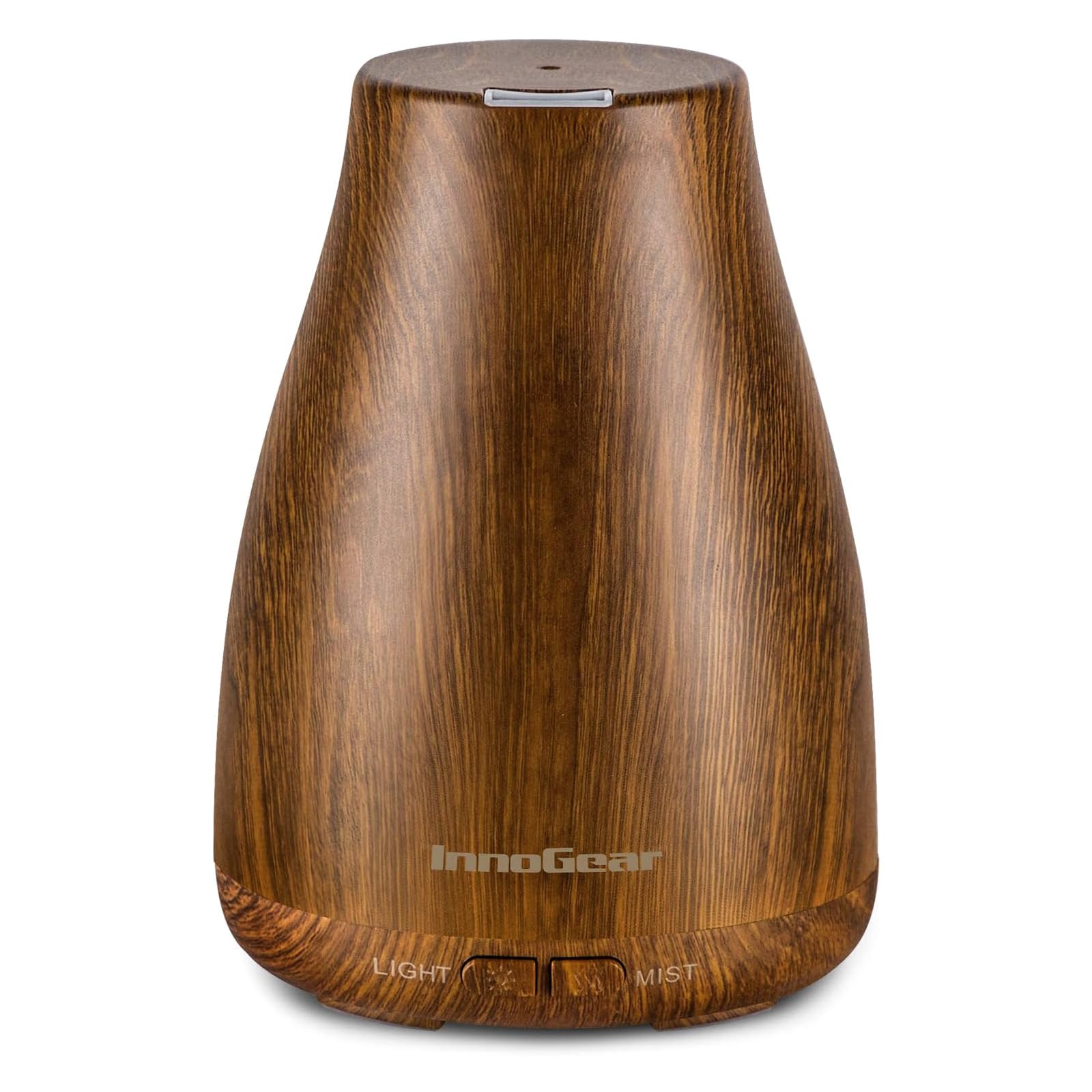
Diffusion/inhalation: Add 2–6 drops total to a water‑based ultrasonic diffuser for a medium room (30–60 minutes on, then off). For steam inhalation, 1–2 drops in a bowl of hot water, eyes closed; avoid with asthma or in children.
Topical: Always dilute in a carrier oil (e.g., jojoba, fractionated coconut, sweet almond). General adult guidelines: 1% for daily facial use or sensitive skin; 2–3% for body massage; up to 5–10% only for short‑term spot applications with non‑irritant oils. As a rule of thumb, 1% ≈ 6 drops per ounce (30 mL) of carrier.
Internal use: Ingestion of essential oils can pose risks (mucosal irritation, drug interactions, hepatotoxicity). It should only be considered under guidance from a qualified clinician trained in aromatherapy/phytotherapy. Note: some clinical evidence for peppermint or cineole uses enteric‑coated capsules specifically formulated for GI delivery; this is not the same as ingesting drops.
Infants under 3 months: Generally avoid essential oils; consider hydrosols instead
Children 3 months–2 years: Use only when necessary; 0.25–0.5% max; avoid menthol/1,8‑cineole near face
Children 2–6 years: 0.5–1% for limited areas
Pregnancy: Conservative use after first trimester; 0.5–1% for topical; avoid high‑risk oils (e.g., wintergreen/birch, sage [Salvia officinalis], hyssop, wormwood, tansy); clary sage is traditionally reserved for labor, not routine pregnancy
Breastfeeding: Aromas are generally acceptable with ventilation; avoid application on/near the breast
Older adults/fragile skin: Start at 0.5–1%
Common adverse effects and precautions
Skin irritation/sensitization: More likely with phenol‑, aldehyde‑, and oxidized oils (e.g., tea tree left uncapped). Patch test a 1–2% dilution on the inner forearm for 24 hours.
Photosensitivity: Expressed citrus oils (bergamot, lime, lemon) can cause burns/hyperpigmentation with sun exposure; either avoid UV for 12–24 hours or use steam‑distilled/FCF versions.
Respiratory triggers: Strong aromas (eucalyptus, peppermint, rosemary) may provoke symptoms in asthma/COPD; use cautiously.
Neurologic risk: High‑camphor or thujone‑rich oils may lower seizure threshold—avoid in epilepsy.
Drug interactions: Essential oils can affect liver enzymes and may interact with sedatives (lavender), anticoagulants (wintergreen/birch), and antacids/GERD meds if using peppermint orally. When in doubt, consult a pharmacist.
Product quality and adulteration
Look for full transparency: Latin binomial, plant part, chemotype (if relevant), country of origin, lot/batch number.
Testing: Reputable brands provide batch‑specific GC‑MS (gas chromatography–mass spectrometry) reports showing constituent ranges and checking for adulterants/solvents.
Purity claims: “Therapeutic grade” is a marketing term. Prefer companies with third‑party testing and clear sourcing.
Packaging: Dark glass with orifice reducer; store cool and dark; note shelf life (citrus oxidize faster than resins/woods).
Ethics and sustainability: Choose suppliers supporting fair trade and regenerative practices; some oils (e.g., certain sandalwoods, frankincense resins) face ecological pressure. Use the minimum effective amount.
The ideas below reflect commonly studied or traditionally used pairings. Adjust to your sensitivity, and check contraindications.
Anxiety and sleep support
Diffuser blend (evening): 2 drops lavender + 1 drop sweet orange + 1 drop Roman chamomile, 30–60 minutes before bed
Pillow/linen: 1 drop lavender on a cotton pad near the bed (not on skin)
Hand inhalation: 1 drop lavender rubbed between palms, cup over nose, 3–5 slow breaths during acute stress
Clinical context: Evidence suggests small to moderate reductions in state anxiety and modest improvements in sleep quality; combine with sleep hygiene (dark room, consistent schedule)
Headache and muscle tension
Topical roll‑on (headache): 10% peppermint in carrier applied lightly to temples and back of neck, keeping away from eyes; many people feel relief within 15–30 minutes in studies of tension‑type headaches
Massage blend (neck/shoulders): 2% peppermint + 1% lavender in carrier, applied to tight muscles
Combine with conventional care if headaches are frequent, severe, or new in onset; seek evaluation for red flags
Respiratory comfort (colds, stuffy feelings)
Diffuser (daytime): 1 drop eucalyptus (adult), 1 drop rosemary cineole chemotype, 1 drop lemon for a fresh aroma; run 30 minutes on/30 off in a ventilated room
Steam tent (adults only): 1 drop eucalyptus in hot water; breathe vapor with eyes closed for 5 minutes
Clinical context: Inhaled aromas may improve perceived airflow; standardized oral cineole has stronger data for bronchitis but should be guided by a clinician
Functional dyspepsia/IBS: Enteric‑coated peppermint oil capsules used in studies can reduce abdominal discomfort and bloating for some people. Discuss with your clinician, especially if you have reflux or take multiple medications. A quality Peppermint Oil Softgel designed for enteric delivery may be an option to consider.
Topical belly rub: 1% Roman chamomile + 1% peppermint gently massaged clockwise around the navel after meals (avoid during pregnancy; peppermint may not suit GERD)
Workday alertness: 1 drop rosemary + 1 drop peppermint on a desk diffuser; take movement breaks and hydrate for best effect
Gentle uplift: 2 drops sweet orange + 1 drop bergamot FCF in a diffuser for 20–30 minutes
Blending principles and dosing ranges
Keep it simple: 2–3 oils per blend often synergize better than complex mixes
Match chemistry to goals: Linalool/linalyl acetate (lavender) for calming; menthol (peppermint) for cooling/head tension; 1,8‑cineole (eucalyptus/rosemary CT cineole) for brisk respiratory aromas; terpinen‑4‑ol (tea tree) for skin purifying
Start low: Many effects plateau; more drops rarely mean better outcomes
Time your sessions: 20–60 minutes on, then equal time off allows receptor reset and avoids scent fatigue
When to combine with conventional care
Seek medical evaluation for severe, persistent, or worsening symptoms (e.g., high fever, chest pain, shortness of breath, neurologic deficits, infected wounds)
Use aromatherapy as adjunctive care alongside evidence‑based treatments for conditions like anxiety disorders, migraines, asthma, and chronic skin disease
If you take prescription drugs, are pregnant/breastfeeding, or have chronic illnesses, discuss essential oil use with your clinician or a pharmacist
Sustainability and ethical sourcing
High plant‑to‑oil ratios mean essential oils are resource‑intensive. Avoid overuse; choose companies that support fair wages and replanting programs.
Prefer species not under ecological pressure; consider hydrosols for gentler, lower‑footprint options when appropriate.
For those drawn to frankincense aromas but focused on joint health, note that clinical evidence centers on standardized resin extracts, not essential oil. Learn more here: Boswellia (Frankincense)
How to Use This Information
Anchor your choices in evidence: lavender for situational anxiety/sleep, peppermint (topical) for tension headache, tea tree for mild acne, and carefully considered citrus for mood.
Think integratively: combine aromatherapy with behavioral strategies (sleep hygiene, relaxation training), appropriate medications when indicated, and hands‑on therapies like massage.
Buy smart: choose brands with GC‑MS reports, clear taxonomy and sourcing, and responsible environmental practices.
This article is for educational purposes and should not replace personalized medical advice. If you’re unsure about a blend, dose, or potential interaction, consult a qualified healthcare professional or a clinical aromatherapist.
This content is for informational purposes only and does not constitute medical advice. Always consult a qualified healthcare provider before starting, stopping, or changing any supplement or medication regimen.
Essential Oils in Naturopathy: Uses, Evidence, Safety, and How Naturopaths Apply Aromatherapy. If you’re curious about essential oils in naturopathy—what they’re used for, how well they work, and whether they’re safe—you’re not alone. Many people turn to aromatherapy for stress, sleep, skin concerns, and respiratory comfort, but the evidence and safety nuances can be confusing. This guide exp
How Essential Oils Support Immunity: An Evidence‑Based Guide to Uses, Mechanisms, and Safety. If you’re wondering how essential oils support immunity, you’re not alone. Many people reach for eucalyptus, tea tree, or oregano oil during cold season hoping for extra protection. Research suggests certain oils can help with symptom relief, stress modulation, and reducing microbial load on surface
Anxiety and Essential Oils (Aromatherapy). Essential oils are highly concentrated plant extracts used in aromatherapy by inhalation or diluted topical application. Interest in their role for anxiety relief has grown, and a number of clinical studies suggest small-to-moderate benefits—especially for situational anxiety (for example, before me
Essential Oils. Aromatherapy, Essential Oils (Aromatherapy). ## Essential Oils (Aromatherapy): Overview
**Essential oils** are concentrated volatile plant extracts obtained from flowers, leaves, bark, roots, peels, and resins. In the context of **aromatherapy**, these oils are used primarily through inhalation, diffusion, or topical application in diluted fo
Aromatherapy. Essential Oil Therapy, Aroma Therapy. ## Overview
**Aromatherapy** is a complementary health modality that uses **essential oils** and other aromatic plant extracts to influence well-being through smell, topical application, and, in some traditions, environmental or ritual use. Essential oils are concentrated volatile compounds obtaine
Ayurvedic Oils for Massage Therapy: Types, Benefits, Dosha‑Based Picks, and How to Use Them. If you’re curious about ayurvedic oils for massage therapy—what to choose, how they work, and whether any of this is evidence‑based—you’re not alone. In Ayurveda, massage (abhyanga) with warm oil is both daily self‑care and targeted therapy. This guide explains the oils, when to use them, what resea