

Aromatherapy
Also known as: Essential Oil Therapy, Aroma Therapy
Overview
Aromatherapy is a complementary health modality that uses essential oils and other aromatic plant extracts to influence well-being through smell, topical application, and, in some traditions, environmental or ritual use. Essential oils are concentrated volatile compounds obtained from plants such as lavender, peppermint, eucalyptus, tea tree, chamomile, bergamot, and rose. People commonly explore aromatherapy for stress reduction, relaxation, sleep support, mood balance, and complementary symptom relief for concerns such as tension, mild headaches, nausea, or discomfort associated with illness or recovery.
From a biological standpoint, aromatherapy is often discussed in relation to the olfactory system and the way scent can influence the limbic system, autonomic nervous system activity, and emotional processing. In practical settings, aromatherapy may be delivered through diffusion, inhalation, massage oils, baths, compresses, or personal care products. Its appeal is closely tied to home-based wellness routines, spa therapies, integrative medicine programs, and palliative or supportive care environments where non-drug approaches may help create a sense of comfort.
Interest in aromatherapy spans both consumer wellness culture and clinical complementary care. Research suggests that certain aromas may modestly affect subjective stress, anxiety, sleep quality, nausea, and perceived comfort, although outcomes are often variable and depend on the oil used, the method of application, the setting, and the expectations of the participant. At the same time, essential oils are biologically active substances, and aromatherapy is not risk-free; skin irritation, allergic reactions, headaches, and interactions with underlying respiratory sensitivity can occur. Quality control is also an important issue because commercial products vary widely in purity, concentration, labeling, and adulteration.
Overall, aromatherapy is best understood as a supportive, non-pharmacologic modality rather than a stand-alone treatment for disease. Conventional and traditional systems alike often frame it as a way to influence the sensory and emotional environment, promote relaxation, and complement broader health practices. Consultation with a qualified healthcare professional is important when aromatherapy is being considered in the context of pregnancy, asthma, allergies, seizure disorders, complex medical conditions, or concurrent medical treatment.
Medical Perspectives
Two Ways of Seeing Health

Western
scientific · clinical
Western medicine applies science, technology, and clinical experience to treat symptoms through testing, diagnosis, and targeted intervention.

Eastern
traditional · alternative
Eastern medicine focuses on treating the body naturally by applying traditional knowledge practiced for thousands of years, emphasizing balance and whole-person wellness.
Gold Bamboo presents both perspectives side-by-side so you can make informed decisions. We don't advocate for one over the other — your health choices are yours.
Western Medicine Perspective
Western Medicine Perspective
In conventional medicine, aromatherapy is generally viewed as a complementary therapy rather than a primary medical intervention. Researchers have studied inhaled and topically applied essential oils for outcomes including anxiety, sleep disturbance, nausea, pain perception, and quality of life, especially in perioperative care, oncology support, hospice, and nursing settings. Some studies indicate that lavender, peppermint, ginger, and other commonly used oils may offer small to moderate short-term benefits for certain symptoms, particularly subjective anxiety or relaxation. However, the evidence is mixed, and many trials are limited by small sample sizes, inconsistent formulations, difficulty with blinding, and placebo effects related to scent preference and therapeutic context.
Mechanistically, western research has focused on several pathways. Inhaled aromas may affect mood and stress responses through olfactory-limbic signaling, while massage-based aromatherapy may combine scent effects with the well-documented relaxing effects of touch. Some essential oil constituents also show antimicrobial, anti-inflammatory, or antispasmodic activity in laboratory settings, but these findings do not automatically translate into clinical benefit. As a result, mainstream medicine tends to regard aromatherapy as potentially useful for comfort-oriented symptom support, while emphasizing that it does not replace evidence-based diagnosis or treatment for underlying disease.
Safety is a major part of the western medical discussion. Essential oils are highly concentrated substances and may cause contact dermatitis, skin sensitization, phototoxicity, eye irritation, or respiratory irritation. Certain oils have raised toxicology concerns when ingested or used improperly, and some may be inappropriate in infants, pregnancy, or in people with asthma, epilepsy, or fragrance sensitivity. Professional organizations and integrative care settings typically stress proper dilution, product quality, and careful screening for allergies or medication-related concerns. This is one reason aromatherapy is often incorporated cautiously within integrative medicine programs rather than treated as universally benign.
Eastern & Traditional Perspective
Eastern/Traditional Medicine Perspective
Traditional healing systems generally do not define aromatherapy exactly as modern consumer wellness culture does, but the use of fragrant plants, resins, oils, and smoke has deep roots across Traditional Chinese Medicine (TCM), Ayurveda, Unani, herbalism, naturopathy, and various ritual and folk medicine traditions. In these systems, aroma is often understood as more than scent alone; it may be associated with a plant's energetic qualities, its effect on circulation, emotional state, environmental atmosphere, and the balance of bodily functions.
In TCM, aromatic herbs have historically been used to transform dampness, awaken the spleen, open the orifices, move qi, and clear turbidity, depending on the herb and context. Fragrant substances may be used in formulas, topical liniments, sachets, baths, or incense-like preparations. The emphasis is usually on pattern-based interpretation rather than symptom suppression alone. For example, emotional stagnation, digestive heaviness, or environmental pathogenic influences might be conceptual frameworks through which aromatic substances are selected.
In Ayurveda, aromatic plants and oils are often understood through the lens of dosha balance, prana, mental clarity, and sensory nourishment. Fragrance may be used to support calm, grounding, upliftment, or purification depending on the plant's qualities and the individual's constitution. Oils may appear in massage, bathing, steam, and household ritual practices. Naturopathic traditions similarly use aromatics as part of a broader therapeutic philosophy that includes rest, stress reduction, hydrotherapy, botanical medicine, and lifestyle balance.
Across these traditions, aromatherapy is typically framed as a supportive modality influencing mind-body harmony and environment, rather than as an isolated intervention. Traditional use gives aromatherapy a long cultural history, but traditional use is not the same as modern clinical proof. Integrative interpretation increasingly seeks to respect these historical frameworks while also recognizing the need for contemporary safety standards, product testing, and consultation with trained practitioners when aromatics are used alongside medical care.
Supplements & Products
Recommended Products

Essential Oil Safety: A Guide for Health Care Professionals
He was privileged to receive a Lifetime Achievement Award from the AIA in Denver in 2007, and in 2014 he co-authored the second edition of Essential Oil Safety, which has <strong>helped set industry s
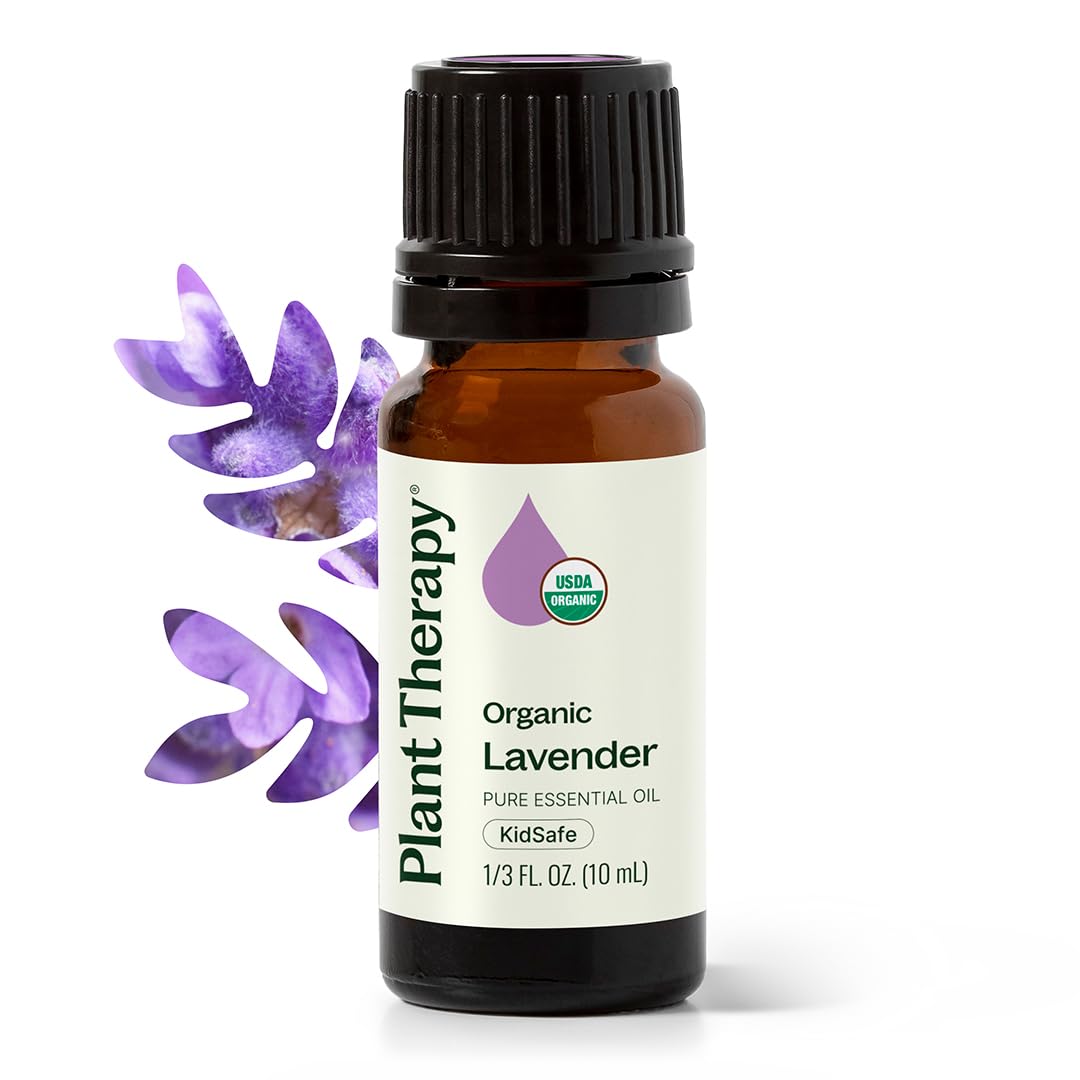
Plant Therapy Organic Lavender Essential Oil 100% Pure, USDA Certified Organic, Undiluted, Natural Aromatherapy, Therapeutic Grade 10 mL (1/3 oz)
Amazon.com: Plant Therapy Organic Lavender Essential Oil 100% Pure, <strong>USDA Certified Organic</strong>, Undiluted, Natural Aromatherapy, Therapeutic Grade 10 mL (1/3 oz) : Health & Household

Vitruvi Stone Diffuser, Ceramic Ultrasonic Essential Oil Diffuser for Aromatherapy | Ceramic Diffuser, Diffusers for Home, Oil Diffuser, Housewarming Gift, Original Diffuser | White, 90ml Capacity
Buy <strong>Vitruvi Stone Diffuser</strong>, Ceramic Ultrasonic Essential Oil Diffuser for Aromatherapy | Ceramic Diffuser, Diffusers for Home, Oil Diffuser, Housewarming Gift, Original Diffuser | Whi
Evidence & Sources
Promising research with growing clinical support from multiple studies
- National Center for Complementary and Integrative Health (NCCIH)
- World Health Organization (WHO) Traditional, Complementary and Integrative Medicine resources
- Cochrane Database of Systematic Reviews
- Journal of Alternative and Complementary Medicine
- Complementary Therapies in Medicine
- Evidence-Based Complementary and Alternative Medicine
- BMJ Supportive & Palliative Care
- International Journal of Nursing Studies
This content is for informational purposes only and does not constitute medical advice. Always consult a qualified healthcare provider before starting, stopping, or changing any supplement or medication regimen.