Evidence-based herbal preparations for respiratory health: teas, tinctures, syrups, and inhalations, plus dosing, safety, interactions, and red flags.
·11 min read
This content is for informational purposes only and does not constitute medical advice. Always consult a qualified healthcare provider before starting, stopping, or changing any supplement or medication regimen.
If you’re fighting a cough, congestion, or seasonal sniffles, you might be looking for herbal preparations for respiratory health that actually help: teas to soothe the throat, tinctures and syrups to loosen mucus or calm a cough, and safe inhalations for easier breathing. This guide brings together western research and traditional wisdom to help you choose herbs and preparations with clarity—plus when to self-care and when to seek medical help.
Key point: Herbs can support symptom relief (expectorant, mucolytic, antitussive), antiviral and anti-inflammatory activity, and immune modulation. Evidence ranges from strong (e.g., honey for cough, certain thyme/ivy formulations) to emerging (e.g., mullein, marshmallow). Major safety and interaction notes are highlighted throughout.
Scope and goals: when herbs fit—and when they don’t
Respiratory issues addressed here
Common viral infections: common cold, flu-like illnesses
Acute bronchitis and post-viral cough
Acute and chronic coughs, sore throat, hoarseness
Allergic rhinitis (hay fever), postnasal drip
Chronic conditions: asthma and COPD (as complementary care only)
Stable chronic respiratory conditions when coordinated with a clinician
Red flags: seek urgent care (same day or emergency) if any of the following occur
Shortness of breath at rest, labored breathing, bluish lips/face, chest pain
High or persistent fever (>39.4°C / 103°F), confusion, dehydration
Oxygen saturation persistently <92% (if using a pulse oximeter)
Cough lasting >3 weeks, coughing up blood, recurrent pneumonia
Children: fast breathing, retractions, poor feeding, lethargy; infants <3 months with any fever ≥38°C (100.4°F)
Note: Herbs complement, not replace, prescribed therapies. For bacterial pneumonia, moderate/severe asthma/COPD exacerbations, or influenza complications, conventional care is essential.
Key botanicals and how they work
Evidence levels: strong (multiple RCTs/meta-analyses), moderate (limited RCTs/observational studies), emerging (pilot/preclinical), traditional (historical use without modern trials).
Elderberry (Sambucus nigra)
Actions: antiviral, antioxidant, immunomodulatory
Traditional use: cold and flu support; syrups and lozenges
Research: Meta-analyses and RCTs suggest elderberry extracts may reduce duration and severity of upper respiratory viral symptoms when started early; results vary by product and study design. Evidence level: moderate.
Notes: Choose standardized extracts (anthocyanins); raw/undercooked berries can cause GI upset.
Actions: demulcent (soothing), anti-inflammatory; glycyrrhizin may inhibit viral replication in vitro
Traditional use: dry, irritated cough; sore throat teas and syrups
Research: Clinical data specific to cough relief are limited; supportive evidence from traditional use and pharmacology. Evidence level: emerging to traditional.
Safety: Long-term or high-dose glycyrrhizin can cause hypertension, low potassium, and fluid retention. Consider deglycyrrhizinated licorice (DGL) when appropriate; avoid in pregnancy unless supervised.
Mullein leaf (Verbascum thapsus)
Actions: demulcent, mild expectorant
Traditional use: soothing tea for dry or irritable coughs
Research: Limited human trials; generally regarded as safe when properly strained (tiny hairs can irritate). Evidence level: traditional to emerging.
Traditional use: cough, bronchitis, throat discomfort
Research: Several clinical trials of thyme alone or in combination (e.g., thyme + ivy or thyme + primrose) show reduced cough frequency and improved bronchitis symptoms compared with placebo; quality varies by product. Evidence level: moderate.
Regulatory note: EMA recognizes traditional use of thyme herb for productive coughs.
Ivy leaf (Hedera helix)
Actions: expectorant, bronchodilator, anti-inflammatory (saponins like hederacoside C)
Traditional use: coughs and acute bronchitis; common in pediatric syrups
Research: Multiple trials and large observational studies suggest ivy leaf extracts improve cough and sputum clearance in acute bronchitis. Evidence level: moderate.
Traditional use: warming tea for congestion and cough; fresh ginger with honey and lemon
Research: Human data for cough/asthma are limited; supportive mechanistic and small studies. Evidence level: emerging.
Safety: May interact with anticoagulants/antiplatelets at higher doses; can aggravate reflux in some.
Turmeric/Curcumin (Curcuma longa)
Actions: anti-inflammatory; curcumin inhibits NF-kB and other inflammatory mediators
Traditional use: golden milk or warm teas for throat and chest comfort
Research: Small trials suggest curcumin may support asthma control as an adjunct to standard therapy; evidence is preliminary. Evidence level: emerging.
Actions: decongestant aroma; may reduce mucus viscosity
Traditional use: steam inhalation and chest rubs
Research: Inhaled menthol/eucalyptus can improve perceived nasal airflow; objective airflow changes are inconsistent. Oral cineole has clinical data for bronchitis, but essential oils are not for ingestion unless a specific, standardized product is prescribed. Evidence level: moderate for symptom perception via inhalation; stronger for certain oral cineole products, not covered here.
Safety: Essential oils are potent—avoid ingestion; keep away from children; do not apply undiluted to skin.
Actions: cooling, antispasmodic; increases the sensation of airflow
Traditional use: teas and inhalations for stuffiness and cough
Research: Menthol improves the subjective feeling of nasal openness without reliably changing airflow measures. Evidence level: moderate for symptom perception.
Safety: Avoid mentholated rubs near infants’ faces; may worsen reflux in sensitive people.
Echinacea (Echinacea spp.) — adjunct for early colds
Research: Mixed but generally suggests small benefits for early cold symptoms depending on preparation and timing. Evidence level: emerging to moderate.
Traditional Chinese Medicine (TCM) often combines expectorant and heat-clearing herbs (e.g., Pinellia, Platycodon, Schizonepeta) tailored to pattern diagnosis (wind‑cold vs wind‑heat). Clinical practice emphasizes syndrome differentiation rather than single-herb use. Evidence is expanding but heterogeneous. For a broader introduction, see Chinese Herbs: A Practical, Evidence-Based Guide.
What the Research Says (selected findings)
Honey for acute cough in children: Multiple randomized trials and meta-analyses suggest a small-to-moderate reduction in cough frequency/severity versus no treatment and parity or superiority versus dextromethorphan at bedtime. Evidence level: strong for symptomatic benefit; do not give honey to children under 1 year.
Thyme- and ivy‑based syrups: Clinical trials indicate improved cough scores and faster recovery in acute bronchitis compared with placebo or usual care. Evidence level: moderate; effects product-specific.
Elderberry for viral URIs: Systematic reviews suggest shorter duration and reduced symptom severity when started early; product heterogeneity and risk of bias temper confidence. Evidence level: moderate.
Steam or humidified air: Evidence does not consistently show objective benefits for common cold outcomes, though many report subjective relief. Evidence level: emerging; safe if used carefully (avoid burns).
Menthol/eucalyptus inhalation: Improves subjective nasal patency; objective airway measures show minimal change. Evidence level: moderate for perceived relief.
Curcumin and ginger: Small adjunctive trials and preclinical data suggest anti-inflammatory/bronchodilatory potential; more robust RCTs are needed. Evidence level: emerging.
General note: Use professionally formulated products when possible; follow label directions. For single-herb preparations, typical adult ranges are provided below. Duration for acute issues is commonly 3–10 days; for sub-acute/post-viral coughs, 2–4 weeks with reassessment.
Common preparation types
Teas/infusions: Best for demulcent and aromatic herbs. Typical adult dose: 1–2 teaspoons dried herb per 240 mL (8 oz) hot water; steep 10–15 minutes (longer—up to 4 hours—for marshmallow cold infusions). 2–4 cups/day.
Tinctures/extracts (1:5, 30–60% alcohol unless otherwise specified): Common adult dose 2–5 mL up to 3 times/day; check product potency.
Syrups: Helpful for cough due to viscosity and timing (small, frequent doses). Typical adult dosing 5–10 mL every 3–4 hours as needed.
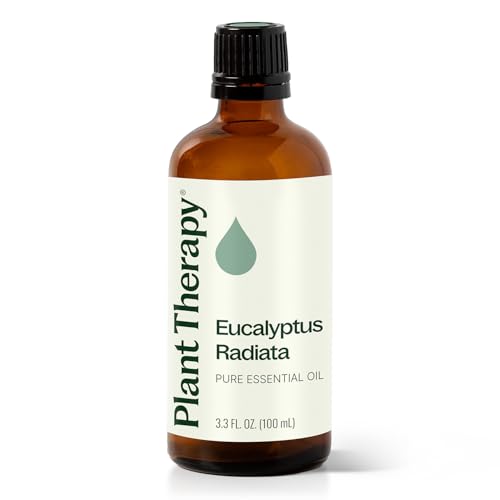
Steam inhalation: Add 1–2 drops total of essential oil (eucalyptus or peppermint) to a bowl of hot water, keep eyes closed, inhale at arm’s length for 5–10 minutes. Avoid burns; not for young children.
Topical rubs: Diluted essential oils in a carrier (e.g., 1–2% dilution) applied to chest/upper back for adults; avoid in infants/toddlers unless product is specifically labeled and age-appropriate.
Typical dosing ranges (adults)
Elderberry syrup: 10–15 mL up to 4 times/day at first sign of viral symptoms; children: 5 mL up to 4 times/day (use pediatric products; consult clinician if under 5).
Thyme tea: 1–2 g herb per cup, 2–3 times/day; tincture 1–2 mL up to 3 times/day; syrups per label.
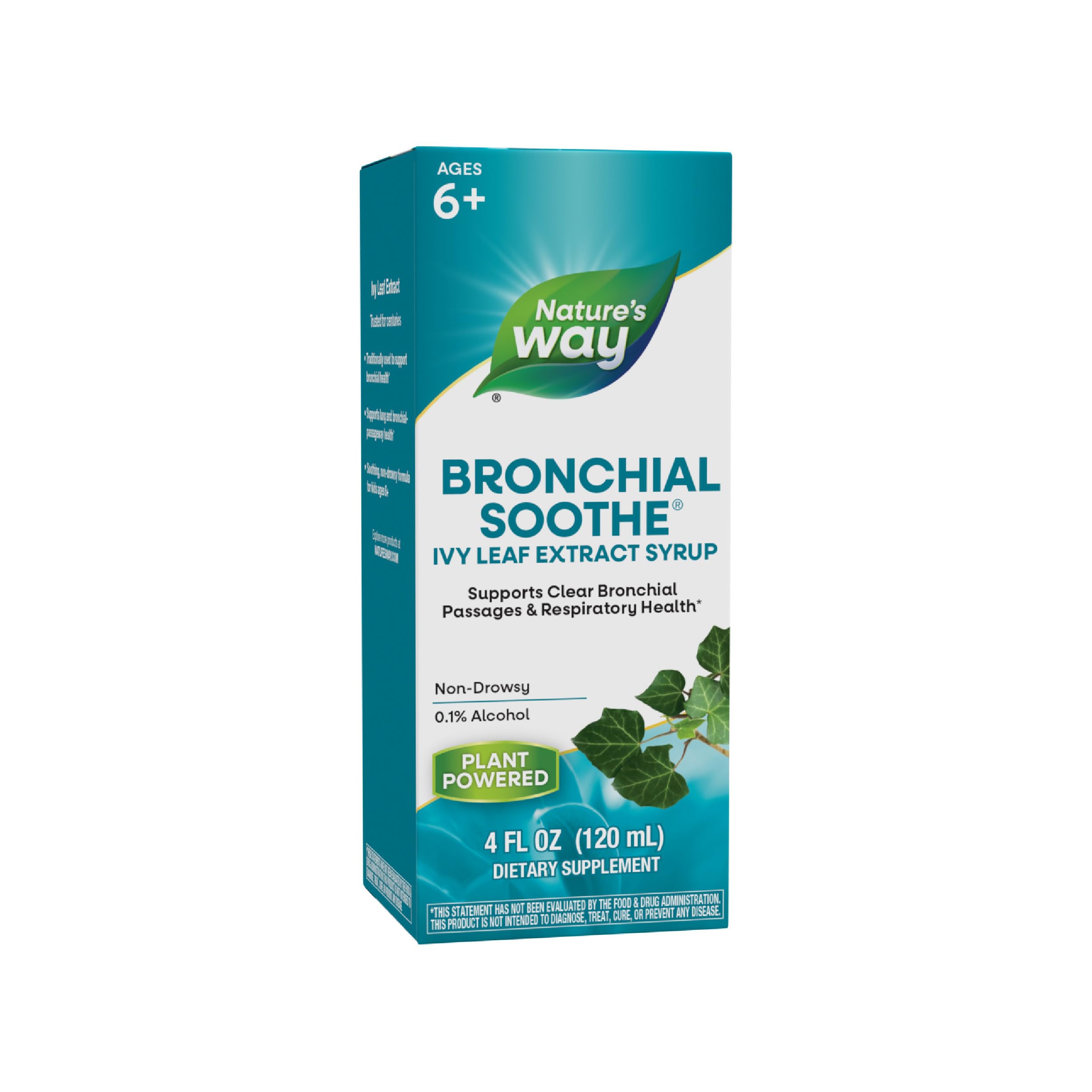
Ivy leaf syrup: Use standardized products; common adult dose approximates 5 mL 3 times/day; pediatric dosing is weight/age-specific—use labeled pediatric formulations (often 2–5 mL 2–3 times/day for ages ≥2 years).
Licorice tea: 1–3 g/day short term (≤2–3 weeks). Tincture 1–2 mL up to 3 times/day. Avoid chronic high-dose glycyrrhizin.
Marshmallow root: Cold infusion 2–5 g in 240–480 mL water for several hours; drink 2–4 times/day. Syrup 5–10 mL every 3–4 hours.
Plantain syrup/tea: As labeled; commonly 5 mL syrup up to 4 times/day or tea 1–2 tsp/cup, 2–3 cups/day.
Ginger tea: 2–3 g fresh sliced root per cup, 2–3 times/day; powders up to 1–2 g/day in divided doses.
Turmeric/curcumin: Curcumin 500–1000 mg/day with bioavailability enhancers (e.g., piperine), as adjunct if targeting inflammation.
Eucalyptus or peppermint inhalation: 1–2 drops total in hot water per session; do not exceed; avoid for children under ~6 years and never use on/near the faces of infants.
Special populations
Children: Prefer syrups and teas; avoid menthol/eucalyptus in infants and toddlers. Many ivy/thyme syrups are labeled for ages ≥2 years—follow age-appropriate dosing. Never give honey to children under 1 year.
Pregnancy/breastfeeding: Prioritize demulcent teas (marshmallow, plantain) in food-like amounts. Avoid medicinal doses of licorice (glycyrrhizin). Essential oils should be used cautiously or avoided in pregnancy. Consult a clinician.
Older adults: Start low, especially with tinctures and essential oils; monitor for interactions (e.g., anticoagulants with ginger/turmeric).
Chronic disease/medications: Coordinate with your clinician for asthma/COPD. Licorice can raise blood pressure and lower potassium; ginger/turmeric may affect bleeding risk; marshmallow may reduce medication absorption (separate by 2+ hours).
Safety, interactions, quality, and integration with conventional care
Adverse effects and interactions (selected)
Licorice (glycyrrhizin): May cause hypertension, edema, low potassium—avoid with heart/kidney disease, diuretics, digoxin, corticosteroids. Consider DGL where appropriate.
Ginger/turmeric: Potential additive effects with anticoagulants/antiplatelets; monitor before procedures or if on warfarin/DOACs.
Marshmallow: Can impair absorption of oral medications; separate dosing.
Peppermint: May worsen reflux; topical menthol can irritate sensitive skin.
Essential oils: Risk of burns (steam), bronchospasm in sensitive individuals, toxicity if ingested; keep away from children and pets.
Allergies: Pollen-related cross-reactivity is possible; start with small amounts when trying new herbs.
Product quality and sourcing
Standardization markers: elderberry (anthocyanins), ivy leaf (hederacoside C or total saponins), thyme (thymol/carvacrol), turmeric (curcuminoids). Look for third-party testing (USP, NSF, ISO-accredited labs), clear lot numbers, and transparent excipients.
Contaminants: Choose reputable brands to avoid adulterants, heavy metals, and pesticide residues.
Essential oils: Prefer species- and chemotype‑labeled oils with GC/MS analysis; avoid internal use unless under clinical guidance and with products intended for ingestion.
Integrating herbs with conventional treatments
Acute infections: Herbs may ease symptoms alongside rest, fluids, saline irrigation, and over-the-counter remedies when appropriate. For prevention and resilience, see Holistic Methods for Improving Immunity: An Evidence‑Based Guide.
Asthma/COPD: Do not discontinue controller or rescue medications. Some patients use demulcent teas and selected anti-inflammatory botanicals adjunctively; track symptoms (peak flow, inhaler use) and review with your clinician.
When to escalate care during herbal self-care
Worsening shortness of breath, persistent high fever, severe chest pain, new confusion, dehydration, or oxygen saturation <92%
No improvement or worsening after 5–7 days for acute colds/bronchitis, or cough persisting >3 weeks
High-risk groups (older adults, cardiopulmonary disease, immunocompromised) with any concerning symptoms
Practical ways to prepare and use herbs at home
Simple soothing tea (dry or tickly cough)
Marshmallow root cold infusion + a squeeze of lemon. Add a little honey for adults/children over 1 year.
Warming expectorant tea (wet, productive cough)
Thyme + ginger with a touch of licorice (short-term use). Strain carefully; sip warm 2–3 times/day.
Syrup strategy for cough
Use a ready-made ivy/thyme or plantain syrup per label. For homemade demulcent syrups, combine a strong tea of marshmallow/plantain with honey (refrigerate; use within 5–7 days). Note: Homemade syrups vary; avoid for infants.
Gentle inhalation
For adults, consider a brief steam inhalation with 1 drop eucalyptus or peppermint in a bowl of hot water; keep eyes closed and maintain safe distance. Many people also find a Saline Rinse Kit helpful for nasal moisture and mucus clearance.
Lifestyle tools
Humidify dry rooms to target ~40–50% humidity. A simple HEPA Air Purifier may reduce airborne irritants in bedrooms. If you drink tea often, a spill-proof Herbal Tea Infuser Bottle can make regular use easier.
Start with symptom-matched herbs: demulcents (marshmallow, plantain, licorice) for dry, irritated cough; expectorants (thyme, ivy, eucalyptus inhalation) for wet, productive cough; elderberry early in viral symptoms; ginger/turmeric as anti-inflammatory adjuncts.
Pick the right preparation: teas/infusions for soothing and hydration, syrups for cough timing and throat coating, short and careful inhalations for subjective decongestion.
Use evidence‑aligned products: standardized ivy/thyme syrups for acute bronchitis; elderberry syrups or lozenges at first signs of viral illness; avoid essential oil ingestion.
Watch safety: avoid licorice in hypertension/edema; separate marshmallow from medications; be cautious with ginger/turmeric if on blood thinners; never give honey to infants or use menthol/eucalyptus near infants’ faces.
Escalate care with red flags or if symptoms persist/worsen.
Disclaimer: This information is for educational purposes and should not replace personalized medical advice. Always consult a qualified healthcare professional—especially if you are pregnant, nursing, managing chronic illness, taking prescription medications, or considering herbal use for children.
This content is for informational purposes only and does not constitute medical advice. Always consult a qualified healthcare provider before starting, stopping, or changing any supplement or medication regimen.
Best Immune‑Boosting Herbal Teas: An Evidence‑Based Guide to Ingredients, Benefits, Brewing & Safety. If you’re searching for the best immune-boosting herbal teas, you’re likely looking for simple, soothing options to support your defenses during cold season or stressful stretches. Research suggests certain herbs can modulate immune activity, soothe inflamed tissues, and offer antioxidant support—th
Natural Remedies for Seasonal Allergies: Evidence‑Based Herbs, Supplements, and Lifestyle Strategies. If you’re sneezing, congested, and itchy every spring or fall, you’re likely searching for natural remedies for seasonal allergies that actually help. Seasonal allergic rhinitis (hay fever) is driven by your immune system reacting to airborne pollen or mold, releasing histamine and other inflammator
Herbal Supplements for Kids: Evidence-Based Safety, Dosage, and What Parents Should Know. Parents often ask: which herbs are actually safe for kids, and how much is okay? If you’re considering safe herbal supplements for children, you’re not alone. Many families turn to gentle botanicals for colds, tummy upset, or sleep support. This guide reviews commonly used herbs, what research sugge
Herbal Treatments for Anxiety Relief: Evidence-Based Herbs, Dosage, and Safety. Feeling keyed up, tense, or stuck in worry—and wondering whether herbal treatments for anxiety relief can help? Research suggests some plant-based options may ease mild to moderate anxiety symptoms, especially when combined with lifestyle strategies and therapy. This guide reviews what the science s
How Essential Oils Support Immunity: An Evidence‑Based Guide to Uses, Mechanisms, and Safety. If you’re wondering how essential oils support immunity, you’re not alone. Many people reach for eucalyptus, tea tree, or oregano oil during cold season hoping for extra protection. Research suggests certain oils can help with symptom relief, stress modulation, and reducing microbial load on surface
If you’re curious about Chinese herbs—what they are, how they’re used, and what modern research actually says—you’re not alone. Chinese herbs are a central pillar of Traditional Chinese Medicine (TCM)