Natural Remedies for Seasonal Allergies: Evidence‑Based Herbs, Supplements, and Lifestyle Strategies
Evidence-based natural remedies for seasonal allergies: herbs, supplements, and lifestyle tips to ease hay fever safely and effectively.
·10 min read
This content is for informational purposes only and does not constitute medical advice. Always consult a qualified healthcare provider before starting, stopping, or changing any supplement or medication regimen.
If you’re sneezing, congested, and itchy every spring or fall, you’re likely searching for natural remedies for seasonal allergies that actually help. Seasonal allergic rhinitis (hay fever) is driven by your immune system reacting to airborne pollen or mold, releasing histamine and other inflammatory mediators that cause classic symptoms: runny or stuffy nose, itchy eyes, post‑nasal drip, and fatigue. Natural therapies can complement conventional care (antihistamines, nasal steroids) and, for some people, reduce the need for medication. This guide reviews herbs, supplements, and lifestyle strategies—flagging the evidence level for each—so you can build a safe, personalized plan.
How Seasonal Allergies Work—and Where Natural Remedies Fit
Seasonal allergies occur when sensitized immune cells encounter pollen and trigger histamine release, swelling nasal tissues and increasing mucus. The natural‑remedy approach typically aims to:
Reduce local inflammation and congestion (e.g., bromelain, saline rinses)
Support mucosal barriers and microbiome balance (e.g., probiotics)
Minimize exposure to triggers (HEPA filtration, timing outdoor activities)
Most natural options are best used as complements, not replacements, for proven medications—especially during peak pollen days. Some remedies work best when started 2–4 weeks before your allergy season.
What the Research Says (Evidence Levels at a Glance)
Strong evidence: Nasal saline irrigation for symptom relief; environmental controls (HEPA in the bedroom; dust‑mite covers) show meaningful reductions in allergen load.
Moderate evidence: Butterbur (PA‑free extracts), specific probiotic strains for allergic rhinitis, vitamin D for those who are deficient.
Emerging evidence: Quercetin, stinging nettle, bromelain, vitamin C.
Traditional use with limited modern evidence: Local honey, essential oils for perceived comfort.
Moderate: Limited RCTs, mixed results, or robust observational data.
Emerging: Small or preliminary human trials, mechanistic or animal data.
Traditional: Longstanding use without modern clinical trials.
For broader context on evaluating botanical products and selecting quality brands, see our overview: Herbal Medicine Guide: Uses, Evidence, Safety & How to Choose (/articles/herbal-medicine-guide-uses-evidence-safety-how-to-choose).
What the Research Says About Natural Remedies for Seasonal Allergies
Butterbur (moderate): Multiple RCTs suggest PA‑free butterbur leaf extracts may be as effective as some antihistamines without sedation. Only use certified PA‑free products due to liver‑toxic alkaloids in raw plants.
Quercetin (emerging): Lab and small human studies indicate quercetin stabilizes mast cells and may reduce histamine release, but large, high‑quality clinical trials are limited.
Stinging nettle (emerging): Traditional use plus preliminary trials show possible symptom reduction; evidence remains limited and dosing/standardization vary.
Bromelain (emerging): Enzyme from pineapple may reduce nasal swelling and mucus viscosity; clinical evidence for allergic rhinitis is preliminary.
Vitamin C (emerging): Antioxidant that can help degrade histamine in vitro; small trials show modest benefits for congestion and wheeze.
Vitamin D (moderate for deficient individuals): Low vitamin D is associated with worse allergy symptoms; supplementation helps most when deficiency is present.
Probiotics (moderate, strain‑specific): Several Lactobacillus/Bifidobacterium strains modestly improve nasal quality‑of‑life scores; benefits are strain‑ and dose‑dependent.
Local honey (traditional/emerging): Mixed results; may offer gradual, small improvements for some via exposure to environmental pollens, but data are inconsistent.
Herbs, Supplements, and Nutraceuticals to Consider
Butterbur (Petasites hybridus)
Proposed mechanism: Petasin and isopetasin appear to inhibit leukotrienes and reduce smooth muscle spasm, potentially easing nasal inflammation without sedation.
Typical dosing: PA‑free standardized extract, 50–75 mg twice daily (start 2–4 weeks before allergy season). Use only certified PA‑free products.
Efficacy summary: Studies indicate comparable benefits to some antihistamines for seasonal rhinitis with fewer sedative effects. Evidence level: moderate.
Safety and interactions: Avoid non‑PA‑free products due to liver toxicity risk. Possible cross‑reactivity in individuals allergic to ragweed/Asteraceae. Avoid in pregnancy, breastfeeding, and active liver disease. Limited drug‑interaction data—use caution with hepatotoxic drugs.
Populations to avoid: Pregnancy/lactation, liver disease, children unless guided by a clinician.
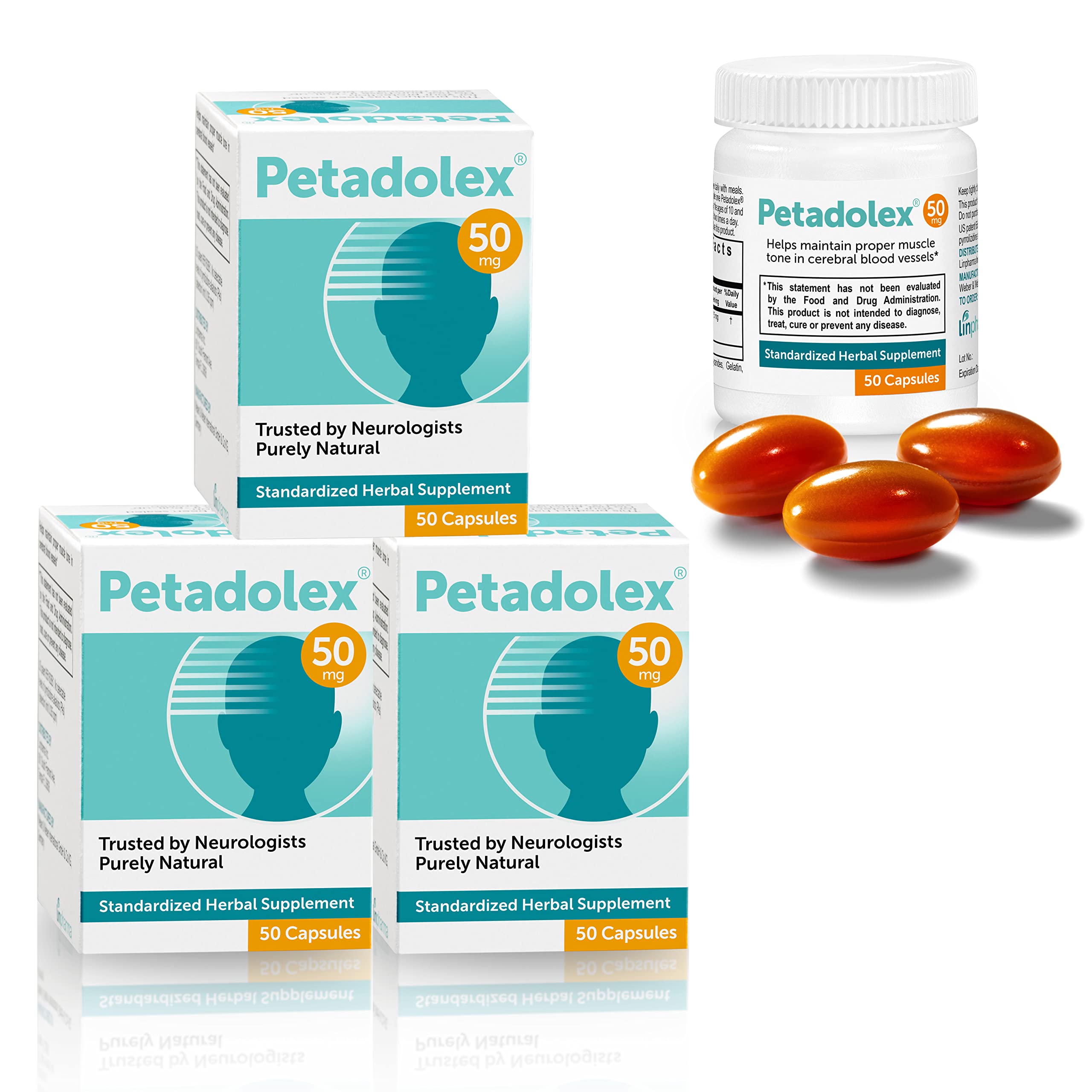
Practical note: Many people find a PA‑free option like PA‑Free Butterbur 50 mg helpful for this purpose; choose third‑party tested products.
Proposed mechanism: Flavonoid that stabilizes mast cells, downregulates histamine release, and modulates NF‑kB inflammatory pathways; often paired with vitamin C or bromelain to improve absorption.
Typical dosing: 250–500 mg twice daily, taken 20–30 minutes before meals. Start 2–4 weeks before pollen season for best effect.
Efficacy summary: Emerging human evidence suggests symptom reduction; larger RCTs are needed. Evidence level: emerging.
Safety and interactions: Generally well tolerated; can cause headache or GI upset. Theoretical interactions via CYP3A4/OATP; caution with chemotherapy, cyclosporine, and certain antibiotics. Insufficient safety data in pregnancy/lactation.
Populations to avoid: Pregnancy/lactation; consult a clinician if on multiple medications or with kidney disease.
Stinging Nettle (Urtica dioica)
Proposed mechanism: May inhibit histamine H1 receptor activity and reduce inflammatory mediators; freeze‑dried leaf most commonly used.
Typical dosing: 300–600 mg freeze‑dried leaf 1–2 times daily; tea (2–4 g dried leaf steeped 10 minutes) can be adjunctive.
Efficacy summary: Small studies and traditional use suggest benefit; data quality is limited. Evidence level: emerging.
Safety and interactions: Generally safe short‑term; may have mild diuretic effects and lower blood sugar or blood pressure. Use caution with anticoagulants, antihypertensives, diuretics, and diabetes medications. Avoid in pregnancy (uterine‑stimulant concern).
Bromelain
Proposed mechanism: Proteolytic enzyme that may thin mucus, reduce nasal tissue swelling, and enhance absorption of some nutrients.
Typical dosing: 200–400 mg standardized bromelain 1–3 times daily, ideally between meals.
Efficacy summary: Early evidence suggests relief of nasal congestion; more research needed. Evidence level: emerging.
Safety and interactions: Avoid with pineapple allergy. May increase bleeding risk—use caution with anticoagulants/antiplatelets (warfarin, clopidogrel, aspirin, NSAIDs) and discontinue 1–2 weeks before surgery. May alter levels of some antibiotics (e.g., amoxicillin, tetracyclines).
Vitamin C
Proposed mechanism: Antioxidant that may reduce oxidative stress in nasal tissues and facilitate histamine breakdown.
Typical dosing: 500–1000 mg daily in divided doses during allergy season.
Efficacy summary: Small human studies suggest modest symptom relief. Evidence level: emerging.
Safety and interactions: High doses can cause GI upset; long‑term high intake may increase kidney stone risk in predisposed men. May increase iron absorption—use caution in hemochromatosis.
Vitamin D
Proposed mechanism: Modulates immune balance (Th1/Th2/Treg), potentially reducing hyper‑reactivity in those who are deficient.
Typical dosing: 1000–2000 IU (25–50 mcg) daily; test and personalize to maintain 25(OH)D around 30–50 ng/mL. Avoid chronic intakes >4000 IU/day without medical guidance.
Safety and interactions: Risk of hypercalcemia at high doses; caution with thiazide diuretics, digoxin, hyperparathyroidism, and granulomatous diseases (e.g., sarcoidosis).
Probiotics
Proposed mechanism: Promote a healthy nasal‑gut‑immune axis; certain Lactobacillus and Bifidobacterium strains appear to reduce nasal symptoms and improve quality of life.
Typical dosing: 1–10 billion CFU daily of studied strains for 4–12 weeks. Strain matters; examples studied include L. paracasei (e.g., LP‑33), L. acidophilus L‑92, and B. longum BB536.
Efficacy summary: Meta‑analyses show modest, strain‑specific benefits. Evidence level: moderate.
Safety and interactions: Generally safe for healthy adults; use caution in severely immunocompromised individuals or those with central venous catheters.
Proposed mechanism: Traditional approach; gradual oral exposure to small amounts of environmental pollens may build tolerance for some people.
Typical dosing: 1–2 teaspoons daily; consistency over months may matter more than dose.
Efficacy summary: Mixed and limited evidence; some individuals report benefit, others do not. Evidence level: traditional to emerging.
Safety and interactions: Do not give honey to infants under 1 year (botulism risk). Consider sugar content in diabetes or low‑sugar diets. Possible reactions in those with bee/pollen allergies.
For broader anti‑inflammatory herbal options that sometimes support symptom control, see Herbal Treatments for Inflammation: Evidence‑Based Guide to Turmeric, Boswellia, Ginger & More (/articles/herbal-treatments-for-inflammation).
Non‑Supplement Strategies: Nasal Irrigation, Air Quality, and Everyday Habits
Nasal Irrigation and Saline Rinses (Strong Evidence)
Why it helps: Gently flushes allergens and thins mucus, reducing congestion and post‑nasal drip.
How to do it safely:
Use distilled, sterile, or previously boiled and cooled water to mix saline.
Isotonic saline (0.9%) is comfortable; hypertonic (2–3%) can reduce swelling further for some.
HEPA filtration: Bedroom HEPA purifiers reduce airborne pollen and particulates. Keep doors/windows closed on high‑pollen days.
Humidity: Target 30–50% to discourage dust mites and mold; use a dehumidifier if needed.
Allergen‑proofing the bedroom: Dust‑mite‑proof covers for pillows/mattresses; wash bedding weekly in hot water (at least 130°F/54°C). Vacuum with a HEPA vacuum; remove wall‑to‑wall carpets if feasible.
Pets: Keep pets out of the bedroom; bathe weekly if dander worsens symptoms.
Product idea: A compact unit like True HEPA Bedroom Air Purifier is often chosen for sleeping spaces; check CADR and room‑size ratings.
Time Your Outdoor Exposure
Check daily pollen counts; limit early‑morning outdoor activity (pollen peaks at dawn).
Wear wraparound sunglasses and a hat; consider a well‑fitting mask when mowing or gardening.
Rinse off after exposure: Shower, wash hair, and change clothes after returning indoors.
Anti‑Inflammatory Eating and Simple Recipes
Focus on a Mediterranean‑style pattern: vegetables, fruits, legumes, whole grains, olive oil, nuts, and omega‑3‑rich fish (salmon, sardines). Quercetin‑rich foods include onions, apples, capers; vitamin C sources include citrus, berries, bell peppers.
Consider fermented foods (yogurt with live cultures, kefir, kimchi) to support the microbiome.
Sample ideas:
Quercetin bowl: Sautéed onions with chickpeas, arugula, capers, olive oil, and lemon.
Vitamin C smoothie: Frozen berries, spinach, kefir, and a squeeze of citrus.
Oral allergy syndrome note: If you react to certain raw fruits/veg due to pollen cross‑reactivity (e.g., birch and raw apples), try cooking the foods or choose alternatives.
Essential Oils (Traditional Use—Safety First)
Some people find diffused peppermint or eucalyptus oil subjectively soothing for a sense of clearer breathing. Evidence for allergic rhinitis relief is limited.
Safety: Do not ingest. Always dilute for topical use; avoid applying near eyes. Avoid diffusing around infants, pets, or those with asthma who may be triggered.
For more lifestyle strategies that support balanced immune function, you may find Holistic Methods for Improving Immunity: An Evidence‑Based Guide to Lifestyle, Herbs, and Mind‑Body Practices (/articles/holistic-methods-for-improving-immunity) helpful.
Integrative Care, Safety, and When to Seek Medical Help
Combining Natural Remedies with Medications
Antihistamines (cetirizine, loratadine) and intranasal steroids (fluticasone, budesonide) remain first‑line for moderate to severe symptoms. Natural options like saline irrigation, probiotics, quercetin, and PA‑free butterbur can be layered on.
Practical timing: Use saline rinses first, then nasal steroids 10–15 minutes later for better mucosal contact. Space supplements 2–3 hours from prescription meds if there are absorption concerns (e.g., bromelain, quercetin).
Monitor for overlap: Bromelain plus anticoagulants may increase bleeding risk; nettle plus antihypertensives may lower blood pressure too much.
Special Populations
Children: Many strategies (saline rinses, HEPA, exposure control, diet) are safe and effective. Supplement doses must be child‑appropriate; consult a pediatric clinician. Avoid honey in children under 1.
Pregnancy and breastfeeding: Prioritize non‑pharmacologic measures (saline, environmental control). Avoid butterbur, nettle, and high‑dose herbs unless specifically advised by a clinician. Vitamin D can be appropriate if deficient—test first.
Autoimmune conditions or immunosuppression: Use probiotics cautiously and under medical guidance.
Liver or kidney disease: Avoid butterbur (even PA‑free without supervision) and high‑dose supplements without clinician oversight.
When to Seek Urgent or Specialist Care
Red flags requiring immediate medical attention: Wheezing, shortness of breath, chest tightness, facial or throat swelling, severe dizziness, or signs of anaphylaxis (call emergency services).
Consider allergy testing and immunotherapy: Allergen immunotherapy (shots or sublingual tablets/drops for specific pollens) can significantly reduce symptoms and medication use over time. It’s a long‑term, disease‑modifying approach best managed by an allergist.
Communicate with your healthcare provider: Share all supplements and herbs you’re using. Bring labels or a list, and ask about interactions with your medications and conditions.
For a broader look at how Chinese herbal formulas are selected and monitored in clinical practice, see Chinese Herbs: A Practical, Evidence‑Based Guide (/articles/chinese-herbs-guide).
Practical Takeaways
Start with strong‑evidence basics: Daily saline irrigation, bedroom HEPA filtration, dust‑mite covers, and smart exposure timing.
Layer in moderate/emerging options: PA‑free butterbur, strain‑specific probiotics, quercetin, vitamin D if deficient; consider nettle, bromelain, and vitamin C as adjuncts.
Begin 2–4 weeks before your allergy season for preventive support.
Favor quality: Choose third‑party tested supplements and certified PA‑free butterbur. See our Herbal Medicine Guide for selection tips.
Keep safety central: Review medications for interactions (especially anticoagulants and bromelain), and avoid higher‑risk herbs in pregnancy and liver disease.
If symptoms remain moderate to severe despite these steps, discuss immunotherapy with an allergist.
Disclaimer
This article is for educational purposes only and is not a substitute for professional medical advice, diagnosis, or treatment. Always consult a qualified healthcare provider before starting or changing any supplement, herb, or medication—especially if you are pregnant, nursing, have a medical condition, or take prescription drugs.
This content is for informational purposes only and does not constitute medical advice. Always consult a qualified healthcare provider before starting, stopping, or changing any supplement or medication regimen.
Seasonal Allergies. Hay Fever, Allergic Rhinitis, Pollen Allergies. ## Overview
**Seasonal allergies**, also called **seasonal allergic rhinitis** or **hay fever**, are recurring immune reactions triggered by airborne allergens such as **tree, grass, and weed pollens**, and in some regions, mold spores. Rather than responding neutrally to these particles, the immun
Allergic Rhinitis (Hay Fever) and Acupuncture. Acupuncture is frequently sought as an adjunctive option for allergic rhinitis (hay fever), a common condition marked by sneezing, nasal congestion, itching, and rhinorrhea that can seriously affect quality of life during pollen seasons or year‑round. Research over the past two decades includes mult
Herbal Preparations for Respiratory Health: Evidence-Based Teas, Tinctures, Syrups, Inhalations & Safety. If you’re fighting a cough, congestion, or seasonal sniffles, you might be looking for herbal preparations for respiratory health that actually help: teas to soothe the throat, tinctures and syrups to loosen mucus or calm a cough, and safe inhalations for easier breathing. This guide brings together
Allergic Rhinitis. Hay Fever, Allergic Rhinitis (Hay Fever). ## Allergic Rhinitis (Hay Fever)
**Allergic rhinitis**, commonly called **hay fever**, is an immune-mediated condition in which the nose and related airway tissues react to otherwise harmless environmental substances such as **pollen, dust mites, animal dander, mold spores, or other airborne allerg
Naturopathic Remedies for Anxiety: Evidence‑Based Herbs, Supplements, Lifestyle Strategies & When to See a Naturopath. If you’re exploring naturopathic remedies for anxiety, you’re likely looking for options that address root causes, feel gentler than medication, and still have evidence behind them. This guide brings together research‑informed herbs, supplements, lifestyle strategies, and mind–body tools from both w
Holistic Methods for Improving Immunity: An Evidence‑Based Guide to Lifestyle, Herbs, and Mind‑Body Practices. If you’re looking for holistic methods for improving immunity, you’re not alone. Many people want a practical, evidence‑informed plan that blends lifestyle, nutrition, mind–body practices, and time‑honored botanicals. Research suggests you can support both innate and adaptive immunity by stacking sm