

Anxiety and Essential Oils (Aromatherapy)
Essential oils are highly concentrated plant extracts used in aromatherapy by inhalation or diluted topical application. Interest in their role for anxiety relief has grown, and a number of clinical studies suggest small-to-moderate benefits—especially for situational anxiety (for example, before medical or dental procedures). Among the oils most often studied, lavender (Lavandula angustifolia) shows the most consistent signals, followed by citrus oils such as bergamot and sweet orange, and to a lesser extent rose and chamomile. Meta-analyses and systematic reviews indicate that aromatherapy can reduce anxiety symptoms compared with control, but results vary, effect sizes are typically modest, and study quality is mixed, with frequent risks of bias and heterogeneity in protocols. Biological plausibility for anxiolytic effects is reasonable. Odor molecules stimulate the olfactory system with rapid inputs to limbic regions (amygdala, hippocampus) linked to emotion and memory. Components such as linalool and linalyl acetate (prominent in lavender) may modulate GABAergic and serotonergic signaling in preclinical models, and several human studies report reductions in state anxiety and stress markers like salivary cortisol during or after inhalation. At the same time, nonspecific factors—pleasant scent, the ritual of self-care, massage touch, expectancy, and focused breathing—likely contribute meaningfully to observed benefits. Practically, the strongest human evidence for anxiety relief comes from brief inhalation or ambient diffusion of lavender, sweet orange, and bergamot in clinical or dental settings, and from aromatherapy massage in some groups. Rose and chamomile have supportive but smaller bodies of evidence. Trials typically use short sessions or repeated sessions over days to weeks; however, methods and oils vary widely. Compared with established anxiety treatments—psychotherapy (such as cognitive behavioral therapy), medications (SSRIs/SNRIs, others), and non
Updated August 9, 2026This content is for informational purposes only and does not constitute medical advice. Always consult a qualified healthcare provider before starting, stopping, or changing any supplement or medication regimen.
Overlapping Treatments
Inhalation aromatherapy with lavender (Lavandula angustifolia)
Moderate EvidenceReduces situational anxiety (e.g., preoperative, dental) and state anxiety in several RCTs and clinical studies
Core application method in essential oil practice; aligns with evidence for olfactory-limbic calming effects
Effects often modest; heterogeneity across studies; rare reports of endocrine effects with topical lavender; scent sensitivity possible
Inhalation aromatherapy with sweet orange (Citrus sinensis)
Moderate EvidenceReduces anxiety in dental and waiting-room settings and improves mood in small trials
Widely used citrus aroma; rapid mood-lifting properties via inhalation
Citrus scents can trigger headaches or nausea in sensitive individuals; quality and authenticity vary
Inhalation aromatherapy with bergamot (Citrus bergamia)
Emerging ResearchAssociated with lower state anxiety and decreased salivary cortisol in small studies
Popular uplifting aroma in aromatherapy; fast-acting via diffusion or personal inhalers
Topical forms may be phototoxic unless bergapten-free (FCF) variants are used; scent sensitivity possible
Inhalation aromatherapy with rose (Rosa damascena)
Emerging ResearchLinked to reduced sympathetic arousal and self-reported anxiety in small human experiments
Traditional calming aroma for emotional balance; compatible with olfactory-based relaxation techniques
Limited RCTs; premium oils often adulterated—quality verification matters
Inhalation aromatherapy with Roman chamomile (Chamaemelum nobile)
Emerging ResearchPreliminary evidence for reduced state anxiety and improved relaxation
Commonly chosen for soothing blends; gentle aroma supports relaxation practices
Allergy possible in individuals sensitive to Asteraceae; more robust trials needed
Aromatherapy massage (diluted essential oils with therapeutic massage)
Moderate EvidenceCan reduce state anxiety and promote relaxation; touch and scent likely synergize
Integrates topical essential oils safely (diluted), leveraging massage’s established anxiolytic effects
Benefits may relate partly to massage itself; ensure proper dilution to minimize skin irritation
Mindfulness or paced breathing augmented with inhaled essential oils
Emerging ResearchCombines attentional training with calming scent cues, supporting acute anxiety relief
Enhances ritual and sensory aspects of aromatherapy, potentially strengthening conditioning effects
Evidence mostly from small or nonrandomized studies; individual scent preferences vary
Oral lavender oil (Silexan) capsules (note: not inhalation)
Strong EvidenceDemonstrated reductions in anxiety symptom scores in multiple RCTs, including generalized anxiety
Standardized essential oil preparation with clinical data; distinct route from aromatherapy
Different mechanism and dosing paradigm than inhaled/topical use; discuss with a clinician before use
Medical Perspectives
Two Ways of Seeing Health

Western
scientific · clinical
Western medicine applies science, technology, and clinical experience to treat symptoms through testing, diagnosis, and targeted intervention.
Surgeons · Pharmaceuticals · Clinical trials · Diagnostics 
Eastern
traditional · alternative
Eastern medicine focuses on treating the body naturally by applying traditional knowledge practiced for thousands of years, emphasizing balance and whole-person wellness.
Acupuncture · Herbal medicine · Yoga · Meditation
Gold Bamboo presents both perspectives side-by-side so you can make informed decisions. We don't advocate for one over the other — your health choices are yours.
Two Ways of Seeing Health
Western
scientific · clinical
Western medicine applies science, technology, and clinical experience to treat symptoms through testing, diagnosis, and targeted intervention.
Eastern
traditional · alternative
Eastern medicine focuses on treating the body naturally by applying traditional knowledge practiced for thousands of years, emphasizing balance and whole-person wellness.
Gold Bamboo presents both perspectives side-by-side so you can make informed decisions. We don't advocate for one over the other — your health choices are yours.
Western Perspective
Western clinical research on essential oils for anxiety shows small-to-moderate benefits, most robust for situational anxiety. Lavender has the strongest evidence base; citrus (sweet orange, bergamot), rose, and chamomile have promising but less consistent data. Methodological variability and expectancy effects complicate interpretation.
Key Insights
- Aromatherapy via inhalation or ambient diffusion can reduce state anxiety in settings like preoperative holding areas and dental clinics, with modest effect sizes
- Lavender (especially inhaled; and orally as Silexan) shows the most consistent reductions in validated anxiety scales
- Physiological correlates such as reduced salivary cortisol and autonomic calming have been observed during some inhalation trials
- Heterogeneity in oils, dosing, duration, blinding feasibility, and controls leads to mixed results and potential bias
- Aromatherapy appears safe for most adults when used appropriately; skin reactions, scent sensitivity, and rare endocrine-related case reports warrant caution
Treatments
- Inhaled lavender, sweet orange, or bergamot in acute anxiety contexts
- Aromatherapy massage for relaxation and anxiety reduction
- Integration with first-line treatments: CBT, SSRIs/SNRIs, and mindfulness-based therapies
- Consideration of standardized oral lavender oil (Silexan) for some patients under medical guidance
Deep Dive
From a western clinical standpoint, essential oils for anxiety occupy an adjunctive role supported by a growing, though variable, evidence base.... From a western clinical standpoint, essential oils for anxiety occupy an adjunctive role supported by a growing, though variable, evidence base. Aromatherapy delivered by inhalation or ambient diffusion repeatedly demonstrates reductions in state anxiety in contexts like preoperative holding areas and dental clinics. Lavender features most prominently; several randomized controlled trials report lower preprocedure anxiety ratings compared with standard care or unscented controls. Citrus oils such as sweet orange and bergamot also show benefits in small studies, with some physiological correlates—like decreased salivary cortisol—hinting at hypothalamic–pituitary–adrenal axis modulation during acute stress. Rose and chamomile have supportive but comparatively limited data. Meta-analyses aggregating randomized trials generally find small-to-moderate effects of aromatherapy on anxiety. However, interpretation is tempered by heterogeneity in study designs (different oils, concentrations, exposure durations, and delivery methods), challenges to effective blinding (participants can often recognize scents), and variable outcome measures. These features introduce risks of bias and inflate between-study variance. Nevertheless, consistent signals across independent settings—especially for inhaled lavender and citrus aromas—suggest that aromatherapy can meaningfully reduce situational anxiety for some individuals. Mechanistic plausibility strengthens the case. Olfactory inputs project rapidly to limbic circuits (including the amygdala and hippocampus) that shape emotional salience and memory. Preclinical work indicates that monoterpenes such as linalool may modulate GABAergic and serotonergic systems, congruent with the calming profiles reported in humans. That said, nonspecific contributors—pleasant sensory stimulation, expectancy, the soothing ritual of self-care, and, in massage studies, the powerful anxiolytic effects of therapeutic touch—undoubtedly play a role. The overall clinical message: essential oils may complement, but not replace, first-line treatments like cognitive behavioral therapy, SSRIs/SNRIs when indicated, and evidence-based mind–body practices. Safety is generally good with appropriate use, though skin reactions, scent sensitivity (especially in migraine or asthma), rare endocrine-related case reports, and phototoxicity with certain citrus oils warrant standard precautions and product quality scrutiny.
Sources
- Sánchez-Vidaña DI et al. The Effectiveness of Aromatherapy for Anxiety: A Systematic Review and Meta-Analysis of RCTs. Evid Based Complement Alternat Med. 2017
- Lakhan SE et al. The Effectiveness of Aromatherapy in Reducing Pain, Anxiety, and Other Symptoms in Acute Care Patients. Pain Res Treat. 2016
- Lehrner J et al. Ambient odors of orange and lavender reduce anxiety in a dental office. Physiol Behav. 2005
- Kim JT et al. The Effect of Lavender Aromatherapy on Preoperative Anxiety. AANA J. 2011
- Kasper S et al. Efficacy of oral lavender oil (Silexan) in anxiety disorders: randomized trials and meta-analyses. Int J Neuropsychopharmacol/Phytomedicine (various years)
Eastern Perspective
Traditional systems view aromas as modulators of mind–body balance. In Traditional Chinese Medicine (TCM), fragrant botanicals can calm the Shen (spirit), regulate Liver Qi, and harmonize Heart–Kidney communication. Ayurveda associates anxiety with Vata aggravation; sweet, cooling, and grounding aromas help restore sattva (clarity). Aromatherapy is also embraced within modern naturopathy, emphasizing individualized scent preferences and ritualized relaxation.
Key Insights
- Lavender, rose, and sandalwood are traditionally used to settle the mind and nourish Heart/Spirit (TCM) or pacify Vata (Ayurveda)
- Citrus aromas (e.g., bergamot, sweet orange) are used to ‘move’ stagnant Qi and lift mood, aligning with reports of improved affect
- Application often pairs aroma with breathwork, acupressure points, or massage to engage multiple calming pathways
- Traditions emphasize person–aroma fit: a scent perceived as pleasant and safe is more likely to soothe
- Contemporary integrative practice blends traditional rationale with modern safety standards (proper dilution, quality verification)
Treatments
- Inhalation of lavender, rose, sandalwood, or bergamot during meditation or pranayama
- Aromatherapy massage along meridians or over acupoints (e.g., Yin Tang, Pericardium 6) for calming Shen
- Warm baths or compresses infused with calming aromas (diluted)
- Pairing aroma with mindfulness or mantra to reinforce relaxation conditioning
Deep Dive
Traditional healing systems have long framed aroma as a conduit for shifting mental and emotional states. In Traditional Chinese Medicine, anxie... Traditional healing systems have long framed aroma as a conduit for shifting mental and emotional states. In Traditional Chinese Medicine, anxiety often reflects disturbance of the Shen (spirit) or constraint of Liver Qi, sometimes with underlying Heart Yin deficiency. Fragrant botanicals are thought to ‘open the orifices’ and gently guide Qi, settling restlessness and harmonizing the Heart. Lavender and sandalwood are used to calm the mind, rose to nourish Heart Blood and ease constraint, and bergamot-like citrus to smooth Liver Qi—rationales that map intuitively to contemporary reports of emotional softening and uplift with these scents. Ayurveda views anxiety primarily as a Vata (air/space) aggravation, favoring sweet, cooling, and grounding aromas—rose, jasmine, sandalwood—paired with slow breathing, warm oil massage, and routines that cultivate sattva (clarity and calm). Within naturopathic and modern aromatherapy traditions, practitioners emphasize individualized scent selection—‘the best oil is the one the person finds soothing’—and pair aromas with ritualized practices such as meditation, mantra, or acupressure to reinforce conditioning and enhance the therapeutic milieu. These perspectives converge with modern neurobiology in highlighting the immediacy of olfactory-limbic pathways and the importance of context: the same scent can be calming or aversive depending on memory, meaning, and environment. Eastern frameworks also foreground the body as mediator of mind, aligning with evidence that massage, breath regulation, and posture reduce arousal. In practice, integrative clinicians might suggest that a person prone to worry incorporate a personally pleasant aroma into daily breathwork, meditation, or evening wind-down routines, or use a calming scent during acupressure at points traditionally associated with easing restlessness. While traditional rationales are rooted in centuries of observation rather than randomized trials, modern safety guidance—proper dilution for topical use, avoidance of known irritants and phototoxic oils on skin, and attention to pregnancy and pediatric considerations—can be layered onto these time-honored approaches. The result is a respectful blend: aroma as one thread in a fabric that includes counseling, lifestyle balance, and, when needed, conventional medical care.
Sources
- Yin, Yang, and the Heart–Shen in TCM: Maciocia G. The Psyche in Chinese Medicine. 2009
- Ayurvedic perspectives on Vata and mind: Lad V. Ayurveda: The Science of Self-Healing. 1984
- Bensouilah J, Buck P. Aromadermatology: Aromatherapy in the Treatment and Care of Common Skin Conditions. 2006 (clinical aromatherapy principles)
- Tisserand R, Young R. Essential Oil Safety, 2nd ed. 2014/2019
Evidence Ratings
Aromatherapy reduces state anxiety compared with control in clinical settings, with small-to-moderate effects
Sánchez-Vidaña DI et al., 2017, EBCAM (systematic review and meta-analysis)
Inhaled lavender can lower preoperative or procedural anxiety versus control in several RCTs
Kim JT et al., 2011, AANA Journal; Lehrner J et al., 2005, Physiol Behav
Oral lavender oil (Silexan) improves anxiety symptoms in generalized anxiety disorder compared with placebo
Kasper S et al., multiple RCTs and meta-analyses (Int J Neuropsychopharmacol/Phytomedicine)
Sweet orange and bergamot inhalation can acutely improve mood and reduce situational anxiety
Lehrner J et al., 2005, Physiol Behav; Watanabe E et al., 2015, complementary medicine journals
Essential oil components like linalool can exert anxiolytic-like effects via GABAergic modulation in animal models
Linck VM et al., 2009, Phytomedicine; Umezu T., 2000, Behav Brain Res
Aromatherapy massage decreases anxiety, though part of the effect likely derives from massage itself
Lakhan SE et al., 2016, Pain Res Treat (review); Moyer CA et al., 2004, Psychol Bull (massage meta-analysis)
Bergamot expressed oil can be phototoxic on skin unless bergapten-free (FCF)
Tisserand R, Young R., 2014/2019, Essential Oil Safety
Topical lavender/tea tree exposure has been associated with rare cases of prepubertal gynecomastia
Henley DV et al., 2007, N Engl J Med
Sources
- Sánchez-Vidaña DI, Ngai SP, He HG, et al. The Effectiveness of Aromatherapy for Anxiety: A Systematic Review and Meta-Analysis of Randomized Controlled Trials. Evid Based Complement Alternat Med. 2017.
- Lakhan SE, Sheafer H, Tepper D. The Effectiveness of Aromatherapy in Reducing Pain, Anxiety, and Other Symptoms in Acute Care Patients. Pain Res Treat. 2016.
- Lehrner J, Marwinski G, Lehr S, Johren P, Deecke L. Ambient odors of orange and lavender reduce anxiety and improve mood in a dental office. Physiol Behav. 2005.
- Kim JT, Ren CJ, Fielding GA, et al. Treatment with Lavender Aromatherapy in the Preoperative Setting: AANA J. 2011.
- Kasper S, Gastpar M, Müller WE, et al. Silexan in anxiety disorders: randomized, double-blind clinical trials and meta-analytic summaries. Int J Neuropsychopharmacol/Phytomedicine. 2010–2019.
- Watanabe E, et al. Effects of bergamot essential oil aromatherapy on mood and salivary cortisol. Complementary/Integrative medicine journals. 2015.
- Linck VM, da Silva AL, Figueiró M, et al. Inhaled linalool induces sedation and anxiolysis in mice. Phytomedicine. 2009.
- Umezu T. Evidence for anxiolytic effects of linalool via olfactory stimulation in mice. Behav Brain Res. 2000.
- Moyer CA, Rounds J, Hannum JW. A meta-analysis of massage therapy research. Psychol Bull. 2004.
- Tisserand R, Young R. Essential Oil Safety: A Guide for Health Care Professionals. 2nd ed. 2014/2019.
- Henley DV, Lipson N, Korach KS, Bloch CA. Prepubertal gynecomastia linked to lavender and tea tree oils. N Engl J Med. 2007.
- Moss M, Cook J, Wesnes K, Duckett P. Aromas of rosemary and lavender differentially affect cognition and mood. Int J Neurosci. 2003.
Related Topics
Recommended Products

Clinical Aromatherapy: Essential Oils in Healthcare
Barbara Cordell, PhD, RN, AHN-BC, ... Professionals,' Dr. Jane Buckle <strong>provides a much needed resource for health professionals who use or wish to use essential oils in clinical settings</
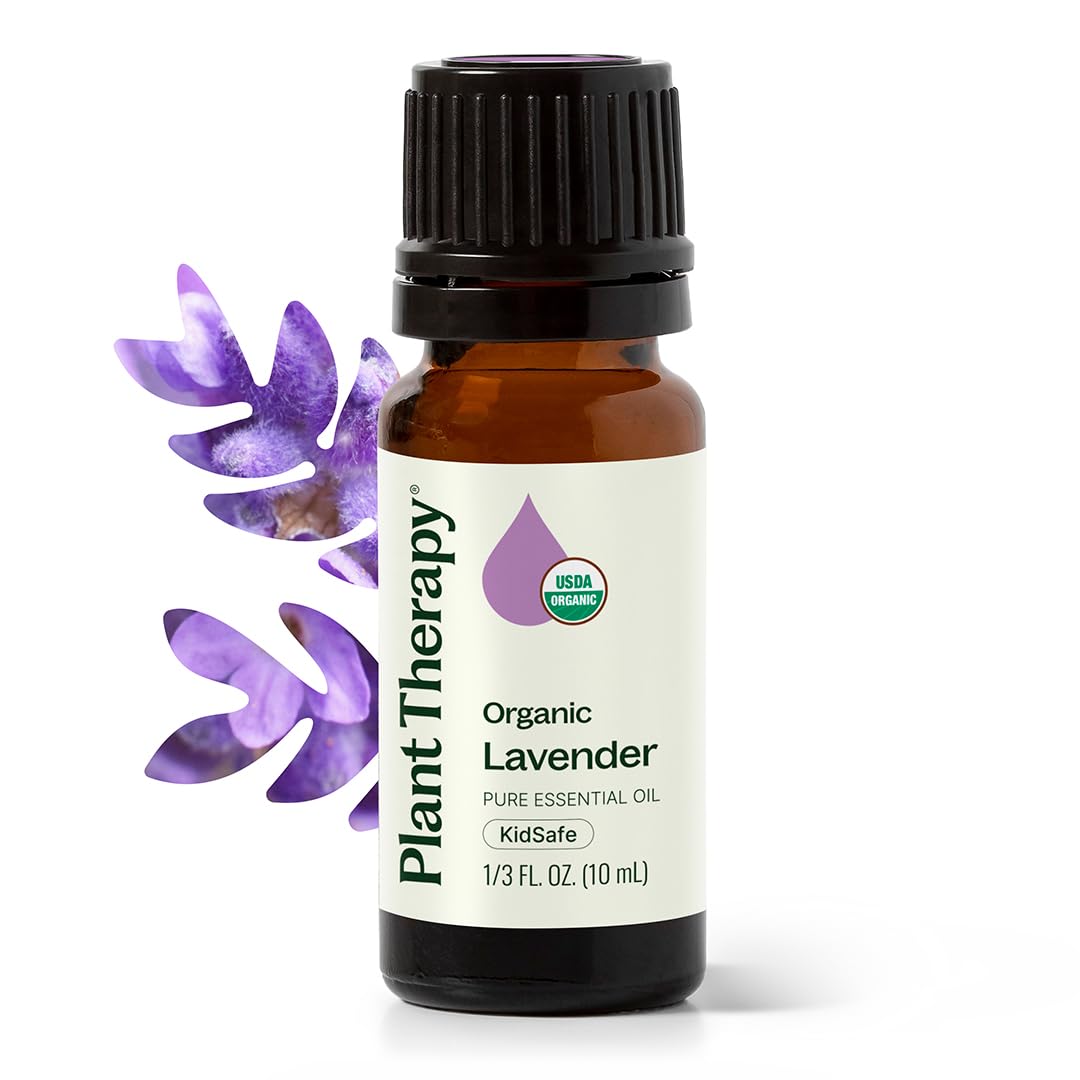
Plant Therapy Organic Lavender Essential Oil 100% Pure, USDA Certified Organic, Undiluted, Natural Aromatherapy, Therapeutic Grade 10 mL (1/3 oz)
Amazon.com: Plant Therapy Organic Lavender Essential Oil 100% Pure, <strong>USDA Certified Organic</strong>, Undiluted, Natural Aromatherapy, Therapeutic Grade 10 mL (1/3 oz) : Health & Household

Vitruvi Stone Diffuser, Ceramic Ultrasonic Essential Oil Diffuser for Aromatherapy | Ceramic Diffuser, Diffusers for Home, Oil Diffuser, Housewarming Gift, Original Diffuser | White, 90ml Capacity
Buy <strong>Vitruvi Stone Diffuser</strong>, Ceramic Ultrasonic Essential Oil Diffuser for Aromatherapy | Ceramic Diffuser, Diffusers for Home, Oil Diffuser, Housewarming Gift, Original Diffuser | Whi
Health Disclaimer
This content is for informational purposes only and does not constitute medical advice. Always consult a qualified healthcare provider before starting, stopping, or changing any supplement or medication regimen.