Naturopathic Remedies for Skin Conditions: An Evidence‑Based Guide to Acne, Eczema, Psoriasis & More
A practical, evidence‑aware guide to naturopathic remedies for skin conditions—acne, eczema, psoriasis, rosacea, fungal infections, and hyperpigmentation.
·10 min read
This content is for informational purposes only and does not constitute medical advice. Always consult a qualified healthcare provider before starting, stopping, or changing any supplement or medication regimen.
If you’re exploring naturopathic remedies for skin conditions, you likely want options that support healing without harsh side effects—and you want to know what actually works. This guide brings together research-informed and traditionally used approaches to common concerns such as acne, eczema, psoriasis, rosacea, contact dermatitis, fungal infections, and hyperpigmentation. Wherever possible, we note the evidence level and explain proposed mechanisms, so you can make informed choices.
What Is the Naturopathic Approach?
Naturopathic care emphasizes whole‑person, root‑cause, and individualized treatment. Rather than just calming a rash, clinicians look for upstream drivers—barrier dysfunction, microbiome imbalances, nutrient gaps, stress, sleep, and environmental triggers. Therapeutic tools include:
Tea tree oil 5% gel for mild‑to‑moderate acne: moderate evidence (small RCTs) for reducing inflammatory lesions via antimicrobial and anti‑inflammatory actions.
Low‑glycemic diets for acne: moderate‑to‑strong evidence for fewer lesions and lower circulating androgens/insulin signaling.
Omega‑3s (EPA/DHA) for psoriasis and inflammatory acne: moderate evidence for reduced inflammation; larger benefits at higher EPA doses in psoriasis.
Mahonia aquifolium (Oregon grape) 10% topical for psoriasis plaques: moderate evidence for symptom improvement.
Vitamin D optimization for eczema/psoriasis: moderate evidence for symptom improvement, especially with deficiency.
Colloidal oatmeal and ceramide moisturizers for eczema: strong evidence for barrier support and itch reduction.
Tea tree oil and undecylenic acid for athlete’s foot: moderate evidence for symptom relief and mycologic improvement.
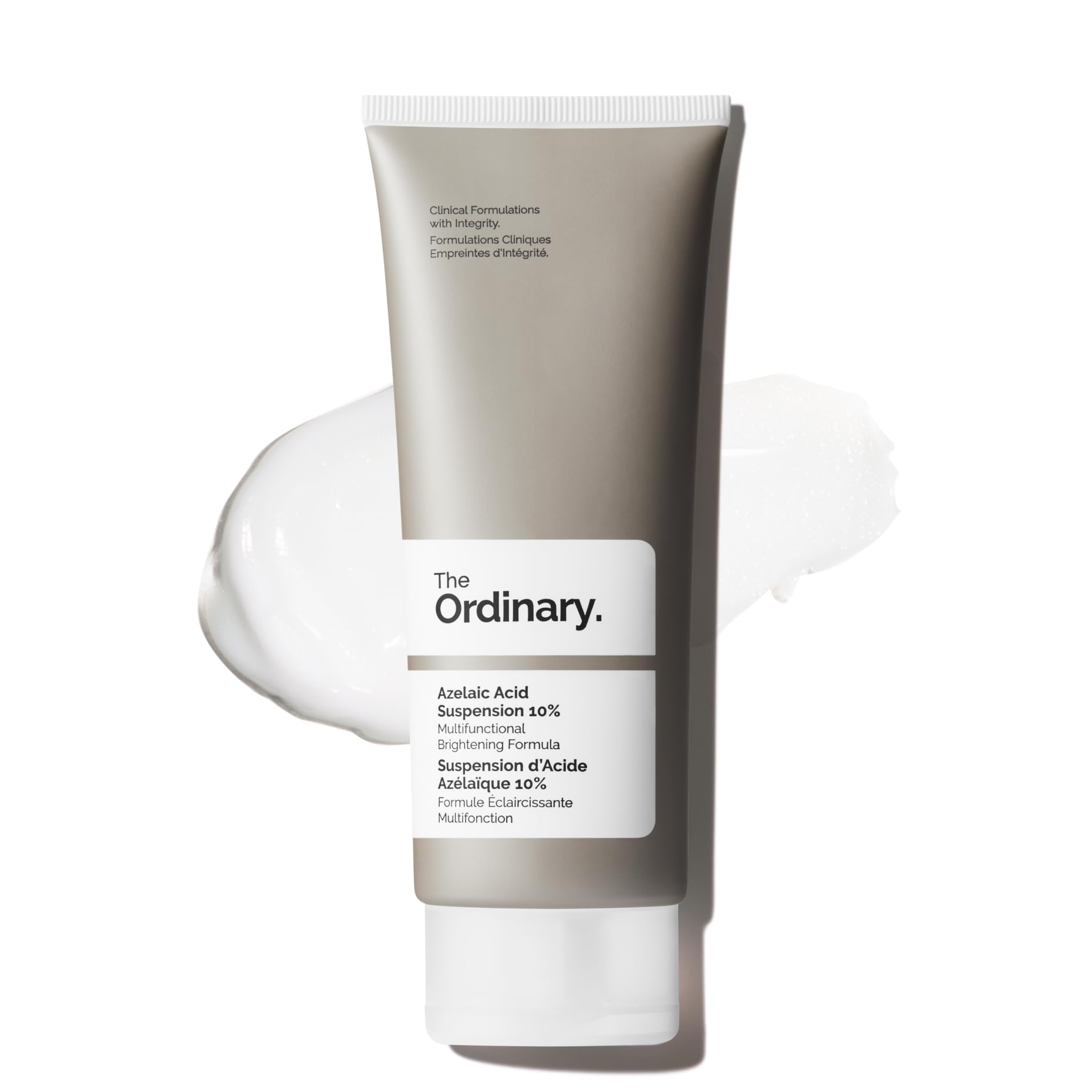
Azelaic acid (a naturally derived dicarboxylic acid) for acne/rosacea/hyperpigmentation: strong evidence (conventional but naturally sourced) for reducing lesions and pigment via antimicrobial/anti‑tyrosinase effects.
Probiotics for eczema: mixed/moderate evidence—benefit appears strain‑ and age‑specific.
Dilute bleach baths: about 1/4 cup of 6% household bleach in a full 40‑gallon tub for 5–10 minutes, 1–2x/week; avoid face. Evidence: moderate for reducing bacterial load and flares.
Internal supports
Vitamin D3: 1000–2000 IU/day if low; test 25(OH)D. Evidence: moderate.
Probiotics: strain‑specific benefits (e.g., Lactobacillus rhamnosus GG in some pediatric studies). Evidence: mixed/moderate.
Evening primrose/borage oil (GLA): research is conflicting; some individuals report benefit. Evidence: emerging; use caution with borage due to potential pyrrolizidine alkaloids unless PA‑free.
Homeopathy: Remedies like Graphites or Sulphur are sometimes used for itch; evidence is limited. Evidence: traditional.
Weight management and Mediterranean‑style diet: associated with improved severity. Evidence: moderate.
Vitamin D optimization via diet/supplementation and medical topical vitamin D analogs (conventional). Evidence: strong for topicals; moderate for systemic optimization.
Azelaic acid 10–15% OTC: reduces papules/pustules and redness. Evidence: strong.
Green tea 2% or licorice extract 1–2% creams: anti‑inflammatory and vasomodulatory effects. Evidence: emerging‑to‑moderate.
Mineral sunscreen (zinc oxide): daily use to reduce UV‑triggered flares. Evidence: strong for trigger prevention.
Internal supports
Trigger management: limit alcohol, very hot beverages, and spicy foods; use a trigger diary. Evidence: strong for symptom control.
Probiotics: may improve barrier and reduce inflammation; ocular rosacea sometimes benefits from Demodex‑targeted lid hygiene (tea tree‑based cleansers, low concentrations). Evidence: emerging‑to‑moderate.
Soothing botanicals: colloidal oatmeal, aloe vera gel, and calendula may help itching/erythema. Evidence: moderate (for oatmeal/aloe); emerging (for calendula).
Caution: essential oils (including tea tree, citrus) are common sensitizers—avoid on active dermatitis.
Fungal Infections (Feet, Body, Nails)
Topical options
Tea tree oil 25–50% solution for tinea pedis: 1–2x/day for 4–6 weeks; can improve symptoms and sometimes mycologic cure. Evidence: moderate; patch test and dilute appropriately.
Ajoene (garlic‑derived) 0.6% cream: shown effective in small trials for tinea; availability varies. Evidence: moderate (small RCTs).
Care notes
Keep areas dry; change socks; use sandals in communal showers. For severe, widespread, or nail infections, medical antifungals are often necessary. Evidence: strong (for conventional antifungals).
Hyperpigmentation (PIH, Melasma)
Topical options
Vitamin C (L‑ascorbic acid 10–20%): antioxidant; inhibits tyrosinase and brightens tone. Evidence: moderate.
Niacinamide 2–5%: reduces melanosome transfer; also supports barrier. Evidence: strong‑to‑moderate.
Azelaic acid 10–20%: anti‑tyrosinase; helpful for melasma and PIH. Evidence: strong.
Daily mineral sunscreen SPF 30+: essential to prevent darkening and recurrence. Evidence: strong.
Herbs and Anti‑Inflammatory Botanicals: Where They Fit
For systemic inflammation or adjunctive care, people often consider turmeric/curcumin, boswellia, and ginger. Mechanistically, these may down‑regulate COX/LOX enzymes and NF‑kB pathways, which can indirectly support inflammatory skin conditions. Evidence ranges from emerging to moderate depending on the herb and condition. For more, see our guide: Herbal Treatments for Inflammation: Evidence‑Based Guide to Turmeric, Boswellia, Ginger & More.
Vitamin D3: dose to achieve sufficiency; often 1000–2000 IU/day, individualized by labs. Evidence: moderate (eczema/psoriasis severity).
Vitamin A/retinoids: powerful but potentially toxic; food‑based beta‑carotene is safer. Medical retinoids are conventional first‑line for acne; use under clinician guidance. Evidence: strong (for prescription retinoids).
Probiotics and fiber: support microbiome balance and barrier function. Evidence: emerging‑to‑moderate.
Timeline: 8–12+ weeks for systemic changes; monitor PASI or plaque size/scale.
Rosacea
Topical: azelaic acid 10–15% once daily; green tea/licorice‑based anti‑redness cream; daily mineral sunscreen.
Internal: track/avoid triggers; consider probiotic; gentle skin care (pH‑balanced, fragrance‑free).
Timeline: 4–8 weeks for papules; redness may take longer.
Contact dermatitis
Immediate: stop suspected product; use bland emollients and colloidal oatmeal soaks.
Seek patch testing if recurrent/unclear; avoid essential oils on active dermatitis.
Timeline: irritant reactions calm within days; allergic reactions may take 2–3 weeks post‑exposure.
Fungal infections (feet/body)
Topical: tea tree oil (25–50%) or undecylenic acid 10–25% 2x/day for 4–6 weeks; keep area dry.
Nail infections typically need medical therapy; consider naturopathic adjuncts only with clinician oversight.
Hyperpigmentation
Morning: vitamin C serum 10–20% + sunscreen SPF 30+.
Evening: azelaic acid 10–20% or niacinamide 5%.
Timeline: 8–12 weeks for PIH; melasma may require ongoing maintenance.
Monitoring and adjustments
Patch test new topicals: apply to inner forearm daily for 3 days before facial or widespread use.
Track progress monthly with photos and simple scores (itch 0–10, lesion count, plaque size, redness).
Modify one variable at a time to identify what helps or irritates.
Thoughtful Product Options (Affiliate Mentions)
Many people find a gentle, fragrance‑free Ceramide Barrier Repair Cream helpful for daily moisturization in eczema and dermatitis.
For acne spot care, a standardized 5% Tea Tree Oil Gel is a commonly chosen option; patch test to avoid irritation.
To support an anti‑inflammatory pattern, a third‑party‑tested High‑EPA Fish Oil (IFOS‑certified) is often considered; discuss dosing with your clinician.
Safety, Contraindications, and Integration with Conventional Care
Herb–drug interactions/precautions:
Curcumin/turmeric: may have antiplatelet effects; caution with anticoagulants.
Licorice (glycyrrhizin): can raise blood pressure and lower potassium; avoid with hypertension or certain meds.
St. John’s wort: photosensitizing; significant drug interactions (e.g., SSRIs, OCPs). Not typically first‑line for skin.
Berberine: avoid in pregnancy and with certain meds; may interact with cyclosporine and affect glycemic drugs.
Essential oils: sensitization risk; never ingest tea tree oil; always dilute and patch test.
Population cautions:
Pregnancy/lactation: avoid high‑dose vitamin A (teratogenic), berberine, and most essential oils; discuss all supplements with your obstetric provider.
Children: use simpler regimens (emollients, oatmeal, limited botanicals) and pediatric dosing; avoid sensitizing oils.
Immunocompromised/diabetes: treat infections promptly; toenail fungus and diabetic feet require medical oversight.
Red flags—seek urgent care or dermatology referral if:
Widespread psoriasis with systemic symptoms or suspected psoriatic arthritis
Integrating care:
Many naturopathic measures pair well with conventional therapies (e.g., emollients with topical steroids; omega‑3s with phototherapy). Always share supplements with your dermatologist to check for interactions.
Start with the basics: gentle cleanser, barrier moisturizer, daily mineral sunscreen; add one new active every 2–4 weeks.
Match remedy to mechanism: azelaic acid for acne/rosacea/PIH; ceramides for eczema; omega‑3s for inflammatory conditions; antifungals for tinea.
Personalize with diet and lifestyle: prioritize a Mediterranean‑style, low‑glycemic pattern, regular sleep, and stress management.
Work with a clinician for moderate‑to‑severe disease, diagnostic uncertainty, or if using multiple supplements.
This article is for educational purposes and does not replace personalized medical advice. Always consult a qualified healthcare professional for diagnosis and treatment.
This content is for informational purposes only and does not constitute medical advice. Always consult a qualified healthcare provider before starting, stopping, or changing any supplement or medication regimen.
Ayurvedic Herbs for Skin Conditions: Evidence‑Based Guide to Uses, Dosage & Safety. If you're exploring ayurvedic herbs for skin conditions like acne, eczema, psoriasis, dermatitis, or fungal infections, you want options that respect both tradition and science. This guide explains the Ayurvedic framework for skin health, highlights commonly used herbs with proposed mechanisms, revi
Essential Oils in Naturopathy: Uses, Evidence, Safety, and How Naturopaths Apply Aromatherapy. If you’re curious about essential oils in naturopathy—what they’re used for, how well they work, and whether they’re safe—you’re not alone. Many people turn to aromatherapy for stress, sleep, skin concerns, and respiratory comfort, but the evidence and safety nuances can be confusing. This guide exp
Naturopathic Remedies for Anxiety: Evidence‑Based Herbs, Supplements, Lifestyle Strategies & When to See a Naturopath. If you’re exploring naturopathic remedies for anxiety, you’re likely looking for options that address root causes, feel gentler than medication, and still have evidence behind them. This guide brings together research‑informed herbs, supplements, lifestyle strategies, and mind–body tools from both w
Naturopathic Approaches to Mental Health: Evidence‑Based Herbs, Supplements, Lifestyle & When to See a Naturopath. Many people are searching for safe, effective ways to feel calmer, think more clearly, and sleep better without relying only on medication. Naturopathic approaches to mental health aim to treat the whole person—body, mind, and environment—while working alongside conventional psychiatric care when ne
Top Vitamins for Skin Health: An Evidence‑Based Guide to Vitamin C, E, A, D, Biotin & More. If you’re wondering which nutrients truly nourish your skin, you’re not alone. Many people search for the top vitamins for skin health to address dryness, acne, fine lines, or uneven tone. Research suggests specific vitamins play distinct biological roles in collagen synthesis, antioxidant defense,
Naturopathic Approaches to Weight Loss: Evidence‑Based Strategies, Herbs, Supplements & When to See an ND. Many people arrive here wondering whether naturopathic approaches to weight loss can offer something more sustainable than another short‑term diet. Naturopathic care aims to improve metabolic health, address root causes (sleep, stress, hormones, gut, medications), and build habits you can maintain,