Ayurvedic Herbs for Skin Conditions: Evidence‑Based Guide to Uses, Dosage & Safety
A practical, evidence‑aware guide to ayurvedic herbs for skin conditions—uses, dosing, safety, and when to combine with conventional care.
·12 min read
This content is for informational purposes only and does not constitute medical advice. Always consult a qualified healthcare provider before starting, stopping, or changing any supplement or medication regimen.
If you're exploring ayurvedic herbs for skin conditions like acne, eczema, psoriasis, dermatitis, or fungal infections, you want options that respect both tradition and science. This guide explains the Ayurvedic framework for skin health, highlights commonly used herbs with proposed mechanisms, reviews what research suggests, and offers practical, safe ways to integrate herbs with conventional care.
How Ayurveda Understands Skin Health
Skin (twak) reflects deeper systemic balance in Ayurveda. Three core principles shape assessment and treatment choices:
Vata (air/space): dryness, roughness, flaking, fissures, rapid change; commonly seen in xerosis, some eczemas.
Pitta (fire/water): heat, redness, inflammation, burning, pustules; often maps to acne flares, rosacea, psoriasis activity.
Kapha (water/earth): oiliness, congestion, swelling, sluggish circulation; relevant for comedonal acne, fungal overgrowth in moist folds.
Agni and ama: Agni is digestive/metabolic “fire.” When low, partially digested by‑products (ama) can accumulate and, per Ayurvedic theory, aggravate skin. Supporting digestion and elimination is central.
Mala and srotas: Mala (wastes such as sweat and sebum) and srotas (channels) must flow well. Blockage can appear as clogged pores, edema, or thickened plaques.
Matching herb choices to patterns:
Pitta‑predominant redness/inflammation: cooling bitters and blood‑soothing herbs (neem, manjistha, aloe, turmeric in moderate amounts).
Vata‑predominant dryness/itch: moistening, demulcent, anti‑inflammatory herbs (aloe gel, licorice), plus emollients and warm, oily foods.
For a deeper primer on Ayurvedic principles, see Ayurvedic Medicine: Origins, Principles, Uses, Safety & Evidence (/articles/ayurvedic-medicine-origins-principles-uses-safety-evidence).
Ayurvedic Herbs for Skin Conditions: Uses, Mechanisms, Evidence, Dosing
Below is a curated, evidence‑focused catalog of commonly used herbs. Evidence is classified as strong (multiple RCTs/meta‑analyses), moderate (limited RCTs/observational studies), emerging (preliminary human data/animal/mechanistic research), or traditional (historical use with minimal modern clinical data).
Neem (Azadirachta indica)
Traditional uses: Acne (pitta‑kapha), infected eczema, folliculitis, scabies, and fungal rashes. Considered bitter, cooling, and antimicrobial.
Constituents/mechanisms: Azadirachtin, nimbin, quercetin; in vitro studies show antibacterial (including against acne‑related bacteria), antifungal, and anti‑inflammatory actions.
What the research says (evidence: emerging): Small clinical studies and comparative trials suggest neem‑containing topicals can reduce acne lesion counts and microbial load; robust, large RCTs are limited.
Formulations and typical dosing:
Topical: Diluted neem oil 1–2% for leave‑on products; 5–10% in wash‑off cleansers. Neem leaf gel/creams applied 1–2 times daily. Always patch test.
Internal: Leaf powder 1–3 g/day or standardized extract 300–500 mg/day in divided doses, short courses (4–8 weeks) under supervision.
Traditional uses: Broad anti‑inflammatory for acne, psoriasis, wounds, and post‑inflammatory hyperpigmentation support.
Constituents/mechanisms: Curcuminoids (notably curcumin) inhibit NF‑κB and COX‑2; antioxidant and antimicrobial effects; supports wound healing signaling.
What the research says (evidence: moderate): Multiple human trials show anti‑inflammatory benefits of curcumin systemically; dermatology‑specific trials suggest improvements in psoriasis scores and acne inflammation with oral or topical forms, though sample sizes are often small. See Herbal Treatments for Inflammation: Evidence‑Based Guide to Turmeric, Boswellia, Ginger & More (/articles/herbal-treatments-for-inflammation).
Formulations and typical dosing:
Topical: Curcumin creams/gels 1–3% once or twice daily; turmeric paste can stain skin/clothing.
Internal: 500–1000 mg/day of curcumin extract, often with piperine or enhanced bioavailability formulas. Take with food.
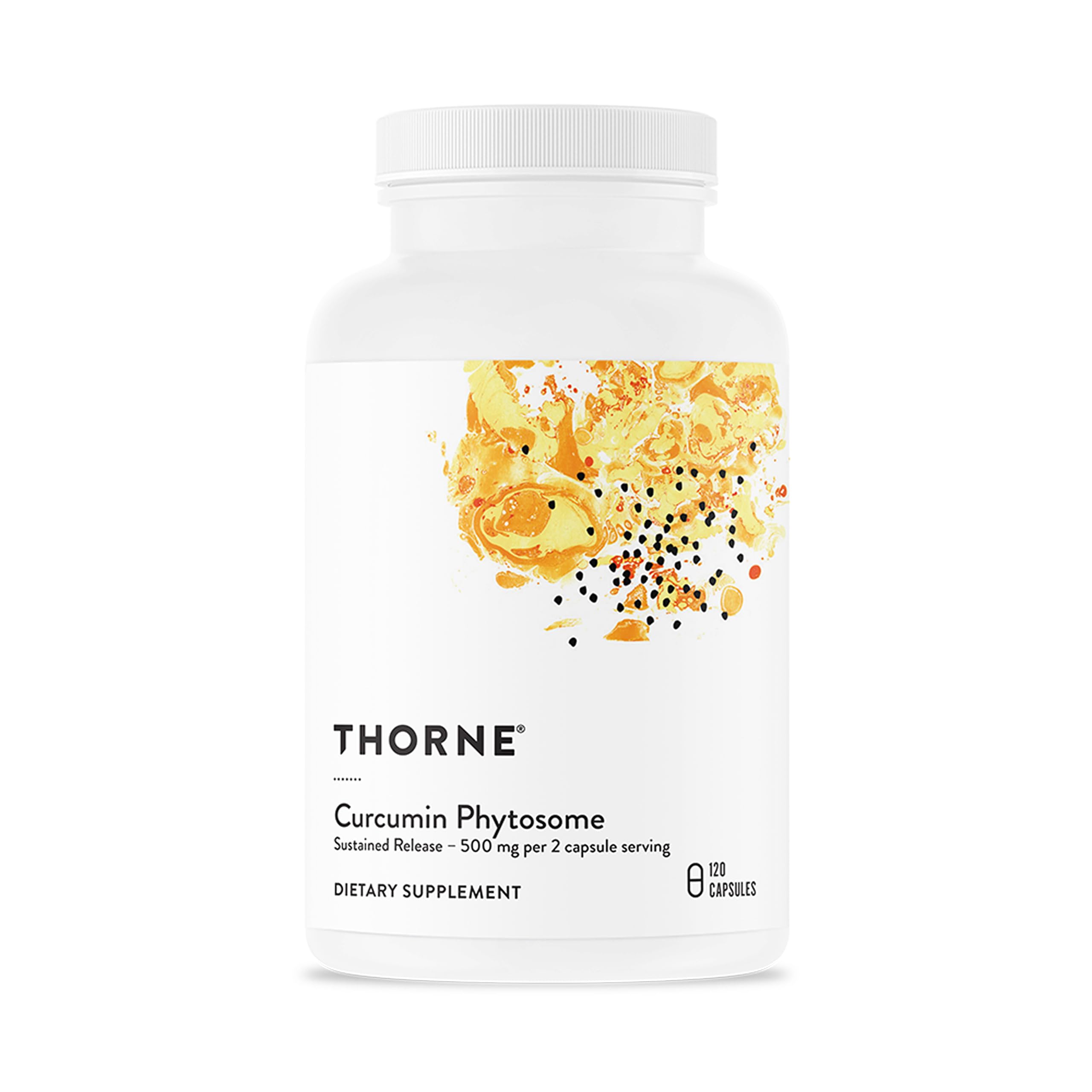
Many people find a third‑party tested option like Standardized Curcumin Supplement convenient; choose products with transparent curcuminoid content.
Traditional uses: Classic “blood purifier” for pitta‑type dermatoses—acne with redness, eczema, and uneven tone/hyperpigmentation.
Constituents/mechanisms: Anthraquinones (e.g., alizarin), mollugin, and phenolics; antioxidant, anti‑inflammatory, and potential lymph/vascular support are proposed.
What the research says (evidence: emerging/traditional): Modern clinical trials are limited; small studies and combination formulas suggest potential benefits for inflammatory skin conditions and tone, but isolated manjistha data are sparse.
Formulations and typical dosing:
Internal: Powder 1–3 g/day or standardized extract 250–500 mg/day.
Topical: Included in oils/gels for spot application to areas of discoloration or inflammation.
Aloe vera (Aloe barbadensis miller)
Traditional uses: Soothes burns, sun irritation, minor wounds, and itchy dermatitis; cooling and moistening for vata‑pitta patterns.
Constituents/mechanisms: Acemannan polysaccharides and glycoproteins support wound healing, hydration, and have anti‑inflammatory/antimicrobial activity.
What the research says (evidence: moderate): Human studies support aloe gel for superficial burns and some forms of psoriasis/seborrheic dermatitis; findings for atopic dermatitis are mixed. Generally safe topically.
Formulations and typical dosing:
Topical: 95–100% pure inner‑leaf gel 1–3 times daily; look for decolorized (low‑anthraquinone) preparations to reduce irritation risk.
Internal: Juice 30–60 mL/day for short periods for digestive support when appropriate; not a primary dermatologic therapy.
Tulsi / Holy Basil (Ocimum sanctum)
Traditional uses: Acne, pruritus, and as an adaptogen when stress triggers flares. Helpful in kapha‑predominant congestion with pitta inflammation.
What the research says (evidence: emerging): Early trials of tulsi topicals suggest antimicrobial and anti‑acne benefits; stronger data exist for stress and glycemic modulation rather than direct dermatologic endpoints. Learn more at Holy Basil (Tulsi) (/supplements/holy-basil-tulsi).
Formulations and typical dosing:
Topical: 1–3% tulsi extract gels/creams for acne‑prone areas once or twice daily.
Internal: 300–600 mg/day standardized extract or tulsi tea (1–2 cups/day). Monitor for blood sugar changes if on hypoglycemics.
Traditional uses: Soothes itching/burning (vata‑pitta), supports even tone, and calms inflamed patches.
Constituents/mechanisms: Glycyrrhizin/glycyrrhetinic acid reduce inflammation and itching; glabridin and liquiritin can inhibit tyrosinase (pigment enzyme), supporting tone.
What the research says (evidence: moderate for topical): Small RCTs suggest 1–2% glycyrrhetinic acid gels reduce atopic dermatitis symptoms; glabridin/liquiritin creams can improve melasma or post‑inflammatory hyperpigmentation in small trials. Oral licorice has systemic effects and requires caution (see Safety).
Formulations and typical dosing:
Topical: 0.5–2% licorice‑derived actives for itch or pigment; apply 1–2 times daily for 8–12 weeks, then reassess.
Internal: DGL (deglycyrrhizinated) forms are used for GI support; not typically primary for skin.
Triphala (Amalaki, Haritaki, Bibhitaki)
Traditional uses: Gut‑skin axis support—improves elimination and digestion, used when constipation or sluggish agni aggravate skin.
Constituents/mechanisms: Tannins, vitamin C, polyphenols; antioxidant, gentle laxative, antimicrobial; may reduce oxidative stress that contributes to skin inflammation.
What the research says (evidence: emerging): Clinical data for skin outcomes are limited; some human studies show antioxidant and oral health benefits. Dermatology‑specific RCTs are scarce.
Formulations and typical dosing:
Internal: Powder 1–3 g in warm water at bedtime, or capsules 500–1000 mg 1–2 times/day.
Topical: Occasional use in herbal washes; patch test due to astringency.
Guduchi (Tinospora cordifolia)
Traditional uses: Immunomodulatory and pitta‑pacifying; utilized for chronic inflammatory skin conditions like eczema and psoriasis.
Constituents/mechanisms: Alkaloids, diterpenoid lactones (tinosporaside), and polysaccharides; proposed to modulate Th1/Th2 balance and inflammatory cytokines.
What the research says (evidence: emerging, safety caveats): Preliminary trials suggest anti‑inflammatory and immunomodulatory effects, but dermatology‑specific human data are limited. Case reports of liver injury have been published (see Safety), emphasizing the need for supervision and quality sourcing.
Formulations and typical dosing:
Internal: 300–600 mg/day standardized extract or 30–60 mL/day decoction, typically for limited durations with liver function monitoring if prolonged.
What the Research Says: Quick Evidence Snapshot
Strong: None of the above herbs reach “strong” evidence for dermatology endpoints alone; turmeric has stronger general anti‑inflammatory evidence.
Moderate:
Turmeric/curcumin for inflammatory pathways relevant to psoriasis and acne (small to moderate human trials).
Licorice topicals for itch/inflammation (atopic dermatitis) and for hyperpigmentation (small RCTs/open trials).
Aloe gel for minor burns and some scaly dermatoses.
Emerging:
Neem for acne and superficial infections (small human studies; robust RCTs limited).
Tulsi for acne (small trials; better evidence for stress modulation).
Manjistha and triphala for inflammatory skin conditions and tone (limited clinical data).
Herbs can meaningfully affect physiology. Discuss with a qualified clinician, especially if pregnant, nursing, managing chronic illness, or taking medication.
Neem:
Adverse effects: GI upset; rare liver enzyme elevations. Neem oil is potent—undiluted use can irritate skin.
Precautions: Avoid internal use in pregnancy and for young children; rare reports of serious reactions from ingesting neem oil in children. Possible hypoglycemic effects.
Turmeric/curcumin:
Adverse effects: GI upset, reflux at higher doses; may raise liver enzymes in susceptible individuals at high doses.
Interactions: May potentiate anticoagulants/antiplatelets; caution with gallstones or bile duct obstruction.
Manjistha:
Adverse effects: Generally well‑tolerated; theoretical interactions with anticoagulants due to phenolic content; may discolor urine/stools.
Precautions: Avoid in pregnancy due to traditional emmenagogue concerns; limited lactation data.
Aloe vera:
Topical: Generally safe; rare contact dermatitis—patch test first.
Internal: Avoid whole‑leaf/latex (aloins) due to laxative effect and potential electrolyte imbalance; choose decolorized products. Avoid in pregnancy/lactation unless advised.
Tulsi (holy basil):
Adverse effects: Usually mild; may lower blood sugar—caution with diabetes medications.
Interactions: Potential antiplatelet effect—use caution with anticoagulants/antiplatelets.
Licorice:
Adverse effects: Glycyrrhizin can raise blood pressure, lower potassium, and cause edema with chronic/high intake. Prefer DGL forms if using internally for GI.
Interactions: Potentiates corticosteroids; caution with diuretics, digoxin, and antihypertensives.
Topical use is generally safe; systemic effects are unlikely from typical dermatologic concentrations.
Triphala:
Adverse effects: Mild GI changes; choose reputable brands due to occasional heavy metal adulteration in some Ayurvedic products.
Guduchi:
Adverse effects: Case reports of liver injury; discontinue if jaundice, dark urine, or right‑upper‑quadrant pain occur.
Interactions: Immunomodulatory effects may interact with immunosuppressive therapy.
General precautions:
Pregnancy/lactation: Limit to well‑established topicals like aloe gel unless guided by a clinician; avoid neem and manjistha internally.
Pediatrics: Prefer conservative topical approaches (aloe, appropriately diluted neem), and consult pediatric clinicians for internal use.
Quality and sourcing: Choose products with third‑party testing (USP, NSF, or equivalent). Avoid products with undisclosed metals/minerals. Many readers use tools like a Fragrance‑Free Patch Test Kit to test new topicals safely at home.
Patch testing: Apply a pea‑sized amount to the inner forearm for 24–48 hours before broader use.
Monitoring: Track blood pressure with licorice, liver enzymes with prolonged guduchi or high‑dose curcumin, and coagulation risk if on antithrombotics.
Practical, Integrative Application: Protocol Ideas and When to Seek Care
These examples illustrate how ayurvedic herbs for skin conditions can be integrated with sensible skincare and, when needed, conventional therapies. Adapt to your constitution and work with a clinician for personalized plans.
Acne (often pitta‑kapha)
Topical (8–12 weeks):
Morning: Gentle cleanser; neem gel (1–2%) to oily areas; oil‑free sunscreen.
Night: Turmeric/curcumin gel (1–3%) as a thin layer or spot treatment; non‑comedogenic moisturizer as needed.
Internal: Tulsi tea 1–2 cups/day to support stress and microbial balance; triphala 1–2 g at bedtime if constipation or sluggish digestion is present.
Integrative notes: Combine with evidence‑based topicals (adapalene or benzoyl peroxide) for moderate inflammatory acne and avoid simultaneous application with turmeric to reduce irritation risk. Refer for nodulocystic acne or scarring risk. For a broader skin toolkit, see Naturopathic Remedies for Skin Conditions: An Evidence‑Based Guide to Acne, Eczema, Psoriasis & More (/articles/naturopathic-remedies-for-skin-conditions-evidence-based-guide).
Eczema/Atopic Dermatitis (often vata‑pitta)
Topical (ongoing):
Liberal fragrance‑free emollients; aloe gel under moisturizer for itch/hot patches.
Licorice‑derived cream (0.5–2%) to itchy plaques 2–3 times/day for 2–4 weeks, then as needed.
Internal: Short course of guduchi 300 mg twice daily (4–8 weeks) only with clinician oversight; consider curcumin 500 mg/day if systemic inflammation is prominent and medications allow.
Integrative notes: Use low‑potency topical corticosteroids for flares as needed; watch for secondary bacterial infection (weeping, honey‑colored crusts) and seek medical care. Stress can worsen itching; consider the practices in Stress Relief with Ayurveda: Dosha‑Based Techniques, Breathing, Diet & Herbal Support (/articles/stress-relief-with-ayurveda-dosha-based-techniques-breathing-diet-herbal-support).
Psoriasis (often pitta with systemic drivers)
Topical: Curcumin gel 1–3% to plaques once or twice daily; emollients after bathing.
Internal: Curcumin 500–1000 mg/day with food; monitor liver enzymes if prolonged or combined with hepatically metabolized drugs.
Integrative notes: Coordinate with a dermatologist—phototherapy (NB‑UVB) and systemic agents may be indicated for extensive disease (PASI >10) or psoriatic arthritis. Herbs may complement but rarely replace standard care.
Topical: Keep areas dry; apply diluted neem oil (1–2%) or tulsi‑containing powders in skin folds; avoid occlusive oils that trap moisture.
Integrative notes: Over‑the‑counter antifungals (terbinafine, clotrimazole) remain first‑line; herbs can be adjuncts for odor/itch. Seek medical care for persistent, widespread, or recurrent infections (consider diabetes screening).
Hyperpigmentation and Uneven Tone
Topical (8–12 weeks, then maintenance): Daily sunscreen is non‑negotiable. Use licorice‑derived actives (glabridin 0.5–1% or liquiritin) once or twice daily; consider manjistha‑containing serums as adjuncts.
Integrative notes: For melasma or recalcitrant PIH, discuss azelaic acid, retinaldehyde, or hydroquinone with a dermatologist. Patch test all brightening agents.
Lifestyle and Dietary Considerations (Ayurvedic perspective)
Kapha‑lightening: Favor steamed vegetables, legumes, and movement; limit heavy, sugary, or dairy‑dense meals.
Vata‑nourishing: Warm, moist, lightly spiced foods; sesame or ghee in moderation; regular sleep and routines.
Foundational skin nutrition: Adequate protein, omega‑3s, and micronutrients support barrier repair. For evidence‑based supplements, see Top Vitamins for Skin Health: An Evidence‑Based Guide to Vitamin C, E, A, D, Biotin & More (/articles/top-vitamins-for-skin-health-evidence-based-guide).
Product convenience: If capsules fit your routine, Organic Neem Leaf Capsules are a format some people discuss with clinicians for short courses.
How to Use This Information
Start low and go slow: Introduce one product at a time, patch test, and observe for 1–2 weeks before layering more.
Match the herb to the pattern: Cooling bitters (neem, manjistha, aloe) for hot/red flares; antimicrobial/drying (tulsi, neem) for oily/congested skin; demulcents (aloe, licorice) for dryness/itch.
Combine wisely: Ayurvedic herbs for skin conditions can complement conventional care, especially for mild to moderate disease. Escalate or refer for severe, scarring, systemic symptoms, or if no improvement after 8–12 weeks.
Track outcomes: Use photos and a simple symptom scale weekly. Pause and reassess if irritation, systemic symptoms, or lab abnormalities arise.
Disclaimer
This article is for educational purposes and does not replace personalized medical advice. Always consult a qualified healthcare professional before starting, stopping, or combining herbal products with prescriptions, especially if you are pregnant, nursing, have liver/kidney disease, an autoimmune condition, or take anticoagulants, immunosuppressants, antihypertensives, diabetes medications, or diuretics.
This content is for informational purposes only and does not constitute medical advice. Always consult a qualified healthcare provider before starting, stopping, or changing any supplement or medication regimen.
Naturopathic Remedies for Skin Conditions: An Evidence‑Based Guide to Acne, Eczema, Psoriasis & More. If you’re exploring naturopathic remedies for skin conditions, you likely want options that support healing without harsh side effects—and you want to know what actually works. This guide brings together research-informed and traditionally used approaches to common concerns such as acne, eczema, pso
If you’re curious about ayurvedic medicine—what it is, how it works, where it helps, and where evidence is limited—this guide brings together both traditional teachings and modern research. Ayurvedic
Ayurvedic Oils for Massage Therapy: Types, Benefits, Dosha‑Based Picks, and How to Use Them. If you’re curious about ayurvedic oils for massage therapy—what to choose, how they work, and whether any of this is evidence‑based—you’re not alone. In Ayurveda, massage (abhyanga) with warm oil is both daily self‑care and targeted therapy. This guide explains the oils, when to use them, what resea
What Is Ayurveda? An Evidence-Based Guide to Principles & Practices. If you’ve ever wondered “what is Ayurveda?” you’re not alone. Interest in this ancient healing system is rising worldwide, yet clear, evidence-informed explanations can be hard to find. This guide bridges traditional Ayurvedic wisdom with modern research so you can appreciate its philosophy, know wh
Top Vitamins for Skin Health: An Evidence‑Based Guide to Vitamin C, E, A, D, Biotin & More. If you’re wondering which nutrients truly nourish your skin, you’re not alone. Many people search for the top vitamins for skin health to address dryness, acne, fine lines, or uneven tone. Research suggests specific vitamins play distinct biological roles in collagen synthesis, antioxidant defense,
Nutrition and Herbal Guide for Wellness: Evidence‑Based Foods, Vitamins, and Herbal Remedies. If you’re looking for a single, trustworthy nutrition and herbal guide for wellness, you’re not alone. Many people want a practical plan that blends research‑backed nutrition with time‑tested herbal support—without hype. This guide outlines core diet principles, essential vitamins and minerals, and