Nutrition and Herbal Guide for Wellness: Evidence‑Based Foods, Vitamins, and Herbal Remedies
An evidence‑based nutrition and herbal guide for wellness: core diet, key vitamins, and top herbs with dosages, interactions, and safety tips.
·10 min read
This content is for informational purposes only and does not constitute medical advice. Always consult a qualified healthcare provider before starting, stopping, or changing any supplement or medication regimen.
If you’re looking for a single, trustworthy nutrition and herbal guide for wellness, you’re not alone. Many people want a practical plan that blends research‑backed nutrition with time‑tested herbal support—without hype. This guide outlines core diet principles, essential vitamins and minerals, and high‑value herbs, with clear notes on evidence strength, dosing, and safety.
Core Nutrition Principles in a Nutrition and Herbal Guide for Wellness
A food‑first approach remains the foundation for vitality. Research suggests that dietary patterns emphasizing whole, minimally processed foods, diverse plant intake, and adequate protein are associated with better metabolic, cardiovascular, and cognitive health.
The plate, simplified
Aim for roughly half your plate in colorful vegetables and fruits; one quarter in protein (fish, legumes, poultry, tofu, eggs); and one quarter in whole grains or starchy vegetables (brown rice, quinoa, oats, sweet potato). Adjust portions for your energy needs.
Fiber target: about 25–38 g/day (women/men) supports digestive health, glycemic control, and satiety (strong evidence for cardiometabolic benefits).
Protein: 1.0–1.6 g/kg/day suits most active adults; older adults may benefit from the higher end for muscle preservation (moderate to strong evidence). Include a protein source at each meal.
Healthy fats: Prioritize extra‑virgin olive oil, nuts, seeds, avocado, and omega‑3‑rich fish (e.g., salmon, sardines) 2x/week (strong evidence for heart health).
Hydration: A practical guide is 30–35 mL/kg/day (about 2–3 L for many adults), more with heat/exercise. Pale‑yellow urine is a simple check.
Anti‑inflammatory, plant‑forward eating
Emphasize vegetables, fruits, legumes, whole grains, spices (turmeric, ginger), tea/coffee in moderation, and fermented foods. Limit refined sugars, ultra‑processed snacks, and excessive alcohol.
Dietary patterns with the best evidence: Mediterranean and DASH diets reduce cardiovascular risk and support healthy blood pressure and lipids (strong evidence). Plant‑forward approaches (including well‑planned vegetarian/vegan diets) support gut and metabolic health (moderate to strong evidence).
Personalize by age, activity, and goals
Active individuals: Higher total calories, protein toward 1.4–1.6 g/kg/day, and carbohydrate timing around workouts may improve performance and recovery.
Midlife and beyond: Slightly higher protein per meal (25–35 g), calcium (1,000–1,200 mg/day from food + supplements if needed), vitamin D adequacy, and resistance training support bone and muscle.
Weight management: Emphasize protein and fiber for satiety, consistent meal timing, and sleep hygiene.
Cultural and traditional patterns: Many Eastern systems (e.g., Traditional Chinese Medicine and Ayurveda) value warm, cooked meals for digestion and regularity of mealtimes. While modern trials are limited, these practices align with mindful, minimally processed eating (traditional to emerging evidence).
What the Research Says
Mediterranean/DASH‑style diets: robust RCTs and meta‑analyses show reductions in cardiovascular events and blood pressure (strong evidence).
Higher fiber and diverse plant intake: associated with improved insulin sensitivity and lower inflammation markers (strong evidence from cohort studies and RCTs).
Omega‑3 intake from fish: supports triglyceride reduction and may benefit mood and cognition (moderate evidence; stronger for triglycerides).
Essential Vitamins and Minerals: Food‑First, Smart Supplementation
Food delivers nutrients with synergistic compounds (polyphenols, fiber) not found in pills. Still, targeted supplementation can be useful when there’s a diagnosed deficiency, limited sun exposure, restrictive diets, or specific life stages. Always consider interactions and safe upper limits.
Vitamin D
Why it matters: Bone health, immune function, and mood regulation (moderate evidence for immune support; strong for bone health when combined with calcium).
Choose third‑party tested products (USP, NSF, or ConsumerLab). Many people find High‑Purity Fish Oil Softgels convenient for meeting omega‑3 goals; look for clear EPA/DHA amounts per serving.
Pill fatigue is real. A food‑first focus plus 1–2 targeted supplements is often more sustainable.
A simple tool like a Digital Kitchen Scale can help you right‑size portions and track protein and fiber without obsessing.
Herbs are concentrated sources of plant compounds that may support stress resilience, digestion, immunity, sleep, and healthy inflammation responses. Quality, dose, and timing matter. Traditionally used remedies can complement a sound diet; modern studies vary in rigor, so we note the evidence level.
Before starting herbs:
Review medications and conditions for interactions.
Start low, go slow, and track how you feel.
Prefer products with clear species, part used, extraction ratio, and standardization (if applicable).
Proposed benefits: Stress and anxiety support, sleep quality, and exercise recovery.
What the research says: Multiple RCTs suggest reductions in perceived stress and cortisol and improvements in sleep (moderate evidence). Effects on performance and testosterone are mixed (emerging to moderate).
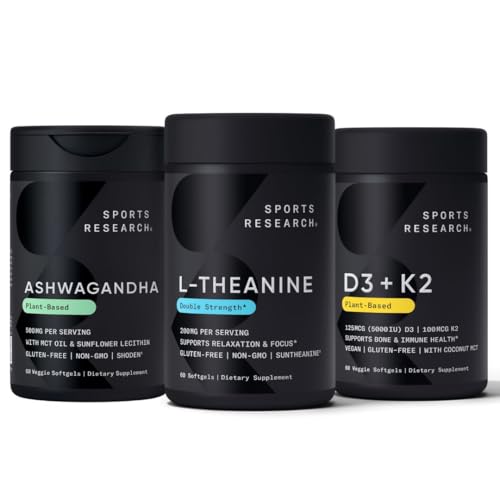
Typical dosing: 300–600 mg/day of root extract standardized to 5–10% withanolides; evening dosing may aid sleep.
Mechanisms: Withanolides may modulate GABAergic signaling and the HPA stress axis.
Safety/Interactions: Avoid in pregnancy; caution with hyperthyroidism, autoimmune conditions, sedatives, and thyroid meds.
What the research says: Meta‑analyses in osteoarthritis show modest pain and function improvements vs. placebo (moderate to strong for joint symptoms). Mixed results in other inflammatory conditions (emerging to moderate).
Typical dosing: 500–1,000 mg/day curcuminoids, often with black pepper extract (piperine) or phospholipid formulations for absorption. Culinary turmeric is excellent for daily use.
Mechanisms: Curcumin can inhibit NF‑κB and COX‑2, key inflammatory pathways.
Safety/Interactions: May interact with anticoagulants/antiplatelets and affect gallbladder issues; high doses can aggravate reflux.
Ginger (Zingiber officinale)
Proposed benefits: Nausea relief, digestive comfort, and joint support.
What the research says: Strongest evidence for nausea (pregnancy, motion, postoperative); some support for dyspepsia (strong for nausea; moderate for digestion). Joint benefits are mixed.
Typical dosing: 500–1,000 mg/day of extract; or 1–2 g/day fresh ginger in food/tea.
Mechanisms: 6‑gingerol and shogaols may influence gastric motility and serotonin receptors.
Safety/Interactions: Generally well‑tolerated; caution with anticoagulants at higher supplemental doses.
Chamomile (Matricaria chamomilla)
Proposed benefits: Calming and sleep support; gentle digestive aid.
What the research says: Small RCTs indicate benefits for mild anxiety and sleep latency (moderate evidence). Traditional use is extensive.
Typical dosing: Tea of 1–2 g flowers steeped 5–10 minutes, 1–3 cups/day; or standardized extracts per label.
Mechanisms: Apigenin may bind to benzodiazepine receptors; antispasmodic effects in the gut.
Safety/Interactions: Avoid if allergic to ragweed/daisies; may enhance sedative effects of CNS depressants.
Echinacea (Echinacea purpurea/angustifolia)
Proposed benefits: Shorten duration or severity of common colds if taken at first sign.
What the research says: Mixed results; some preparations show modest benefits when started early (emerging to moderate evidence).
Typical dosing: At onset, tincture 2–3 mL every 2–3 hours for the first day, then 3x/day for several days; standardized capsules per label.
Mechanisms: Alkamides and polysaccharides may modulate innate immune signaling.
Safety/Interactions: Caution with autoimmune conditions or immunosuppressants; ragweed allergy cross‑reactivity possible.
Looking to support your immune system holistically—food, sleep, movement, and herbs together? See our Holistic Methods for Improving Immunity: An Evidence‑Based Guide to Lifestyle, Herbs, and Mind‑Body Practices.
A simple kit like an Herbal Tea Infuser Bottle can make it easier to brew ginger or chamomile on the go without changing your routine.
Practical Implementation and Safety
Combine whole foods and herbs in daily meals
Morning: Oatmeal with flaxseeds, berries, and yogurt; green tea. Optional: vitamin D during winter if your levels are low.
Lunch: Lentil‑vegetable soup with turmeric and black pepper; side salad with olive oil; whole‑grain bread.
Snack: Apple with almond butter; ginger tea if prone to motion sickness later.
Dinner: Salmon (or tofu) with quinoa, roasted vegetables, and a leafy‑green salad. Consider culinary turmeric/ginger for flavor and potential anti‑inflammatory support.
Evening: Chamomile tea and a consistent wind‑down routine. If stress is high, some people trial ashwagandha under guidance for 6–8 weeks and reassess.
A weekly prep routine plus basic tools helps. Many find a BPA‑Free Meal Prep Container Set practical for batching grains, legumes, and veggies, making the healthy choice the easy one.
Sourcing and quality standards
Buy herbs and supplements from companies with third‑party testing (USP, NSF, ConsumerLab) and cGMP compliance.
Prefer products listing plant species, part used, extraction method, and standardization.
For culinary spices, choose vibrant color/aroma and rotate stock every 6–12 months.
Basic preparation methods
Infusions (teas): Pour just‑off‑boil water over delicate parts (leaves/flowers) like chamomile; cover and steep 5–10 minutes.
Tinctures: Hydro‑alcohol extracts allow flexible dosing and long shelf life; follow the label for mL or dropperful dosing.
Capsules/tablets: Convenient for standardized extracts (e.g., ashwagandha, curcumin). Verify dose per capsule.
Monitor outcomes and adjust
Track 2–3 metrics that matter to you (e.g., energy 1–10, sleep hours, weekly step count, joint comfort). Reassess after 4–8 weeks.
Change one variable at a time so you can tell what’s working.
Red flags and when to seek help
Seek medical care if you notice chest pain, fainting, rapid heart rate, swelling of lips/tongue, severe rash, persistent jaundice, dark urine, or severe abdominal pain.
Get testing if you have persistent fatigue, hair loss, heavy menstrual bleeding, numbness/tingling, frequent infections, or you follow a restrictive diet (consider vitamin D, B12, ferritin/iron studies, thyroid panel under clinician guidance).
Pregnancy, breastfeeding, major chronic illness, surgeries, and use of multiple medications warrant professional guidance before starting supplements or herbs.
Children require age‑appropriate dosing and pediatric oversight.
Build a plant‑forward, Mediterranean‑style base and personalize protein, carbs, and calories to your goals.
Fill nutrient gaps with targeted, third‑party tested supplements only as needed.
Choose a short list of herbs aligned with your top goals (e.g., chamomile for sleep, ginger for digestion, ashwagandha for stress) and evaluate their effects over 4–8 weeks.
Keep medications and interactions in view; when in doubt, ask your pharmacist or clinician.
Remember that a nutrition and herbal guide for wellness works best alongside sleep, movement, stress skills, sunlight, and community.
What the Research Says (at a glance)
Diets rich in plants, fiber, and healthy fats are consistently linked to better cardiometabolic outcomes (strong evidence).
Targeted vitamins/minerals correct deficiencies and improve related symptoms when properly dosed (strong evidence for deficiency correction).
Select herbs show benefits for stress, sleep, nausea, and joint comfort, though effect sizes vary and quality matters (emerging to moderate evidence depending on the herb and outcome).
Disclaimer
This guide is for educational purposes and does not replace personalized medical advice. Always consult a qualified healthcare professional before making significant changes to your diet, supplements, or medications, especially if you are pregnant, breastfeeding, managing a medical condition, or taking prescription drugs.
This content is for informational purposes only and does not constitute medical advice. Always consult a qualified healthcare provider before starting, stopping, or changing any supplement or medication regimen.
If you’re curious about Chinese herbs—what they are, how they’re used, and what modern research actually says—you’re not alone. Chinese herbs are a central pillar of Traditional Chinese Medicine (TCM)
If you’re exploring herbal supplements, you’re likely asking two big questions: Do they work, and how do I choose safe, high-quality options? This guide explains what herbal supplements are, what the
Best Practices for Healthy Digestion: An Evidence‑Based Guide to Diet, Lifestyle, and When to Use Supplements. If you’re wondering which daily habits actually help your gut feel calm, regular, and resilient, you’re not alone. This guide collects the best practices for healthy digestion—what to eat, how to live, and when to consider targeted supplements—so you can build a plan that’s realistic and evidence‑in
Holistic Methods for Improving Immunity: An Evidence‑Based Guide to Lifestyle, Herbs, and Mind‑Body Practices. If you’re looking for holistic methods for improving immunity, you’re not alone. Many people want a practical, evidence‑informed plan that blends lifestyle, nutrition, mind–body practices, and time‑honored botanicals. Research suggests you can support both innate and adaptive immunity by stacking sm
Curious if herbal medicine can help with sleep, stress, digestion, or energy? This guide explains what herbal medicine is, how it’s used across traditions, what the research says, how to choose qualit
Herbal Detox Programs for Vitality: Evidence, Safe Protocols, and What Works. If you’re exploring herbal detox programs to boost vitality, you’re likely aiming for more steady energy, clearer digestion, and a sense of “lightness” without harsh cleanses. Herbal detox programs, when thoughtfully designed, focus on supporting the body’s own elimination systems—liver, kidneys, ly