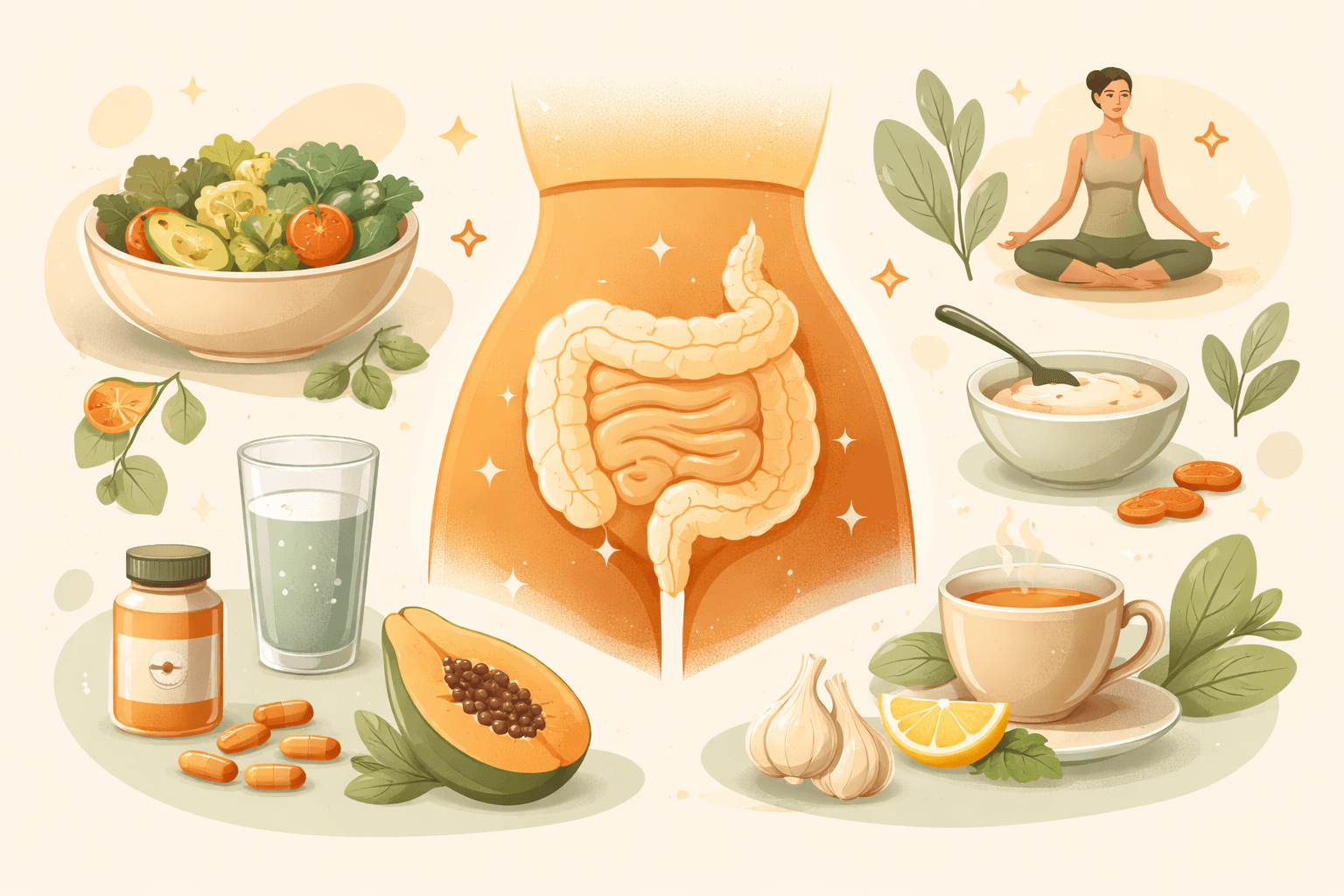
Best Practices for Healthy Digestion: An Evidence‑Based Guide to Diet, Lifestyle, and When to Use Supplements
A practical, evidence‑based guide to best practices for healthy digestion—diet, lifestyle, smart supplement use, and red flags you shouldn’t ignore.
·12 min read
This content is for informational purposes only and does not constitute medical advice. Always consult a qualified healthcare provider before starting, stopping, or changing any supplement or medication regimen.
If you’re wondering which daily habits actually help your gut feel calm, regular, and resilient, you’re not alone. This guide collects the best practices for healthy digestion—what to eat, how to live, and when to consider targeted supplements—so you can build a plan that’s realistic and evidence‑informed.
Research suggests that small, repeatable choices across diet, movement, sleep, and stress add up. Eastern traditions have long emphasized meal pacing, warm foods, and herbs; modern studies indicate that fiber, fermented foods, and nervous‑system regulation are powerful levers too. We’ll show you how to combine them, what the research says, and how to personalize your approach.
Why healthy digestion matters
Your digestive system breaks down food, absorbs nutrients, manages waste, and communicates with your immune and nervous systems. Studies indicate that:
Immunity: A large proportion of immune cells reside in the gut lining (the gut‑associated lymphoid tissue). A balanced microbiome helps train appropriate immune responses.
Mood and brain function: The gut–brain axis and microbial metabolites (like short‑chain fatty acids, or SCFAs) influence stress reactivity and mood. Emerging evidence shows diet shifts can alter these signals.
Energy and metabolic health: Efficient digestion supports stable blood sugar and micronutrient status; high‑fiber diets are associated with lower risk of type 2 diabetes and cardiovascular disease (strong evidence).
Long‑term disease risk: Diets rich in plants and minimally processed foods are linked to lower risks of colorectal cancer and inflammatory diseases (strong to moderate evidence).
Signs of healthy digestion may include 1–2 comfortable bowel movements per day (or your personal regular pattern), minimal gas/bloating, rare heartburn, steady energy, and clear skin. Red flags include persistent pain, blood in stool, unintentional weight loss, fever, anemia, or waking at night with GI symptoms—see the red‑flags section below.
Best practices for healthy digestion: core dietary moves
1) Prioritize fiber (both soluble and insoluble)
What it is: Insoluble fiber adds bulk and speeds transit (think wheat bran, many vegetables). Soluble fiber forms a gel, slows digestion, and feeds beneficial microbes (oats, beans, psyllium, chia, many fruits).
Why it helps: Microbes ferment soluble fibers and resistant starch into SCFAs (e.g., butyrate), which help maintain the gut lining, regulate inflammation, and support motility. Strong evidence links higher fiber intake with improved regularity and lower chronic disease risk.
How much: Most adults benefit from 25–38 g/day. Increase gradually (5 g/week) to reduce gas. Diverse sources beat a single source.
If your intake falls short, many people find Psyllium Husk Powder helpful for reaching daily fiber targets. Research suggests psyllium supports regularity and may ease cholesterol absorption (moderate evidence). Start low (e.g., ½–1 tsp) with plenty of water.
2) Hydrate well
Water helps fiber do its job and keeps stools soft. A practical target is pale‑yellow urine. Many adults do well around 2–3 liters/day, adjusting for climate and activity. Herbal teas and broth count. Electrolytes can help if you sweat heavily.
3) Consider meal timing and portion sizes
Regular meals: Consistent mealtimes train the migrating motor complex (MMC)—the gut’s housekeeping waves between meals. Leaving 3–4 hours between meals may support this process.
Earlier dinners: Studies indicate that earlier, lighter evening meals may reduce reflux and align with circadian rhythms (moderate evidence).
Portions: Slightly smaller meals can reduce post‑meal bloating, especially with high‑fat or high‑FODMAP foods.
4) Add fermented foods and prebiotics
Yogurt with live cultures, kefir, kimchi, sauerkraut, miso, tempeh, and kombucha provide living microbes and/or fermentation byproducts. A randomized study suggests a diet rich in fermented foods can increase microbiome diversity and decrease inflammatory markers (moderate evidence). Prebiotics—specific fibers like inulin, fructo‑oligosaccharides, and resistant starch—feed beneficial microbes.
Start with small servings (2–4 tablespoons of fermented vegetables) to gauge tolerance.
For a deeper diet blueprint, see Nutritional Guidelines for Gut Health: An Evidence‑Based Diet Plan for a Healthy Microbiome (/articles/nutritional-guidelines-for-gut-health).
5) Identify and reduce common irritants
Ultra‑processed foods, excess sugar, and heavy alcohol intake are associated with dysbiosis and gut barrier stress (moderate evidence).
High‑fat meals can slow stomach emptying and worsen reflux.
FODMAPs (fermentable carbs) like onion, garlic, wheat, beans, and some fruits often increase gas/bloating in sensitive people. A short‑term low‑FODMAP trial under guidance can help identify triggers; reintroduction is essential to avoid needlessly restrictive diets (strong evidence for IBS symptom relief).
Lifestyle and behavioral factors that move the needle
Move your body most days
Regular physical activity—walking, cycling, yoga, resistance training—supports motility and microbial diversity. Aim for 150 minutes/week of moderate activity plus muscle‑strengthening on 2 days (strong evidence). Even brief post‑meal walks (10–15 minutes) may reduce bloating and improve blood sugar.
Sleep like it matters
Poor sleep can disrupt the microbiome and increase reflux and appetite dysregulation. Studies indicate 7–9 hours with consistent timing supports digestive and metabolic health (moderate evidence). Elevating the head of the bed can reduce nocturnal reflux (strong evidence for GERD).
Regulate stress and support the vagus nerve
The gut and brain talk constantly via the vagus nerve. Stress can alter motility, sensitivity, and microbial balance. Evidence supports practices like slow breathing (around 6 breaths/min), mindfulness, and yoga for IBS‑type symptoms (moderate evidence). Many people find a simple Mindful Breathing Trainer helpful for building a daily habit.
Traditional Chinese Medicine often includes acupuncture for abdominal discomfort and motility issues; emerging evidence shows it may help some people with functional GI disorders. Learn more at Digestive issues and Acupuncture (/relates/digestive-issues-and-acupuncture).
Chew thoroughly and slow your pace
Chewing mechanically breaks down food and mixes it with digestive enzymes. Eating more slowly can reduce reflux and post‑meal bloating (emerging to moderate evidence). Practical tips:
Put the fork down between bites and aim for 20–30 chews per bite.
Take 15–20 minutes for meals; consider a “tech‑free” table.
Posture, position, and meal environment
Sitting upright with relaxed breathing helps. For bowel movements, a footstool that mimics a squat position can ease elimination by straightening the anorectal angle (moderate evidence). Many find a simple Toilet Footstool comfortable and discreet.
First steps: Gradual fiber increase, hydration, regular movement, and a consistent “bowel training” window after breakfast.
Aids: Bulk‑forming fiber (psyllium), osmotic agents (polyethylene glycol) as needed; magnesium salts can help but may cause loose stools. Strong evidence supports fiber and PEG for chronic constipation.
Bloating and gas
Possible causes: Swallowed air (fast eating, carbonated drinks), high‑FODMAP foods, lactose intolerance, small intestinal bacterial overgrowth (SIBO), constipation, and pelvic floor dysfunction.
Steps: Slower meals, low‑FODMAP trial with reintroduction, treat constipation, consider breath tests for lactose/fructose intolerance or SIBO if symptoms persist.
Heartburn/acid reflux (GERD)
Triggers: Large or late meals, alcohol, caffeine, chocolate, mint, fatty/spicy foods, tight clothing, and smoking.
Steps: Earlier, smaller dinners; weight management if needed; avoid triggers; elevate the head of the bed. Over‑the‑counter antacids or H2 blockers can help intermittently. Proton pump inhibitors (PPIs) are effective but should be reviewed if long‑term.
IBS (irritable bowel syndrome)
Features: Abdominal pain with altered bowel habits (constipation, diarrhea, or mixed), often with bloating.
Evidence‑based options: Low‑FODMAP diet with structured reintroduction (strong), gut‑directed hypnotherapy and CBT (moderate to strong), peppermint oil in enteric‑coated capsules for pain and bloating (moderate), and selected probiotics (moderate; strain‑specific).
Red flags that require medical evaluation
Seek prompt care for any of the following:
Blood in stool or black, tarry stools; persistent vomiting
Unintentional weight loss, fever, or night sweats
Severe, escalating, or persistent abdominal pain
New GI symptoms after age 50
Iron‑deficiency anemia, fatigue, or fainting
Trouble swallowing, frequent choking, or food impactions
Family history of colorectal cancer, inflammatory bowel disease, or celiac disease
Tests your clinician might consider based on history:
Blood: CBC, ferritin/iron studies, metabolic panel, thyroid‑stimulating hormone, celiac serology (tTG‑IgA and total IgA), CRP
Stool: Fecal calprotectin (inflammation), fecal occult blood or FIT test, H. pylori testing (breath/stool), ova and parasites or GI PCR if travel risk
Procedures: Upper endoscopy, colonoscopy; imaging if alarm features
Breath tests: Lactose/fructose intolerance, SIBO (glucose or lactulose)
Note: IgG “food sensitivity” panels lack strong clinical validation; use clinical elimination‑and‑rechallenge over unproven tests.
Evidence‑based therapies and individualized care
Probiotics: when and how to try them
Probiotics can support symptom relief in IBS, antibiotic‑associated diarrhea, and some forms of constipation or infections (moderate evidence overall; strain‑specific). A practical trial looks like:
Choose a product with documented strains and CFU (e.g., 5–50 billion CFU/day), and take it consistently for 4–8 weeks.
To dig deeper into strains and uses, see Probiotics (/supplements/probiotics). Many people prefer a well‑characterized Broad‑Spectrum Probiotic when starting; check for third‑party testing.
Targeted OTC use: Lactase for lactose intolerance; alpha‑galactosidase for beans; betaine HCl is sometimes used but evidence is limited and it can irritate.
Functional use: Some with post‑meal fullness or high‑fat meals report benefit from mixed enzyme products (emerging evidence).
Read more about what actually helps vs. hype at Digestive Enzymes and Food Intolerance: What Actually Helps vs. Hype (/articles/digestive-enzymes-food-intolerance-help-vs-hype). A well‑formulated Digestive Enzyme Blend can be an option to trial with trigger meals; discontinue if no benefit in 2–4 weeks.
Fiber supplements and prebiotics
Psyllium (soluble, gel‑forming) has strong evidence for constipation, moderate evidence for IBS symptom relief.
Partially hydrolyzed guar gum and wheat dextrin may reduce bloating in some (moderate evidence).
Inulin/FOS can be helpful but may increase gas—titrate slowly (emerging to moderate evidence).
Elimination diets and reintroduction
Short‑term elimination with structured reintroduction can clarify triggers without long‑term restriction. The low‑FODMAP protocol shows strong evidence for IBS symptom reduction when guided by a trained clinician. Some benefit from short trials removing lactose, excess fructose, or alcohol.
Herbal and traditional approaches
Peppermint oil (enteric‑coated) for IBS pain and bloating (moderate evidence).
Ginger for nausea and gastric emptying support (traditional use; emerging human evidence).
Turmeric/curcumin for inflammatory conditions like ulcerative colitis as adjunct therapy (emerging to moderate evidence; curcumin inhibits NF‑κB pathways).
Triphala in Ayurveda for regularity and digestive tone (traditional use; limited clinical data).
Explore options and dosing ranges at Best Herbs for Digestive Health: Evidence‑Based Uses, Dosage & Safety (/articles/best-herbs-for-digestive-health).
Eastern and Western integration
TCM and acupuncture may modulate motility and visceral sensitivity (emerging evidence), while Western care offers diagnostic clarity and targeted therapies. Collaborative care with a gastroenterologist and an integrative dietitian can yield the best of both worlds.
Safety notes
Start one change at a time and track effects.
Separate fiber supplements from medications by 2–3 hours to avoid interference with absorption.
Probiotics are generally safe but caution in severely immunocompromised individuals—discuss with your clinician.
Herbs and enzymes can interact with medications; review with a professional.
Walk daily, especially after meals; prioritize 7–9 hours of sleep.
Practice 5–10 minutes of slow breathing or mindfulness daily.
Chew more, eat slower, and keep screens off at the table.
Use a footstool for bowel movements; set a consistent morning “bathroom appointment.”
Trial targeted supports if needed: psyllium, a well‑characterized probiotic, or a specific digestive enzyme with known triggers.
Track 2–3 symptoms weekly; evaluate changes after 2–4 weeks (diet/lifestyle) and 4–8 weeks (probiotics/herbs). Seek care for red flags.
For an expanded diet roadmap and supplement options with evidence ratings, you may also find Best Digestive Health Supplements: Probiotics, Enzymes, L‑Glutamine, and What the Evidence Says (/articles/best-digestive-health-supplements) helpful.
A note on personalization and timelines
Quick wins (days to weeks): Slower eating, post‑meal walks, earlier dinners, hydration, and head‑of‑bed elevation for reflux.
Longer‑term (2–3 months+): Low‑FODMAP trial with reintroduction, aerobic/strength routines, herbal protocols under guidance.
If you’re unsure where to start or have multiple conditions (e.g., diabetes plus IBS), consider working with a registered dietitian or integrative clinician for tailored guidance.
Disclaimer
This information is for educational purposes and should not replace personalized medical advice. Consult a qualified healthcare professional for diagnosis or treatment, especially if you have red‑flag symptoms, are pregnant, immunocompromised, or take prescription medications.
This content is for informational purposes only and does not constitute medical advice. Always consult a qualified healthcare provider before starting, stopping, or changing any supplement or medication regimen.
Nutritional Guidelines for Gut Health: An Evidence‑Based Diet Plan for a Healthy Microbiome. If you’re wondering what to eat for a calmer belly, regular digestion, and long‑term resilience, you’re not alone. This guide lays out nutritional guidelines for gut health—what to prioritize, what to limit, and how to adapt—grounded in current research and informed by traditional food wisdom.
## W
Best Digestive Health Supplements: Probiotics, Enzymes, L‑Glutamine, and What the Evidence Says. If you’re wrestling with bloating, gas, constipation, reflux, or irritable bowel syndrome (IBS), it’s natural to search for the best digestive health supplements. Research suggests some supplements can meaningfully support digestion, while others are overhyped. This guide compares top options—probio
Nutrition and Herbal Guide for Wellness: Evidence‑Based Foods, Vitamins, and Herbal Remedies. If you’re looking for a single, trustworthy nutrition and herbal guide for wellness, you’re not alone. Many people want a practical plan that blends research‑backed nutrition with time‑tested herbal support—without hype. This guide outlines core diet principles, essential vitamins and minerals, and
Best Herbs for Digestive Health: Evidence‑Based Uses, Dosage & Safety. If you’re dealing with indigestion, gas, bloating, reflux, or IBS, it’s natural to wonder about the best herbs for digestive health. Many traditional herbs are used to calm spasms, support gut motility, reduce inflammation, and soothe irritated mucosa — and for several of them, modern research provi
Supplements for Healthy Aging: An Evidence‑Based Guide to What Works, Dosage & Safety. Aging well is about staying strong, sharp, and active—not chasing immortality. If you’re wondering which supplements for healthy aging are actually worth considering, research suggests a focused, evidence‑based plan can support bones, heart, brain, mitochondria, skin, and stress resilience. Suppleme
Holistic Nutrition for Emotional Health: A Naturopathic Guide to Foods, Diets, and Nutritional Strategies. If you’ve noticed that what you eat seems to shape how you feel, you’re not imagining it. Holistic nutrition for emotional health looks at how foods, nutrients, gut health, and daily habits interact with your brain and mood. Research suggests food choices can influence neurotransmitters, inflammatio