Nutritional Guidelines for Gut Health: An Evidence‑Based Diet Plan for a Healthy Microbiome
Evidence‑based nutritional guidelines for gut health: fiber, fermented foods, probiotics, and what to limit—with practical targets and safety tips.
·12 min read
This content is for informational purposes only and does not constitute medical advice. Always consult a qualified healthcare provider before starting, stopping, or changing any supplement or medication regimen.
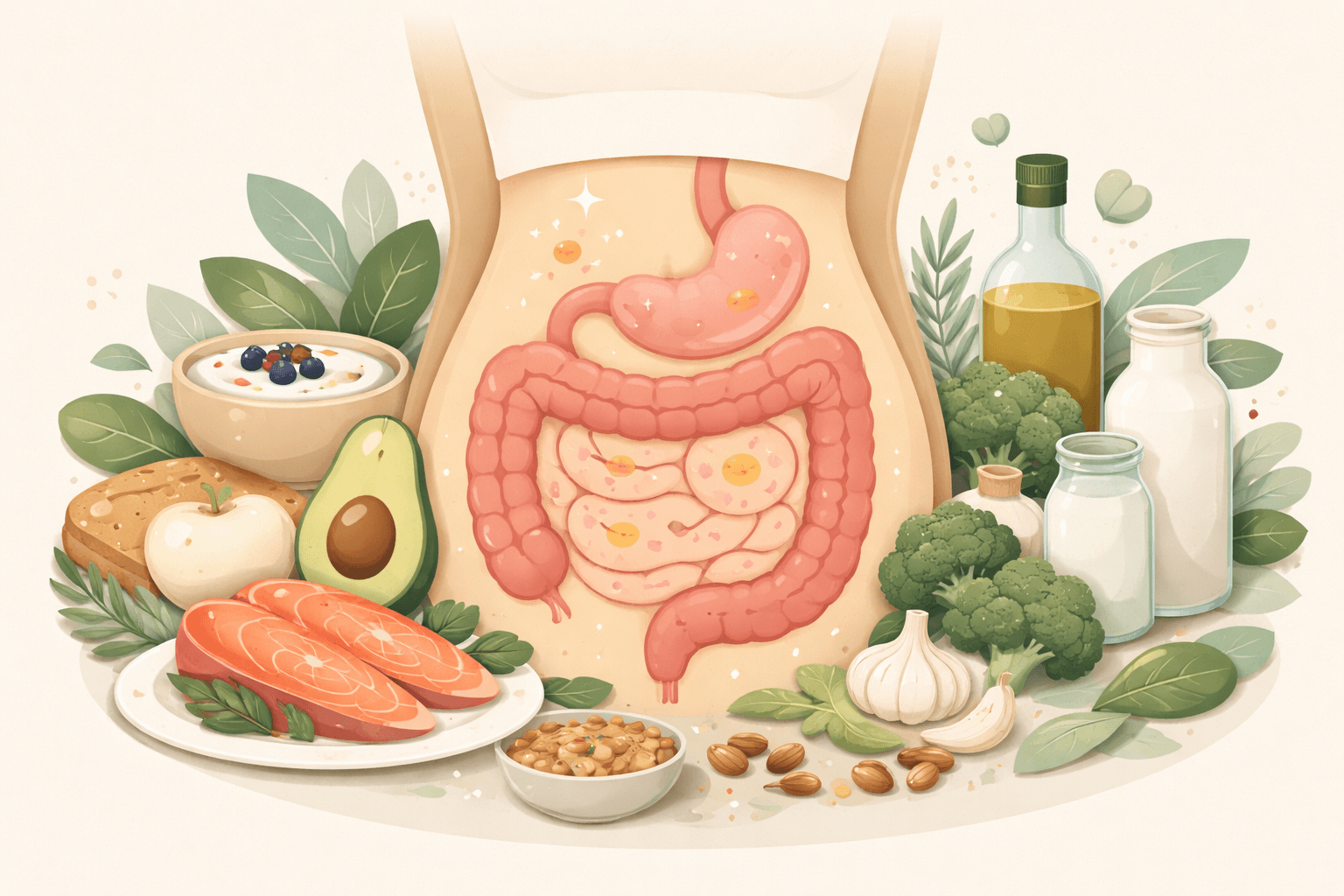
If you’re wondering what to eat for a calmer belly, regular digestion, and long‑term resilience, you’re not alone. This guide lays out nutritional guidelines for gut health—what to prioritize, what to limit, and how to adapt—grounded in current research and informed by traditional food wisdom.
Why the gut microbiome matters
A healthy gut microbiome supports more than digestion. Microbes help break down fiber into short‑chain fatty acids (SCFAs) like butyrate, which nourish the colon lining, reinforce the mucosal barrier, and influence immune signaling. They interact with gut‑brain pathways that affect mood and pain perception. The balance and diversity of these microbes shift in response to diet—often within days.
Key mechanisms to know:
Microbial diversity: A wider variety of species is generally linked to better metabolic and immune outcomes.
SCFAs (butyrate, acetate, propionate): Produced when microbes ferment fiber and resistant starch; they fuel colon cells, regulate inflammation, and may help blood sugar control.
Mucosal barrier integrity: Fiber, polyphenols, and certain fermented foods seem to support the mucus layer and tight junctions that keep microbes and food particles where they belong.
Immune signaling: Gut microbes train immune cells (including T‑regulatory cells) and shape responses to allergens and pathogens.
What the Research Says
Diet rapidly influences the microbiome within days; plant‑rich patterns are linked to greater diversity (evidence: moderate to strong).
Higher fiber and resistant starch increase SCFAs and improve bowel regularity (evidence: strong from multiple RCTs/meta‑analyses for constipation and metabolic markers).
Fermented foods can increase microbial diversity and reduce some inflammatory markers in small RCTs (evidence: moderate/emerging).
Diet quality relates to IBS symptoms; low‑FODMAP helps many with IBS short‑term, though it can reduce some beneficial microbes if used long‑term (evidence: strong for symptom relief; moderate for microbiome effects).
Ultra‑processed foods and certain emulsifiers have been associated with dysbiosis and low‑grade inflammation in observational and mechanistic studies (evidence: moderate/emerging).
Eastern traditions have long emphasized warm, fiber‑rich staples (e.g., congee, kitchari, miso soup), mindful eating rhythms, and fermented foods like kimchi and tempeh—practices that, in modern terms, support SCFA production and barrier function (evidence: traditional with emerging modern support).
Nutritional Guidelines for Gut Health: What to Eat
The most consistent theme is diversity and plants. Aim for a broad spectrum of fibers and polyphenols, complemented by fermented foods and balanced fats and proteins.
1) Fiber: soluble, insoluble, and resistant starch
Targets: Most adults benefit from 25–38 g/day total fiber (or ~14 g per 1,000 kcal). If you’re at 10–15 g/day, increase by 3–5 g per week, drink more water, and consider magnesium‑rich foods to reduce cramping.
Resistant starch (escapes small‑intestine digestion; excellent for butyrate): cooked‑then‑cooled potatoes or rice, green bananas/plantains, legumes, oats. Try 1 small serving/day and build to 1–2 servings.
Practical tip: Many people find Psyllium Husk Powder (product-url) helpful to bridge the gap while fiber from whole foods increases. Research suggests psyllium is well‑tolerated and supports stool form in constipation‑predominant IBS (evidence: strong for bowel regularity; moderate for microbiome effects).
What they are: Specific fibers like inulin/FOS (onions, garlic, leeks, asparagus, Jerusalem artichokes), GOS (legumes), beta‑glucans (oats, barley), and PHGG (partially hydrolyzed guar gum).
Targets: 5–10 g/day of prebiotic fibers from foods is a practical starting goal for most; sensitive individuals may need less and slower titration.
When to be cautious: If you experience significant bloating or have suspected SIBO, start low and slow or defer concentrated prebiotic supplements until symptoms are stable.
Targets: 1–2 small servings/day. If histamine‑sensitive, begin with shorter‑fermented or pasteurized options and assess tolerance.
Strains to know: Lactobacillus rhamnosus GG (LGG) and Bifidobacterium infantis 35624 have human data for gut symptoms; Saccharomyces boulardii is often used for antibiotic‑associated diarrhea. See our overview of strains in Probiotics 101: Strains, Benefits & What Actually Works and supplement options at Probiotics.
At‑home tool: Some people find a Home Yogurt Maker (product-url) useful to make consistent, low‑sugar fermented dairy at home. Quality control matters: choose live‑culture starters.
Why they matter: Polyphenols from berries, cocoa, green tea, olives, herbs, and colorful vegetables act as signaling molecules that can favor beneficial microbes (e.g., Bifidobacteria, Akkermansia) and reduce oxidative stress.
Targets: 2–4 servings/day of colorful fruits/vegetables beyond your fiber intake; include herbs/spices like turmeric, rosemary, oregano, and cinnamon in cooking. If caffeine triggers reflux or IBS, favor decaf green tea or herbal options.
5) Healthy fats and lean proteins
Fats: Emphasize extra‑virgin olive oil, nuts, seeds, avocado, and omega‑3s (fatty fish like salmon, sardines 2x/week). Research indicates omega‑3s may support microbial diversity and anti‑inflammatory signaling (evidence: moderate).
Proteins: Prioritize legumes, fish, poultry, eggs, and fermented soy. Limit processed meat and keep red meat to a few times per week. Very high intakes of red/processed meat may foster bile‑tolerant microbes and TMAO production (evidence: moderate); balancing with fiber‑rich plants mitigates risk.
6) Hydration, minerals, and meal rhythm
Fluids: As fiber increases, aim for pale‑yellow urine. Herbal teas and broth‑based soups (e.g., miso) can be soothing.
Magnesium foods (pumpkin seeds, leafy greens, beans) or gentle supplements may help stool frequency if constipation is an issue; discuss dosing with a clinician if you have kidney disease.
Meal timing: Leaving 3–4 hours between meals and a 12‑hour overnight fast may support the migrating motor complex and reduce reflux for some people (evidence: emerging to moderate). Avoid constant grazing.
7) Traditional digestive supports
Ginger, peppermint, and fennel are traditionally used for digestive comfort. Modern trials suggest enteric‑coated peppermint oil can help IBS pain and bloating (evidence: moderate), while ginger may aid gastric emptying (evidence: emerging to moderate). Explore options and dosing in Best Herbs for Digestive Health: Evidence‑Based Uses, Dosage & Safety.
What to reduce or adapt
Not everyone needs to restrict the same foods. Start with broad patterns and personalize based on symptoms and goals.
Added sugars and ultra‑processed foods
Rationale: Diets high in refined sugars and ultra‑processed foods (UPFs) are linked with low microbial diversity and low‑grade inflammation. Emulsifiers like carboxymethylcellulose and polysorbate‑80 have shown barrier‑disrupting effects in animal/human pilot studies (evidence: emerging to moderate).
Guideline: Keep added sugars to <10% of calories (ideally <6% for gut and metabolic health). Favor whole, minimally processed foods most of the time.
Certain sweeteners and sugar alcohols
Non‑nutritive sweeteners such as saccharin and sucralose have altered glucose tolerance and microbiota in some studies (evidence: emerging). Sugar alcohols (sorbitol, mannitol, xylitol) can trigger gas/diarrhea in sensitive people. Reduce and test your personal tolerance.
Alcohol
Excess alcohol can increase intestinal permeability and dysbiosis (evidence: moderate). If you drink, consider ≤1 drink/day for women and ≤2 for men, with several alcohol‑free days weekly. Red wine polyphenols may have countervailing effects, but net risk increases with higher intake.
Red and processed meat
High intake of processed meats is associated with colorectal risk and unfavorable microbial shifts (evidence: moderate). Keep processed meats occasional; balance red meat with generous fiber and plant diversity.
Special situations: how to adapt
FODMAP sensitivity/IBS: A structured low‑FODMAP diet can reduce symptoms in ~50–70% of people short‑term (evidence: strong). Use it as a 2–6 week elimination followed by systematic reintroduction to identify triggers and liberalize the diet; long‑term strict restriction may lower beneficial microbes.
After antibiotics: Emphasize fiber, resistant starch, and fermented foods as tolerated. Certain probiotics (e.g., S. boulardii or LGG) may reduce antibiotic‑associated diarrhea (evidence: strong). If interested, review options at Probiotics. Start at least 2–3 hours away from antibiotic doses and continue 1–2 weeks after the course.
PPI use (acid‑suppressing meds): Long‑term use is associated with altered microbiota and infection risk (evidence: moderate). Discuss with your clinician whether step‑down is appropriate. Nutrition approaches such as smaller evening meals, limiting trigger foods (e.g., mint, chocolate, alcohol), and elevating the head of the bed can help reflux.
Celiac disease, IBD, or unexplained weight loss, bleeding, or anemia: Seek medical care. Work with a GI‑trained dietitian to tailor fiber and fermentation load to disease activity.
Personalization, supplements, and safety
No single diet fits everyone. Use gentle experimentation, track symptoms, and lean on patterns with the strongest evidence: plant diversity, adequate fiber, and some fermented foods.
When supplements may help
Fiber supplements: Psyllium, PHGG, partially hydrolyzed guar gum, and acacia fiber can make hitting fiber targets easier and may reduce IBS symptoms (evidence: strong for psyllium in constipation; moderate for others). Many people find Psyllium Husk Powder convenient; start with 1 tsp in water daily and build slowly.
Prebiotic powders: Inulin/GOS can benefit some but may worsen bloating in others; start with small doses (1–2 g) and titrate (evidence: moderate). Green banana flour is a food‑based resistant starch many find easy to add to smoothies; a Prebiotic Green Banana Flour (product-url) is a practical option.
Cautions:
If you’re immunocompromised, pregnant, have central lines, or critical illness, consult your clinician before using probiotics.
With severe bloating, suspected SIBO, or active flares of IBD, introduce prebiotics and fermented foods cautiously and with guidance.
If you have kidney disease, discuss magnesium supplements with your care team.
Simple troubleshooting and tracking
Symptom log: Track meals, stress, sleep, and symptoms for 2–4 weeks. Look for patterns rather than perfection.
Stool consistency: Aim for Bristol Stool Forms 3–4 most days. Hard, pellet‑like stools (1–2) often need more fluids, fiber, and movement; loose stools (6–7) may benefit from soluble fiber (oats, psyllium) and reducing high‑FODMAP triggers.
Minimums to shoot for most days: 5+ servings of vegetables/fruit, 25–38 g fiber, 1–2 fermented servings, diverse herbs/spices, and hydration to thirst.
Evidence quality at a glance
Strong: Fiber for bowel regularity and metabolic markers; low‑FODMAP for short‑term IBS symptom relief; probiotics for antibiotic‑associated diarrhea (strain‑specific).
Emerging: Meal timing for motility and metabolic health; emulsifiers’ clinical relevance in typical diets; personalized microbiome‑guided nutrition.
Traditional: Fermented foods (kimchi, miso, yogurt), warm soups and porridges, digestive herbs (ginger, peppermint, fennel) used historically for gut comfort.
Practical takeaways
Build your plate around plants: vegetables, legumes, whole grains, nuts/seeds, fruit—varied colors daily.
Hit fiber targets (25–38 g/day) and include 1–2 servings of resistant starch.
Add 1–2 servings of fermented foods daily as tolerated.
Choose olive oil, nuts/seeds, and fish for fats and proteins; keep processed meats rare.
Limit added sugars, UPFs, and excessive alcohol. Test your tolerance to artificial sweeteners and sugar alcohols.
Personalize for sensitivities (e.g., low‑FODMAP short term if needed) and adapt after antibiotics with fiber + targeted probiotics.
Track symptoms and stool; adjust slowly and consistently.
This information is for educational purposes and is not a substitute for professional medical advice. Always consult a qualified healthcare provider—especially if you have red‑flag symptoms (blood in stool, unexplained weight loss, persistent fever, anemia, waking from sleep to stool), significant chronic disease, or are considering substantial dietary or supplement changes.
This content is for informational purposes only and does not constitute medical advice. Always consult a qualified healthcare provider before starting, stopping, or changing any supplement or medication regimen.
Best Practices for Healthy Digestion: An Evidence‑Based Guide to Diet, Lifestyle, and When to Use Supplements. If you’re wondering which daily habits actually help your gut feel calm, regular, and resilient, you’re not alone. This guide collects the best practices for healthy digestion—what to eat, how to live, and when to consider targeted supplements—so you can build a plan that’s realistic and evidence‑in
Best Digestive Health Supplements: Probiotics, Enzymes, L‑Glutamine, and What the Evidence Says. If you’re wrestling with bloating, gas, constipation, reflux, or irritable bowel syndrome (IBS), it’s natural to search for the best digestive health supplements. Research suggests some supplements can meaningfully support digestion, while others are overhyped. This guide compares top options—probio
Nutrition and Herbal Guide for Wellness: Evidence‑Based Foods, Vitamins, and Herbal Remedies. If you’re looking for a single, trustworthy nutrition and herbal guide for wellness, you’re not alone. Many people want a practical plan that blends research‑backed nutrition with time‑tested herbal support—without hype. This guide outlines core diet principles, essential vitamins and minerals, and
Gut Healing Protocols. gut repair protocol, intestinal healing. ## Overview
**Gut healing protocols** is an umbrella term commonly used in integrative and functional health settings to describe structured plans intended to support the **integrity, function, and balance of the gastrointestinal tract**. These protocols often combine dietary modification, lifestyl
Holistic Nutrition for Emotional Health: A Naturopathic Guide to Foods, Diets, and Nutritional Strategies. If you’ve noticed that what you eat seems to shape how you feel, you’re not imagining it. Holistic nutrition for emotional health looks at how foods, nutrients, gut health, and daily habits interact with your brain and mood. Research suggests food choices can influence neurotransmitters, inflammatio
Best Herbs for Digestive Health: Evidence‑Based Uses, Dosage & Safety. If you’re dealing with indigestion, gas, bloating, reflux, or IBS, it’s natural to wonder about the best herbs for digestive health. Many traditional herbs are used to calm spasms, support gut motility, reduce inflammation, and soothe irritated mucosa — and for several of them, modern research provi