

Gut Healing Protocols
Also known as: gut repair protocol, intestinal healing
Overview
Gut healing protocols is an umbrella term commonly used in integrative and functional health settings to describe structured plans intended to support the integrity, function, and balance of the gastrointestinal tract. These protocols often combine dietary modification, lifestyle changes, and selected supplements with the goal of reducing digestive symptoms, supporting the gut lining, and influencing the intestinal microbiome. The phrase is widely used in consumer health media, although it is not a formal medical diagnosis or standardized treatment category in conventional medicine. Depending on context, it may refer to strategies used after gastrointestinal infection, antibiotic exposure, food intolerance investigations, inflammatory conditions, or chronic symptoms such as bloating, altered bowel habits, and abdominal discomfort.
The concept draws on several overlapping ideas: the gut barrier (the intestinal lining that helps regulate what passes into circulation), the microbiome (the community of microorganisms living in the digestive tract), digestive and immune function, and the relationship between the gut and systemic health. Research increasingly links gut function with metabolism, mood, immunity, and inflammation, but the popular wellness framing can sometimes move beyond what has been clearly established in clinical science. As a result, "gut healing" may encompass evidence-based practices alongside more speculative approaches.
Common elements in these protocols include elimination or modification diets, gradual reintroduction of foods, increased intake of fiber-rich or minimally processed foods, fermented foods in some cases, stress reduction, sleep support, and targeted use of substances such as probiotics, prebiotics, L-glutamine, zinc carnosine, omega-3 fatty acids, digestive enzymes, or herbal preparations. Some plans are modeled after the functional medicine "remove, replace, reinoculate, repair" framework. Research suggests that some components—particularly dietary pattern change and selected microbiome-directed interventions—may help certain conditions, while evidence for other supplement-heavy protocols remains limited or condition-specific.
A key point is that digestive symptoms can arise from many different causes, including irritable bowel syndrome (IBS), celiac disease, inflammatory bowel disease (IBD), gastroesophageal reflux, pancreatic insufficiency, infections, medication effects, pelvic floor dysfunction, and psychosocial stress. Because of this, any discussion of gut healing protocols benefits from careful differentiation between general wellness support and management of diagnosed gastrointestinal disease. In clinical settings, healthcare providers often emphasize that persistent symptoms, unintended weight loss, bleeding, anemia, fever, or nocturnal symptoms warrant formal evaluation rather than self-directed gut repair plans.
Medical Perspectives
Two Ways of Seeing Health

Western
scientific · clinical
Western medicine applies science, technology, and clinical experience to treat symptoms through testing, diagnosis, and targeted intervention.

Eastern
traditional · alternative
Eastern medicine focuses on treating the body naturally by applying traditional knowledge practiced for thousands of years, emphasizing balance and whole-person wellness.
Gold Bamboo presents both perspectives side-by-side so you can make informed decisions. We don't advocate for one over the other — your health choices are yours.
Western Medicine Perspective
Western Medicine Perspective
In conventional medicine, the closest scientific concepts related to gut healing protocols include restoration of mucosal integrity, improvement of microbiome composition or function, nutrition therapy, and treatment of underlying gastrointestinal disorders. Rather than treating "poor gut health" as a single entity, western medicine generally looks for identifiable mechanisms: inflammation, infection, altered motility, malabsorption, food-triggered symptoms, dysbiosis, or damage to the intestinal lining. The intestinal barrier is a legitimate area of research, and studies indicate that epithelial integrity, mucus production, immune signaling, and microbial metabolites all influence digestive and systemic health. However, routine clinical use of broad claims such as "leaky gut" remains controversial outside certain recognized disease states.
Evidence is strongest when protocols are condition-specific. For example, dietary interventions such as the low-FODMAP diet have substantial evidence for IBS symptom reduction when used in a structured manner. In celiac disease, strict gluten exclusion is the established therapy to allow intestinal healing. In IBD, medical treatment remains central, with nutrition used as supportive care or, in selected circumstances, primary therapy such as exclusive enteral nutrition in Crohn's disease. Research also supports the role of dietary fiber, diverse plant intake, and, in some situations, probiotics or fermented foods in influencing gut microbial ecology, although effects vary by strain, dose, and individual response.
From a conventional perspective, many supplements featured in gut healing protocols have mixed or emerging evidence. Probiotics have been studied extensively, but benefits are not universal and depend on the clinical context. Glutamine has shown promise in some experimental and selected clinical settings involving intestinal barrier support, yet findings are inconsistent across populations. Zinc carnosine, butyrate, and certain herbal products are being investigated, but large, high-quality trials are limited for many consumer-marketed gut repair combinations. Clinicians also note that restrictive diets or excessive supplementation can sometimes worsen nutritional adequacy, increase food fear, or delay diagnosis of significant disease. For that reason, western medicine generally favors individualized assessment, evidence-based dietary strategies, and treatment guided by diagnosis rather than generalized detox or repair claims.
Eastern & Traditional Perspective
Eastern and Traditional Medicine Perspective
Traditional systems of medicine have long emphasized the digestive system as a central foundation of health, though they describe it using frameworks different from modern gastroenterology. In Traditional Chinese Medicine (TCM), digestive strength is often associated with the Spleen and Stomach systems, which are thought to govern transformation of food into usable energy and fluids. Symptoms such as bloating, loose stools, poor appetite, fatigue, or a sense of heaviness may be interpreted as patterns such as Spleen Qi deficiency, Dampness accumulation, or disharmony between the Liver and Spleen. Care is typically framed around restoring functional balance rather than repairing a single anatomical structure.
In Ayurveda, gut healing concepts often overlap with the restoration of agni (digestive fire), reduction of ama (poorly processed metabolic residue), and support for healthy tissue nourishment. Digestive symptoms may be viewed through patterns of doshic imbalance, particularly involving Vata in irregular digestion, Pitta in inflammatory states, or Kapha in heaviness and sluggishness. Traditional approaches may include individualized food preparation methods, meal timing, use of culinary spices, herbal formulations, and lifestyle regulation intended to support digestive resilience.
Naturopathic and integrative traditions often bridge eastern concepts and modern functional medicine, using frameworks such as removing dietary irritants, supporting digestion, reintroducing beneficial microbes, and promoting mucosal recovery. Botanicals such as slippery elm, marshmallow, licorice derivatives, berberine-containing herbs, turmeric, and ginger are traditionally used in various contexts for digestive comfort, motility, or inflammatory balance. Research suggests some herbs and traditional dietary practices may influence symptoms, gut motility, or microbial activity, but evidence quality varies widely and standardization is often limited.
Across traditional systems, gut support is usually understood as part of a whole-person model that includes stress, sleep, emotional balance, food quality, seasonality, and constitutional differences. This broader lens aligns with growing modern interest in the gut-brain axis and lifestyle medicine. At the same time, traditional interpretations are not interchangeable with biomedical diagnosis, so practitioners commonly note the importance of integrating conventional evaluation when symptoms are persistent, severe, or accompanied by warning signs.
Supplements & Products
Recommended Products

Healthy Gut, Healthy You: The Personalized Plan to Transform Your Health from the Inside Out: Ruscio
Michael Ruscio <strong>shows how modern lifestyle changes and the widespread use of antibiotics have made our guts more vulnerable than ever before</strong>. The good news is that almost any ailment c
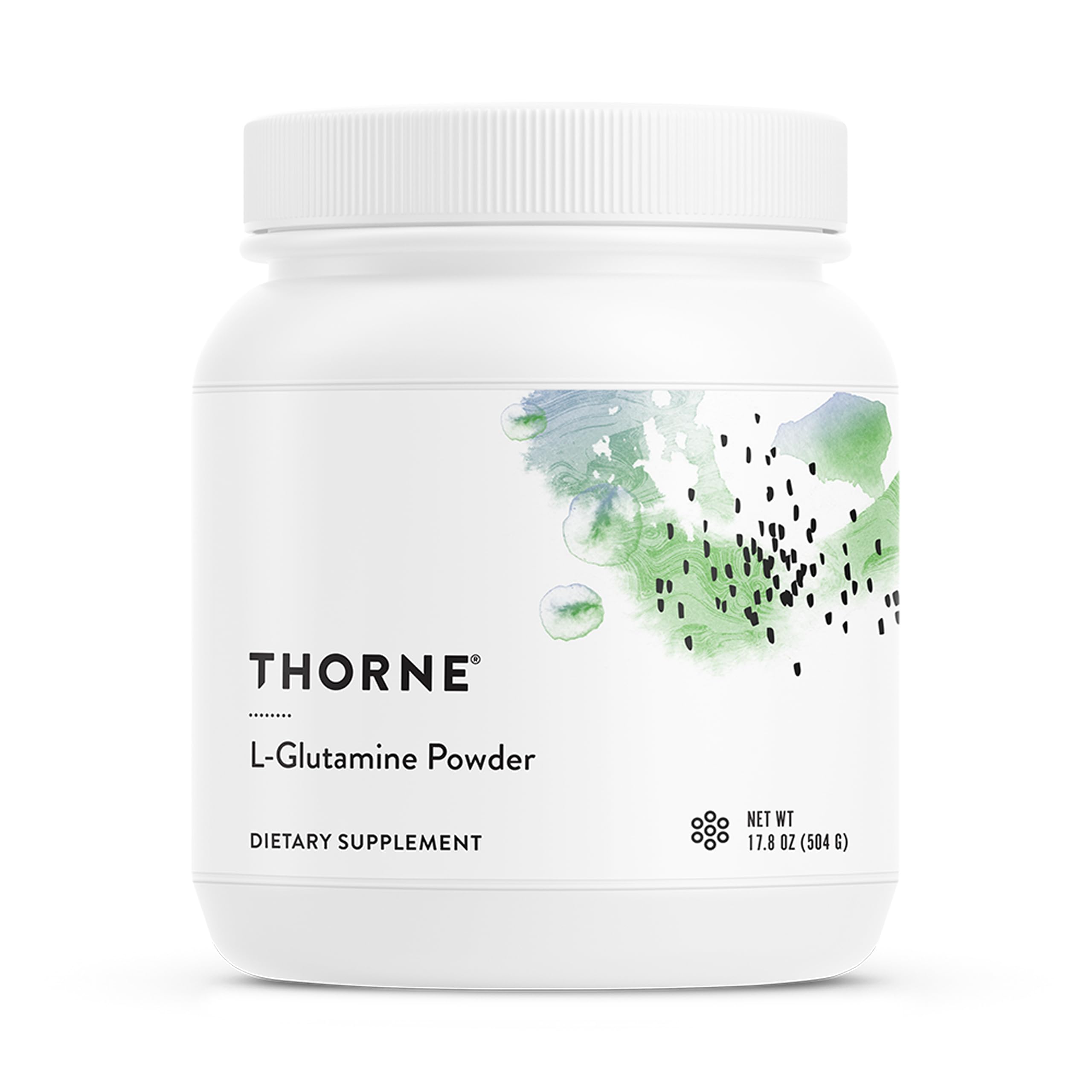
THORNE - L-Glutamine Powder - Glutamine Powder for GI Health and Immune Function* - 17.8 Oz
Momentous L-Glutamine Powder - <strong>Gut Health & Muscle Recovery Supplement - Boosts Exercise Performance & Immune Function</strong> - NSF Certified for Sport - 5 g - 60 Servings · Pure Enc
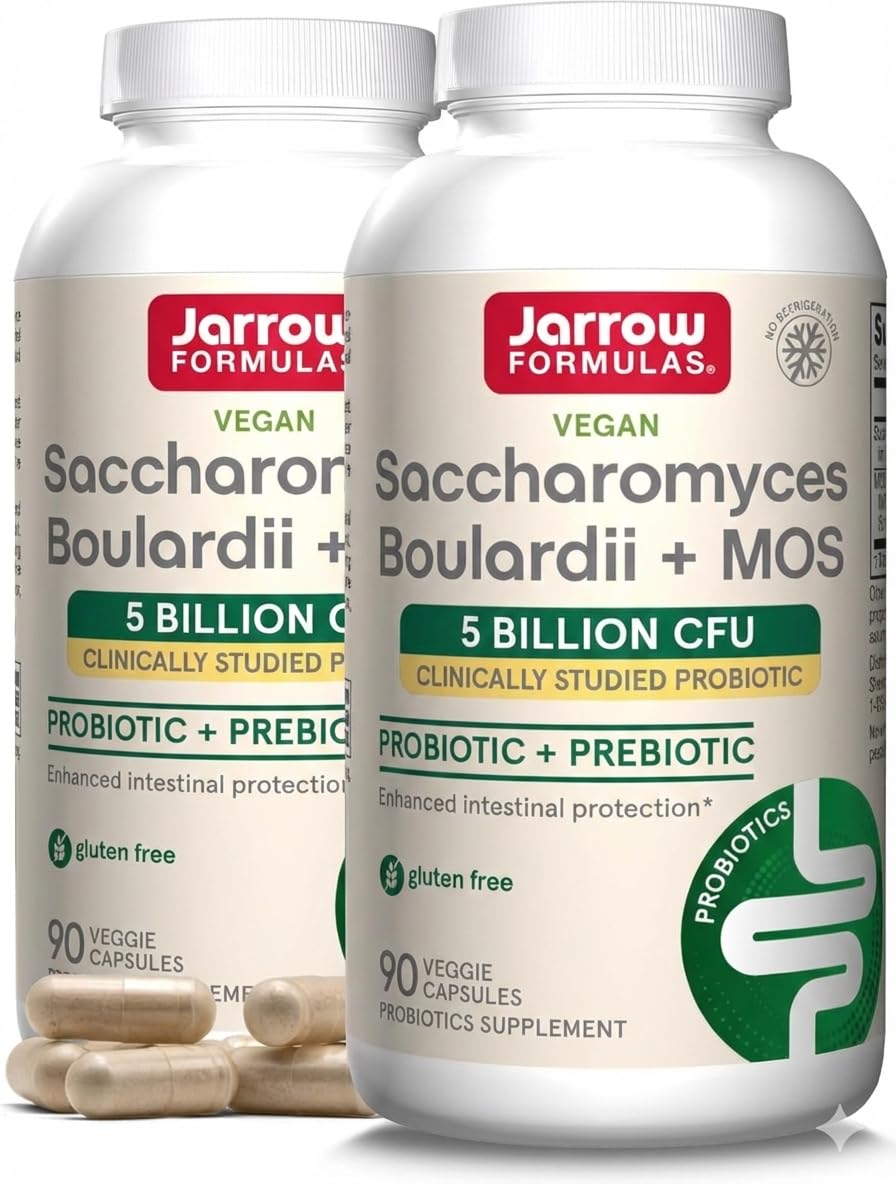
Jarrow Formulas Saccharomyces Boulardii + MOS Probiotics for Digestive Health and Intestinal Tract Support - 5 Billion CFU Per Serving - 90 Delayed Release Caps - Probiotic + Prebiotic - 90 Servings
<strong>Each capsule delivers 5 billion CFU of Saccharomyces boulardii, a probiotic yeast shown to help support gut health and the intestinal tract</strong>.(1) This supplement also provides MOS (mann
Evidence & Sources
Promising research with growing clinical support from multiple studies
- National Institute of Diabetes and Digestive and Kidney Diseases (NIDDK)
- National Center for Complementary and Integrative Health (NCCIH)
- Nature Reviews Gastroenterology & Hepatology
- The Lancet Gastroenterology & Hepatology
- American Gastroenterological Association
- World Gastroenterology Organisation
- Gut
- Clinical Gastroenterology and Hepatology
This content is for informational purposes only and does not constitute medical advice. Always consult a qualified healthcare provider before starting, stopping, or changing any supplement or medication regimen.