Best Herbs for Digestive Health: Evidence‑Based Uses, Dosage & Safety
Your guide to the best herbs for digestive health—what works for gas, bloating, IBS, reflux, and dyspepsia, with dosing, safety tips, and evidence levels.
·10 min read
This content is for informational purposes only and does not constitute medical advice. Always consult a qualified healthcare provider before starting, stopping, or changing any supplement or medication regimen.
If you’re dealing with indigestion, gas, bloating, reflux, or IBS, it’s natural to wonder about the best herbs for digestive health. Many traditional herbs are used to calm spasms, support gut motility, reduce inflammation, and soothe irritated mucosa — and for several of them, modern research provides meaningful support.
This guide explains how digestive herbs work, what the research suggests for common complaints, how to use them, dosing ranges seen in studies or practice, and key safety considerations.
How Herbs Support Digestion: Actions and Targets
Herbs tend to work through broad “actions” that map to common digestive symptoms:
Carminative: reduces gas and cramping by relaxing intestinal smooth muscle and aiding gas expulsion (peppermint, fennel, chamomile, ginger)
Antispasmodic: calms spasms and pain, often by calcium-channel effects on gut muscle (peppermint oil, chamomile, caraway)
Prokinetic: gently improves stomach emptying and small-bowel movement (ginger, artichoke leaf)
Anti-inflammatory: reduces inflammatory signaling and oxidative stress (turmeric/curcumin, chamomile)
Antimicrobial/modulating: helps rebalance overgrowth or pathogens; some also modulate the microbiome (berberine-containing herbs)
Mucoprotective/demulcent: coats and soothes irritated mucosa, supports barrier function (slippery elm, marshmallow root, DGL/licorice)
Bitter/cholagogue-choleretic: stimulates digestive secretions and bile flow for fat digestion and early satiety cues (artichoke leaf; classic bitters)
IBS (constipation-, diarrhea-, or mixed-type): antispasmodics, carminatives; selective antimicrobials for IBS-D or SIBO; demulcents for sensitivity
Reflux/GERD: demulcents and DGL; avoid peppermint if reflux worsens
Diarrhea from infection or dysbiosis: antimicrobial/modulating herbs like berberine (short-term use)
What the Research Says (At a Glance)
Peppermint oil (enteric‑coated) for IBS: strong evidence (multiple RCTs and meta‑analyses) for pain and bloating reduction.
Ginger for nausea and functional dyspepsia: moderate–strong evidence; mixed but promising for motility and symptom relief.
Artichoke leaf extract for dyspepsia: moderate evidence from several trials; some combinations with ginger are supportive.
DGL (deglycyrrhizinated licorice), slippery elm, marshmallow: emerging to traditional evidence; widely used clinically for reflux and esophageal/gastric irritation; modern human trials are limited.
Turmeric/curcumin for inflammatory gut conditions: moderate evidence as an adjunct for ulcerative colitis; emerging for functional GI symptoms.
Chamomile and fennel: emerging to moderate evidence for indigestion, cramping, and infant colic; long history of safe use as teas.
Berberine-containing herbs for diarrhea/IBS-D/SIBO: moderate (several RCTs and comparative studies), but interactions and safety require care.
Evidence labels in this article reflect the balance of clinical research, traditional use, and mechanistic plausibility.
The Best Herbs for Digestive Health (Profiles)
Ginger (Zingiber officinale)
Primary actions: carminative, antispasmodic, prokinetic, anti‑inflammatory; may enhance gastric emptying and reduce nausea via serotonin and cholinergic pathways.
What the research says: Studies indicate ginger improves gastric emptying and reduces dyspepsia symptoms; numerous RCTs support anti‑nausea effects. Ginger plus artichoke leaf has shown benefit for functional dyspepsia.
Evidence level: moderate–strong.
Common preparations and dosing:
Tea: 2–3 g freshly sliced root steeped 10–15 min, up to 3 cups/day.
Capsules/extracts: 250–1000 mg standardized extract (often 5% gingerols) 1–2 times/day; up to ~2 g/day dried root equivalent is common in practice.
Notes: Can be warming/spicy; may mildly thin blood.
Primary actions: antispasmodic and carminative; menthol blocks calcium channels in smooth muscle, reducing spasms and pain.
Typical indications: IBS pain, cramping, bloating; functional GI spasm.
What the research says: Multiple RCTs and meta‑analyses show peppermint oil reduces IBS pain and global symptoms.
Evidence level: strong.
Common preparations and dosing:
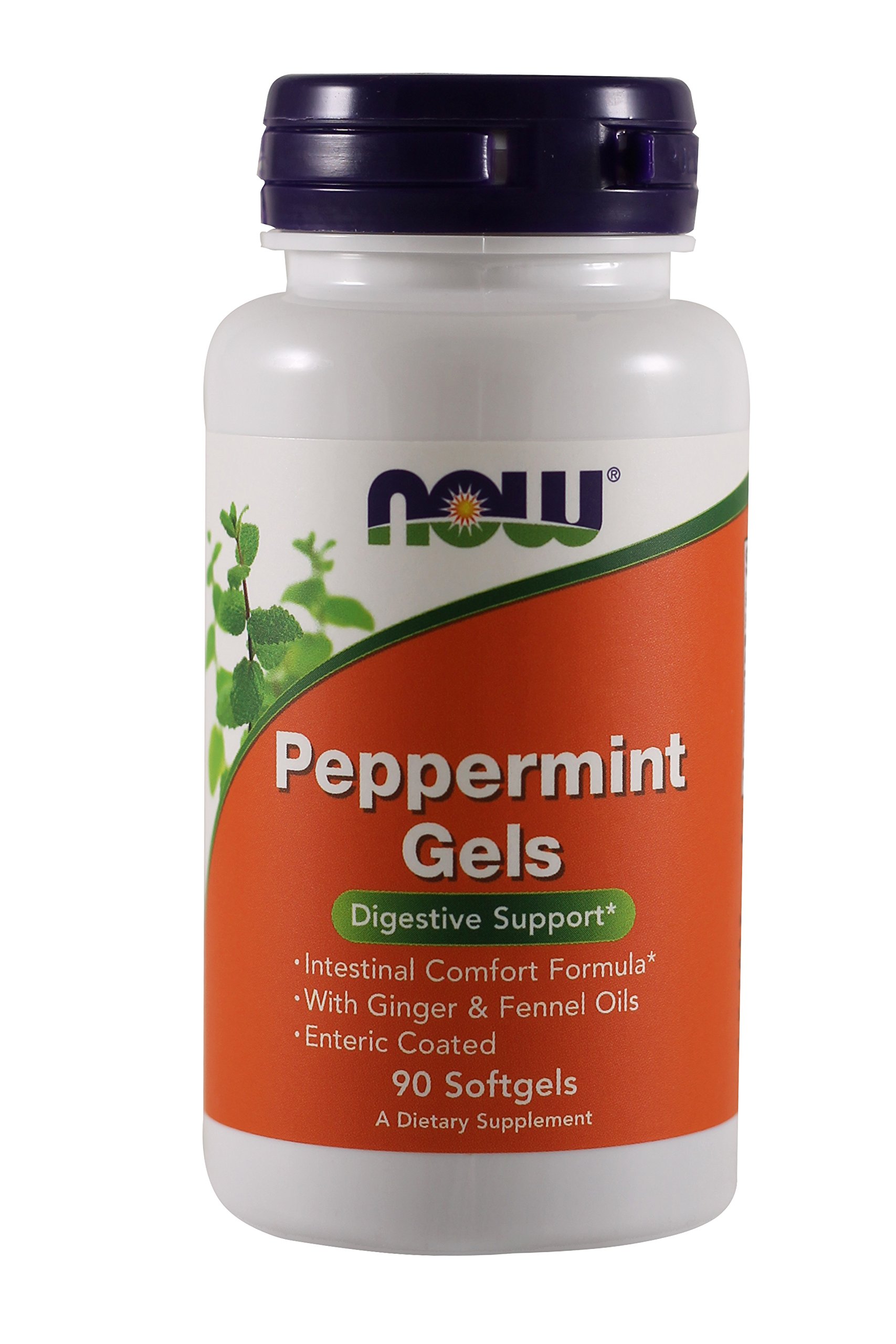
Enteric‑coated softgels: typically 180–225 mg oil per capsule, 2–3 times/day, taken 30–60 minutes before meals.
Safety notes: May worsen reflux by relaxing the lower esophageal sphincter. Use enteric‑coated forms; avoid with antacids/PPIs near the same time, which can dissolve coatings early.
What the research says: Traditionally used for dyspepsia; some clinical support within multi‑herb formulas; human trials for chamomile alone are smaller but suggest benefit for cramping and mild dyspepsia.
Evidence level: emerging to moderate.
Common preparations and dosing:
Tea: 2–3 g dried flowers per cup, steep 5–10 min, up to 3–4 cups/day.
Liquid extract/tincture: 2–4 mL up to 3 times/day.
Safety notes: Possible ragweed family allergy cross‑reactivity.
Fennel seed (Foeniculum vulgare)
Primary actions: carminative and antispasmodic; seed volatiles (e.g., anethole) relax gut smooth muscle and aid gas clearance.
What the research says: Emerging to moderate evidence for gas and cramping reduction; more robust data in infant colic; often used with caraway or peppermint.
Evidence level: emerging to moderate.
Common preparations and dosing:
Tea: crush 1–2 teaspoons (2–3 g) seeds, steep 10–15 min, up to 2–3 times/day.
Chew ½–1 teaspoon after meals.
Safety notes: Essential oil is potent; tea/seeds are gentler. Use caution with estrogen‑sensitive conditions.
Licorice root and DGL (Glycyrrhiza glabra)
Primary actions: mucoprotective/demulcent, anti‑inflammatory; increases mucus and may support mucosal healing.
What the research says: DGL has small clinical trials and long traditional use for reflux/dyspepsia; some combinations show improved symptoms.
Evidence level: emerging to moderate.
Common preparations and dosing:
DGL chewable tablets: 300–400 mg, 15–20 minutes before meals and at bedtime.
Non‑DGL licorice teas/tinctures are traditional but carry higher risk.
Safety notes: Whole licorice (with glycyrrhizin) can raise blood pressure, lower potassium, and interact with many drugs; DGL removes most glycyrrhizin and is generally safer for short‑term use.
Turmeric/Curcumin (Curcuma longa)
Primary actions: anti‑inflammatory and antioxidant; curcumin down‑regulates NF‑κB and COX‑2 pathways.
Typical indications: adjunct for inflammatory gut conditions; functional dyspepsia and IBS symptoms in some studies.
What the research says: Moderate evidence for ulcerative colitis as an adjunct to standard therapy; emerging evidence for functional symptoms.
Evidence level: moderate.
Common preparations and dosing:
Curcumin extract: 500–1000 mg 1–2 times/day with bioavailability enhancers (e.g., piperine or phytosome formulations).
Culinary turmeric is supportive but far lower dose.
Safety notes: Can stimulate bile flow; use caution with gallstones/bile duct obstruction and with blood thinners.
Slippery elm bark (Ulmus rubra)
Primary actions: demulcent/mucoprotective; mucilage forms a soothing layer over irritated mucosa.
Typical indications: diarrhea‑predominant IBS, traveler’s diarrhea, suspected small intestinal bacterial overgrowth (SIBO) — short courses.
What the research says: Multiple RCTs support berberine for diarrhea and some IBS measures; small studies suggest SIBO benefits compared with or adjunctive to antibiotics. More high‑quality trials are needed.
Evidence level: moderate.
Common preparations and dosing:
Berberine HCl: 300–500 mg, 2–3 times/day with meals, typically for 4–8 weeks.
Safety notes: Do not use in pregnancy or breastfeeding; avoid in newborns/infants (risk of kernicterus). Can interact with many drugs (CYP3A4, CYP2D6, P‑gp substrates) and lower blood sugar; medical supervision recommended. Goldenseal is overharvested—prefer Oregon grape or barberry. For a broader context on formulas and practice, see Chinese Herbs: A Practical, Evidence-Based Guide.
How to Choose and Use Digestive Herbs
Forms and how people take them
Teas/infusions: great for carminatives and demulcents (chamomile, fennel, marshmallow, slippery elm). Warm liquids can aid motility.
Enteric‑coated capsules: ideal for peppermint oil to reach the small intestine without releasing in the stomach.
Gas and cramping: peppermint oil + fennel or chamomile (tea or capsules).
Post‑meal fullness/dyspepsia: ginger + artichoke leaf; consider a small dose of bitters 10–15 minutes before meals.
Reflux/irritation: DGL before meals and at bedtime; add marshmallow or slippery elm away from medications.
IBS‑D or suspected dysbiosis: a short course of berberine under guidance; pair with a gentle carminative (e.g., chamomile tea). Consider microbiome support through diet and, when appropriate, Probiotics alongside behavioral strategies.
Fast relief (hours–days): carminative teas (fennel, chamomile), enteric‑coated peppermint oil for spasms/bloating, DGL for meal‑triggered heartburn.
Moderate timeline (1–2 weeks): ginger and artichoke for dyspepsia; demulcents for esophageal comfort.
Programmatic timeline (4–8 weeks): berberine protocols for diarrhea‑predominant IBS or SIBO suspicion; curcumin for inflammatory symptoms (as an adjunct to standard care).
Track your response with a simple symptom diary (pain, bloating, stool form/frequency using the Bristol scale, reflux episodes). Adjust one variable at a time.
Safety, Interactions, and Quality Tips
General cautions
Pregnancy/breastfeeding/children: Discuss all herbs with your clinician. Ginger is often used in pregnancy at ≤1000 mg/day for nausea (under OB guidance). Avoid berberine during pregnancy/breastfeeding and in infants. Licorice (non‑DGL) is generally avoided in pregnancy.
Conditions: Peppermint oil may aggravate GERD; artichoke leaf is avoided with bile duct obstruction; turmeric/capsules used cautiously with gallstones and anticoagulants; fennel used cautiously in estrogen‑sensitive conditions.
Drug interactions:
Anticoagulants/antiplatelets: ginger and curcumin may have mild additive effects.
Antihypertensives/diuretics/corticosteroids/digoxin: whole licorice can raise BP and lower potassium — avoid or use DGL only.
PPIs/antacids: can dissolve enteric coatings; separate from peppermint oil.
Berberine: interacts with CYP3A4, CYP2D6, and P‑gp substrates; may lower blood sugar and potentiate metformin or other agents.
Demulcents (slippery elm, marshmallow): can reduce drug absorption — separate by 2–3 hours.
Adverse reactions: Stop use and seek care for rash, throat swelling, severe abdominal pain, bloody/black stools, persistent vomiting, jaundice, chest pain, or severe dizziness.
Product quality and sourcing
Look for third‑party testing (USP, NSF, or ConsumerLab), clear species/part labeling, and standardized extracts where relevant.
Choose enteric‑coated peppermint oil specific for IBS.
Prefer sustainable sources: avoid wildcrafted goldenseal; consider barberry or Oregon grape instead; source slippery elm responsibly.
Diet and Lifestyle Integration
Herbs work best alongside foundational habits:
Regular meals and thorough chewing to support gastric signaling.
Adequate fiber (gradually to 25–30 g/day) and hydration; adjust fiber types for IBS (soluble fibers usually better tolerated).
Identify triggers (fatty, very spicy, or ultra‑processed foods; alcohol; large late‑night meals).
Gentle movement after meals (10–15 min walk) to assist motility.
Mind‑body practices (paced breathing, gut‑directed hypnotherapy) can reduce visceral hypersensitivity.
For microbiome support, fermented foods and, when indicated, Probiotics can complement carminatives and demulcents.
When to Seek Medical Evaluation
Herbs are not a substitute for diagnosis. Seek care if you have any “alarm” features:
Unintentional weight loss, iron‑deficiency anemia, blood in stool or black stools
Recurrent vomiting, persistent fever, or severe, localized abdominal pain
New or worsening symptoms after age 55
Nighttime symptoms that wake you, progressive difficulty swallowing, or jaundice
Family history of GI cancers, inflammatory bowel disease, or celiac disease
A gastroenterologist can evaluate for reflux complications, ulcers, IBD, celiac disease, SIBO, gallbladder issues, and more. For integrative options within traditional systems, see our overview of Chinese Herbs: A Practical, Evidence-Based Guide.
Practical Takeaways
For gas and cramping, start with carminative teas (chamomile, fennel) or enteric‑coated peppermint oil.
For meal‑related indigestion, consider ginger or artichoke leaf; a small dose of bitters before meals can help some people.
For reflux/irritation, prioritize demulcents (DGL, slippery elm, marshmallow) and meal‑timing strategies.
For IBS‑D or suspected dysbiosis, berberine can be effective short‑term under clinical guidance; pair with diet shifts and microbiome support.
Introduce one herb at a time, follow labeled dosing, watch for interactions, and reassess every 2–4 weeks.
Disclaimer
This content is for educational purposes and should not replace personalized medical advice. Always consult a qualified healthcare professional before starting, stopping, or combining herbs with medications, especially if you are pregnant, breastfeeding, have chronic conditions, or are considering berberine or licorice.
This content is for informational purposes only and does not constitute medical advice. Always consult a qualified healthcare provider before starting, stopping, or changing any supplement or medication regimen.
Best Digestive Health Supplements: Probiotics, Enzymes, L‑Glutamine, and What the Evidence Says. If you’re wrestling with bloating, gas, constipation, reflux, or irritable bowel syndrome (IBS), it’s natural to search for the best digestive health supplements. Research suggests some supplements can meaningfully support digestion, while others are overhyped. This guide compares top options—probio
Best Practices for Healthy Digestion: An Evidence‑Based Guide to Diet, Lifestyle, and When to Use Supplements. If you’re wondering which daily habits actually help your gut feel calm, regular, and resilient, you’re not alone. This guide collects the best practices for healthy digestion—what to eat, how to live, and when to consider targeted supplements—so you can build a plan that’s realistic and evidence‑in
Herbal Remedies for Inflammatory Bowel Disease (IBD). Inflammatory bowel disease (IBD)—primarily ulcerative colitis and Crohn’s disease—features chronic, relapsing inflammation of the gastrointestinal tract. Comparing Western and Eastern approaches to herbal remedies can help patients and clinicians understand where evidence converges, how frameworks d
Natural Remedies for Inflammation: Evidence‑Based Guide. If you’re dealing with sore joints, gut flare‑ups, or a vague sense of feeling “inflamed,” you’re not alone. Many readers ask about natural remedies for inflammation—what actually works, how to use them safely, and which lifestyle shifts matter most. This guide blends western research with time‑test
Herbal Treatments for Inflammation: Evidence‑Based Guide to Turmeric, Boswellia, Ginger & More. If you’re exploring herbal treatments for inflammation, you’re likely looking for options that can reduce pain and swelling without the side effects of long-term NSAID use. Research suggests several herbs and plant compounds may help, especially for osteoarthritis and musculoskeletal pain. This guid
Curious if herbal medicine can help with sleep, stress, digestion, or energy? This guide explains what herbal medicine is, how it’s used across traditions, what the research says, how to choose qualit