Holistic Nutrition for Emotional Health: A Naturopathic Guide to Foods, Diets, and Nutritional Strategies
Holistic nutrition strategies to support emotional health: evidence‑based foods, nutrients, patterns, and habits—plus safety tips and a 2‑week blueprint.
·9 min read
This content is for informational purposes only and does not constitute medical advice. Always consult a qualified healthcare provider before starting, stopping, or changing any supplement or medication regimen.
If you’ve noticed that what you eat seems to shape how you feel, you’re not imagining it. Holistic nutrition for emotional health looks at how foods, nutrients, gut health, and daily habits interact with your brain and mood. Research suggests food choices can influence neurotransmitters, inflammation, stress hormones, and blood-sugar stability—each of which affects emotional resilience. This guide blends western science with time‑tested naturopathic and eastern perspectives, and is transparent about the strength of evidence behind each recommendation.
How Diet Shapes Emotions: The Biology
The gut–brain axis
What it is: A bidirectional communication network linking your gut microbes, immune system, and nervous system (via the vagus nerve and microbial metabolites like short‑chain fatty acids).
Why it matters: Certain gut bacteria produce or modulate neurotransmitter precursors (e.g., tryptophan for serotonin, tyrosine for dopamine) and influence inflammation.
Evidence level: Moderate. Human trials show that changing diet or adding specific probiotic strains can modestly affect mood in some people, though results vary and strain/dose matter.
Serotonin, dopamine, and GABA depend on amino acids (tryptophan, tyrosine, glutamate) and vitamin/mineral cofactors (B6, folate, B12, magnesium, zinc, iron).
Mechanisms: For example, vitamin B6 helps convert tryptophan to serotonin; magnesium modulates NMDA receptors and GABA signaling.
Evidence level: Moderate. Deficiency states are clearly linked to mood symptoms; targeted repletion sometimes improves mood, especially when lab‑confirmed.
Inflammation and oxidative stress
Inflammatory cytokines (like IL‑6 and TNF‑α) can alter neurotransmission and HPA‑axis activity, contributing to low mood and fatigue.
Anti‑inflammatory dietary patterns (Mediterranean‑style, high in polyphenols and omega‑3s) often correlate with better mental health.
Evidence level: Moderate to strong for dietary patterns; emerging to moderate for specific bioactive compounds (e.g., curcumin inhibiting NF‑κB).
Blood sugar and hormonal impacts
Rapid glucose swings can drive irritability, anxiety, and fatigue via adrenaline/cortisol responses.
Low‑glycemic meals and adequate protein/fiber support steadier energy and mood.
Evidence level: Moderate. Trials show improved mood and energy with low‑glycemic patterns in some groups; strong evidence that ultra‑processed, high‑sugar diets increase risk for mood symptoms (observational).
What the Research Says (Evidence Map)
Mediterranean‑style pattern: Associated with lower depression risk and improved symptoms in some trials; one randomized dietary support trial showed clinically meaningful improvements. Evidence level: Moderate to strong.
Omega‑3 fatty acids: Meta‑analyses suggest small‑to‑moderate benefit for depressive symptoms, especially EPA‑dominant formulas. Evidence level: Moderate.
B vitamins (folate, B12, B6): Helpful in deficiency and as adjuncts to standard care; mixed results otherwise. Evidence level: Moderate.
Vitamin D: Mixed but trending positive, especially in deficient individuals. Evidence level: Moderate.
Magnesium: Small RCTs suggest benefit for mild to moderate depression/anxiety; effect sizes modest. Evidence level: Emerging to moderate.
Zinc: Low zinc associates with depression; small augmentation trials suggest benefit. Evidence level: Emerging to moderate.
Probiotics/fermented foods: Modest benefits for stress, mild depression/anxiety in some trials; strain‑specific. Evidence level: Emerging to moderate.
Holistic Nutrition for Emotional Health: Nutrients, Foods, and Patterns
Below are well‑studied nutrients and patterns, realistic targets, and common food sources. Always individualize for culture, access, allergies, and ethics.
Omega‑3 fatty acids (EPA/DHA)
Why: EPA and DHA are incorporated into neuronal membranes and can reduce neuroinflammation.
Targets from food: 2 servings/week of oily fish (e.g., salmon, sardines, mackerel). Plant ALA (flax, chia, walnuts) helps overall intake but converts inefficiently to EPA/DHA.
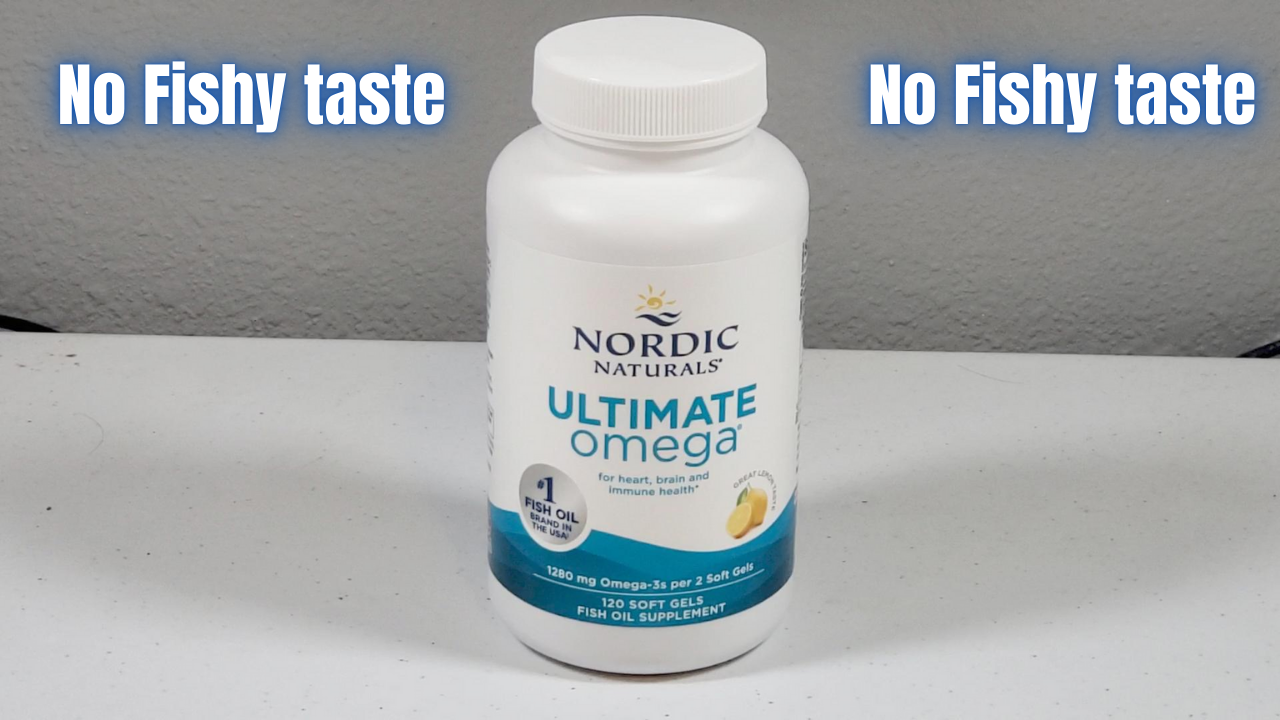
Supplement option: Many people find a high‑quality fish oil Omega‑3 EPA‑DHA Supplement convenient if fish intake is low; algae‑based DHA/EPA works for plant‑forward eaters. Evidence level: Moderate.
Safety notes: Discuss with your clinician if you use anticoagulants, have bleeding disorders, or are pre‑/post‑op.
Targets: Aim to meet or modestly exceed RDAs via food. Consider testing if vegan/vegetarian, older adult, on metformin or acid‑suppressants.
Evidence level: Moderate (stronger when deficiency is present).
Vitamin D
Why: Regulates neurotrophic factors and immune signaling.
Sources: Sunlight (skin synthesis), fatty fish, fortified foods; many people require supplements to correct low levels.
Practical target: Discuss checking 25(OH)D with your clinician; many adults need 1,000–2,000 IU/day to maintain sufficiency, but needs vary by latitude, skin tone, and season.
Evidence level: Moderate (benefit most likely in deficient individuals).
Safety: Avoid exceeding tolerable upper intake without guidance; monitor calcium if on thiazide diuretics or with hyperparathyroidism.
Magnesium
Why: Modulates stress reactivity, NMDA/GABA balance, and sleep quality.
Food sources: Pumpkin seeds, almonds, cashews, leafy greens, black beans, whole grains, dark chocolate (70%+).
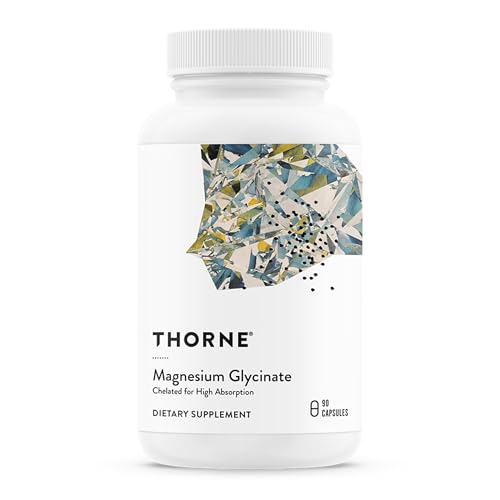
Target: 300–400 mg/day from diet and, if needed, supplements. Many people find a gentle magnesium glycinate Magnesium Glycinate Supplement helpful in the evening. Evidence level: Emerging to moderate.
Safety: Caution in kidney disease; separate from certain antibiotics by several hours.
Target: Meet RDA (8–11 mg/day); short‑term supplementation (e.g., 15–30 mg/day) may be considered under guidance. Evidence level: Emerging to moderate.
Safety: Long‑term high‑dose zinc can cause copper deficiency; monitor if supplementing.
Tryptophan and protein patterns
Why: Tryptophan is the precursor for serotonin; uptake into the brain is influenced by carbohydrate co‑ingestion.
Practical pattern: Include 20–30 g protein per meal with fiber‑rich carbs to support steady tryptophan availability. Evidence level: Emerging to moderate.
Safety: Do not combine L‑tryptophan or 5‑HTP supplements with SSRIs/MAOIs unless supervised due to serotonin syndrome risk.
Probiotics and fermented foods
Why: Certain “psychobiotic” strains may influence GABA/serotonin signaling and vagal activity; fermented foods can increase microbial diversity and lower inflammatory markers.
Target: 1–2 servings/day of fermented foods plus 25–38 g/day of fiber.
Supplement option: A multi‑strain product with Lactobacillus and Bifidobacterium (1–10B CFU) is a reasonable trial; many people find a daily probiotic Probiotic 10B CFU convenient. Evidence level: Emerging to moderate.
Safety: Use caution if immunocompromised or with central lines; discuss with your clinician.
Prebiotic fibers and polyphenols
Why: Feed beneficial microbes to produce short‑chain fatty acids (like butyrate) that support gut barrier and anti‑inflammatory pathways.
Target: Build to ≥25 g/day (women) or ≥38 g/day (men) fiber; include colorful plants at most meals. Evidence level: Moderate for gut health, emerging for mood.
30+ different plant foods/week (diversity supports the microbiome)
5+ servings/week of legumes
Nuts/seeds most days (~1 oz)
Fish 2x/week (or algae‑based omega‑3s for plant‑forward eaters)
Extra‑virgin olive oil as primary fat
Evidence level: Moderate to strong for mood support relative to Western diets.
Eastern and naturopathic perspectives on food and mood
Ayurveda: Emphasizes “sattvic” foods (fresh produce, whole grains, legumes, ghee, milk, mild spices) and regular mealtimes to steady digestion and mind. Aligns with low‑glycemic, minimally processed eating. Evidence level: Traditional with emerging modern support.
Traditional Chinese Medicine (TCM): Prioritizes warm, cooked foods to support Spleen/Stomach Qi, and bitter/green flavors to clear “heat.” Warm meals and easy‑to‑digest soups may help people with poor appetite or bloating. Evidence level: Traditional.
Lifestyle and Holistic Factors That Interact With Nutrition
Sleep
Poor sleep impairs glucose control and heightens amygdala reactivity, worsening emotional volatility.
Nutrition tie‑ins: Evening magnesium‑rich meals, limiting alcohol, and a consistent meal cutoff 2–3 hours before bed can support sleep. Evidence level: Moderate.
Stress management and the HPA axis
Chronic stress alters appetite, cravings, and gut permeability.
Practices: Breathwork, meditation, yoga, and time in nature lower perceived stress and may reduce emotional eating. Evidence level: Moderate.
Aerobic and resistance exercise improve insulin sensitivity and neurotransmitter balance, with antidepressant‑level effects in some studies. Evidence level: Strong.
Nutrition tie‑ins: Post‑exercise protein (20–30 g) and complex carbs replenish energy and support mood through stable blood sugar.
Mindful eating and meal timing
Slow, distraction‑free meals improve interoception (awareness of hunger/fullness), aid digestion, and reduce overeating. Evidence level: Moderate.
Practical pattern: 3 balanced meals or 2 meals + 1 snack at fairly consistent times; avoid frequent grazing that spikes glucose.
Social and behavioral context
Shared meals, cooking skills, and food access strongly influence mood and adherence. Evidence level: Moderate (observational with supportive trials for cooking interventions).
Personalization, Safety, and Next Steps
Signs your diet may be affecting mood
Irritability or anxiety after sugary or highly refined meals
Afternoon energy crashes relieved by snacks/caffeine
New or worsening low mood during winter (possible low vitamin D)
Brain fog with constipation/diarrhea or bloating (possible gut involvement)
Vegetarian/vegan without B12 supplementation, or low intake of legumes/nuts/seeds
Useful tests to discuss with your clinician
Nutrient status: 25(OH)D, serum B12 plus methylmalonic acid (MMA), RBC folate, ferritin/iron panel, zinc, and (if indicated) RBC magnesium
Thyroid panel: TSH with free T4 (and sometimes free T3, antibodies) if symptoms suggest
Gut health: Breath tests for SIBO or stool testing may be considered in persistent GI symptoms (evidence emerging; interpret with a knowledgeable clinician)
Serotonergic agents: Avoid combining L‑tryptophan or 5‑HTP with SSRIs, SNRIs, MAOIs, or triptans unless supervised (risk of serotonin syndrome).
Omega‑3s: Use caution with anticoagulants and before surgery; bleeding risk is generally low but discuss with your clinician.
Magnesium: Can interact with tetracyclines and fluoroquinolones—separate dosing by several hours.
Zinc: Long‑term high dose can deplete copper; monitor if supplementing beyond RDA.
Probiotics: Caution in immunocompromised states or with central venous catheters.
When to consult a professional
Persistent depression, anxiety, or thoughts of self‑harm—seek immediate mental‑health care.
Significant weight change, severe GI symptoms, suspected eating disorder, or chronic medical conditions (diabetes, kidney disease, IBD, pregnancy/lactation).
Medication changes or supplement additions—coordinate with your prescriber.
How to Use This Information: A 2‑Week Mood‑Support Blueprint
Build your plate (most meals):
Half non‑starchy vegetables (cooked or raw)
Quarter protein (20–30 g): fish, tofu/tempeh, eggs, poultry, beans/lentils
Hydration: ~2–3 L water/herbal tea; limit sugary drinks
Weekly anchors:
Fish/seafood twice (or algae‑based DHA/EPA if plant‑based)
5+ legume servings; nuts/seeds most days
Cook with extra‑virgin olive oil; experiment with turmeric, ginger, garlic (culinary doses)
Blood‑sugar rhythm:
Eat at consistent times; include protein and fiber at every meal
If you snack, pair protein + fiber (e.g., apple + almonds)
Gentle lifestyle supports:
7–9 hours of sleep; dim lights/screens 1–2 hours before bed
150+ minutes/week of moderate movement plus 2 days of strength training
5 minutes/day of breathwork or mindfulness before meals
Thoughtful tools (optional): Many people find a vitamin D3 + K2 dropper Daily D3 Drops practical for maintaining levels in low‑sun seasons; choose third‑party‑tested products and confirm dosing with your clinician.
Track and refine:
Keep a simple 14‑day log of meals, sleep, movement, stress, and mood (1–10 scale). Adjust what clearly helps.
What This Looks Like in Real Life (Sample Day)
Breakfast: Greek yogurt or soy yogurt with chia, walnuts, blueberries, and cinnamon; green tea
Lunch: Lentil and vegetable soup with olive‑oil‑dressed side salad; whole‑grain sourdough
Snack: Carrot sticks with hummus
Dinner: Baked salmon (or tempeh) with quinoa, roasted broccoli, and tahini‑lemon sauce; sauerkraut on the side
Evening: Magnesium‑rich “calm bowl” (pumpkin seeds + square of dark chocolate) if needed
Educational Disclaimer
This article is for educational purposes and should not replace personalized medical advice. Nutrition can support—but not substitute for—professional care in mental health conditions. If you have concerning symptoms or take prescription medications, consult a qualified clinician or registered dietitian before making significant changes.
This content is for informational purposes only and does not constitute medical advice. Always consult a qualified healthcare provider before starting, stopping, or changing any supplement or medication regimen.
Naturopathic Approaches to Mental Health: Evidence‑Based Herbs, Supplements, Lifestyle & When to See a Naturopath. Many people are searching for safe, effective ways to feel calmer, think more clearly, and sleep better without relying only on medication. Naturopathic approaches to mental health aim to treat the whole person—body, mind, and environment—while working alongside conventional psychiatric care when ne
Nutrition and Herbal Guide for Wellness: Evidence‑Based Foods, Vitamins, and Herbal Remedies. If you’re looking for a single, trustworthy nutrition and herbal guide for wellness, you’re not alone. Many people want a practical plan that blends research‑backed nutrition with time‑tested herbal support—without hype. This guide outlines core diet principles, essential vitamins and minerals, and
Naturopathic Remedies for Anxiety: Evidence‑Based Herbs, Supplements, Lifestyle Strategies & When to See a Naturopath. If you’re exploring naturopathic remedies for anxiety, you’re likely looking for options that address root causes, feel gentler than medication, and still have evidence behind them. This guide brings together research‑informed herbs, supplements, lifestyle strategies, and mind–body tools from both w
Best Vitamins for Mood Enhancement: An Evidence‑Based Guide to Supporting Mental Wellbeing. If you’re wondering which nutrients truly make a difference for how you feel day to day, you’re not alone. The phrase “best vitamins for mood enhancement” gets searched for a reason: many of us sense that nutrition and mental wellbeing are connected, but we want clarity about what actually helps, ho
Naturopathic Approaches to Weight Loss: Evidence‑Based Strategies, Herbs, Supplements & When to See an ND. Many people arrive here wondering whether naturopathic approaches to weight loss can offer something more sustainable than another short‑term diet. Naturopathic care aims to improve metabolic health, address root causes (sleep, stress, hormones, gut, medications), and build habits you can maintain,
Natural Supplements for Brain Health: An Evidence‑Based Guide to Nootropics, Omega‑3s, and Key Vitamins. If you’re searching for natural supplements for brain health, you’re likely looking for safe, evidence‑based ways to support memory, focus, mood, or long‑term cognitive resilience. This guide reviews what research suggests works, how these supplements may act in the brain, and how to use them though