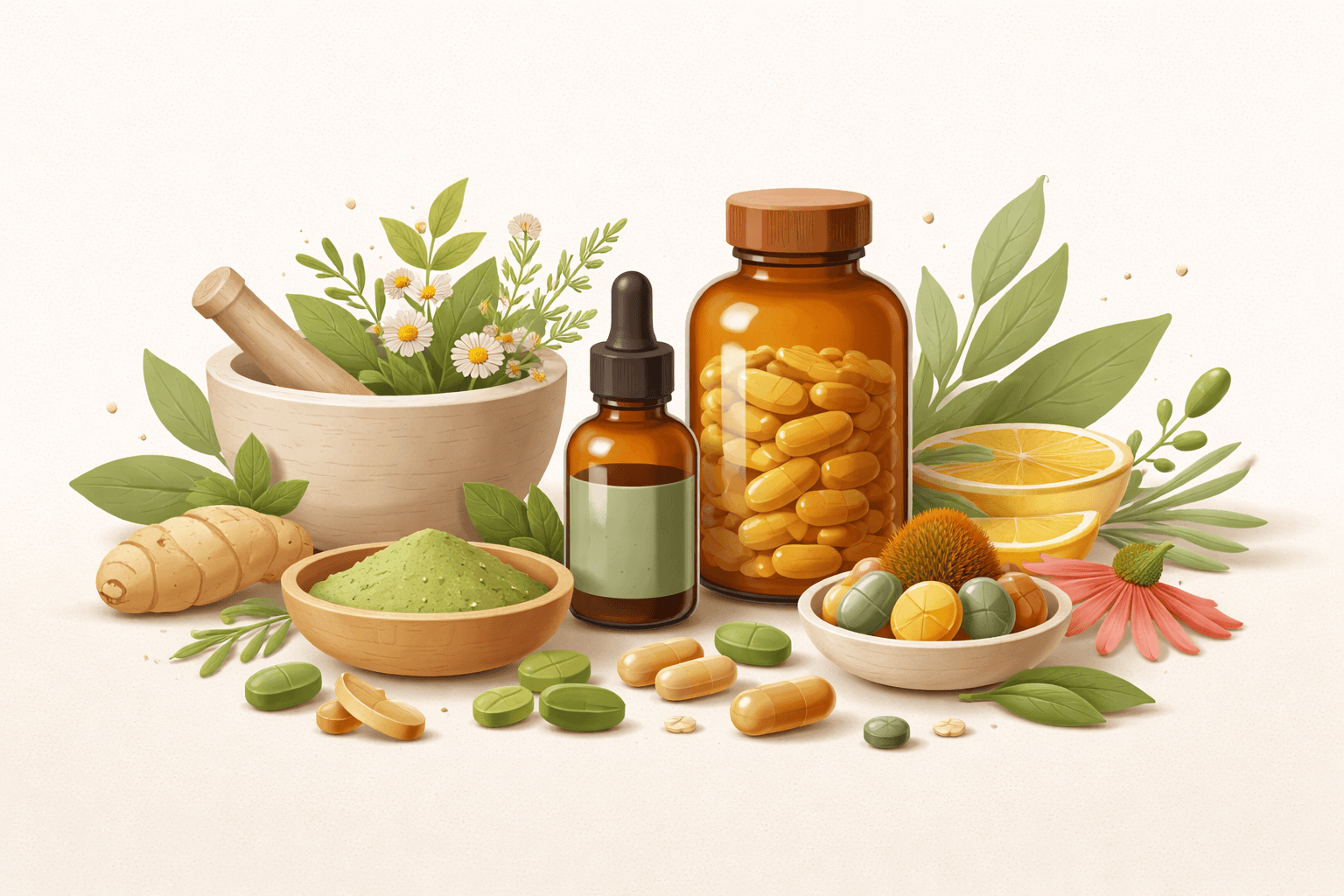
If you’re exploring herbal supplements, you’re likely asking two big questions: Do they work, and how do I choose safe, high-quality options? This guide explains what herbal supplements are, what the research suggests about popular herbs, how to shop wisely, and how to use them responsibly—balancing Western evidence with centuries of Eastern tradition.
Herbal supplements can complement a healthy lifestyle and, in some cases, support specific goals like stress resilience, sleep quality, or digestive comfort. At the same time, they’re biologically active and can interact with medications. The goal here is clarity: what the research says, where the evidence is mixed, and how to use this information to make confident choices.
What are herbal supplements?
Herbal supplements are products made from plants—roots, leaves, flowers, bark, or seeds—used to support normal bodily functions. They’re sold as capsules, tablets, tinctures (liquid extracts), teas, and powders. In traditional systems like Ayurveda and Traditional Chinese Medicine (TCM), herbs are part of individualized protocols that consider constitution, environment, and symptoms. In Western practice, herbs are often standardized to specific active compounds for consistent dosing.
How they’re regulated and labeled (U.S., EU, and beyond)
- United States (DSHEA, 1994): The FDA regulates herbal supplements as “dietary supplements,” not as drugs. Companies are responsible for safety and quality before marketing; the FDA can act if a product is adulterated or misbranded. Labels carry a structure/function disclaimer (e.g., “supports joint health”) and cannot claim to treat or cure disease.
- Good Manufacturing Practices (GMP): U.S. manufacturers must follow cGMPs for identity, purity, strength, and composition, but enforcement varies.
- European Union: Many herbal products are sold under the Traditional Herbal Medicinal Products Directive (THMPD), which requires quality, safety data, and evidence of traditional use (at least 30 years, 15 in the EU). Some standardized extracts are licensed as traditional medicines.
- Canada: Natural Health Products (NPN) must be registered with Health Canada and meet evidence and quality criteria.
How to read labels
- Latin name and plant part: e.g., Curcuma longa (root), Withania somnifera (root).
- Extract ratio and solvent: e.g., 10:1 hydro-ethanolic extract indicates potency and method.
- Standardization: percentage of key compounds (e.g., curcuminoids 95%, ginkgo flavone glycosides 24%).
- Serving size and amount of extract vs. whole herb powder.
- Other ingredients: capsule materials, fillers, allergens.
- Third-party seals: USP, NSF, Informed Choice, ConsumerLab—signals of independent testing.
Evidence-based benefits — key herbs and what research shows
Below are seven widely used herbal supplements, what traditions say, and what modern research indicates. Evidence levels are labeled as strong, moderate, emerging, or traditional.
Turmeric/Curcumin (Curcuma longa)
Traditionally used for: joint comfort, digestive balance, skin health in Ayurveda.
Mechanism: Curcumin and related curcuminoids appear to modulate inflammatory pathways by inhibiting NF‑kB and COX‑2 and supporting antioxidant defenses. Bioavailability is low unless enhanced (e.g., with piperine or phospholipid complexes).
What the Research Says [moderate to strong]:
- Osteoarthritis: Meta-analyses of randomized controlled trials (RCTs) suggest standardized curcumin extracts can modestly reduce knee pain and improve function compared to placebo, with effects comparable to low-dose NSAIDs in some studies but with fewer GI side effects. Bioavailability-enhanced forms show greater effects.
- Metabolic and inflammatory markers: Small RCTs and systematic reviews indicate reductions in CRP and modest improvements in metabolic parameters; results vary by dose and formulation.
- Digestive health: Early evidence suggests potential benefits for functional dyspepsia and ulcerative colitis adjunctively; data are promising but not definitive.
Key caveats: Formulation matters (phytosome, BCM‑95, Longvida, or piperine co-administration). High doses can cause GI upset. Avoid with bile duct obstruction.
Ashwagandha (Withania somnifera)
Traditionally used for: resilience, vitality, sleep support as a Rasayana (rejuvenative) herb in Ayurveda.
Mechanism: Classified as an adaptogen—may modulate the hypothalamic–pituitary–adrenal (HPA) axis and GABAergic signaling; withanolides are considered major actives.
What the Research Says [moderate]:
- Stress and anxiety: Multiple RCTs (often 240–600 mg/day of standardized root extract) show reductions in perceived stress and cortisol and improvements in sleep quality compared to placebo.
- Physical performance and recovery: Small RCTs suggest improved VO2 max and strength in untrained and recreational athletes.
- Thyroid: Limited studies show small increases in T3/T4 in subclinical hypothyroidism; clinical significance is uncertain.
Key caveats: Quality and standardization (e.g., KSM‑66 root-only vs. Sensoril leaf+root) affect outcomes. Occasional GI upset; rare case reports of liver injury. Use caution with hyperthyroidism or autoimmune conditions.
Echinacea (Echinacea purpurea, E. angustifolia)
Traditionally used for: immune support during cold season by Indigenous North American peoples and Western herbalists.
Mechanism: May influence cytokines and macrophage activity; alkamides, caffeic acid derivatives, and polysaccharides are studied components.
What the Research Says [emerging to moderate]:
- Common cold: Evidence is mixed. Some meta-analyses suggest a small reduction in cold duration or incidence in adults when taken at first symptoms or preventatively. Heterogeneity in species, parts used, and preparation limits firm conclusions.
Key caveats: Look for species, part, and standardization. Avoid if allergic to Asteraceae (ragweed family).
Ginkgo biloba
Traditionally used for: circulation and cognitive support in TCM-inspired Western practice.
Mechanism: Standardized extracts (e.g., EGb 761) provide flavone glycosides and terpene lactones that support microcirculation, antioxidant capacity, and neurotransmission.
What the Research Says [moderate]:
- Cognitive decline: RCTs with EGb 761 (120–240 mg/day) indicate modest benefits in cognitive performance and activities of daily living for mild-to-moderate dementia. Effects in healthy adults are inconsistent and generally small.
- Peripheral circulation: Some evidence supports improved walking distance in intermittent claudication; benefits are modest compared to standard therapies.
Key caveats: Potential antiplatelet effect; choose standardized extracts (24% flavone glycosides, 6% terpene lactones). Rare seizure risk in predisposed individuals.
Valerian (Valeriana officinalis)
Traditionally used for: sleep and calming.
Mechanism: May interact with GABA receptors and adenosine signaling; valerenic acids are candidate actives.
What the Research Says [emerging to moderate]:
- Sleep: Trials are mixed. Some RCTs report small improvements in sleep latency and quality (subjective measures), especially after 2–4 weeks of consistent use. Often used with hops or lemon balm.
Key caveats: Daytime drowsiness possible. Avoid combining with sedative medications or alcohol.
Ginger (Zingiber officinale)
Traditionally used for: digestion, nausea, and circulation in Ayurveda and TCM.
Mechanism: Gingerols and shogaols may influence gastric motility and 5‑HT3 receptors and have anti-inflammatory effects via COX/LOX modulation.
What the Research Says [moderate]:
- Nausea: Multiple RCTs show benefit for pregnancy-related and postoperative nausea (usually 500–1000 mg/day of standardized extract), with a good safety profile in pregnancy at typical doses. Chemotherapy-related nausea data are mixed but suggest benefit as adjunct.
- Joint comfort: Some trials indicate modest reductions in osteoarthritis pain; effects tend to be smaller than with curcumin.
Key caveats: Higher doses can cause heartburn; theoretical bleeding risk at high intakes with anticoagulants.
Garlic (Allium sativum)
Traditionally used for: cardiovascular and immune support.
Mechanism: Allicin and S‑allyl cysteine (notably in aged garlic extract) may impact lipid metabolism, endothelial function, and platelet aggregation.
What the Research Says [moderate]:
- Lipids and blood pressure: Meta-analyses indicate modest reductions in total and LDL cholesterol and small decreases in systolic blood pressure, particularly with aged garlic extract over 8–24 weeks.
- Immune support: In vitro and limited clinical data suggest potential effects; human evidence remains limited.
Key caveats: Can increase bleeding tendency when combined with anticoagulants or antiplatelet drugs. Odorless aged extracts may be better tolerated.
Who may benefit from herbal supplements—and when to work with a practitioner
Herbal supplements may be worth considering if you:
- Prefer natural, gentler adjuncts for mild concerns like occasional stress, sleep support, or digestive comfort.
- Want evidence-informed options for specific goals (e.g., ginger for nausea; curcumin for joint comfort) while maintaining standard care.
- Have tried lifestyle changes and want additional support.
Work with a qualified practitioner (MD/DO, ND, herbalist, TCM/Ayurvedic clinician, or pharmacist) if you:
- Take prescription medications (especially for heart, mood, seizures, blood thinning, or immune conditions).
- Are pregnant, trying to conceive, or breastfeeding.
- Have chronic illness (e.g., autoimmune disease, liver/kidney disease, cancer), a history of allergies, or prior reactions to herbs.
- Are considering herbs for children or older adults.
- Have surgery scheduled within 2–3 weeks (many herbs should be paused due to bleeding or anesthesia interactions).
How to choose a quality herbal supplement
Focus on transparency, testing, and form.
- Identity and standardization: Look for Latin name, plant part, and a standardized amount of key compounds (e.g., “curcuminoids 95%,” “ginkgo 24/6”).
- Extract type and ratio: Hydroalcoholic, aqueous, or CO2 extracts capture different compounds. Ratios (e.g., 10:1) suggest potency; whole-powder products can be less consistent.
- Bioavailability: Some herbs need enhancers (curcumin with piperine or phospholipid complexes). Research-backed trademarks (e.g., Meriva/Phytosome, KSM‑66, Sensoril, EGb 761) may offer more predictable outcomes.
- Third-party testing: Prefer USP Verified, NSF, Informed Choice, ConsumerLab, or BSCG for identity, potency, and contaminants (heavy metals, solvents, microbes, pesticides).
- GMP and quality practices: cGMP certification, Certificates of Analysis (COAs) on request, and batch/lot tracking.
- Clean formulation: Minimal excipients, allergen disclosure, and clear dosing. Avoid products with vague “proprietary blends” that hide ingredient amounts.
- Sourcing and sustainability: Organic certification (USDA/EU), fair trade or wild-harvest standards when relevant, and species protection awareness.
Top herbal supplements to consider—categories, recommended products, and buying tips
Below are common goals with herbs often used to support them. These are options to discuss with your healthcare professional. We do not claim any product treats or cures disease.
Joint and healthy inflammatory response
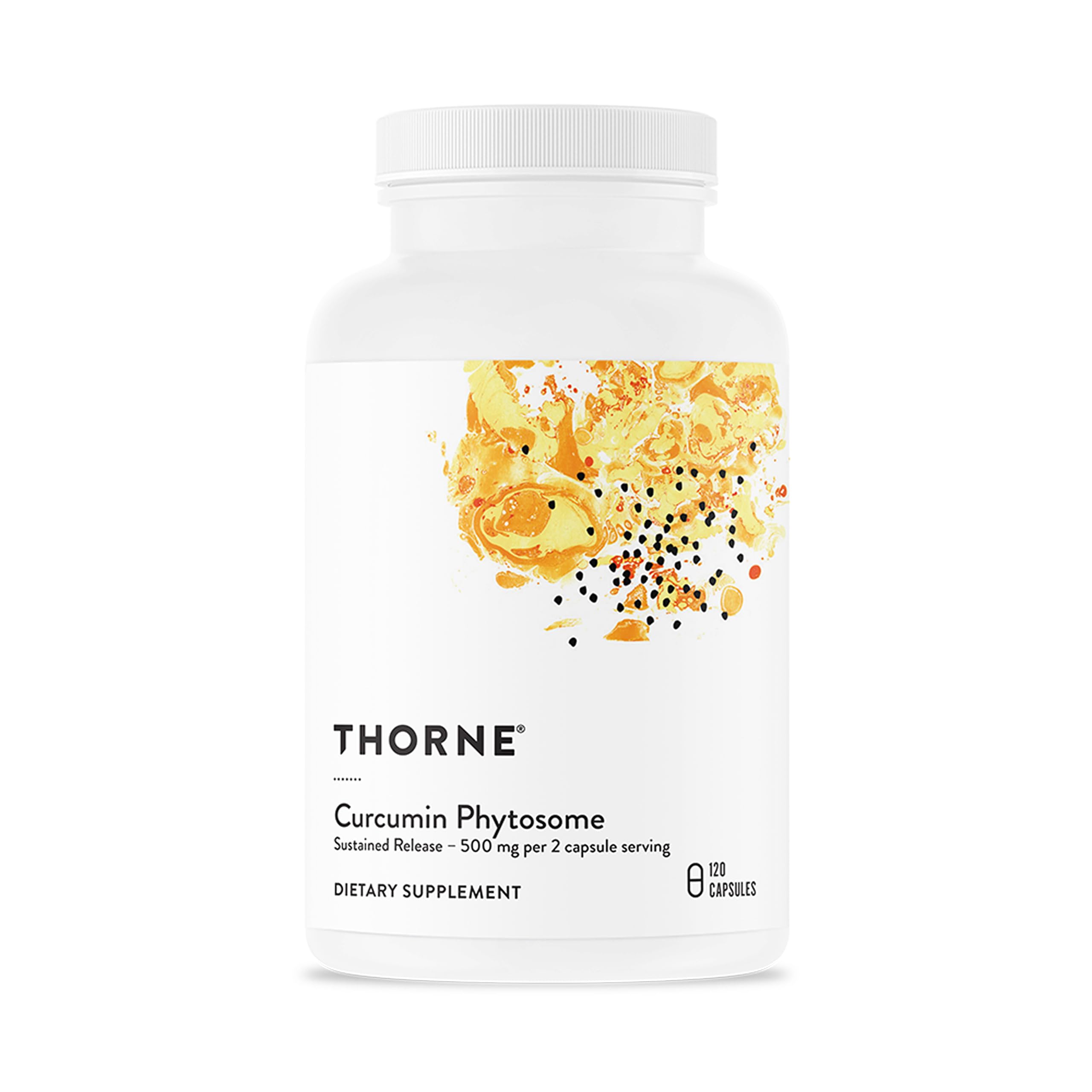
- Turmeric/curcumin: Choose a bioavailability-enhanced extract. Many people find Curcumin Phytosome Complex convenient if they’re aiming for a standardized option. Look for 500–1000 mg/day of curcuminoids from a trusted brand.
- Ginger: Consider standardized ginger extract for those seeking digestive or occasional joint comfort support.
Stress resilience and sleep
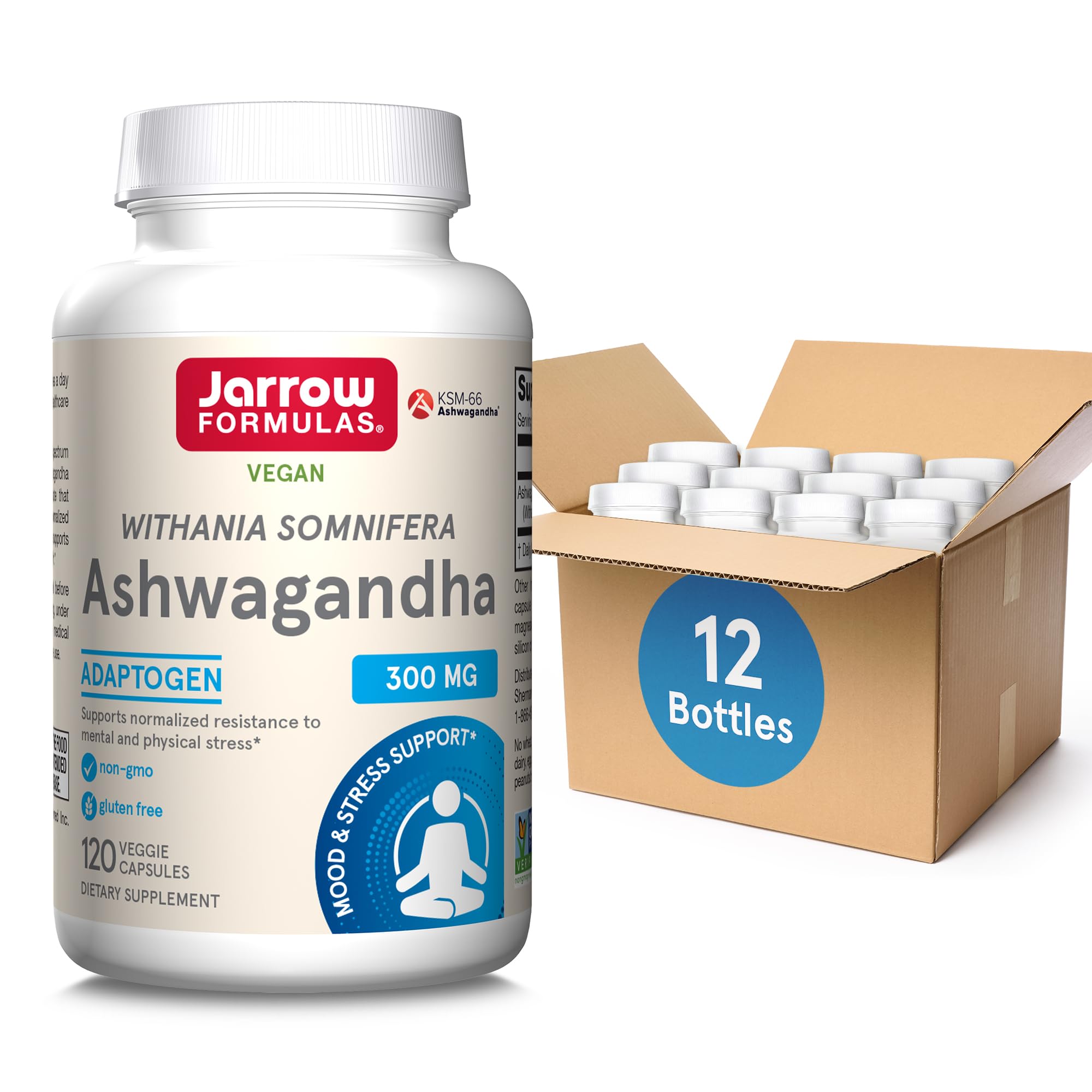
- Ashwagandha: Look for KSM‑66 (root-only) or Sensoril (leaf+root) standardized withanolides. For shoppers prioritizing simplicity, KSM‑66 Ashwagandha Capsules are a commonly selected format.
- Valerian: Standardized valerian extract (e.g., 0.8% valerenic acids) taken 30–60 minutes before bed. May be combined with lemon balm or hops in some formulas.
Cognitive and circulatory support
- Ginkgo biloba: Choose EGb 761 or an equivalent standardized extract (24% flavone glycosides/6% terpene lactones). Start at 120 mg daily.
Heart and metabolic wellness
- Garlic: Aged garlic extract (S‑allyl cysteine standardized) may be better tolerated. Many users prefer USP‑Verified Garlic Extract for label transparency.
Immune season support
- Echinacea: Look for E. purpurea or E. angustifolia, with clear species, plant part, and standardization (e.g., alkamides). Use at first sign of symptoms.
Buying tips:
- Favor brands that publish COAs and use third-party testing.
- Compare price per standardized milligram, not just capsule count.
- Seek clear instructions (e.g., take with food/fat; avoid late-day dosing if stimulating).
Safety, side effects, and common drug interactions
Herbal supplements are active agents. Stop and seek care if you develop severe GI pain, dark urine, yellowing of skin/eyes, rash, severe headache, palpitations, or breathing difficulty.
Common side effects (usually mild and dose-related):
- GI upset, heartburn, gas (turmeric, garlic, ginger)
- Drowsiness (valerian)
- Headache or dizziness (ginkgo, occasionally)
- Allergic reactions, especially with plants in the Asteraceae family (echinacea)
Important interactions and cautions:
- Blood thinners and antiplatelet drugs (warfarin, apixaban, clopidogrel, aspirin): Use caution with turmeric/curcumin, ginkgo, garlic, and high-dose ginger due to bleeding risk. Coordinate with your clinician and monitor INR if applicable.
- Sedatives, sleep meds, alcohol: Valerian can increase drowsiness; avoid combination.
- Thyroid medication: Ashwagandha may influence thyroid hormones—monitor if you take levothyroxine or have hyperthyroidism.
- Anticonvulsants: Ginkgo may lower seizure threshold in predisposed individuals.
- Gallbladder issues: Turmeric/curcumin may aggravate bile duct obstruction.
- Pregnancy and breastfeeding: Ginger is generally considered acceptable for nausea at typical doses, but discuss with your obstetric provider. Many other herbs lack robust pregnancy safety data—avoid unless clinically advised.
- Surgery: Discontinue herbs with bleeding or sedative effects 1–2 weeks before procedures, per your surgeon.
Red flags—consider stopping and consulting a clinician if:
- You experience jaundice, dark urine, or severe abdominal pain (possible liver stress).
- You start a new prescription and feel unusual effects.
- You have an allergic reaction (hives, swelling, wheezing).
How to use herbal supplements: dosing, timing, combining with other supplements or meds
General principles:
- Start low, go slow: Begin at the low end of the suggested range and assess tolerance.
- Take consistently: Many herbs require 2–4 weeks for full effect (e.g., ashwagandha, valerian).
- With or without food: Follow label guidance. Fat enhances absorption for curcumin; ginger may be easier with food if you’re prone to heartburn.
- Cycling: Some practitioners favor periodic breaks (e.g., 5 days on/2 off or 8–12 weeks on/2 off). This is a traditional practice; modern evidence is limited.
- Avoid stacking herbs with overlapping effects unless guided by a professional (e.g., multiple sedative or antiplatelet herbs).
Typical evidence-informed ranges (follow product labels and professional advice):
- Curcumin: 500–1000 mg/day of standardized curcuminoids; choose bioavailability-enhanced forms (phytosome, BCM‑95, Longvida) or combine with 5–10 mg piperine if tolerated.
- Ashwagandha: 300–600 mg/day standardized root extract (5% withanolides for KSM‑66; 10% for Sensoril, often at lower doses).
- Echinacea: 300–500 mg extract up to three times daily at first symptoms; for prevention, follow brand-specific protocols used in studies, typically short-term.
- Ginkgo: 120–240 mg/day of standardized extract (24/6), divided doses with food.
- Valerian: 300–600 mg extract 30–60 minutes before bed; allow 2–4 weeks for consistent benefit.
- Ginger: 500–1000 mg/day standardized extract for nausea; for motion sickness, take 30–60 minutes before travel.
- Garlic: 600–1200 mg/day of aged garlic extract or products standardized to an allicin yield; take with food.
Combining with other supplements:
- Omega‑3s and curcumin are sometimes paired for joint comfort; watch for additive blood‑thinning effects.
- Magnesium glycinate may pair with valerian for sleep, but avoid excess sedation.
- Avoid multiple adaptogens initially; add one at a time to gauge response.
Storage and shelf life:
- Keep herbs in a cool, dry place away from sunlight.
- Tinctures often last longer; check alcohol content and expiration. Discard products past expiration or with off-odors.
What the Research Says (quick reference)
- Strong: Curcumin for osteoarthritis pain relief (small-to-moderate effect vs. placebo); ginger for pregnancy/post-op nausea.
- Moderate: Ashwagandha for stress and sleep quality; ginkgo EGb 761 for mild-to-moderate dementia symptoms; garlic for modest LDL and blood pressure reductions.
- Emerging/Mixed: Echinacea for common colds; valerian for sleep latency/quality.
- Traditional: Many historical uses in Ayurveda and TCM extend beyond current clinical evidence; these may still guide individualized care when used with safety in mind.
Practical takeaways
- Match the herb to your goal and the evidence. For joint comfort, curcumin or ginger are reasonable starting points. For stress and sleep, consider ashwagandha or valerian.
- Prioritize quality: standardized extracts, third-party testing (USP/NSF/ConsumerLab), and transparent labels.
- Start low, monitor effects, and reassess at 4–8 weeks. Keep your clinician in the loop, especially if you take medications.
- Remember that herbal supplements work best alongside lifestyle foundations: nutrition, movement, sleep, and stress management.
Internal links you might find helpful:
- Turmeric Benefits
- Ashwagandha Guide
- How to Read Supplement Labels
- Drug–Supplement Interactions
- Best Sleep Supplements
FAQs
Are “natural” products always safe?
- No. Natural compounds can be potent. Follow evidence-based dosing and check interactions.
How long until I notice effects?
- Nausea support with ginger may be rapid (hours). Stress and sleep herbs often need 2–4 weeks. Joint comfort with curcumin may take 2–8 weeks.
Can I take multiple herbs together?
- Possibly, but introduce one at a time and avoid combining herbs with similar effects (e.g., multiple sedatives or blood thinners) unless supervised.
Capsules vs. tinctures vs. teas—what’s best?
- Standardized capsules offer dosing precision. Tinctures absorb quickly and allow flexible dosing. Teas suit gentle, daily use but may be less concentrated.
Do proprietary blends work?
- They can, but lack of disclosed amounts makes evaluation difficult. Prefer fully disclosed formulas or trusted brands with COAs.
Are organic herbs better?
- Organic reduces pesticide exposure and may support sustainability, but potency still depends on species, part, and extraction.
Can I give herbs to children?
- Only with pediatric guidance. Dosing, safety, and interactions differ by age and weight.
How we evaluated products (methodology)
Our editorial process combines Western evidence and traditional context:
- Literature review: Priority to systematic reviews, meta-analyses, and RCTs; we note when evidence is observational, preliminary, or traditional only.
- Evidence grading: We classify claims as strong, moderate, emerging, or traditional, based on study quality, consistency, and effect size.
- Product criteria: Standardized extracts with demonstrated bioavailability, third-party testing (USP/NSF/ConsumerLab/BSCG), cGMP compliance, transparent labels, and reasonable cost per effective dose.
- Safety screening: We assess known interactions, contraindications, and typical adverse effects and favor brands that publish COAs and follow contamination testing.
- Independence: Recommendations are editorial; we do not claim any product treats, cures, or prevents disease. Affiliate links help support our work without influencing our standards.
Disclaimer
This guide is for educational purposes and does not replace personalized medical advice. Herbal supplements can interact with medications and may not be appropriate for everyone. Consult a qualified healthcare professional before starting, stopping, or combining supplements—especially if you have medical conditions, take prescriptions, are pregnant or breastfeeding, or are planning surgery.