How to Choose Quality Supplements: A Practical, Evidence‑Based Checklist
Learn how to choose quality supplements with a practical, evidence‑based checklist: labels, USP/NSF, COAs, dosing, storage, and safety tips.
·12 min read
This content is for informational purposes only and does not constitute medical advice. Always consult a qualified healthcare provider before starting, stopping, or changing any supplement or medication regimen.
If you’ve ever stood in a supplement aisle wondering how to choose quality supplements, you’re not alone. With thousands of brands and bold promises, it’s hard to know what’s safe, effective, and worth your money. This guide offers a practical, evidence‑based checklist you can use today—blending western research standards with wisdom from traditional practices—to help you select better products and use them wisely.
Why supplement quality matters
Safety: Variable quality can mean contamination with heavy metals, pesticides, microbes, or unlabeled pharmaceuticals. Research suggests contamination is more common in certain categories (e.g., some imported herbs and some sports supplements). Evidence level: moderate (industry surveys, lab analyses, regulatory reports).
Potency: Studies indicate that label claims do not always match what’s in the bottle—some products contain too little or too much active ingredient. Evidence level: moderate (independent lab testing).
Interactions and dosing: Even high‑quality supplements can interact with medications or other supplements. Ensuring accurate dosing and clear labeling reduces risk. Evidence level: strong for known interactions (e.g., St. John’s wort with many medications), moderate for others.
Regulatory context: In the U.S., supplements are regulated as foods under DSHEA, not as drugs. Manufacturers must follow current Good Manufacturing Practices (cGMP), but products are not pre‑approved for efficacy. Evidence level: strong (statute and FDA guidance).
Quality variability: Independent testing frequently finds variance in label accuracy and purity across brands. Evidence level: moderate (third‑party lab reports and peer‑reviewed analyses).
Third‑party certification helps: Seals such as USP, NSF/NSF Certified for Sport, and ConsumerLab (CL) verify identity and potency; some also check contaminants. Evidence level: moderate (program standards and audit results).
Standardization matters for botanicals: Extracts that specify marker compounds (e.g., “curcuminoids 95%”) may offer more predictable dosing than raw powders. Evidence level: moderate (pharmacognosy data). For popular botanicals, see Herbal Supplements Guide: Benefits, Safety & Best Products.
Start with your needs: identify evidence‑based supplements for your goals
Choosing quality begins before you buy. First, decide whether a supplement is likely to help you based on your goals and health status.
Clarify your goal: sleep support, joint comfort, cardiovascular health, cognitive support, energy, or digestive balance.
Check evidence category:
Strong: Backed by multiple randomized controlled trials (RCTs) or meta‑analyses.
Moderate: Limited RCTs or consistent cohort studies.
Emerging: Early human data, pilot studies, or animal/in vitro research.
Traditional: Long historical use without robust modern trials.
Align form and dose with research: For example, studies often specify exact forms (e.g., vitamin D3 vs D2; magnesium glycinate vs oxide) and dosage ranges.
Screen for interactions and contraindications based on your medications and health conditions. Use our Supplement Interaction Checker and discuss with a clinician or pharmacist.
USP Verified: Verifies that the product contains the ingredients listed in the declared potency and amounts, does not contain harmful levels of contaminants, and is made according to GMP. Evidence level: moderate (program auditing, published standards).
NSF Contents Certified / NSF Certified for Sport: Confirms content accuracy and screens for over 280 banned substances in sport products. Especially relevant for athletes subject to testing. Evidence level: moderate.
cGMP (Good Manufacturing Practices): Indicates the facility follows FDA‑mandated quality systems. This is required in the U.S., but an additional third‑party GMP audit (e.g., NSF GMP, UL GMP) strengthens trust. Evidence level: strong (regulatory requirement) and moderate (third‑party audits).
ConsumerLab (CL) Approved: Independent testing of identity, strength, and purity; reports often available by subscription. Evidence level: moderate.
Non‑GMO Project Verified / Organic: Signals sourcing and agricultural practices, not potency. Useful for values‑based choices and to potentially reduce pesticide exposure. Evidence level: moderate regarding pesticide residues; does not guarantee efficacy.
Tip: A product can be GMP‑compliant yet still lack independent verification of potency or contaminants. Seals like USP, NSF, or CL add that extra layer.
Read the label: active ingredient, dosage, forms, and fillers to watch
Labels can reveal a lot about quality. Slow down and scan for these essentials:
Active ingredient(s) and amount per serving: Verify that the dose aligns with research‑supported ranges. Be wary of micro‑doses or mega‑doses outside typical evidence‑based windows unless guided by a professional.
Form matters for absorption:
Minerals: Chelated forms (e.g., magnesium glycinate, bisglycinate; zinc picolinate) often have better tolerability than oxides or carbonates. Evidence level: moderate (bioavailability studies, tolerability data).
Vitamins: Vitamin D3 (cholecalciferol) generally raises 25(OH)D more effectively than D2. Methylcobalamin vs cyanocobalamin each have pros/cons; cyanocobalamin is stable and effective, methylcobalamin is active form. Evidence level: moderate.
Botanicals: Look for standardized extracts (e.g., “curcuminoids 500 mg providing 95% curcuminoids”); check for bioavailability enhancers like piperine or phospholipid complexes when supported by studies. Evidence level: moderate.
Omegas: Concentration of EPA/DHA per capsule matters more than total fish oil. Evidence level: strong for clinically relevant dosing in certain conditions.
Serving size: If potency looks high, confirm whether the label’s “per serving” equals two or three capsules.
Other ingredients (excipients): Many are benign and aid stability (cellulose, silica). Consider avoiding unnecessary artificial colors, titanium dioxide, and excess sugar alcohols if you’re sensitive. Evidence level: moderate for GI tolerance.
Allergens and dietary preferences: Check for soy, gluten, dairy, shellfish; look for “free from” statements and certifications (e.g., vegan, kosher, halal) if relevant.
Lot number and expiration date: Essential for quality tracking and freshness.
Third‑party testing and Certificates of Analysis (COAs): how to verify
Third‑party testing is one of the best tools for verifying supplement quality.
What a good COA includes:
Product name and lot/batch number matching your bottle
Identity testing method (e.g., HPLC, ICP‑MS) and results
Potency/assay results for each active ingredient
Purity/contaminant results with method and limits (heavy metals, microbes, pesticides, residual solvents)
Date of analysis and lab accreditation (ISO/IEC 17025 preferred)
How to get a COA:
Many quality brands publish COAs via QR code or product page.
If not public, email customer support requesting the COA for your lot number.
How to read the numbers:
Potency typically passes within a range (e.g., 90–110% of label claim).
Heavy metals should meet Prop 65/EU/FDA or stricter internal limits when stated; lower is generally better.
Microbiological counts should be within safe limits; pathogens (e.g., Salmonella, E. coli) should be “not detected.”
Seals versus COAs: A seal (USP, NSF, CL) is helpful, but a lot‑specific COA offers the most transparency for your exact bottle. Evidence level: moderate.
Before you commit to a brand, look beyond the label:
Transparency: Clear info on sourcing, standardization, and testing. COAs accessible without friction are a positive sign.
Manufacturing: In‑house or third‑party facilities audited for GMP (NSF/UL). Clear quality program descriptions are reassuring.
Clinical support: Some brands conduct or sponsor clinical trials on their finished products, not just ingredients. Evidence level: moderate for predicting consistency.
Scientific staff: Presence of qualified formulators (PhD, PharmD, RD, MD, TCM practitioners, Ayurvedic vaidyas) suggests rigor and cross‑disciplinary insight.
Recall history: Search for FDA warning letters or recalls; zero or quickly resolved issues signal good quality systems.
Customer service: Responsive answers to testing questions; willingness to share COAs and details.
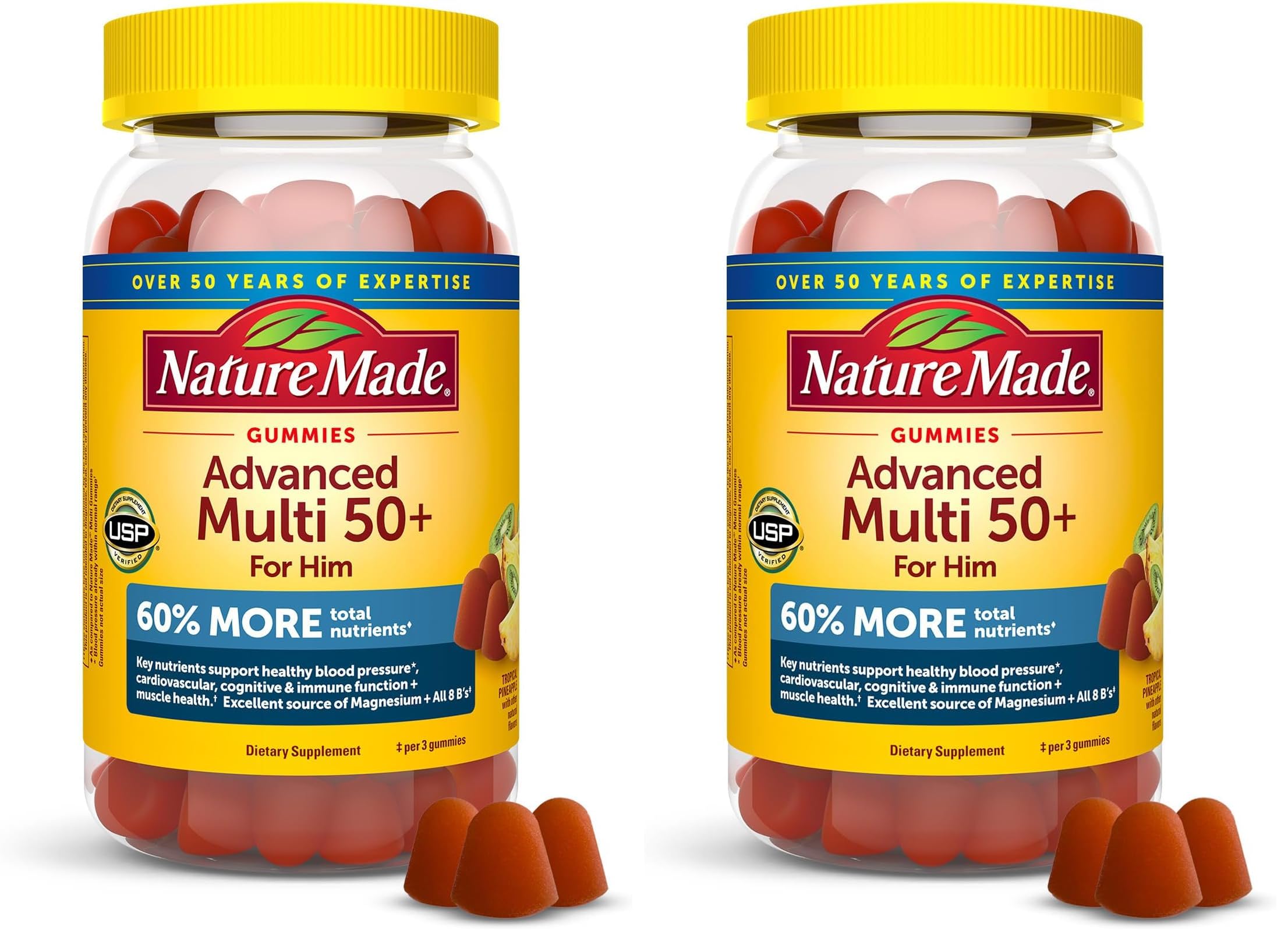
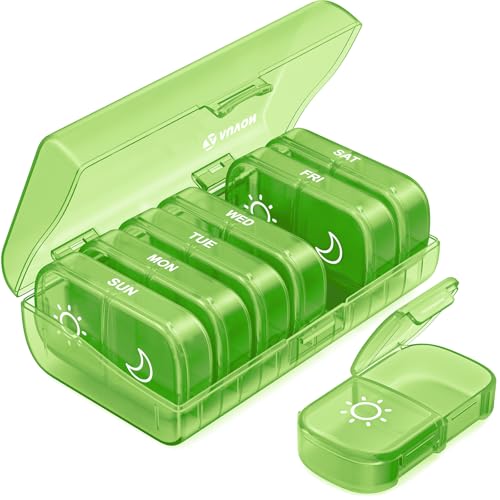
Many people find a vetted, third‑party certified multivitamin helpful for covering gaps; consider options like a USP‑Verified Multivitamin. For athletes, an NSF Certified for Sport Protein Powder can reduce the risk of banned substance contamination. To keep your regimen organized and consistent, a simple Weekly Pill Organizer is often useful.
Red flags: exaggerated claims, proprietary blends, unsupported dosing
Watch out for these common pitfalls:
Disease claims: Supplements cannot legally claim to “cure,” “treat,” or “prevent” diseases. Over‑the‑top promises often signal poor oversight.
Proprietary blends with no amounts: Blends can hide under‑dosing. Quality brands disclose exact milligrams for key actives.
Fairy‑dusting: Dozens of ingredients at trace amounts—impressive label, little effect.
Mega‑doses without rationale: Very high doses raise risk of side effects and interactions. Check ranges used in studies.
Inconsistent or missing contact info: Hard‑to‑reach companies may be hard to trust.
Misaligned forms: Cheap forms with poor absorption (e.g., magnesium oxide for sleep) when better‑tolerated forms exist.
“Too good to be true” pricing: Deep discounts can coincide with corners cut in testing or sourcing.
Where to buy, how to store, and when to consult a healthcare professional
Where to buy:
Direct from the manufacturer: Often best for authenticity and access to COAs.
Reputable retailers: Choose sellers with strict sourcing and storage policies; beware of third‑party marketplace listings without clear chain of custody.
Check seals and packaging: Tamper‑evident seals, intact labels, and recent expiration dates.
How to store:
Keep in a cool, dry place away from sunlight; avoid bathrooms and cars.
Reseal tightly; use desiccants when provided. Light‑ and moisture‑sensitive products (e.g., probiotics, fish oil) may need refrigeration per label.
Smell test: Rancid or off odors in oils mean it’s time to discard.
When to consult a professional:
You take prescription medications, have chronic conditions, are pregnant/breastfeeding, or plan surgery.
You’re considering high‑dose vitamins/minerals or herbal combinations.
You experience side effects like GI upset, rash, palpitations, or mood changes.
Is there strong/moderate evidence the supplement helps your goal? Is the form and dose aligned with research? If unsure, read topic‑specific guides and talk to a clinician.
Screen safety
Check for medication/supplement interactions using the Supplement Interaction Checker. Note allergies and health conditions.
Verify quality signals
Look for USP, NSF, or CL seals; confirm cGMP. Prefer brands that publish COAs for your lot.
Read the fine print
Confirm actives and exact dose per serving; watch excipients; verify serving size and expiration date. Seek standardized extracts for botanicals.
Evaluate the brand
Transparency, manufacturing audits, clinical support, responsive customer service, and clean recall history.
Sense‑check claims and price
Avoid disease claims, proprietary blends without amounts, and unrealistic discounts.
Buy and store smart
Purchase from reputable channels; store per label; consider simple tools like a Weekly Pill Organizer to stay consistent.
Eastern and western perspectives on quality
Western lens: Emphasizes RCTs, pharmacopeial standards (USP), validated analytical methods (HPLC, GC‑MS), and GMP auditing. This approach aims to ensure identity, potency, and purity.
Eastern lens: Traditions like Ayurveda and Traditional Chinese Medicine prioritize the “quality” (guna/qi) of herbs—origin, season, processing (pao zhi), and synergy of formulas. Standardization and authenticated sourcing are increasingly used to protect traditional quality concepts while meeting modern testing standards.
Bridging both: Choosing products that combine authenticated botanicals from reputable suppliers, traditional processing knowledge, and rigorous modern testing can honor both approaches. Evidence level: emerging to moderate for how these blended practices affect outcomes, strong for improving consistency and safety.
Practical takeaways
Quality is verifiable: Prefer products with USP/NSF/CL seals and lot‑specific COAs from ISO‑accredited labs.
Dose and form matter: Match what you buy to forms and dosages used in studies; standardized extracts for botanicals improve consistency.
Safety first: Screen for interactions and contraindications; be cautious with mega‑doses and complex stacks.
Trust earned, not assumed: Transparent brands with accessible COAs, GMP audits, and responsive support deserve your business.
Keep it simple: Fewer, better‑chosen supplements aligned to your goals typically outperform long, unfocused lists.
For deeper dives on specific categories and how to use them wisely, explore:
This information is for educational purposes and should not replace personalized medical advice. Supplements can interact with medications and may not be appropriate for everyone. Always consult a qualified healthcare professional—especially if you have a medical condition, take prescriptions, are pregnant or breastfeeding, or are considering high doses or multiple products. Use the above checklist to guide discussions with your clinician and to make informed, safer choices when selecting supplements.
This content is for informational purposes only and does not constitute medical advice. Always consult a qualified healthcare provider before starting, stopping, or changing any supplement or medication regimen.
If you’re exploring herbal supplements, you’re likely asking two big questions: Do they work, and how do I choose safe, high-quality options? This guide explains what herbal supplements are, what the
Supplements for Energy Boost: Evidence‑Based Options, Dosage, and Safety. Feeling drained and wondering which supplements for energy boost actually work? Before reaching for a pill or powder, it helps to understand why energy dips happen and when supplements may help versus when a medical evaluation is the smarter first step. This guide bridges western research and time‑t
Supplements for Healthy Aging: An Evidence‑Based Guide to What Works, Dosage & Safety. Aging well is about staying strong, sharp, and active—not chasing immortality. If you’re wondering which supplements for healthy aging are actually worth considering, research suggests a focused, evidence‑based plan can support bones, heart, brain, mitochondria, skin, and stress resilience. Suppleme
Supplements for Heart Health: Evidence‑Based Options, Dosage & Safety. If you’re looking into supplements for heart health, you’re not alone. Many people want to know which nutrients can support cholesterol, blood pressure, triglycerides, heart rhythm, and overall cardiovascular resilience—without overpromising or overlooking risks. This guide reviews research-backed o
Best Vitamin D Supplements: Top Picks & Buying Guide. If you’re wondering how to choose the best vitamin D supplement for your needs, you’re not alone. Vitamin D supports bone health, immune function, and mood, yet many of us fall short—especially in winter or with limited sun exposure. This guide reviews how to pick a high‑quality product, who might b
Best Ashwagandha Supplements: Top Picks, Dosing & Safety. If you’re hunting for the best ashwagandha supplement, you’re probably comparing labels, wondering which extracts are legit, and how much you actually need. Below you’ll find our 2026 top picks, how we evaluated them, what the research says, and practical dosing and safety guidance so you can buy wi