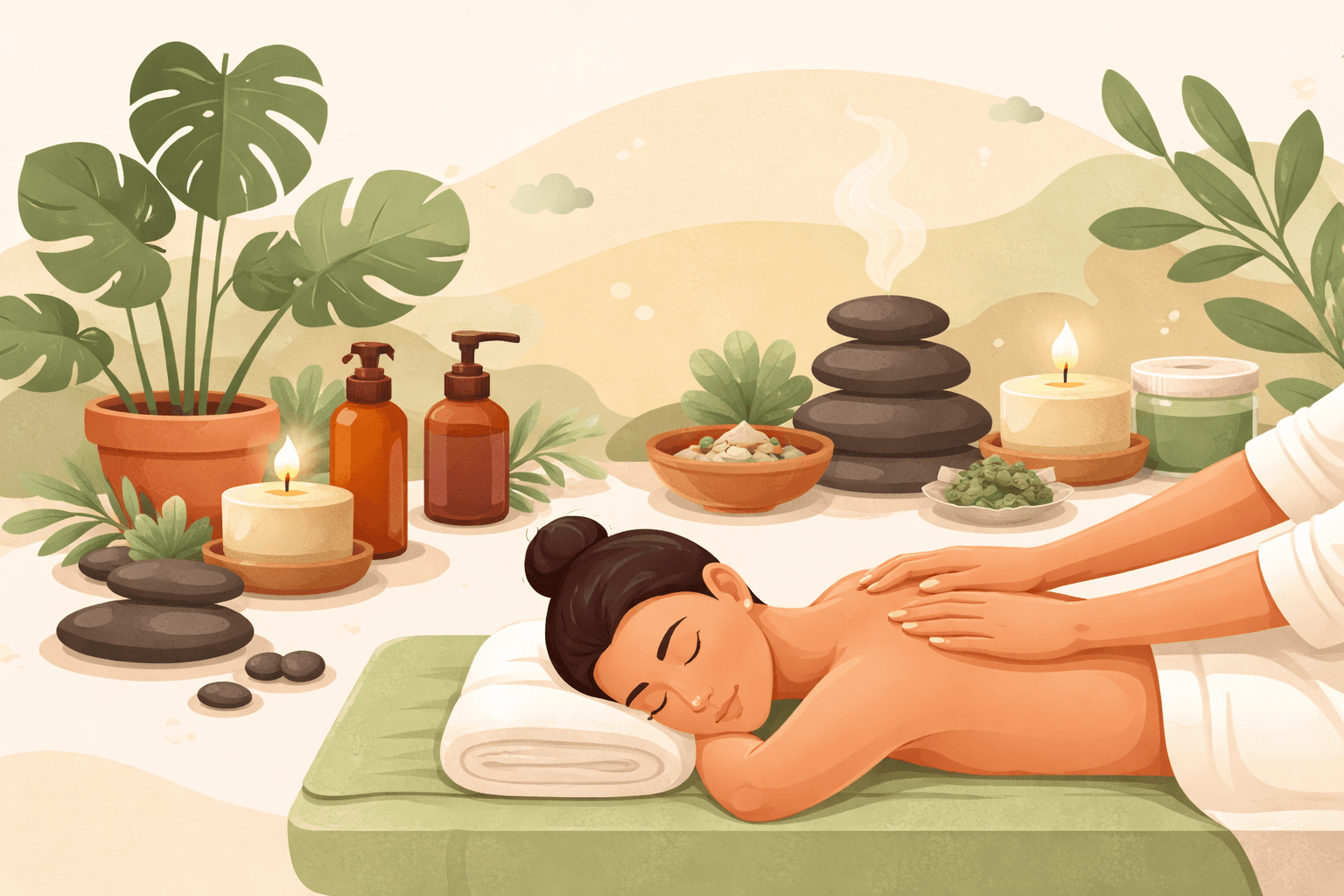
Best Massage Therapy in Asheville: Top Clinics, Modalities, and How to Choose
Your guide to the best massage therapy in Asheville: top modalities, how to choose a therapist, neighborhood tips, research insights, and booking resources.
·9 min read
This content is for informational purposes only and does not constitute medical advice. Always consult a qualified healthcare provider before starting, stopping, or changing any supplement or medication regimen.
If you’re searching for the best massage therapy in Asheville, you’re in good company. From cozy mountain day spas to results-focused clinical practices, Asheville’s wellness scene is unusually rich for a mid-sized city. This guide breaks down local modalities, how to choose the right therapist, neighborhood hotspots, what to expect, and where to book—so you can match your goals (pain relief, relaxation, sports recovery, lymphatic support, and more) to the right provider.
Why Asheville Is a Massage Destination
A culture of wellness: With the Blue Ridge Mountains as a backdrop and a thriving arts community, Asheville naturally attracts bodyworkers, yoga teachers, and integrative practitioners.
Variety of practices: You’ll find day spas, clinical/medical massage, integrative wellness centers, and mobile therapists who travel to cabins and hotels.
Neighborhood hotspots:
Downtown and South Slope for hotel/day spas and walkable options before dinner or a show.
River Arts District (RAD) and West Asheville for boutique studios and sports/somatic specialists.
Biltmore Village for higher-end spa experiences near the estate.
North Asheville/Merrimon corridor for integrative and family practices.
Nearby: Weaverville and Black Mountain offer quieter, small-town studios within a short drive.
Types of Massage Practices You’ll See in Asheville
Day spas: Ideal for relaxation-forward sessions, couples massage, and amenities (sauna, salt rooms, hot tubs). Expect polished ambiance and bundled packages.
Clinical/medical massage: Focused on pain conditions (low-back pain, neck/shoulder issues, TMJ, headaches), post-injury work, and sports recovery. Often collaborate with PTs, chiropractors, or physicians; some can provide superbills for insurance reimbursement.
Integrative wellness centers: Combine massage with acupuncture, yoga therapy, Ayurveda, nutrition, or somatic practices—useful if you want multi-modal care. If you’re curious about Ayurvedic bodywork like Abhyanga oil massage, see our primer: Ayurveda Explained: Principles, Doshas, Benefits & How to Start.
Mobile/on-site massage: Convenient for cabins, retreats, and groups. Ask about sanitation, equipment quality, and travel fees.
Local Massage Modalities: What They’re Good For
Below are common styles you’ll encounter in Asheville, plus typical goals and what research suggests about each. Evidence levels are summarized for clarity: strong (multiple RCTs/meta-analyses), moderate (some clinical trials/observational data), emerging (early or mixed data), traditional (longstanding use without robust modern trials).
Swedish Massage
Best for: General relaxation, stress reduction, light-to-moderate tension.
Techniques: Long gliding strokes (effleurage), kneading, light joint movement.
What the research says: Moderate evidence supports short-term reductions in anxiety and perceived stress, and small-to-moderate improvements in pain for non-specific musculoskeletal complaints.
Deep Tissue Massage
Best for: Chronic tension, myofascial adhesions, localized knots.
Techniques: Slower strokes, sustained pressure into deeper layers.
What the research says: Moderate evidence for short-term pain relief in conditions like chronic low-back pain, neck pain, and shoulder dysfunction; benefits depend heavily on therapist skill and appropriate pressure.
Sports Massage
Best for: Pre-event prep, post-event recovery, maintenance for active individuals.
What the research says: Emerging-to-moderate evidence that sports massage may reduce delayed-onset muscle soreness and improve perceived recovery; effects on performance are mixed.
Myofascial Release / Clinical Myotherapy
Best for: Restricted movement, postural issues, stubborn soft-tissue pain.
Techniques: Gentle sustained fascial stretch/pressure, sometimes instrument-assisted.
What the research says: Emerging-to-moderate evidence for improving range of motion and pain in select musculoskeletal conditions; protocols vary widely, leading to mixed study results.
Craniosacral Therapy
Best for: Subtle nervous system downregulation, headaches, stress-related symptoms (people sensitive to deep pressure often prefer this).
Techniques: Very light touch at the skull, sacrum, and along the spine.
What the research says: Emerging evidence; some small studies suggest benefits for pain and anxiety, but mechanisms and efficacy remain debated in conventional medicine.
Manual Lymphatic Drainage (MLD)
Best for: Lymphedema management, post-surgical swelling (with medical clearance), fluid retention.
Techniques: Feather-light, rhythmic strokes to encourage lymph flow.
What the research says: Moderate evidence supports MLD as part of comprehensive decongestive therapy for certain lymphedema cases; results vary, and proper training is critical. Avoid during active infection or acute DVT.
Thai Massage
Best for: Flexibility, mobility, and energizing sessions without oils (often done clothed on a mat).
Techniques: Assisted stretches, compressions along energy lines.
What the research says: Emerging-to-moderate evidence for flexibility and pain reduction; benefits may parallel active stretching and mobility work.
Lomi Lomi (Hawaiian)
Best for: Deep relaxation, flowing full-body continuity.
What the research says: Traditional; modern clinical evidence is limited, though relaxation and stress relief are commonly reported.
Hot Stone Massage
Best for: Soothing warmth, muscle relaxation, stress reduction.
Techniques: Heated basalt stones integrated with Swedish techniques.
What the research says: Emerging evidence; most benefits appear related to heat-induced muscle relaxation and parasympathetic activation.
Cupping (often paired with massage)
Best for: Localized muscle tension, circulation, some people use it for recovery.
Techniques: Negative pressure via cups (static or gliding). Can leave temporary marks.
What the research says: Emerging evidence for short-term pain relief and increased local circulation; study quality is variable.
What the Research Says About Massage Overall
Pain and function: Studies indicate moderate evidence that massage can reduce short-term pain and improve function in chronic low-back and neck pain. Benefits are comparable to other conservative therapies for some people.
Stress, mood, and sleep: Research suggests moderate effects on anxiety and perceived stress, with small benefits for sleep quality. Mechanisms may involve dampening of the HPA axis and autonomic nervous system shifting toward parasympathetic dominance.
Headaches and TMJ: Emerging-to-moderate evidence for tension-type headaches and temporomandibular disorders when delivered by trained clinicians.
Safety: Generally safe when performed by licensed therapists; adverse events are uncommon and usually minor (soreness, transient bruising with cupping). Certain conditions require caution or medical clearance (see Contraindications below).
Evidence level for this article’s health claims: moderate overall, with some modalities supported by emerging or traditional lines of evidence.
How to Choose the Best Massage Therapist or Clinic in Asheville
Use these criteria to match your goals to the right provider.
1) Licensure and Certifications
North Carolina requires licensure through the North Carolina Board of Massage and Bodywork Therapy (LMBT credential). Verify an active license via the state’s lookup.
Look for additional training aligned with your needs: prenatal massage, oncology massage, MLD (e.g., Vodder or similar), craniosacral, sports/orthopedic massage, or myofascial release certifications.
2) Specialties and Experience
Pain conditions: Ask about experience with your specific issue (e.g., sciatica-like pain, frozen shoulder, postural headaches). Experienced clinical therapists can describe typical treatment plans.
Pregnancy and postpartum: Choose prenatal-certified therapists who understand trimester-specific positioning and contraindications.
Oncology support: Look for oncology-trained massage therapists who coordinate with medical teams and understand line/port precautions and lymphedema risks.
3) Client Outcomes and Reviews
Read for specifics (pressure communication, lasting relief, improved range of motion) rather than star ratings alone.
Check consistency over time and how the business responds to negative feedback.
4) Pricing, Packages, and Value
Typical Asheville ranges: about $85–$130 for 60 minutes in boutique studios; hotel and destination spas may charge $150–$220+. Mobile sessions add travel/setup fees.
Packages and memberships can lower per-visit cost if you’ll go regularly.
5) Insurance and Medical Massage
Some clinics provide superbills for out-of-network reimbursement with a physician’s referral/diagnosis code.
Auto accidents (PIP/MedPay) and workers’ compensation are sometimes eligible with the right documentation.
HSAs/FSAs may cover massage with a Letter of Medical Necessity; Medicare generally does not cover massage.
6) Safety and Hygiene
Clean linens, proper draping, and hand hygiene are non-negotiable.
Intake should include health history, medications, surgeries, and current symptoms to guide safe treatment.
Clear consent around pressure, areas worked, and any sensitive topics.
Example Profiles You Might Encounter (What to Look For)
These composite snapshots reflect common offerings in Asheville. Use them as a checklist when comparing actual businesses.
Downtown day spa (relaxation-forward)
Signature: Swedish or hot stone, couples rooms, sauna add-ons.
Atmosphere: Calming, amenities-focused; ideal for special occasions.
Price range: $$–$$$; peak weekend pricing.
Booking: Website portal or hotel concierge; gift cards available.
Reviews often mention: Ambiance, consistency across multiple therapists.
West Asheville sports and clinical studio
Signature: Deep tissue, sports massage, assisted stretching, cupping.
Credentials: Therapists with orthopedic or sports certifications.
Price range: $$; package discounts for athletes.
Booking: Online scheduling apps (Vagaro, Schedulicity) with therapist bios.
Reviews often mention: Targeted relief, pressure calibration, homework tips.
Credentials: Mix of LMBTs, acupuncturists, yoga therapists.
Price range: $$–$$$.
Booking: Front-desk coordination to stack services.
Reviews often mention: Holistic plans, calm environment, coordinated care.
Mobile cabin massage for groups
Signature: Swedish/deep tissue on-site; couples or group scheduling.
Logistics: Travel fee, setup time, space/parking requirements.
Price range: $$–$$$ depending on travel distance and group size.
Booking: Phone/text; deposit required.
Reviews often mention: Convenience, therapist punctuality, professionalism.
Biltmore-area hotel spa
Signature: Hot stone, aromatherapy, seasonal “Blue Ridge” herbal blends.
Atmosphere: Upscale facilities; day passes or spa access rules vary.
Price range: $$$.
Booking: Hotel site or phone; advanced reservations recommended on weekends.
Reviews often mention: Amenities, special-occasion polish.
What to Expect in a Session
Intake and goals: You’ll review health history and agree on focus areas and pressure preferences.
Draping and comfort: Only areas being worked are undraped; communicate warmth, bolster, or face cradle adjustments.
Communication: Speak up about pressure—therapists prefer adjusting to keep you both safe and effective.
Aftereffects: Normal to feel relaxed or mildly sore for 24–48 hours, especially after deeper work.
Contraindications and When to Seek Medical Clearance
Absolute or temporary hold: Fever, contagious skin infections, acute DVT, uncontrolled bleeding disorders, immediately post-op without clearance, active shingles, or acute flare of inflammatory conditions.
Use trained specialists: Cancer/oncology (line/port precautions, lymphedema risk), pregnancy (trimester-specific expertise), complicated diabetes or neuropathy, and advanced osteoporosis.
Recent injury: Severe sprains, fractures, or suspected disc herniation need medical evaluation first.
Lymphatic drainage: Avoid during active infection or untreated heart/kidney failure; follow your clinician’s plan if you have lymphedema.
Preparation and Aftercare Tips
Before your session: Hydrate, eat a light meal 1–2 hours prior, avoid alcohol, and arrive early to discuss goals without rushing.
After your session: Gentle movement, easy stretching, and warm showers can help. Some people enjoy an Epsom salt bath—traditional for relaxation; modern evidence is limited but many report it feels good. If you try it, a simple Epsom Salt Bath Soak is a low-cost option.
For self-care between visits: A Foam Roller or soft ball can support mobility; research suggests self-myofascial release offers short-term flexibility and soreness improvements (emerging-to-moderate evidence). Aromatherapy with Lavender Essential Oil may support relaxation; studies indicate modest anxiety reductions (moderate evidence).
Look for details: “Neck pain improved after three sessions” or “therapist checked in on pressure” is more meaningful than generic praise.
Consistency: Are results similar across multiple therapists and over time?
Red flags: No mention of intake, rushed sessions, upsell pressure, or unclear pricing.
Alignment: A five-star spa may not be the best for a stubborn shoulder issue if no one specializes in clinical work—match specialty to your goals.
Where to Book: Useful Directories and Tools
License verification (North Carolina Board of Massage and Bodywork Therapy): Search to confirm an active LMBT license.
Professional directories: AMTA “Find a Massage Therapist” and ABMP’s therapist finder list licensed providers with specialties.
General platforms: Google Maps and Yelp for local discovery and reviews; booking apps like Vagaro, Schedulicity, and Booksy for real-time availability.
Tip: Filter by modality and neighborhood (e.g., “sports massage West Asheville” or “lymphatic drainage Biltmore Village”).
Practical Takeaways
Clarify your goal first (relaxation, pain relief, recovery, lymphatic support). This single step makes choosing the best massage therapy in Asheville far easier.
Match modality and setting to your goal: spa for ambiance, clinical studio for targeted pain, mobile for convenience, integrative center for multi-modal care.
Vet credentials, read reviews for outcomes, and confirm pricing and policies before booking.
Start with a trial plan: 2–3 sessions over 4–6 weeks is a fair test for most non-acute issues; adjust frequency with your therapist based on response.
Disclaimer
This article is for educational purposes and does not substitute for professional medical advice, diagnosis, or treatment. Always consult your healthcare provider about new symptoms, injuries, pregnancy, or complex medical conditions, and seek licensed practitioners for massage therapy.
This content is for informational purposes only and does not constitute medical advice. Always consult a qualified healthcare provider before starting, stopping, or changing any supplement or medication regimen.
Top-Rated Acupuncturists in Asheville: Best Clinics, What to Expect, and How to Choose. If you’re searching for top-rated acupuncturists in Asheville, you probably want two things: practitioners with excellent track records and clear guidance on which clinic fits your needs—pain relief, fertility support, stress reduction, sports rehab, and more. This guide explains how to identify the
Acupuncture Clinics in Asheville: Top Local Practices, What to Expect, and How to Choose. If you’re searching for acupuncture clinics in Asheville, you’re likely wondering which practices are reputable, what styles of acupuncture they use, what conditions respond well, and how much you should expect to pay. This guide brings together western research, eastern tradition, and practical loc
How to Find Holistic Health Practitioners in Asheville: Naturopaths, Acupuncturists, Integrative Clinics & What to Expect. If you’re searching for holistic health practitioners in Asheville, you’re not alone. This mountain city blends a vibrant wellness culture with evidence-informed care, from community acupuncture and herbal apothecaries to functional medicine consults and trauma‑informed bodywork. This guide explains
Yoga & Meditation Retreats in Asheville: The Best Centers, Styles, Costs, and What to Expect. If you’re searching for yoga and meditation retreats in Asheville, you’re likely looking for a reset—space to breathe, stretch, and settle your mind in the Blue Ridge Mountains. Asheville’s retreat scene is diverse, from silent mindfulness immersions to Ayurveda-informed yoga weekends with farm-to-t
Ayurvedic Oils for Massage Therapy: Types, Benefits, Dosha‑Based Picks, and How to Use Them. If you’re curious about ayurvedic oils for massage therapy—what to choose, how they work, and whether any of this is evidence‑based—you’re not alone. In Ayurveda, massage (abhyanga) with warm oil is both daily self‑care and targeted therapy. This guide explains the oils, when to use them, what resea
Massage Therapy. . ## Massage Therapy: An Overview
**Massage therapy** is a hands-on health modality that involves the structured manipulation of soft tissues, including muscles, fascia, tendons, and ligaments. Across cultures and time periods, forms of massage have been used to support relaxation, reduce physical di