Yoga & Meditation Retreats in Asheville: The Best Centers, Styles, Costs, and What to Expect
Planning yoga and meditation retreats in Asheville? Compare styles, costs, settings, and benefits—plus expert tips to choose, pack, and integrate.
·10 min read
This content is for informational purposes only and does not constitute medical advice. Always consult a qualified healthcare provider before starting, stopping, or changing any supplement or medication regimen.
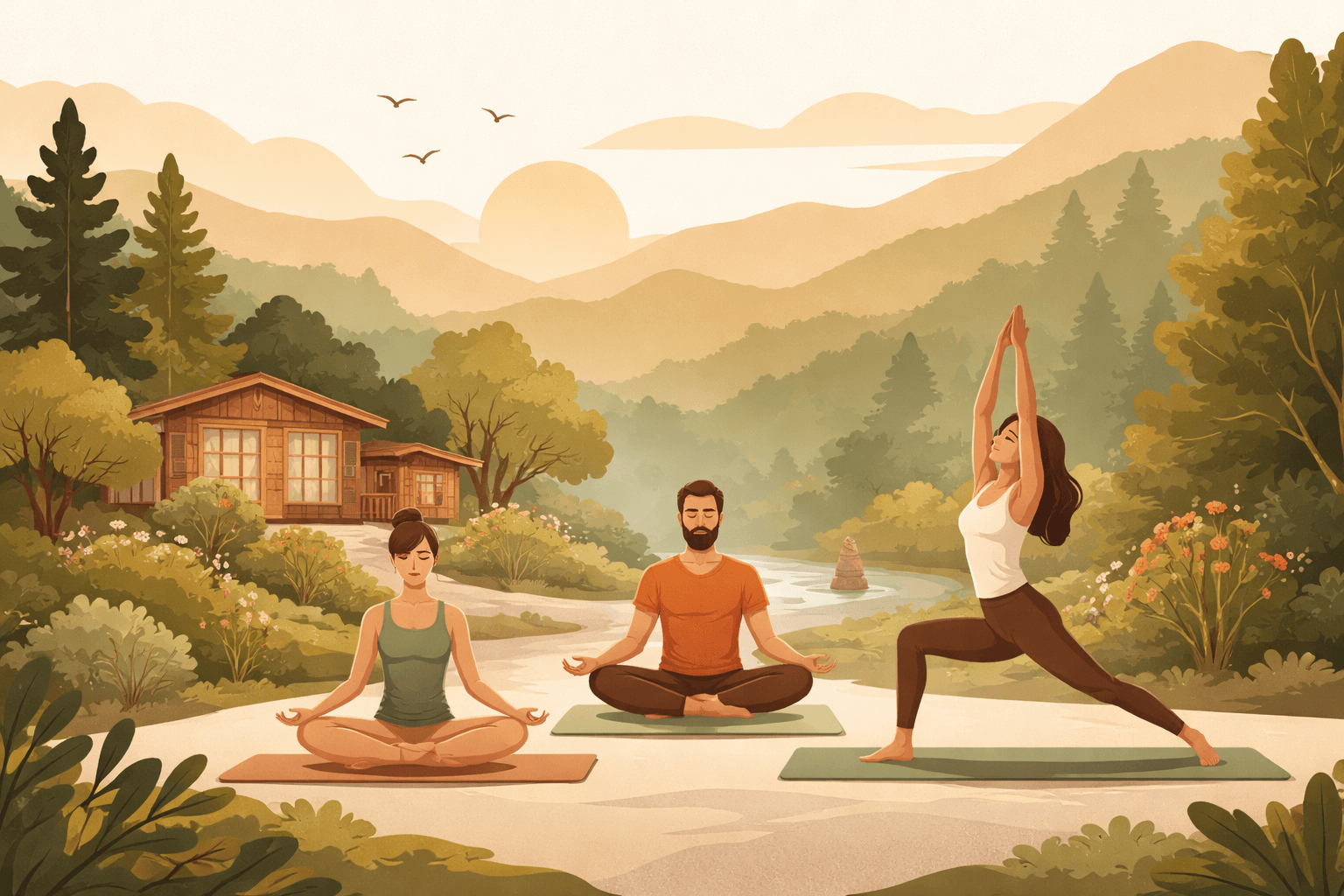
If you’re searching for yoga and meditation retreats in Asheville, you’re likely looking for a reset—space to breathe, stretch, and settle your mind in the Blue Ridge Mountains. Asheville’s retreat scene is diverse, from silent mindfulness immersions to Ayurveda-informed yoga weekends with farm-to-table meals. This guide covers styles, benefits, how to choose the right fit, notable local centers, and how to make the most of your experience.
Overview of Asheville’s Yoga and Meditation Retreat Scene
Asheville’s wellness culture blends mountain serenity with a vibrant community of teachers, healers, and nature lovers. Retreats typically fall into these formats:
Weekend (2–3 days): Great for beginners, busy professionals, and locals seeking a reset. Often themed (stress relief, beginner yoga, compassion practices).
Weeklong (5–7 days): Deeper immersion with silent periods, contemplation, and more structured schedules.
Extended (10+ days): Silent meditation (e.g., Zen or Vipassana) or yoga teacher development/therapeutic programs. Best for practitioners with some prior experience.
Common yoga styles you’ll find:
Vinyasa/Flow: Breath-linked movement; energy-building with options for all levels.
Hatha: Foundational postures and breath; slower tempo.
Yin: Longer holds targeting fascia; calming and meditative.
Restorative: Supported poses for deep rest and nervous system downshifting.
Kundalini: Dynamic breathwork, mantra, and kriyas aimed at energy regulation.
Therapeutic/Trauma-informed: Gentle, choice-oriented sessions that emphasize safety and agency.
Meditation approaches in the region:
Mindfulness/Vipassana: Moment-to-moment awareness; sometimes fully silent.
Zen (Zazen): Seated meditation with posture and breath focus; often includes chanting and mindful work periods.
Loving-Kindness (Metta): Guided compassion practices for self and others.
Yoga Nidra: Systematic relaxation while lying down; accessible for most.
Forested sanctuaries and converted monasteries/temples
Urban studios offering retreat-style weekends with nearby nature excursions
Wellness Benefits and Expected Outcomes
People often report leaving Asheville retreats with looser muscles, clearer minds, and better sleep. Expected outcomes vary by program, but may include:
Physical
Improved mobility and flexibility
Back and neck tension relief
Better sleep quality and daytime energy
Mental and emotional
Reduced stress and anxiety; more emotional resilience
Clearer attention and less rumination
Greater self-awareness and skillful responses to triggers
Spiritual/relational
Sense of connection to nature and community
Renewed purpose, values alignment, or contemplative insight
What the Research Says
Yoga for pain and function (strong evidence): Multiple randomized controlled trials (RCTs) and clinical guidelines indicate yoga can help chronic low back pain and improve function in some people. Effects are comparable to standard non-pharmacologic therapies when practiced consistently.
Stress and mood (moderate to strong evidence): Meta-analyses suggest mindfulness-based programs reduce perceived stress, anxiety, and depressive symptoms in diverse populations. Neuroimaging studies show changes in attention and emotion-regulation networks with regular practice. For a deeper dive into brain mechanisms, see our piece on Meditation and the Brain: What Neuroimaging Reveals About Stress and Mood.
Fear and reactivity (emerging to moderate evidence): Meditation may alter amygdala reactivity—a key stress circuit—especially in response to stressors. Findings vary by technique, duration, and baseline mental health. We explore this in Meditation and the Amygdala: What Brain Scans Reveal About Stress Circuits.
Sleep (moderate evidence): Studies indicate yoga and mindfulness can improve subjective sleep quality and insomnia symptoms for some participants.
Retreat-specific outcomes (emerging evidence): Short-term retreats have been linked with reduced stress, improvements in mindfulness, and shifts in biomarkers (e.g., cortisol) in small trials and observational studies. More rigorous, long-term data are needed.
Evidence level for retreat participation overall: moderate (strong for some component practices like yoga for back pain; moderate for mindfulness-based stress reduction; emerging for intensive retreat formats).
How to Choose the Right Retreat in Asheville
Teacher credentials and lineage
Yoga: Look for experienced instructors (e.g., E-RYT 200/500), yoga therapists (C-IAYT) for therapeutic needs, or teachers with specialty training (prenatal, trauma-sensitive).
Meditation: Instructors with MBSR/MBCT certification, or teachers grounded in Buddhist, Zen, or contemplative lineages. Read bios—years of practice and mentorship matter.
Five to seven days: $900–$2,500+ depending on lodging and extras
Sliding scale and work-exchange exist at some centers
Policies and logistics
Deposits, cancellations, and weather contingencies—leaf season and winter storms can affect travel
Seasonality: Spring and fall are peak; book early for foliage season
Travel: Fly into AVL (Asheville Regional). CLT and GSP are larger hubs within driving distance. Mountain roads can be winding; plan arrival before dark if possible
Accessibility and inclusivity
Ask about ADA access, chair yoga or bolsters, fragrance-free policies, and gender-inclusive housing options
Trauma-informed programs prioritize choice, consent, and clear opt-outs
Layers for variable mountain weather, rain shell, trail shoes
Refillable water bottle, small daypack, journal
Personal yoga mat if preferred—many people find a lightweight Travel Yoga Mat helpful for outdoor sessions
Meditation supports: If you struggle sitting on the floor, a portable Meditation Cushion can improve comfort for longer sits
Earplugs/eye mask for shared lodging
Medical and contraindication checks
If you have musculoskeletal issues, a therapeutic or restorative-focused retreat may be safer than vigorous vinyasa
For mental health concerns (acute depression, PTSD, panic), choose trauma-informed or gently guided formats; fully silent retreats can be challenging. Discuss plans with a clinician or therapist beforehand
Medications: Keep stable routines; bring enough for the full stay plus extra
COVID/respiratory etiquette: Many centers maintain ventilation, outdoor dining options, and symptom policies—check current guidelines
Accessibility and inclusion
Ask about step-free access, accessible bathrooms, and alternative seating (chairs, bolsters)
Dietary needs: Confirm gluten-free, vegan, nut-free, or low-FODMAP options in writing
Identity safety: Many Asheville programs are LGBTQ+ affirming; look for explicit statements and housing options that align with your needs
Maximizing benefits during the retreat
Pace yourself—choose restorative sessions when fatigued
Stay hydrated and prioritize protein and complex carbs at meals
Use nature as co-therapist: mindful walks, forest bathing, creekside sits
Consider a simple wind-down ritual for sleep (gentle stretches, breathwork). Some travelers use Magnesium Glycinate; research suggests magnesium may support sleep quality in certain populations. Speak with a clinician to decide if it’s appropriate for you
Integrating your practice at home
Create a 15–20 minute daily “anchor” routine: 5 minutes breath or body scan, 10 minutes gentle movement, 5 minutes gratitude/metta
Set environmental cues: mat by the bed, cushion in a visible corner, timer app ready
If you’re curious about adaptogenic herbs for everyday stress, many people explore options like ashwagandha. We review benefits, dosing, and safety here on GoldBamboo so you can discuss with your clinician.
Practical Takeaways
Match the retreat to your goals: deep silence vs. gentle reset vs. nature-forward yoga
Vet teachers and centers: credentials, lineage, trauma-informed skills, and clear policies
Budget realistically: weekends from roughly $450–$1,100 all-in; weeklongs often $900–$2,500+
Prioritize safety and accessibility: disclose health needs; ask about accommodations
Plan integration before you go: pick a simple daily routine and an accountability buddy
Disclaimer
This guide is for educational purposes and does not replace personalized medical advice. Yoga and meditation are generally safe for most people, but intensity and silence levels should match your experience and health status. Consult a qualified healthcare professional—especially if you have significant physical or mental health conditions—before attending a retreat or starting a new regimen.
This content is for informational purposes only and does not constitute medical advice. Always consult a qualified healthcare provider before starting, stopping, or changing any supplement or medication regimen.
Best Massage Therapy in Asheville: Top Clinics, Modalities, and How to Choose. If you’re searching for the best massage therapy in Asheville, you’re in good company. From cozy mountain day spas to results-focused clinical practices, Asheville’s wellness scene is unusually rich for a mid-sized city. This guide breaks down local modalities, how to choose the right therapist, nei
Acupuncture Clinics in Asheville: Top Local Practices, What to Expect, and How to Choose. If you’re searching for acupuncture clinics in Asheville, you’re likely wondering which practices are reputable, what styles of acupuncture they use, what conditions respond well, and how much you should expect to pay. This guide brings together western research, eastern tradition, and practical loc
Top-Rated Acupuncturists in Asheville: Best Clinics, What to Expect, and How to Choose. If you’re searching for top-rated acupuncturists in Asheville, you probably want two things: practitioners with excellent track records and clear guidance on which clinic fits your needs—pain relief, fertility support, stress reduction, sports rehab, and more. This guide explains how to identify the
How to Find Holistic Health Practitioners in Asheville: Naturopaths, Acupuncturists, Integrative Clinics & What to Expect. If you’re searching for holistic health practitioners in Asheville, you’re not alone. This mountain city blends a vibrant wellness culture with evidence-informed care, from community acupuncture and herbal apothecaries to functional medicine consults and trauma‑informed bodywork. This guide explains
Eastern Wellness Practices for Relaxation: An Evidence‑Based Guide to Yoga, Meditation, Acupuncture, Ayurveda, Tai Chi & Qigong. If stress is running the show, you may be wondering which eastern wellness practices for relaxation are worth your time. Yoga, meditation, acupuncture, Ayurveda, tai chi, and qigong offer time‑tested ways to calm the nervous system. Research suggests many of these practices can reduce perceived stre
Yoga Exercises for Mental Clarity: A Practical Guide to Poses, Breathwork, and Short Routines. If you’re feeling scattered, forgetful, or stuck in “mental fog,” yoga exercises for mental clarity can offer practical, evidence‑informed tools to steady attention, lift alertness, and reduce rumination. Mental clarity here means a felt sense of focus, ease in decision‑making, and the ability to sh