Yoga Exercises for Mental Clarity: A Practical Guide to Poses, Breathwork, and Short Routines
Clear mental fog with yoga exercises for mental clarity. Evidence-informed poses, breathwork, and 5–30 minute routines to boost focus and calm.
·10 min read
This content is for informational purposes only and does not constitute medical advice. Always consult a qualified healthcare provider before starting, stopping, or changing any supplement or medication regimen.
If you’re feeling scattered, forgetful, or stuck in “mental fog,” yoga exercises for mental clarity can offer practical, evidence‑informed tools to steady attention, lift alertness, and reduce rumination. Mental clarity here means a felt sense of focus, ease in decision‑making, and the ability to shift attention without getting hijacked by stress. Common culprits behind fog include poor sleep, chronic stress, digital overload, dehydration, and unstructured workdays.
Research suggests yoga can help by pairing rhythmic breathing with targeted movement and short periods of stillness. Physiologically, slow, nasal breathing boosts vagal tone (a marker of parasympathetic activity), movement and balance poses recruit attentional networks, and brief meditative focus can quiet default‑mode network (DMN) activity linked to mind‑wandering. Early neuroimaging on meditation and breath practices shows changes in prefrontal control circuits and amygdala reactivity; while yoga is not identical to meditation, it shares mechanisms. See our overview of brain changes with practice in Meditation and the Brain: What Neuroimaging Reveals About Stress and Mood (/articles/meditation-brain-neuroimaging-stress-mood).
This guide offers a curated set of postures and pranayama, plus 5–30 minute routines you can plug into your day. Evidence levels are noted where possible, and traditional uses are acknowledged alongside modern data.
What the Research Says about Yoga Exercises for Mental Clarity
Cognitive performance: Studies indicate that short bouts of hatha yoga (often 20–30 minutes) can yield small‑to‑moderate improvements in attention, working memory, and processing speed immediately after practice, with stronger effects in older adults and stressed populations. Evidence level: moderate (small RCTs, systematic reviews with heterogeneity).
Stress and rumination: Meta‑analyses of yoga for stress show consistent reductions in perceived stress and anxiety, factors that commonly undermine clarity. Evidence level: strong for stress reduction; indirect but meaningful for clarity.
Autonomic regulation: Slow, paced, nasal breathing and alternate‑nostril breathing (Nadi Shodhana) are associated with improved heart‑rate variability (HRV), a proxy for vagal tone and emotional regulation. Evidence level: moderate.
Neurochemistry and brain networks: Small imaging and spectroscopy studies suggest yoga and breath practices can increase GABA (an inhibitory neurotransmitter) and modulate networks involved in attention and mind‑wandering (e.g., DMN). Evidence level: emerging.
Bottom line: Research supports using yoga as a low‑risk strategy to improve focus and calm—especially when combined with good sleep and smart screen habits. The size of effects varies, and individual responses differ, but many people report immediate shifts in alertness and steadier attention after a single session.
Poses and Breathwork That Support Clarity
Below are concise, targeted practices. For each, you’ll see what it’s good for, how to do it, immediate effects you might notice, and key safety notes.
Why: Narrow base of support + steady gaze (drishti) strengthens single‑pointed attention.
How: Stand tall, press one foot into the opposite calf or inner thigh (avoid the knee), gaze at a fixed point, breathe slowly for 5–10 breaths, switch sides.
Safety: In pregnancy, use only open, gentle twists.
Pranayama for Clarity and Calm
Nadi Shodhana (Alternate‑Nostril Breathing)
Why: Studies indicate improved HRV and reduced anxiety; many report steadier attention.
How: Right hand in Vishnu mudra; gently close right nostril, inhale left; close left, exhale right; inhale right; close right, exhale left. That’s one cycle. 6–10 cycles at a comfortable pace.
Evidence level: Moderate for autonomic balance; emerging for direct cognitive effects.
Kapalabhati (Skull‑Shining Breath) — energizing
Why: Rapid, active exhalations can increase alertness; traditionally used for mental brightness.
How: Seated tall. Sniff exhale by snapping the low belly in; let inhales be passive. Start with 20–30 pumps, rest, repeat up to 3 rounds.
Immediate effect: Quick lift in energy and focus.
Contraindications: Pregnancy, glaucoma, uncontrolled hypertension, recent abdominal surgery, hernia. Stop if dizzy or anxious. Evidence: Traditional use; emerging modern data.
Bhramari (Humming Bee Breath)
Why: Gentle humming may stimulate the vagus nerve and raise nasal nitric oxide; many report immediate soothing.
How: Inhale through nose; exhale with a soft, closed‑mouth hum for 6–8 rounds. Optionally cover ears lightly.
Evidence level: Emerging; small physiological studies.
For more context on how these practices fit into broader Eastern traditions and modern stress science, see Eastern Wellness Practices for Relaxation (/articles/eastern-wellness-practices-for-relaxation).
Short, Medium, and Long Routines You Can Use Today
The sequence principle: Breathe to arrive, move to mobilize, balance to focus, then breathe or sit to consolidate. Keep transitions smooth and nasal.
Warm‑up (5 minutes): Cat‑Cow; Low Lunge with side bend; gentle Seated Twist.
Sun A, slow (6 minutes): 3 rounds focusing on even breath.
Balancing Series (6–8 minutes): Tree → Eagle → Warrior III (use wall/blocks to keep quality).
Gentle Inversions and Twists (5 minutes): Down Dog → Prasarita (wide fold) → Revolved Chair or easy seated twist.
Pranayama + Stillness (5–7 minutes): Nadi Shodhana (3–5 minutes) → 2 minutes of seated focus on breath or a single point (drishti).
Expected feel: Calm, sustained concentration; reduced urge to multitask.
Modifications, Contraindications, and Safety Notes
Pregnancy: Avoid Kapalabhati, strong breath retentions, and deep closed twists. Favor open twists, gentle forward folds with bent knees, and Nadi Shodhana without holds.
High blood pressure or glaucoma: Avoid or modify inversions (e.g., Down Dog, long forward folds) and forceful pranayama. Keep breath smooth and avoid straining.
Back, knee, or balance concerns: Use a wall or chair; bend knees in folds; skip Warrior III if it provokes pain.
General rule: Clarity practices should feel steadying, not agitating. If breath becomes tight, back off and lengthen your exhale.
For a comparison of slow, mindful movement options, you might also explore Yoga vs Tai Chi: Comparative Benefits, Evidence, and How to Choose (/articles/yoga-vs-tai-chi-comparative-benefits).
Tools for Tracking Progress and Making It Stick
Measuring clarity doesn’t have to be clinical. Use simple, repeatable check‑ins.
One‑minute breath‑count: Count natural breaths for 60 seconds before and after practice. Many people see a modest drop post‑session (a sign of parasympathetic shift).
Subjective clarity score: 0–10 rating pre/post (0 = foggiest, 10 = crystal clear). Track trends, not single days.
Micro focus test: Try a quick Stroop or digit‑span test via a reliable website or app at the same time of day, twice weekly.
Journaling prompts (2 minutes): What felt clearer after practice? What one task now seems most important? Any triggers for distraction?
Energy and mood: A simple 1–5 scale for energy and calm can reveal patterns over weeks.
Wearables: If you already use HRV tracking, note changes after breath‑heavy sessions. Treat as experimental data, not diagnosis.
Environment and habit tips
Create a micro‑studio: Keep a mat, block, and a folded towel visible and ready. Reduces friction to start.
Use a timer: A 5‑minute countdown can be enough for a reset. Many people find a simple Timer App helpful for building consistency.
Phone boundaries: Airplane mode or Focus mode during practice; consider one 10‑minute block right after waking, before screens.
Pairing: Link your 5–10 minute practice to an anchor (after coffee, before first meeting, post‑lunch).
Lifestyle synergies for mental clarity
Sleep hygiene: Consistent wake time, morning light, and reducing late‑night blue light. Some people find Blue‑Light Blocking Glasses helpful for evening screen use; evidence is mixed, but they may reduce perceived eye strain.
Hydration and nutrition: Start the day with water; aim for balanced meals with protein and fiber. Light snacks pre‑practice (e.g., fruit + nuts) prevent dips.
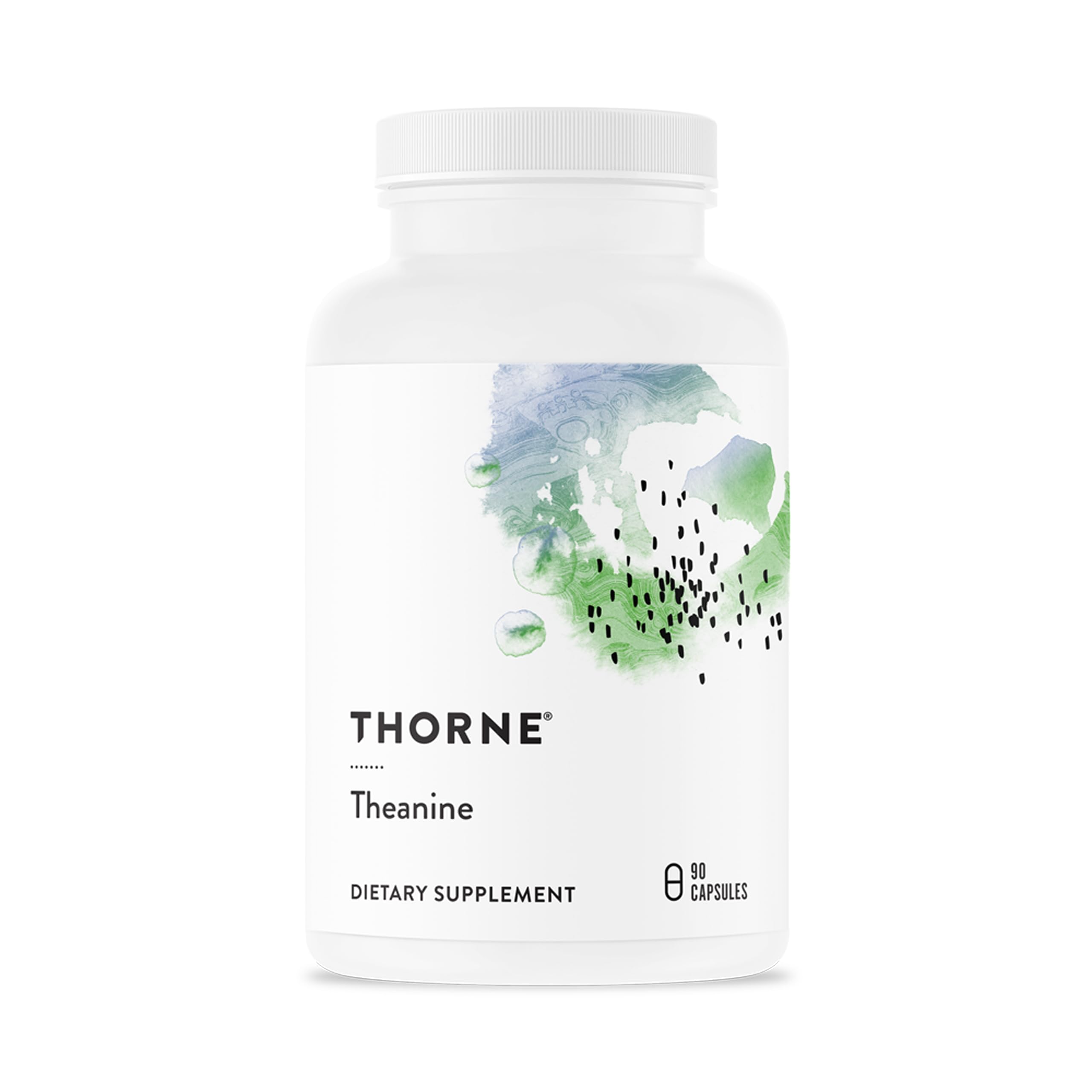
Supplements: Research suggests L‑theanine (100–200 mg) can promote calm focus in some people, especially with caffeine; effects are modest. If appropriate for you, L‑theanine Supplement may be worth trying. Emerging evidence supports Rhodiola for fatigue‑related concentration; consider Rhodiola Rosea cautiously if you are not pregnant and don’t have bipolar disorder. Always consult a clinician about interactions and personal risks.
Gear that helps you show up: A comfortable, non‑slip surface can make daily practice easier; many people find a Non‑Slip Yoga Mat motivates consistency.
If you want additional techniques for settling the nervous system quickly, our guide on Grounding Exercises for Mental Health: Evidence‑Based Techniques to Reduce Anxiety and Improve Mood (/articles/grounding-exercises-for-mental-health-evidence-based-techniques) pairs well with the routines above.
How to Use This Information
Choose one routine that fits your schedule (5, 15, or 30 minutes) and repeat it at the same time of day for 2 weeks.
Keep it nasal and smooth: Inhales 4–5 counts, exhales 6–8 counts, unless doing a specific technique like Kapalabhati.
Favor balance + breath: One balance pose and one breath practice per session gives the most “clarity per minute.”
Track simply: Rate clarity 0–10 pre/post for two weeks. If average post‑scores trend up by 1–2 points, you’ve likely found your dose.
Adjust intensity: If jittery, use more Nadi Shodhana and Bhramari. If sluggish, add a short Kapalabhati round and more standing flow.
Integrate with life: Practice before cognitively demanding blocks (writing, studying, presentations) and after attention‑draining meetings.
What the Evidence Levels Mean Here
Strong: Multiple RCTs/meta‑analyses with consistent results (applies best to yoga’s impact on stress/anxiety).
Moderate: Limited RCTs/observational studies with suggestive findings (applies to attention, HRV changes with certain breath techniques).
Emerging: Preliminary or small physiological/brain studies (pose‑specific effects; pranayama mechanisms like nitric oxide).
Traditional: Longstanding use in yoga/ayurvedic texts (Kapalabhati for mental brightness) with limited modern trials.
Disclaimer
This article is for educational purposes and does not replace personalized medical advice. Consult a qualified healthcare professional before starting a new exercise or breathwork program, especially if you have cardiovascular, respiratory, ocular, neurological, or mental health conditions; are pregnant; or take medications that affect blood pressure or mood. Stop any practice that causes pain, dizziness, or distress.
This content is for informational purposes only and does not constitute medical advice. Always consult a qualified healthcare provider before starting, stopping, or changing any supplement or medication regimen.
Grounding Exercises for Mental Health: Evidence‑Based Techniques to Reduce Anxiety and Improve Mood. If your mind races, your chest tightens, or the world starts to feel unreal, simple grounding exercises for mental health can help you come back to the present moment. Grounding aims to reduce dissociation, manage panic, and interrupt rumination by engaging your senses, breath, movement, and attenti
Eastern Wellness Practices for Relaxation: An Evidence‑Based Guide to Yoga, Meditation, Acupuncture, Ayurveda, Tai Chi & Qigong. If stress is running the show, you may be wondering which eastern wellness practices for relaxation are worth your time. Yoga, meditation, acupuncture, Ayurveda, tai chi, and qigong offer time‑tested ways to calm the nervous system. Research suggests many of these practices can reduce perceived stre
Stress Relief with Ayurveda: Dosha‑Based Techniques, Breathing, Diet & Herbal Support. Feeling wired, tired, or both — and wondering how to calm your system without losing your edge? This guide walks through stress relief techniques from Ayurveda, integrating traditional wisdom with what modern research suggests about breathwork, movement, diet, and herbs. You’ll find dosha‑specific t
Yoga. . ## Overview
**Yoga** is a mind-body practice that combines physical postures, breathing techniques, and meditative or attentional training. Originating in South Asia and shaped over centuries through diverse philosophical and therapeutic traditions, yoga is now used worldwide as both a spiritual di
Eastern Approaches to Mental Wellness: TCM, Ayurveda, Mind‑Body Practices, and Evidence‑Based Strategies. If you’re exploring eastern approaches to mental wellness, you might be wondering how traditions like Traditional Chinese Medicine (TCM), Ayurveda, mindfulness, qigong, and yoga can help with stress, anxiety, mood, and clarity—especially alongside therapy or medication. Research suggests many of the
Chronic Pain and Yoga. Yoga is a mind–body practice that blends physical postures, breath control, and focused attention. Chronic pain is a multidimensional condition involving biomechanical strain, sensitized pain pathways, and psychological stress. Understanding how yoga interfaces with these dimensions can help people