

Massage Therapy
Massage Therapy: An Overview
Massage therapy is a hands-on health modality that involves the structured manipulation of soft tissues, including muscles, fascia, tendons, and ligaments. Across cultures and time periods, forms of massage have been used to support relaxation, reduce physical discomfort, improve mobility, and promote a general sense of well-being. In modern practice, massage therapy spans a wide spectrum of approaches, from gentle relaxation-oriented methods to more targeted techniques focused on musculoskeletal function, rehabilitation support, or symptom relief in medical settings.
Massage is now used in many different contexts, including wellness care, sports recovery, pain management programs, integrative oncology, rehabilitation, and palliative care. Common styles include Swedish massage, deep tissue massage, myofascial techniques, trigger point therapy, sports massage, lymphatic drainage, and manual therapies rooted in traditional medicine systems. Although these approaches differ in technique and underlying theory, they generally share the goal of influencing the body through touch, pressure, movement, and the therapeutic relationship between practitioner and recipient.
From a public health perspective, massage therapy is widely utilized, particularly for stress, back pain, neck pain, muscle tension, and quality-of-life support. Research suggests its effects may involve multiple pathways rather than a single mechanism. These may include temporary changes in muscle tone, reduced pain sensitivity, improved circulation in superficial tissues, modulation of the autonomic nervous system, and psychological effects such as decreased anxiety and enhanced relaxation. Increasingly, investigators also examine massage within the broader framework of nonpharmacologic symptom management, especially in settings where reducing reliance on medication is a priority.
At the same time, massage therapy is not understood as a universal solution for all conditions. Outcomes vary depending on the technique used, the skill of the practitioner, the health condition being studied, treatment frequency, and the expectations or preferences of the individual. It is also important to note that some forms of massage may be inappropriate in certain situations, such as acute injury, unstable medical conditions, bleeding risk, certain skin infections, or specific postoperative contexts. For this reason, massage is generally discussed in integrative health literature as a supportive modality whose role is best considered alongside appropriate medical evaluation when needed.
Medical Perspectives
Two Ways of Seeing Health

Western
scientific · clinical
Western medicine applies science, technology, and clinical experience to treat symptoms through testing, diagnosis, and targeted intervention.

Eastern
traditional · alternative
Eastern medicine focuses on treating the body naturally by applying traditional knowledge practiced for thousands of years, emphasizing balance and whole-person wellness.
Gold Bamboo presents both perspectives side-by-side so you can make informed decisions. We don't advocate for one over the other — your health choices are yours.
Western Medicine Perspective
Western / Conventional Medicine Perspective
In conventional medicine, massage therapy is typically categorized as a complementary or integrative manual therapy. It is most commonly studied for conditions involving pain, musculoskeletal dysfunction, stress-related symptoms, and supportive care during illness. Clinical research has examined massage for chronic low back pain, neck and shoulder pain, osteoarthritis-related discomfort, cancer symptom burden, anxiety, sleep disturbance, and postoperative or hospital-based symptom relief. Findings are mixed by condition, but systematic reviews often report small-to-moderate short-term benefits for pain and anxiety in some populations.
Western biomedical explanations for massage focus on mechanical, neurologic, and psychosocial mechanisms. Studies indicate massage may influence soft tissue extensibility, local blood flow, pressure receptors, parasympathetic activity, and pain processing pathways. Some researchers describe the effects in terms of reducing central sensitization or altering the perception of pain through sensory input and relaxation responses. In addition, the structured therapeutic setting, supportive touch, and reduction in perceived stress may contribute meaningfully to outcomes. These effects can be clinically relevant even when underlying disease processes are unchanged.
Mainstream healthcare systems increasingly include massage in integrative medicine programs, especially for symptom management rather than disease cure. Hospitals, cancer centers, pain clinics, and rehabilitation settings may incorporate massage as part of multidisciplinary care. However, conventional medicine also emphasizes limitations in the evidence base: study designs vary, blinding is difficult, massage styles are heterogeneous, and outcomes are often subjective. As a result, massage is generally viewed as a modality with potential adjunctive value, particularly for symptom relief and quality of life, while decisions about its use are best informed by individual medical context and discussion with qualified healthcare professionals.
Eastern & Traditional Perspective
Eastern / Traditional Medicine Perspective
In many traditional systems, massage is understood as more than a mechanical intervention. It is often viewed as a way to influence the flow of energy, circulation, vitality, and systemic balance. In Traditional Chinese Medicine (TCM), massage practices such as Tui Na are used to regulate the movement of Qi and Blood, open channels and collaterals, and address patterns involving stagnation, deficiency, or imbalance. Rather than focusing only on local muscle tension, TCM may interpret pain or dysfunction in relation to broader patterns affecting organ systems, emotional state, and environmental influences.
In Ayurveda, massage practices such as Abhyanga are traditionally used to calm the nervous system, nourish tissues, support circulation, and balance the doshas, especially when dryness, tension, or overstimulation are thought to be present. Oils, rhythm, pressure, body constitution, and seasonal factors may all be considered relevant. In this framework, massage is often part of a larger therapeutic philosophy that may also include diet, herbs, breath practices, and daily routine.
Naturopathic and other traditional or holistic systems frequently regard massage therapy as supportive for the body's self-regulatory capacity, helping to reduce stress load and improve functional resilience. Eastern and traditional perspectives also place notable emphasis on the therapeutic quality of touch, the restoration of mind-body harmony, and individualized pattern assessment rather than symptom categories alone. While many of these frameworks are rooted in long clinical traditions rather than modern biomedical models, they continue to inform contemporary integrative practice. As with conventional care, traditional practitioners generally recognize that the appropriateness of massage depends on the person's condition, constitution, and overall health status.
Supplements & Products
Recommended Products

The Trigger Point Therapy Workbook: Your Self-Treatment Guide for Pain Relief: Davies NCTMB, Clair, Davies CMTPT LMT, Amber, Simons MD, David G.
The Trigger Point Therapy Workbook, Third Edition, has made a huge impact among health professionals and the public alike, becoming an overnight classic in the field of pain relief. This edition inclu
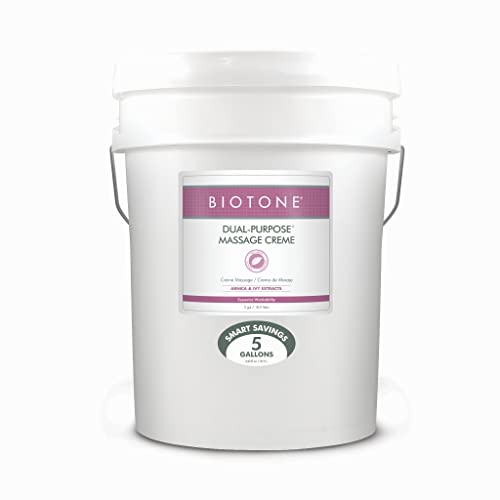
BIOTONE Dual-Purpose Massage Crème with Arnica and Ivy Extracts, Pure Ingredients, Effortless Glide, Luxurious Feel, More Workability, Less Reapplications : Massage Lotions
Vegan Massage Cream (8oz Tube) - Unscented, Water Dispersible, Nut Oil Free, Gluten Free and Contains Only Certified Organic Oils and Extracts. Biotone Herbal Select Massage Products Body Therapy Crem

TheraGun Therabody Prime (5th Generation) - Deep Tissue Percussion Therapy Massage Gun - Bluetooth Enabled, Personal Massager for Pain Relief in Neck, Back, Leg, Shoulder and Body (Black)
Amazon.com: TheraGun Therabody Prime (5th Generation) - <strong>Deep Tissue Percussion Therapy Massage Gun - Bluetooth Enabled, Personal Massager for Pain Relief in Neck, Back, Leg, Shoulder and Body<
Evidence & Sources
Promising research with growing clinical support from multiple studies
- National Center for Complementary and Integrative Health (NCCIH)
- Cochrane Database of Systematic Reviews
- Journal of Clinical Oncology
- Pain Medicine
- The Journal of Alternative and Complementary Medicine
- BMJ Open
- World Health Organization (WHO)
- Archives of Physical Medicine and Rehabilitation
This content is for informational purposes only and does not constitute medical advice. Always consult a qualified healthcare provider before starting, stopping, or changing any supplement or medication regimen.