How Ayurveda Treats Hormonal Imbalances: An Evidence‑Aware Guide to Dosha‑Based Care, Herbs, and Lifestyle
A practical, evidence‑aware guide to how Ayurveda treats hormonal imbalances with dosha‑based diet, herbs, yoga, and integrative safety tips.
·11 min read
This content is for informational purposes only and does not constitute medical advice. Always consult a qualified healthcare provider before starting, stopping, or changing any supplement or medication regimen.
Many people search for how Ayurveda treats hormonal imbalances when facing irregular cycles, PMS, hot flashes, thyroid complaints, or stress‑related fatigue. Ayurveda offers a whole‑person framework that connects digestion, sleep, stress, and daily rhythm to hormone health. Modern research is beginning to validate parts of this approach, especially for stress regulation, metabolic balance, and menopausal comfort. This guide blends traditional Ayurvedic wisdom with current evidence so you can explore safe, integrative options.
Ayurvedic framework for hormonal health
Ayurveda views hormones through the lens of systems balance rather than isolated glands.
Doshas: Vata (movement/nerve), Pitta (metabolism/heat), and Kapha (structure/fluid) govern physiology. When doshas are disturbed, signaling and tissue function can become erratic.
Agni: The “digestive fire” that transforms food into usable nutrients and signals. Low or erratic agni can impair hormone synthesis and detoxification.
Ama: Metabolic byproducts/toxins that accumulate when agni is weak. Ama can “block” channels and disrupt hormonal signaling.
Ojas: Vital resilience and immune strength. Adequate ojas supports stress tolerance, sleep, and stable cycles.
Dhatus and srotas: Tissues (like rasa/fluids, meda/fat, shukra‑artava/reproductive tissue) and the channels that nourish them. Obstruction or depletion in these pathways may show up as endocrine symptoms.
How common Western diagnoses may map to Ayurvedic patterns (general tendencies, individualized assessment required):
PCOS: Often Kapha‑Vata with ama and meda dhatu involvement. Typical signs: irregular or absent menses, acne, weight gain, insulin resistance, hirsutism. Goals: kindle agni, clear ama, lighten Kapha, stabilize Vata, open artava‑vaha and medo‑vaha srotas.
Thyroid disorders: Hypothyroid commonly Kapha with ama (sluggishness, coldness, weight gain); hyperthyroid more Pitta‑Vata (heat, anxiety, palpitations). Goals: optimize agni, balance the dominant dosha, and support rasadhatu/shukra.
Menopause and perimenopause: Natural Vata increase with Pitta flares (hot flashes, night sweats) and Kapha fluctuations (fluid changes). Goals: stabilize Vata, cool Pitta, protect bone and mood, support sleep/ojas.
How Ayurveda treats hormonal imbalances: assessment and root‑cause analysis
An Ayurvedic consultation aims to understand both your baseline constitution and current imbalance.
Prakriti and vikriti: Your innate doshic makeup (prakriti) and your current disturbance (vikriti). Matching therapies to both helps personalize care.
Pulse, tongue, skin, stool, and cycle history: Practitioners note tongue coating (ama), dryness or oiliness of skin, sleep quality, bowel patterns, and menstrual features (intervals, flow, clots, PMS) to identify which srotas are affected.
Agni and ama: Are you experiencing bloating, heaviness after meals, cravings, or strong reflux? These guide diet and digestive herbs.
Srotas focus: Rasavaha (fluids), medovaha (metabolic/fat), manovaha (mind), and artava/shukra vaha (reproductive) are key in endocrine concerns. Signs of obstruction or depletion change the treatment approach.
Lifestyle inputs: Irregular meals, late nights, high stress, sedentary time, environmental exposures (plastics, fragrances), and high refined sugar can perpetuate imbalance. Gentle course corrections are core to therapy.
Integrative labs (when appropriate): Thyroid panel (TSH, free T4/T3), A1c/fasting insulin, lipids, ferritin, vitamin D/B12, and for PCOS, total testosterone, DHEA‑S, SHBG, and AMH. Ayurveda does not require labs but can integrate them for safety and monitoring.
Therapeutic toolkit and treatment goals
Ayurveda’s goals are to restore regularity (dinacharya), strengthen digestion (agni), clear ama, balance doshas, and rebuild ojas. Most care plans include diet, herbs, mind‑body practices, and, when appropriate, supervised detox.
Diet and digestive therapies
General principles: Eat at consistent times, emphasize a warm main meal midday, and favor freshly prepared foods. Reduce ultra‑processed items, refined sugars, and alcohol. Hydrate between meals.
For Kapha‑predominant patterns (common in PCOS): Light, warm, gently spiced meals; non‑starchy vegetables; legumes; moderate whole grains; lean proteins; minimize dairy/sweets. Helpful spices: ginger, cinnamon, black pepper, fenugreek.
For Pitta patterns (hot flashes, hyperthyroid features): Cooling foods; cucumbers, leafy greens, basmati rice, coconut, cilantro, mint; reduce chilies, alcohol, and very sour or fried foods.
Ama‑clearing: Short, food‑based resets (kitchari with digestive spices), light soups, and simple meals for several days may be used. Intensive cleanses should be supervised.
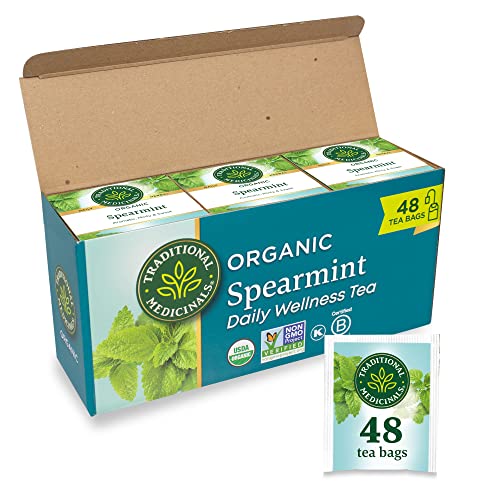
Many people find Spearmint Tea helpful as a pleasant daily beverage choice. While not an Ayurvedic classic, spearmint has been studied for supporting healthy androgen levels in people with PCOS. Evidence is preliminary; discuss with your clinician if you have low blood pressure or take medications.
Key adaptogenic and endocrine‑modulating herbs
Herbal strategies are selected by dosha pattern, symptoms, and safety profile. Evidence ranges from strong (stress reduction) to emerging (direct hormonal effects). Always consult a clinician if you are pregnant, nursing, on medications, or have a hormone‑sensitive condition.
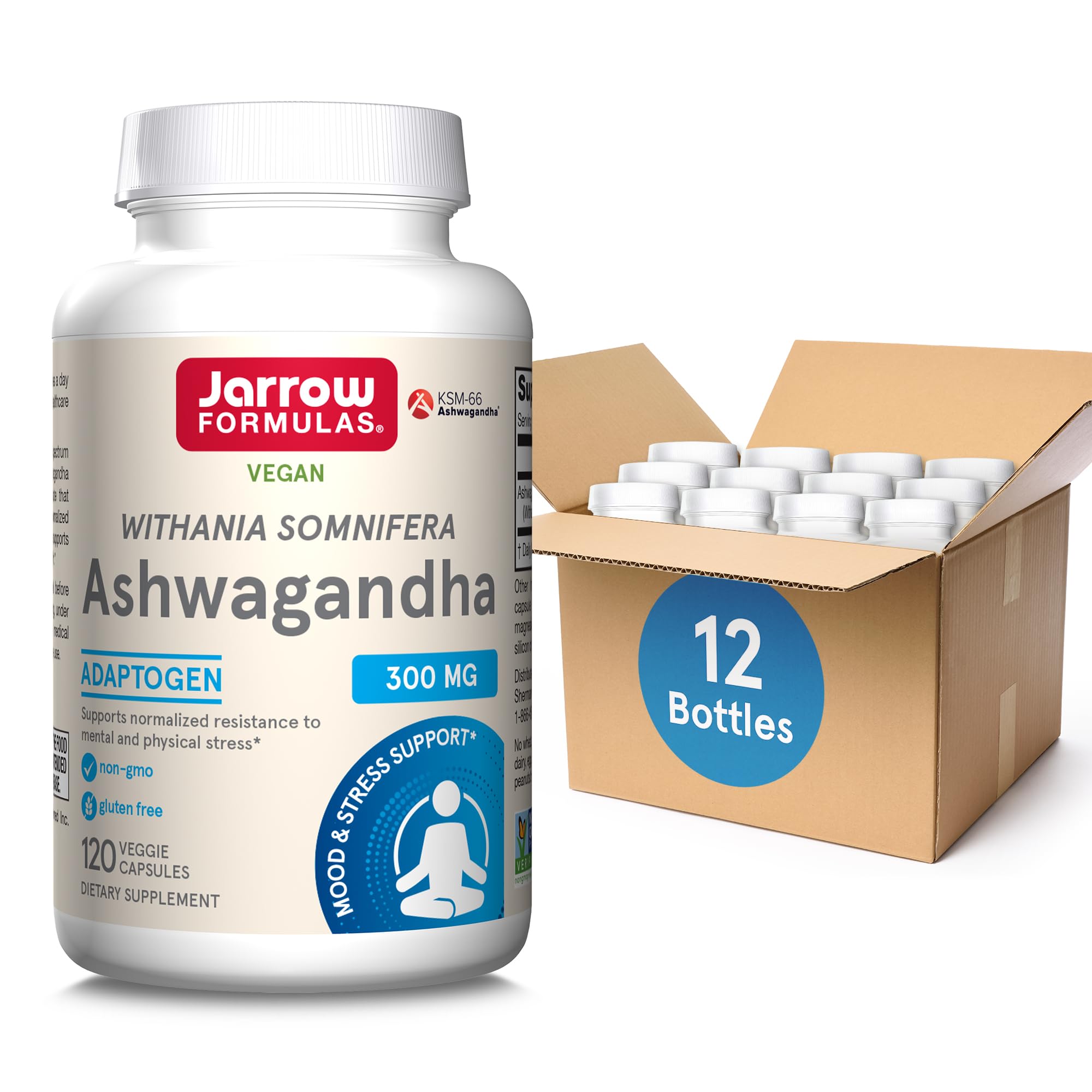
Ashwagandha (Withania somnifera): Traditionally used to steady Vata, support sleep, and build ojas. Studies indicate benefits for stress, sleep quality, and modest cortisol regulation; small trials suggest support for subclinical hypothyroidism. Possible thyroid‑stimulating effect; avoid in hyperthyroidism unless supervised. Rare liver injury has been reported. Learn more on our Ashwagandha page. Many readers choose standardized options such as Organic Ashwagandha KSM‑66; select third‑party tested products and start low.
Shatavari (Asparagus racemosus): Traditionally a premier female reproductive tonic for dryness, hot flashes, and cycle regularity. Emerging clinical evidence suggests potential support for menopausal comfort and prolactin in lactation. Avoid with asparagus allergy or estrogen‑sensitive cancers unless oncology‑approved.
Guduchi/Amrit (Tinospora cordifolia): Traditionally used to clear ama and modulate immunity/Pitta. Early research suggests metabolic and anti‑inflammatory effects; case reports of misidentified species and liver injury exist—use reputable sources. Caution with autoimmune conditions.
Holy Basil/Tulsi (Ocimum sanctum): Traditionally calming and sattvic. Preliminary human studies suggest stress and mood support; may modestly affect blood glucose. See our Holy Basil (Tulsi) guide.
Licorice/Yashtimadhu (Glycyrrhiza glabra): Traditionally nourishes adrenals and mucosa. Can raise blood pressure and lower potassium in high doses or with prolonged use; avoid with hypertension, kidney disease, or certain meds.
Fenugreek (Trigonella foenum‑graecum): Traditionally used for digestion and lactation. Research suggests support for glucose and lipids. May lower blood sugar; caution with diabetes meds and anticoagulants.
Cinnamon (Cinnamomum spp.): Traditionally digestive and warming. Meta‑analyses indicate small improvements in fasting glucose/insulin. Cassia cinnamon is high in coumarin; consider Ceylon if used regularly.
Aloe vera (Kumari): Traditionally used short‑term for menstrual regularity and constipation. Aloe latex is a strong laxative; avoid in pregnancy and with GI disorders.
Turmeric (Curcuma longa): Curcumin may modulate inflammatory pathways (e.g., NF‑kB). Research suggests benefits for metabolic and inflammatory markers; interacts with blood thinners.
Guggul (Commiphora mukul): Traditionally used for lipid metabolism and Kapha. May interact with thyroid function and statins; avoid with hyperthyroidism unless supervised.
Doses vary by extract and individual; a practitioner can personalize form and timing.
Panchakarma and supervised detox
Panchakarma is a set of cleansing and rejuvenating procedures tailored to dosha and season (e.g., snehana/oilation, svedana/steam, basti/medicated enemas for Vata, virechana/gentle purgation for Pitta, and nasya for head/neck congestion). Traditional use aims to clear ama and reset agni. Modern evidence is limited and mostly observational; these therapies should be performed by trained clinicians with medical screening.
Daily routine, sleep, yoga, and stress management
Dinacharya: Consistent wake/sleep times, morning hydration, gentle tongue cleaning, and regular mealtimes help synchronize circadian hormones.
Sleep: Aim for 7–9 hours; consider a relaxing wind‑down and screen‑light reduction. Magnesium‑rich foods and warm evening teas may help.
Movement: For Kapha/PCOS, favor daily brisk walking, resistance training, and interval work 3 days/week. For Vata, choose steady, grounding movement (yoga, Pilates, walking). For Pitta, avoid overheating; emphasize cooling practices and moderate intensity.
Stress/HPA axis regulation (evidence: moderate): Multiple randomized trials suggest ashwagandha can improve perceived stress, sleep, and modestly reduce cortisol. Early trials suggest tulsi may support mood and stress resilience.
Thyroid support (evidence: emerging to moderate): Small randomized studies of ashwagandha in subclinical hypothyroidism show increases in T3/T4 and reduced TSH. Case reports of thyrotoxicosis in sensitive individuals suggest the need for monitoring.
PCOS/metabolic markers (evidence: emerging to moderate): Lifestyle plus yoga shows improvements in cycle regularity, BMI, and insulin resistance in small RCTs. Cinnamon and fenugreek demonstrate modest benefits on glycemia and lipids. Spearmint tea has reduced free testosterone in small trials; clinical significance varies.
Menopause (evidence: moderate): Mind‑body practices (yoga, mindfulness) can reduce vasomotor symptoms and improve sleep in meta‑analyses. Shatavari has early evidence for hot flash and vaginal dryness support; large high‑quality trials are limited.
Panchakarma/detox (evidence: emerging): Preliminary studies report short‑term improvements in inflammatory and lipid markers following structured programs; controlled, long‑term data are limited.
Overall, research suggests Ayurveda‑aligned strategies can complement standard care, especially for stress management, metabolic balance, sleep, and quality of life. Herb quality, dosing, and individual response vary; work with qualified clinicians and monitor labs when relevant.
Evidence, safety, and integrative care
Herb–drug interactions and contraindications:
Ashwagandha: May increase thyroid hormones; caution with hyperthyroidism and thyroid meds. Rare liver injury reported. Avoid in pregnancy unless prescribed by a clinician.
Shatavari: Avoid or use with oncology guidance in estrogen‑sensitive cancers; possible diuretic effect; asparagus allergy.
Guduchi: Potential immunostimulant; caution with autoimmune disease and immunosuppressants. Rare liver injury reports (ensure correct species and sourcing).
Licorice: Can raise blood pressure and lower potassium; interacts with diuretics, steroids, digoxin.
Fenugreek and tulsi: May lower blood sugar; caution with diabetes meds and anticoagulants.
Cinnamon: Cassia contains coumarin; caution with liver disease and warfarin; consider Ceylon.
Turmeric/curcumin: May increase bleeding risk with anticoagulants; caution with gallstones.
Guggul: May interact with statins, warfarin, and thyroid meds; avoid with hyperthyroidism.
Quality matters: Choose third‑party tested products; confirm botanical identity and standardized extracts when appropriate.
Coordinate care: Do not stop prescribed endocrine or OB/GYN medications without medical advice. Share your full herbal list with your endocrinologist or primary care clinician. Schedule periodic labs if targeting thyroid or metabolic outcomes.
When to seek urgent care:
Thyroid: Severe palpitations, chest pain, confusion, fever, or profound lethargy with swelling and cold intolerance.
Gynecologic: Severe or persistent pelvic pain, soaking >1 pad/tampon per hour for several hours, fainting, suspected pregnancy complications.
Metabolic: Very high blood sugar with nausea/vomiting, fruity breath, or confusion.
This information is educational and not a substitute for personalized medical care.
Expected timeline, monitoring, and maintenance
Short term (2–4 weeks): Improved digestion (less bloating/heaviness), steadier energy, and better sleep with dinacharya, diet, and gentle herbs.
Medium term (6–12 weeks): For PCOS patterns, gradual improvements in acne, cravings, cycle predictability, and insulin markers; for menopause, fewer/night flashes and better sleep; for stress‑HPA issues, more consistent mood and resilience. Thyroid markers may shift over 8–12 weeks with careful monitoring.
Longer term (3–6+ months): Weight and metabolic changes stabilize; menstrual cycles regulate; bone and mood support continue with ongoing lifestyle practices.
Markers to track:
Daily: Sleep hours/quality, energy, mood, bowel regularity, basal body temperature (if tracking cycles).
Monthly: Menstrual intervals/flow/PMS, hot flash frequency, exercise logs, weight/waist.
Quarterly (with clinician): Thyroid panel if applicable; A1c/fasting insulin; lipids; androgens/SHBG for PCOS; ferritin and vitamin D in fatigue; bone health discussions for menopause risk.
Follow‑up and adjustment strategy:
Reassess doshic pattern every 4–6 weeks. If Vata signs persist (dryness, insomnia), increase nourishing foods and evening abhyanga. If Pitta irritability or hot flashes continue, add cooling foods and pranayama. If Kapha sluggishness stalls, increase movement intensity and lighten dinners.
Taper or rotate herbs after 8–12 weeks if goals are met; maintain with food‑based spices and lifestyle.
Consider seasonal resets (gentle kitchari or produce‑forward weeks) to support agni without extreme detoxes.
Maintenance and prevention suggestions:
Keep a consistent sleep and meal schedule.
Prioritize protein and fiber at each meal to stabilize glucose.
Practice 10–15 minutes of breathwork or meditation daily.
Include strength training 2–3 times/week to support insulin sensitivity and bone.
Continue oil massage 3–5 times/week for Vata or during perimenopause.
Practical takeaways
If you’re wondering how Ayurveda treats hormonal imbalances, think “regularize the day, strengthen digestion, clear what’s stuck, and nourish resilience.”
Start with what you control daily: meals at set times, earlier bedtime, gentle breathwork, and a dosha‑appropriate plate.
Consider evidence‑supported herbs like ashwagandha for stress (monitor thyroid) or shatavari for menopausal dryness, chosen with your clinician for safety.
For PCOS patterns, build a movement routine and emphasize non‑starchy vegetables and protein; cinnamon and fenugreek can be culinary allies.
Keep your medical team in the loop; track symptoms and labs so you can see what’s working.
Disclaimer
This article is for educational purposes and is not a substitute for professional medical advice, diagnosis, or treatment. Always speak with a qualified healthcare provider before starting, stopping, or combining any treatments, especially if you are pregnant, nursing, have a medical condition, or take prescription medications.
This content is for informational purposes only and does not constitute medical advice. Always consult a qualified healthcare provider before starting, stopping, or changing any supplement or medication regimen.
Stress Relief with Ayurveda: Dosha‑Based Techniques, Breathing, Diet & Herbal Support. Feeling wired, tired, or both — and wondering how to calm your system without losing your edge? This guide walks through stress relief techniques from Ayurveda, integrating traditional wisdom with what modern research suggests about breathwork, movement, diet, and herbs. You’ll find dosha‑specific t
If you’re curious about Ayurveda—what it is, how doshas work, and whether it can help you feel more balanced—you’re not alone. Ayurveda is an ancient health system that’s seeing renewed interest for s
What Is Ayurveda? An Evidence-Based Guide to Principles & Practices. If you’ve ever wondered “what is Ayurveda?” you’re not alone. Interest in this ancient healing system is rising worldwide, yet clear, evidence-informed explanations can be hard to find. This guide bridges traditional Ayurvedic wisdom with modern research so you can appreciate its philosophy, know wh
Ayurvedic Diet. Dosha Diet, Balancing Diet. ## Overview
**Ayurvedic diet** refers to a traditional eating framework rooted in **Ayurveda**, the classical medical system of India that has been practiced for thousands of years. Rather than focusing only on calories, macronutrients, or disease-specific restrictions, this approach emphasizes **i
Natural Remedies for PMS (Premenstrual Syndrome): Evidence‑Based Herbs, Supplements & Lifestyle Strategies. If you’re searching for natural remedies for PMS because the monthly mood swings, bloating, breast tenderness, and cravings keep disrupting your life, you’re not alone. Research suggests up to 75% of menstruating people experience some premenstrual symptoms, with a smaller percentage facing intense,
If you’re curious about ayurvedic medicine—what it is, how it works, where it helps, and where evidence is limited—this guide brings together both traditional teachings and modern research. Ayurvedic