Looking for natural remedies for PMS? Explore evidence‑based herbs, supplements, and lifestyle strategies, plus safety tips and when to see a clinician.
·12 min read
This content is for informational purposes only and does not constitute medical advice. Always consult a qualified healthcare provider before starting, stopping, or changing any supplement or medication regimen.
If you’re searching for natural remedies for PMS because the monthly mood swings, bloating, breast tenderness, and cravings keep disrupting your life, you’re not alone. Research suggests up to 75% of menstruating people experience some premenstrual symptoms, with a smaller percentage facing intense, work‑ or relationship‑disrupting premenstrual dysphoric disorder (PMDD). This guide brings together western evidence and traditional practices to help you choose safe, realistic options.
PMS vs PMDD: What They Are and Why They Happen
Premenstrual syndrome (PMS) refers to recurrent physical, emotional, and cognitive symptoms that occur in the luteal phase (the two weeks before a period) and improve within a few days of bleeding. PMDD is a severe form marked by prominent mood symptoms and functional impairment.
Common physical symptoms: bloating and water retention, breast tenderness or swelling, headaches, acne, fatigue, food cravings (often for sugar/salt), sleep disturbance, cramps, joint or muscle aches, and changes in bowel habits.
Common emotional/cognitive symptoms: irritability, mood lability, anxiety, sadness/tearfulness, anger, feeling overwhelmed, difficulty concentrating, and social withdrawal.
Prevalence: PMS is common; moderate‑to‑severe symptoms affect roughly 20–30%. PMDD impacts an estimated 3–8%.
Mechanisms (what’s going on under the hood):
Hormonal sensitivity: Estrogen and progesterone levels are normal, but some people are more sensitive to their cyclical shifts. A progesterone metabolite called allopregnanolone modulates GABA‑A receptors in the brain, which can alter mood and anxiety.
Serotonin pathways: Studies indicate serotonin signaling may dip in the luteal phase, contributing to low mood, cravings, and sleep issues. This is why SSRIs often help PMDD.
Inflammation and prostaglandins: Low‑grade inflammation and prostaglandin activity can worsen cramps, headaches, and breast tenderness.
Fluid balance and cravings: Aldosterone and insulin changes can promote bloating and shifts in appetite.
Risk factors and mimics:
Higher risk: personal or family history of mood/anxiety disorders, trauma, smoking, high stress, low physical activity, obesity, and possible micronutrient insufficiencies (calcium, vitamin D, magnesium).
Conditions that mimic or worsen PMS: depression, generalized anxiety or bipolar disorder, thyroid disorders, perimenopause, anemia, endometriosis, and ADHD. If symptoms persist all month without a symptom‑free window after your period, consider screening for another diagnosis.
Calcium (1,000–1,200 mg/day) can reduce overall PMS symptoms within 2–3 cycles. Evidence: strong (multiple RCTs and meta‑analyses).
Vitamin B6 (50–100 mg/day) may reduce mood and breast tenderness in some people. Evidence: moderate; avoid long‑term high doses due to neuropathy risk.
Magnesium (200–360 mg/day) may help mood, sleep, and headaches; often paired with B6. Evidence: moderate.
Vitamin D (repletion to normal levels) may improve mood and pain in those who are deficient. Evidence: emerging to moderate.
Omega‑3 fatty acids (1–2 g/day EPA+DHA) may reduce mood symptoms and pain. Evidence: moderate.
Chasteberry (Vitex agnus‑castus) has the best herbal evidence for PMS, especially irritability and breast tenderness. Evidence: moderate to strong.
Ginger and curcumin (turmeric extract) show promising reductions in PMS severity in small trials. Evidence: emerging to moderate.
Evening primrose oil and black cohosh: evidence is mixed or limited for PMS; some people report benefit for breast discomfort. Evidence: emerging to limited.
St. John’s wort can help mood symptoms but has major drug interactions and can reduce birth control effectiveness. Evidence: moderate for mood/PMDD.
Exercise, CBT/mindfulness, and good sleep hygiene are consistently helpful. Evidence: moderate to strong depending on modality.
Natural Remedies for PMS: Evidence‑Based Nutrition and Supplements
Aim to trial one or two options at a time for 2–3 cycles while tracking symptoms. Discuss new supplements with your clinician if you take medications, are pregnant/breastfeeding, or have chronic conditions.
Foundational diet patterns
Emphasize fiber‑rich plants (vegetables, fruits, legumes), whole grains, and lean proteins; pattern similar to a Mediterranean diet. Studies indicate this supports stable blood sugar, serotonin production, and lower inflammation.
Limit alcohol, excessive caffeine, and high‑salt ultra‑processed foods in the week before your period to reduce anxiety, breast tenderness, and bloating. Evidence: emerging to moderate.
Complex carbs (e.g., oats, quinoa, sweet potatoes) in the luteal phase may ease cravings and support serotonin. Evidence: emerging.
Calcium
Typical dose: 1,000–1,200 mg/day total (diet + supplement), split doses for absorption. Calcium carbonate with meals or calcium citrate any time.
Expected benefit: overall symptom reduction (mood, cramps, water retention) within 2 cycles.
Evidence level: strong.
Safety notes: stay under 2,000–2,500 mg/day total. Consider adding magnesium for balance. Kidney stone history warrants clinician guidance.
Many people find a simple, third‑party‑tested Calcium Citrate 500 mg convenient for meeting targets.
Vitamin B6 (pyridoxine)
Typical dose: 50–100 mg/day for up to 3 months; consider lower end if combining with magnesium.
Expected benefit: may improve irritability, low mood, and breast tenderness within 1–2 cycles.
Evidence level: moderate (mixed RCTs).
Safety notes: risk of nerve tingling/numbness with prolonged high doses; avoid >100 mg/day long term. Can interact with certain medications (e.g., levodopa without carbidopa).
Magnesium
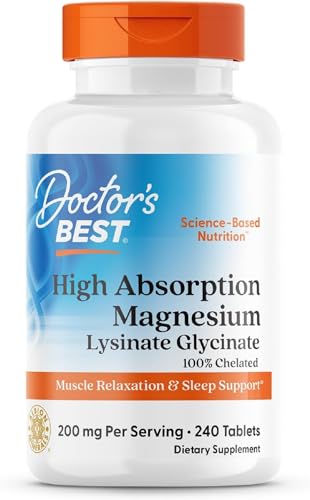
Typical dose: 200–360 mg elemental magnesium/day (glycinate or citrate are gentler forms).
Expected benefit: supports sleep quality, reduces headaches and mood symptoms over 1–2 cycles.
Evidence level: moderate.
Safety notes: loose stools with higher doses (more common with oxide). Adjust for kidney disease.
Many people find Magnesium Glycinate 200 mg helpful at night for relaxation; discuss with your clinician if you take other sedatives.
Strategy: test and replete to normal serum 25(OH)D (generally 30–50 ng/mL). Typical maintenance 1,000–2,000 IU/day; higher short‑term repletion may be prescribed by a clinician.
Expected benefit: may reduce mood symptoms and pain if deficient; timeline 1–3 months.
Evidence level: emerging to moderate.
Safety notes: avoid excessive dosing; monitor levels if using high‑dose therapy.
Omega‑3 fatty acids (EPA+DHA)
Typical dose: 1–2 g/day combined EPA+DHA.
Expected benefit: may reduce overall PMS severity, cramps, and mood symptoms within 1–2 cycles.
Evidence level: moderate.
Safety notes: mild fishy aftertaste; small increase in bleeding tendency at higher doses or with anticoagulants.
Herbs can complement nutrition and lifestyle changes. Standardization and product quality vary; choose reputable brands and start low.
Chasteberry (Vitex agnus‑castus)
Proposed mechanism: dopaminergic effects that reduce prolactin; may stabilize the luteal phase and ease breast tenderness, irritability, and mood swings.
Typical dosing: 20–40 mg/day of a standardized extract; take consistently in the morning for at least 2–3 cycles.
Evidence level: moderate to strong for PMS symptoms in several RCTs.
Safety/Interactions: avoid in pregnancy and while breastfeeding; theoretical interactions with dopamine agonists/antagonists; may interact with hormonal contraceptives (data mixed—use with caution and track symptoms).
Evidence level: emerging to limited for PMS; somewhat better for cyclical mastalgia.
Safety/Interactions: may increase bleeding tendency with anticoagulants/antiplatelets; case reports of lowered seizure threshold with phenothiazines or epilepsy—avoid in those contexts; avoid in pregnancy unless advised.
Black cohosh (Actaea racemosa)
Proposed mechanism: serotonergic and anti‑inflammatory actions; better studied for menopausal symptoms than PMS.
Safety/Interactions: rare liver toxicity reports—avoid with liver disease or hepatotoxic drugs; avoid in pregnancy.
St. John’s wort (Hypericum perforatum)
Proposed mechanism: modulates serotonin, dopamine, and norepinephrine; may improve mood and irritability.
Typical dosing: 300 mg standardized to 0.3% hypericin, 2–3 times daily (or 900 mg once daily sustained‑release).
Evidence level: moderate for mood symptoms and PMDD.
Safety/Interactions: major CYP3A4 inducer—can reduce effectiveness of many meds including oral contraceptives, anticoagulants, and some antivirals; risk of serotonin syndrome with SSRIs/SNRIs/triptans; avoid in pregnancy and while breastfeeding.
Ginger (Zingiber officinale)
Proposed mechanism: inhibits prostaglandins and inflammatory pathways; may improve cramps, headaches, and total PMS scores in small trials.
Typical dosing: 500–1,000 mg/day standardized ginger extract (often 5% gingerols), or divided dosing around menses.
Evidence level: emerging to moderate (stronger for dysmenorrhea than global PMS).
Safety/Interactions: mild heartburn; theoretical bleeding risk at high doses with anticoagulants.
Turmeric/curcumin (Curcuma longa)
Proposed mechanism: curcumin inhibits NF‑kB and COX‑2, reducing inflammatory signaling; small RCTs suggest improvements in PMS severity.
Typical dosing: 500–1,000 mg/day curcumin extract; often paired with piperine to enhance absorption.
Evidence level: emerging to moderate.
Safety/Interactions: may cause GI upset; caution with gallstones or GERD; theoretical bleeding risk with anticoagulants.
Lifestyle changes are often the most sustainable natural remedies for PMS and can amplify supplement benefits.
Exercise
What helps: 150 minutes/week of moderate‑intensity aerobic activity (e.g., brisk walking, cycling) plus 2 sessions of strength training.
Benefits: studies indicate reduced irritability, fatigue, and cramps; endorphin and serotonin support.
Evidence level: moderate to strong.
Sleep hygiene
Aim for 7–9 hours with consistent timing; reduce evening blue light, keep the bedroom cool/dark, and avoid heavy meals late.
Evidence level: moderate (sleep quality correlates with PMS severity).
Stress reduction: CBT, mindfulness, and yoga
Cognitive behavioral therapy (CBT): structured tools for mood swings, rumination, and coping; benefits seen within 6–8 weeks. Evidence: moderate to strong for PMDD.
Mindfulness/meditation: 10–20 minutes/day can lower perceived stress and reactivity. Evidence: moderate.
Yoga: 2–3 sessions/week emphasizing gentle flows, hip openers, and breath work can ease cramps and mood symptoms. Evidence: moderate.
Acupuncture
Small to medium‑sized trials suggest improvements in cramps, mood, and breast tenderness; quality varies. Evidence: emerging to moderate.
Heat, massage, and practical self‑care
Local heat (heating pad or hot water bottle) and abdominal/lower‑back massage 10–20 minutes can reduce cramps and muscle tension. Evidence: moderate for dysmenorrhea, helpful adjunct for PMS discomfort.
Hydration, light stretching, and Epsom salt baths are low‑risk supports. Evidence: emerging.
Safety, Interactions, and Working With Your Clinician
Red flags (seek medical care):
Suicidal thoughts, severe depression or anxiety, or inability to function at work/school/home.
New or worsening pelvic pain with fever, heavy bleeding soaking >1 pad/tampon per hour, large clots, or bleeding between periods.
Symptoms outside the premenstrual window (no symptom‑free days after your period)—may indicate another condition.
Pregnancy possibility, or signs of thyroid disease (heat/cold intolerance, unexplained weight change, palpitations) or anemia (fatigue, pallor, shortness of breath).
Medication and pregnancy/breastfeeding cautions:
St. John’s wort: do not combine with SSRIs/SNRIs, triptans, or many other medications; may reduce birth control efficacy; avoid in pregnancy/lactation.
Chasteberry: avoid during pregnancy/breastfeeding; use caution with dopamine‑related drugs; monitor if using hormonal contraception.
Evening primrose oil: caution with anticoagulants/antiplatelets; avoid with seizure disorders or phenothiazines; avoid in pregnancy unless advised.
Black cohosh: avoid in liver disease or with hepatotoxic drugs; avoid in pregnancy.
Ginger/turmeric/omega‑3s: caution with anticoagulants or upcoming procedures due to potential additive bleeding risk.
Vitamin B6: avoid chronic high doses (>100 mg/day) to reduce neuropathy risk.
Combining natural remedies with standard treatments:
SSRIs (e.g., sertraline, fluoxetine) are first‑line for PMDD and can be taken daily or only in the luteal phase. Do not combine with St. John’s wort. Nutrients like calcium, magnesium, vitamin D, omega‑3s, and lifestyle therapies can be complementary.
Hormonal options (e.g., combined oral contraceptives) may help by suppressing ovulation; some individuals feel better, others worse—track your response. Use caution if adding chasteberry and monitor for changes.
Track symptoms daily for at least two cycles (paper or an app) to confirm timing and gauge progress.
Trusted next steps and resources:
Consider a symptom tracker and plan a 2–3 cycle trial of 1–2 targeted interventions.
Professional help: primary care, gynecology, or a mental health clinician familiar with PMS/PMDD.
Patient resources: International Association for Premenstrual Disorders (IAPMD) for PMDD education and support.
Diet: Mediterranean‑style pattern; reduce alcohol/caffeine/salt in the week before your period.
Sleep and stress: 7–9 hours nightly; 10–20 minutes/day of mindfulness; 150 minutes/week of moderate exercise.
Add one nutrient: calcium (1,000–1,200 mg/day) or magnesium (200–360 mg/day). If mood is a priority, consider B6 (50–100 mg/day, short‑term) or omega‑3s (1–2 g/day EPA+DHA).
Consider one herb if needed: chasteberry (20–40 mg/day for 2–3 cycles). Ginger or curcumin can be added around menses for pain/inflammation.
Reassess after 2–3 cycles. If symptoms remain severe or disabling, talk with your clinician about adding SSRIs (daily or luteal‑phase) or hormonal strategies while continuing supportive lifestyle measures.
Disclaimer
This content is for educational purposes and is not a substitute for professional medical advice, diagnosis, or treatment. Always talk with your healthcare provider before starting or changing any supplement, herb, or therapy, especially if you are pregnant, breastfeeding, have underlying health conditions, or take prescription medications.
This content is for informational purposes only and does not constitute medical advice. Always consult a qualified healthcare provider before starting, stopping, or changing any supplement or medication regimen.
Herbal Remedies for Premenstrual Syndrome (PMS). Premenstrual syndrome (PMS) refers to recurrent physical, emotional, and behavioral symptoms that arise in the late luteal phase of the menstrual cycle and resolve shortly after menstruation begins. When symptoms are severe and predominantly mood-related, the diagnosis may meet criteria for premenst
Alternatives for Premenstrual Syndrome (PMS). Premenstrual syndrome (PMS) refers to a recurring pattern of physical, emotional, and behavioral symptoms that arise in the luteal phase (the days after ovulation and before menstruation) and improve shortly after bleeding begins. Common symptoms include bloating, breast tenderness, headaches, cravi
Premenstrual Syndrome. PMS. ## Premenstrual Syndrome (PMS): Overview
**Premenstrual syndrome (PMS)** refers to a recurring pattern of physical, emotional, and behavioral symptoms that arise during the **luteal phase** of the menstrual cycle—typically in the days to two weeks before menstruation—and improve shortly after bleed
Herbal Remedies for Menstrual Cramps (Dysmenorrhea): Evidence, Dosage, and Safety. If period pain is disrupting your days, you’re not alone. Primary dysmenorrhea (cramps without an underlying pelvic disease) affects an estimated 50–90% of menstruating people, with 10–20% reporting severe symptoms. Secondary dysmenorrhea (pain due to conditions like endometriosis, fibroids, or pelv
Herbal Remedies for Menstrual Irregularities: Evidence, Uses, Dosage & Safety. If your periods are unpredictable—too far apart, too close together, unusually heavy, or missing altogether—you’re not alone. Many people look to herbal remedies for menstrual irregularities as part of a broader care plan. This guide bridges Western research and Eastern traditions so you can underst
How Ayurveda Treats Hormonal Imbalances: An Evidence‑Aware Guide to Dosha‑Based Care, Herbs, and Lifestyle. Many people search for how Ayurveda treats hormonal imbalances when facing irregular cycles, PMS, hot flashes, thyroid complaints, or stress‑related fatigue. Ayurveda offers a whole‑person framework that connects digestion, sleep, stress, and daily rhythm to hormone health. Modern research is beginn