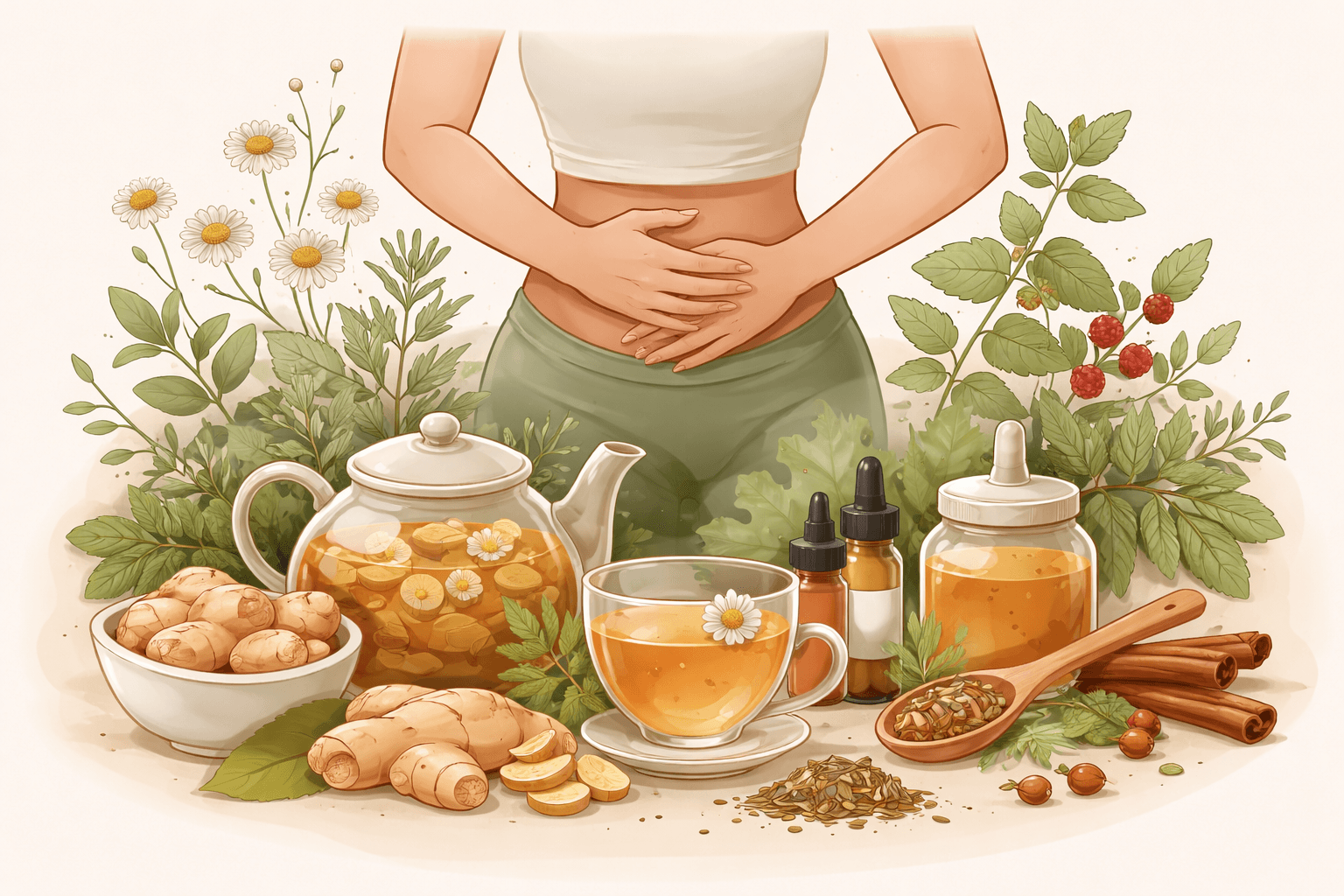
Herbal Remedies for Menstrual Cramps (Dysmenorrhea): Evidence, Dosage, and Safety
Evidence-based herbal remedies for menstrual cramps: ginger, fennel, chamomile, cinnamon, turmeric, cramp bark, valerian. Doses, safety, and when to seek care.
·10 min read
This content is for informational purposes only and does not constitute medical advice. Always consult a qualified healthcare provider before starting, stopping, or changing any supplement or medication regimen.
If period pain is disrupting your days, you’re not alone. Primary dysmenorrhea (cramps without an underlying pelvic disease) affects an estimated 50–90% of menstruating people, with 10–20% reporting severe symptoms. Secondary dysmenorrhea (pain due to conditions like endometriosis, fibroids, or pelvic inflammatory disease) is less common but often more intense. Many look to herbal remedies for menstrual cramps to ease pain, reduce inflammation, and calm uterine spasms—often alongside conventional options like NSAIDs and heat.
This guide reviews the most studied herbs, how they may work, typical dosing, safety considerations, and realistic expectations for relief.
Dysmenorrhea 101: Mechanisms and Where Herbs May Help
Primary vs. secondary: Primary dysmenorrhea typically begins within a few years of menarche and is driven by elevated uterine prostaglandins (especially PGF2α) that trigger powerful contractions, reduced blood flow (ischemia), and pain. Secondary dysmenorrhea stems from identifiable conditions (e.g., endometriosis, adenomyosis, fibroids, IUD-related cramping, infections) and usually warrants medical evaluation.
Conventional care: First-line treatments include NSAIDs (ibuprofen, naproxen) to block COX enzymes and reduce prostaglandins, combined hormonal contraceptives to suppress ovulation and lessen endometrial prostaglandin production, local heat, light exercise, and, for some, TENS devices.
How herbs may help: Research and traditional use suggest several mechanisms relevant to cramps: antispasmodic effects on uterine muscle; anti-inflammatory actions (COX/LOX inhibition); modulation of prostaglandins and leukotrienes; mild hormonal or phytoestrogenic activity; and neuromuscular relaxation or GABAergic calming.
Setting expectations: For primary dysmenorrhea, herbal remedies for menstrual cramps can reduce pain intensity and the need for rescue medication in many users. Benefits are often modest-to-moderate (a drop of 1–3 points on a 0–10 pain scale) and typically appear within hours to a few days. Herbs are not a substitute for medical evaluation when pain is severe, worsening, or associated with red flags.
What the Research Says
Evidence ranges from traditional use and small clinical trials to multiple randomized controlled trials (RCTs) and meta-analyses for certain herbs, especially ginger. Overall, studies indicate:
Ginger shows consistent, clinically meaningful reductions in menstrual pain compared with placebo, with some trials finding effects comparable to mefenamic acid or ibuprofen. Evidence level: moderate (multiple RCTs, some meta-analyses; variability in dosing and study quality).
Cinnamon, fennel, chamomile, and valerian have small-to-moderate supportive trials, many conducted in student populations; methodology varies. Evidence level: emerging to moderate.
Curcumin (from turmeric) has several RCTs suggesting reduced pain and systemic inflammatory signaling. Evidence level: moderate.
Cramp bark remains primarily a traditional antispasmodic with limited modern clinical data. Evidence level: traditional/emerging.
From a practical standpoint, combining non-pharmacologic strategies (heat, light movement, sleep, nutrition) with one or two well-chosen herbs often yields the best results. For inflammatory presentations (cramps with lower back soreness, headaches), anti-inflammatory herbs (ginger, turmeric) may be especially relevant; for sharp, spasm-like pain, antispasmodics (fennel, cramp bark, chamomile, valerian) are commonly used.
Best herbal remedies for menstrual cramps: evidence, doses, and safety
Below are the most-referenced options, organized by evidence and typical use. Always start low, assess tolerance, and consider a trial across 2–3 cycles.
What the research says: Multiple RCTs and meta-analyses report that 750–2000 mg/day of ginger powder during the first 2–3 days of menses reduces pain intensity versus placebo, with some trials comparable to NSAIDs for primary dysmenorrhea. Nausea relief is a bonus for those who also feel queasy.
Typical preparations/doses: 250–500 mg capsules 3–4 times daily during days 1–3; or 1–2 g powdered ginger daily in divided doses. Tea: steep 2–3 g fresh sliced root (or 1–2 g dried) in hot water for 10–15 minutes, 2–3 cups/day.
Onset and magnitude: Often within hours to day 2; many experience a modest-to-moderate reduction in pain and need for rescue meds.
Safety notes: Generally well tolerated; can cause heartburn. May increase bleeding risk with anticoagulants/antiplatelets; theoretical interactions with antihypertensives and hypoglycemics. Avoid very high doses in late pregnancy without guidance.
Many people find Organic Ginger Capsules convenient for travel or school; opt for products with third-party testing.
Cinnamon (Cinnamomum spp., typically Cassia) — Evidence level: emerging to moderate
What the research says: Several small RCTs suggest cinnamon may reduce pain and bleeding volume versus placebo in primary dysmenorrhea. Study quality varies.
Mechanisms: Anti-inflammatory and antispasmodic actions; may modulate prostaglandins; antioxidant effects.
Typical preparations/doses: 500–1000 mg capsules 2–3 times/day during the first 3 days; or 1–2 g/day of powdered cinnamon in food/tea. Prefer Ceylon cinnamon to limit coumarin exposure.
Onset and magnitude: Within 24–48 hours; modest reductions in pain scores.
Safety notes: Cassia cinnamon can be high in coumarin and may stress the liver at high doses or with liver disease. Potential bleeding risk if combined with anticoagulants/antiplatelets at supplemental doses.
Practical tip: If using regularly, choose Ceylon cinnamon or a product with verified low coumarin content. Many people prefer culinary use; a capsule can standardize dosing. Ceylon Cinnamon Powder is an option worth considering.
Fennel (Foeniculum vulgare) — Evidence level: emerging to moderate
What the research says: RCTs (often in young adults) report fennel reduces pain and the need for rescue medication, with some trials comparing it favorably with mefenamic acid for primary dysmenorrhea.
Mechanisms: Antispasmodic on smooth muscle (anethole and related constituents); mild phytoestrogenic effects.
Typical preparations/doses: Tea from 1–2 tsp lightly crushed seeds steeped 10–15 minutes, 2–3 times/day during days 1–3; or standardized capsules following label directions used in trials (commonly providing 100–200 mg anethole-containing extract/day). Avoid ingesting essential oil directly.
Onset and magnitude: Often within the first day; modest relief of spasm-like pain.
Safety notes: Generally safe as tea/culinary herb. Theoretical estrogenic effects—use caution with hormone-sensitive conditions. Avoid high-dose essential oils internally.
Chamomile (Matricaria chamomilla) — Evidence level: emerging to moderate
What the research says: Small trials indicate chamomile tea or extract can reduce pain and anxiety around menses versus placebo or usual care.
Mechanisms: Antispasmodic and anti-inflammatory flavonoids; mild GABAergic calming.
Typical preparations/doses: Tea made from 1.5–3 g dried flowers (1–2 tea bags) steeped 10 minutes, up to 3–4 cups/day during the symptomatic window; standardized extracts per label.
Onset and magnitude: Soothing effects may appear within hours; pain relief is typically modest but noticeable for many.
Safety notes: Possible allergy in those sensitive to ragweed/aster family. Case reports of warfarin interaction—use caution with anticoagulants.
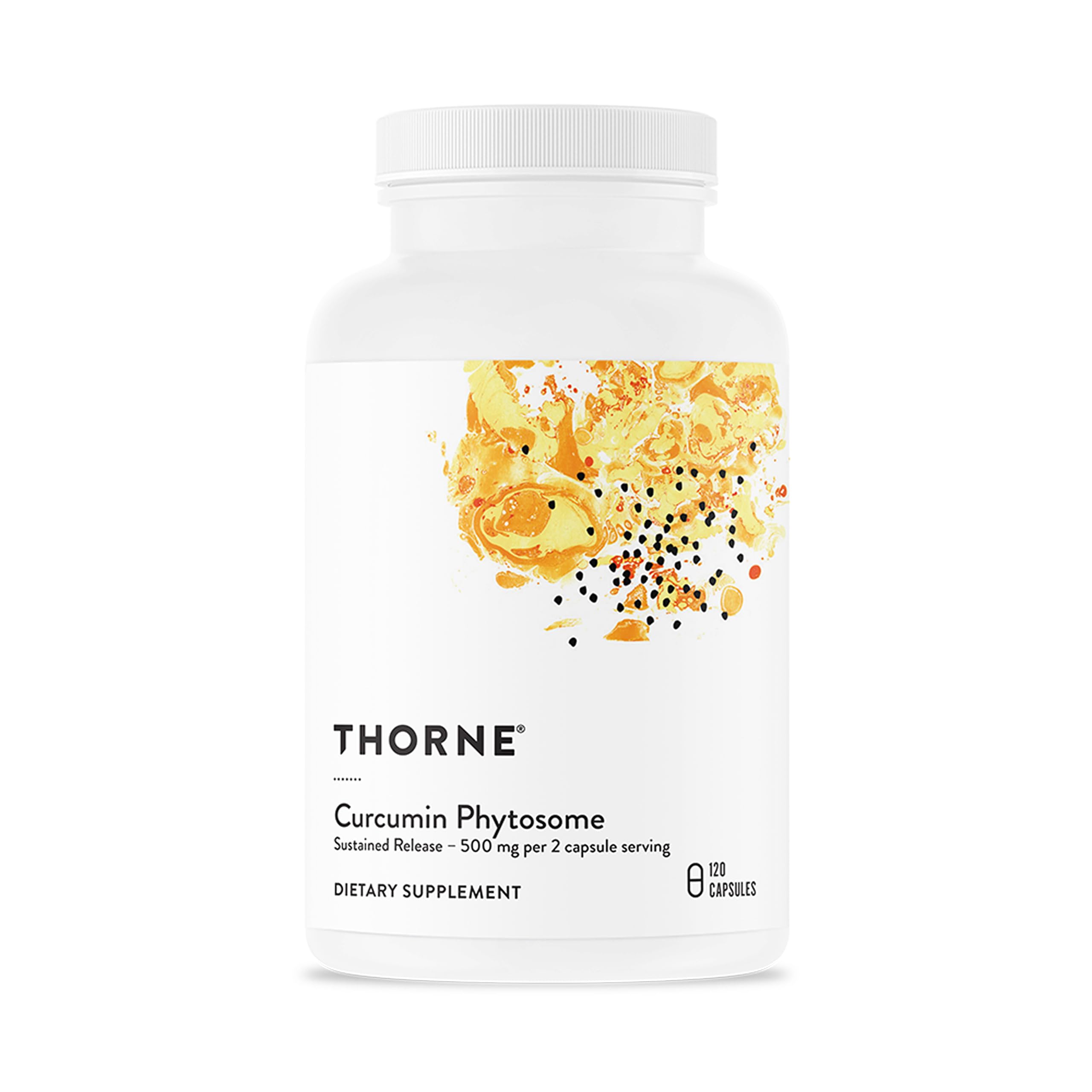
What the research says: Several RCTs suggest curcumin (often 500 mg twice daily) taken from a few days before menses through day 3 reduces pain scores and systemic inflammatory signaling; some studies also report benefits for PMS.
Typical preparations/doses: 500 mg curcumin extract (with piperine or a bioavailability-enhanced form) 1–2 times/day, starting 1–3 days before bleeding and continuing for 3–5 days.
Onset and magnitude: Gradual; best when started pre‑menses. Expect modest-to-moderate relief.
Safety notes: May increase bleeding risk with anticoagulants/antiplatelets. Can aggravate reflux; avoid with gallbladder obstruction. Watch for turmeric adulteration—choose third‑party tested products. See our overview of anti-inflammatory herbs: Herbal Treatments for Inflammation.
Cramp Bark (Viburnum opulus) — Evidence level: traditional to emerging
What the tradition and early data say: Long used in Western herbalism as a uterine antispasmodic for sharp, gripping cramps. Modern clinical trials are limited; most evidence comes from historical use and practitioner reports.
Mechanisms: Proposed smooth muscle relaxation via antispasmodic constituents.
Typical preparations/doses: Tincture 1:5 (40–60% alcohol) at 2–4 mL up to 3 times/day; or 400–500 mg capsules 2–3 times/day during acute cramps.
Onset and magnitude: Often used for rapid relief of spasm-like pain; responses vary.
Safety notes: Generally well tolerated; limited interaction data—use caution with anticoagulants and in pregnancy without guidance.
Valerian (Valeriana officinalis) — Evidence level: emerging to moderate
What the research says: Small RCTs suggest valerian extract can reduce menstrual pain intensity compared with placebo, likely via antispasmodic and sedative actions.
Mechanisms: GABAergic modulation and smooth muscle relaxation.
Typical preparations/doses: 250–500 mg standardized extract 1–3 times/day during the first 2–3 days of menses; some prefer evening dosing due to sedation.
Onset and magnitude: Calming/sedative effects within hours; modest pain relief reported.
Safety notes: May cause drowsiness or vivid dreams; avoid combining with alcohol, benzodiazepines, or other sedatives. See our monograph on Valerian Root.
Safety, interactions, and quality considerations
Herbal remedies for menstrual cramps are generally well tolerated when used short term, but they are not risk‑free. Key points:
Anticoagulants/antiplatelets: Ginger, turmeric/curcumin, and cinnamon at supplemental doses may increase bleeding risk. Use caution with warfarin, DOACs, aspirin, or clopidogrel. Monitor for easy bruising, nosebleeds, or gum bleeding.
Sedatives/CNS depressants: Valerian and high-dose chamomile can enhance sedation. Avoid with benzodiazepines, Z‑drugs, barbiturates, and alcohol.
Liver considerations: High-coumarin Cassia cinnamon may stress the liver, especially in those with liver disease or on hepatotoxic medications. Prefer Ceylon cinnamon for regular use and stay within culinary-level doses unless guided by a clinician.
Hormone-sensitive conditions: Fennel has mild phytoestrogenic effects; use caution with estrogen‑ or progesterone‑sensitive conditions and discuss with your clinician if you use hormonal therapies (e.g., combined oral contraceptives, HRT). Evidence for clinically meaningful interactions is limited but prudence is warranted.
Allergies: Chamomile may cross‑react with ragweed/aster family allergies; discontinue if itching, rash, or throat symptoms occur.
Pregnancy and breastfeeding: Data for many herbs in pregnancy are limited. Avoid high supplemental doses of ginger late in pregnancy without guidance; avoid cramp bark and high-dose cinnamon; chamomile tea in moderation is commonly used but still discuss with your provider. For breastfeeding, consult a pediatric-aware clinician.
GI effects: Ginger and turmeric can cause heartburn or upset stomach—take with food. Curcumin may worsen reflux in some.
Medical red flags: See “When to seek care” below; herbs should not delay evaluation of possible secondary dysmenorrhea.
Quality and adulteration
Choose third‑party tested supplements (USP, NSF, ConsumerLab, or equivalent). Curcumin and turmeric powders have, in rare cases, been adulterated with synthetic dyes or heavy metals; reputable brands reduce this risk.
Cinnamon labeling: “Ceylon” (Cinnamomum verum) is lower in coumarin than Cassia (C. cassia, C. burmannii). If you use cinnamon regularly, look for verified Ceylon.
Essential oils: Avoid ingesting essential oils (e.g., fennel oil) unless under professional supervision; use teas, tinctures, or capsules instead.
How to build a short-term plan (example for primary dysmenorrhea)
3 days before menses: If you tend to have moderate-to-severe cramps, consider starting curcumin 500 mg twice daily, or drink ginger tea daily. Track symptoms in a cycle app to time your start.
Day 1–3 of bleeding: Choose one or two herbs based on your symptom pattern:
Inflammatory cramps with back ache or headaches: Ginger (250–500 mg 3–4x/day) and/or curcumin 500 mg 1–2x/day.
Sharp, spasm-like cramps with bowel sensitivity: Fennel tea 2–3x/day; chamomile tea 2–3x/day; consider valerian at night if pain disrupts sleep.
If spasms are intense and abrupt: Add cramp bark tincture 2–4 mL up to 3x/day during peak pain.
Rescue options: If NSAIDs are appropriate for you, many combine them with tea-based herbs. Heat therapy (continuous low-level heat wraps or a microwavable pack) often rivals NSAIDs in short-term trials. Many people find a Microwavable Heat Pack helpful for school or work.
Non-herbal supports:
Heat: 10–12 hours of low-level heat across the lower abdomen or back can reduce pain and medication use.
Gentle movement: Walking, yoga, or light cycling can improve blood flow and ease spasms.
Nutrition: Emphasize anti-inflammatory meals (colorful produce, omega‑3 fats, legumes) and adequate hydration; limit excess alcohol and ultra-processed foods in the premenstrual window.
Tracking: Note timing, severity, clots, and associated symptoms for 2–3 cycles to evaluate patterns and response.
Combining herbs safely
Start with one herb to gauge effect; add a second with a different mechanism (e.g., ginger plus fennel) if needed.
Avoid stacking multiple agents with bleeding risk (e.g., high-dose ginger plus curcumin plus cinnamon) if you have heavy periods or take anticoagulants.
If you work with a practitioner trained in Traditional Chinese Medicine, classic formulas such as Dang Gui Shao Yao San or Shao Fu Zhu Yu Tang are sometimes used for pattern-based dysmenorrhea. Because formula choice depends on individual diagnosis (e.g., “cold” vs. “stagnation” patterns), consult a qualified provider. For an overview, see Chinese Herbs: A Practical, Evidence-Based Guide.
When to seek medical evaluation (possible secondary causes)
Severe pain unresponsive to NSAIDs/heat/herbs over 3 consecutive cycles
New or progressively worsening cramps after age 25–30
Pain outside of menses (especially with sex, bowel movements, or urination)
Heavy bleeding (soaking through a pad/tampon every 1–2 hours), large clots, or cycles <21 or >35 days
Known or suspected pregnancy, postpartum period, or IUD insertion with persistent severe pain
History of infertility or family history of endometriosis
If any apply, schedule a medical evaluation to assess for endometriosis, adenomyosis, fibroids, infection, or other conditions. This is especially important before relying on herbal remedies for menstrual cramps alone.
Practical takeaways
For many with primary dysmenorrhea, ginger (moderate evidence) and curcumin (moderate evidence) offer meaningful, NSAID-sparing relief when started just before and during menses.
Cinnamon, fennel, chamomile, and valerian have emerging-to-moderate evidence and can be matched to symptom patterns (spasm, anxiety, sleep disruption).
Cramp bark is a traditional antispasmodic used short term for sharp cramps; modern trial data are limited.
Use third‑party tested products; consider Ceylon cinnamon for regular use and bioavailability-enhanced curcumin.
Combine herbs thoughtfully with heat, gentle movement, and, when appropriate, OTC analgesics. Track outcomes for 2–3 cycles.
Many users appreciate the simplicity of a pre‑packed tea blend (e.g., chamomile‑fennel‑ginger) or a single-ingredient capsule like Organic Ginger Capsules. If you rely on cinnamon regularly, look for verified Ceylon sources such as Ceylon Cinnamon Powder.
Disclaimer
This article is for educational purposes and should not replace personalized medical advice. Always consult a qualified healthcare professional—especially if you have significant medical conditions, take prescription medications (e.g., anticoagulants, hormonal therapies, sedatives), are pregnant or breastfeeding, or suspect secondary causes of pelvic pain.
This content is for informational purposes only and does not constitute medical advice. Always consult a qualified healthcare provider before starting, stopping, or changing any supplement or medication regimen.
Dysmenorrhea. Menstrual Cramps. ## Overview
**Dysmenorrhea** refers to painful menstruation, typically characterized by cramping pain in the lower abdomen that occurs just before or during menstrual bleeding. It is one of the most common gynecologic complaints worldwide and can affect school attendance, work productivity, sleep,
Herbal Remedies for Menstrual Irregularities: Evidence, Uses, Dosage & Safety. If your periods are unpredictable—too far apart, too close together, unusually heavy, or missing altogether—you’re not alone. Many people look to herbal remedies for menstrual irregularities as part of a broader care plan. This guide bridges Western research and Eastern traditions so you can underst
Natural Remedies for PMS (Premenstrual Syndrome): Evidence‑Based Herbs, Supplements & Lifestyle Strategies. If you’re searching for natural remedies for PMS because the monthly mood swings, bloating, breast tenderness, and cravings keep disrupting your life, you’re not alone. Research suggests up to 75% of menstruating people experience some premenstrual symptoms, with a smaller percentage facing intense,
Herbal Remedies for Premenstrual Syndrome (PMS). Premenstrual syndrome (PMS) refers to recurrent physical, emotional, and behavioral symptoms that arise in the late luteal phase of the menstrual cycle and resolve shortly after menstruation begins. When symptoms are severe and predominantly mood-related, the diagnosis may meet criteria for premenst
Endometriosis and Herbal Remedies. Endometriosis is a chronic, estrogen-responsive inflammatory condition in which tissue similar to the uterine lining grows outside the uterus, contributing to pelvic pain, painful periods, dyspareunia, and subfertility. Biologically, it is driven by inflammation (elevated prostaglandins and cytokine
Alternatives for Premenstrual Syndrome (PMS). Premenstrual syndrome (PMS) refers to a recurring pattern of physical, emotional, and behavioral symptoms that arise in the luteal phase (the days after ovulation and before menstruation) and improve shortly after bleeding begins. Common symptoms include bloating, breast tenderness, headaches, cravi