

Dysmenorrhea
Also known as: Menstrual Cramps
Overview
Dysmenorrhea refers to painful menstruation, typically characterized by cramping pain in the lower abdomen that occurs just before or during menstrual bleeding. It is one of the most common gynecologic complaints worldwide and can affect school attendance, work productivity, sleep, mood, and overall quality of life. Symptoms may include pelvic pressure, low back pain, nausea, diarrhea, fatigue, headache, and pain radiating into the thighs. Although often discussed as a routine part of menstruation, dysmenorrhea can range from mild discomfort to severe, disabling pain.
Dysmenorrhea is generally divided into primary and secondary forms. Primary dysmenorrhea occurs without an identifiable pelvic disease and is commonly linked to elevated uterine prostaglandins, which increase uterine contractions and reduce blood flow to uterine tissue. Secondary dysmenorrhea results from an underlying condition such as endometriosis, adenomyosis, uterine fibroids, pelvic inflammatory disease, or structural abnormalities. Distinguishing between these types is important because persistent, worsening, or newly developed menstrual pain may reflect a treatable medical condition rather than typical cycle-related cramping.
Research suggests dysmenorrhea is highly prevalent among adolescents and reproductive-age adults, though exact rates vary depending on the population studied and how pain is defined. Many people self-manage symptoms and may not seek medical evaluation, which can contribute to under-recognition of severe cases and delayed diagnosis of disorders such as endometriosis. In public health terms, dysmenorrhea is significant not only because of how common it is, but because of its broad effects on daily functioning, emotional well-being, and healthcare utilization.
Interest in natural and integrative menstrual health approaches is common in this area. Conventional care often focuses on symptom relief and identifying secondary causes, while traditional systems may interpret painful menstruation through patterns involving circulation, tension, inflammation, cold, or constitutional imbalance. A balanced understanding of dysmenorrhea includes both the biomedical mechanisms of menstrual pain and the broader lifestyle, stress, sleep, and whole-body factors that may influence symptom intensity. Any severe, sudden, progressively worsening, or unusually heavy menstrual pain warrants evaluation by a qualified healthcare professional.
Compare Treatment Options
PMS and menstrual pain are often discussed together because they can overlap in the same cycle, but they are not exactly the same problem. Premenstrual syndrome (PMS) refers to recurring physical, emotional, and behavioral symptoms that arise in the luteal phase before bleeding starts and improve soon after menstruation begins. Menstrual pain, often called dysmenorrhea, usually refers to cramping pelvic pain during the days just before or during bleeding. Some people mainly experience cramps, while others have a broader pattern that includes bloating, headaches, fatigue, irritability, breast tenderness, or mood changes. Treatment options vary because the biology can vary. In some cases, symptoms are driven largely by prostaglandins and uterine cramping; in others, symptom patterns may relate more to hormonal sensitivity, sleep disruption, stress, inflammation, or coexisting conditions such as endometriosis, fibroids, adenomyosis, migraine, or PMDD. Western approaches often focus on anti-inflammatory pain relief, hormonal cycle suppression, or symptom-targeted care. Eastern approaches such as acupuncture and traditional herbal medicine are commonly used to address cyclic pain patterns, stress reactivity, and whole-body symptom clusters. A useful decision process often depends on symptom severity, timing, impact on daily life, need for rapid relief, and comfort with medication or procedure-related risk.
View treatment comparison (6 options)Medical Perspectives
Two Ways of Seeing Health

Western
scientific · clinical
Western medicine applies science, technology, and clinical experience to treat symptoms through testing, diagnosis, and targeted intervention.

Eastern
traditional · alternative
Eastern medicine focuses on treating the body naturally by applying traditional knowledge practiced for thousands of years, emphasizing balance and whole-person wellness.
Gold Bamboo presents both perspectives side-by-side so you can make informed decisions. We don't advocate for one over the other — your health choices are yours.
Western Medicine Perspective
Western Medicine Perspective
In conventional medicine, primary dysmenorrhea is most commonly understood as a prostaglandin-mediated pain disorder. During menstruation, the uterine lining releases prostaglandins and other inflammatory mediators that can trigger intense uterine contractions, transient ischemia, and pain. Studies indicate higher prostaglandin activity is associated with more severe cramping, as well as nausea, vomiting, and bowel symptoms. Risk factors may include younger age, early menarche, heavy menstrual bleeding, smoking, stress, and a family history of painful periods.
The western clinical approach typically begins by determining whether symptoms fit primary dysmenorrhea or suggest secondary dysmenorrhea. Clues that may raise concern for an underlying disorder include pain that starts years after menstruation began, progressively worsening pain, pain outside the menstrual window, painful intercourse, infertility, abnormal uterine bleeding, fever, or a pelvic mass. Conditions commonly evaluated include endometriosis, which is a leading cause of secondary dysmenorrhea, along with adenomyosis, fibroids, and pelvic infection. Assessment may involve history, physical examination, and in some cases imaging or gynecologic referral.
Management in conventional care often includes symptom-directed therapies and investigation of underlying causes when indicated. Nonsteroidal anti-inflammatory drugs are widely studied because they reduce prostaglandin production. Hormonal therapies may be used in clinical practice to suppress ovulation or reduce endometrial activity. Beyond medications, research has explored supportive measures such as exercise, heat therapy, and behavioral approaches. From an evidence-based standpoint, conventional medicine emphasizes that menstrual pain is common but not always benign; when symptoms are severe or atypical, further evaluation is considered important rather than assuming the pain is simply normal.
Eastern & Traditional Perspective
Eastern and Traditional Medicine Perspective
In Traditional Chinese Medicine (TCM), dysmenorrhea is not viewed as a single uniform condition but as a pattern-based imbalance. Traditionally, painful menstruation may be associated with patterns such as Qi stagnation, Blood stasis, Cold in the uterus, or deficiencies involving Qi and Blood. Cramping that is sharp, fixed, and accompanied by dark clots may be interpreted differently from dull pain relieved by warmth or pressure. TCM frameworks often connect menstrual pain to the smooth flow of Qi and Blood through the Chong and Ren meridians, as well as to emotional stress, constitutional weakness, exposure to cold, or dietary factors.
Traditional East Asian medicine has historically used approaches such as acupuncture, moxibustion, herbal formulas, warming therapies, and individualized dietary guidance for menstrual pain. Modern research suggests acupuncture may help some patients with dysmenorrhea, though study quality varies and results are not always consistent across trials and reviews. In integrative settings, acupuncture is often discussed as a nonpharmacologic option with a relatively favorable safety profile when performed by qualified practitioners.
In Ayurveda, painful menstruation may be understood in relation to disturbances of Vata, particularly apana vata, which governs downward pelvic movement and elimination. Cramping, spasmodic pain, bloating, and irregularity may be interpreted as signs of aggravated Vata, while inflammatory features may sometimes be discussed through Pitta-related concepts. Traditional Ayurvedic management may include herbal preparations, oil therapies, rest, digestive support, and cycle-aware lifestyle practices, though the evidence base is generally less standardized than in conventional gynecology.
Naturopathic and other traditional systems often take a broader view of dysmenorrhea, considering factors such as stress physiology, sleep quality, inflammatory tone, nutrition, movement, and digestive health. These perspectives may resonate with patients seeking whole-person menstrual care. At the same time, traditional systems generally acknowledge the importance of referral when menstrual pain is severe, changing, or suggestive of underlying pathology such as endometriosis or fibroids. Integrative care is most balanced when symptom-pattern approaches are combined with appropriate medical assessment.
Supplements & Products
Recommended Products
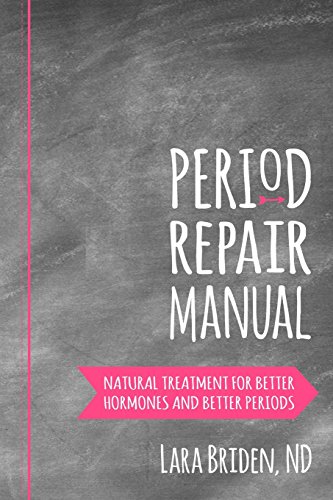
Period Repair Manual: Natural Treatment for Better Hormones and Better Periods: Briden ND, Lara
Her books Period Repair Manual, Hormone Repair Manual, and Metabolism Repair for Women are <strong>practical guides to better health using nutrition, supplements, and body-identical hormones</strong>.

NOW Foods Supplements, Ginger Root (Zingiber officinale) 550 mg, Digestive Support*, 100 Veg Capsules
Buy NOW Foods Supplements, Ginger Root (Zingiber officinale) 550 mg, Digestive Support*, 100 Veg Capsules on Amazon.com ✓ FREE SHIPPING on qualified orders
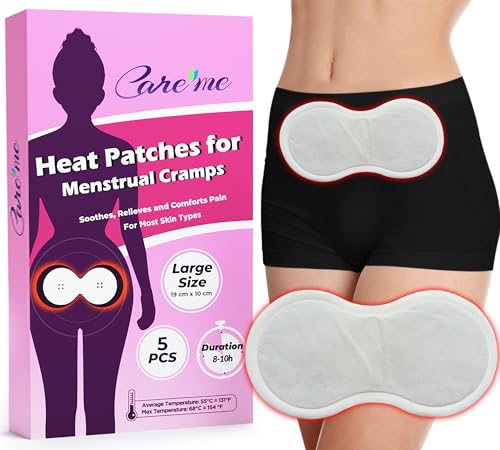
ThermaCare Menstrual Heating Pads - Portable, Adhesive HeatWraps for Period Cramps & Backache Relief - Discreet, Cord-Free Heat Therapy - Up to 8 Hours of Relief (12-Count)
ThermaCare Menstrual Pain Therapy HeatWraps <strong>send real heat deep into your muscles to relax contractions and provide period pain relief</strong>.
Evidence & Sources
Promising research with growing clinical support from multiple studies
- American College of Obstetricians and Gynecologists (ACOG)
- American Academy of Family Physicians (AAFP)
- Cochrane Database of Systematic Reviews
- The Lancet
- BMJ
- Journal of Pediatric and Adolescent Gynecology
- NCCIH (National Center for Complementary and Integrative Health)
- World Health Organization (WHO)
This content is for informational purposes only and does not constitute medical advice. Always consult a qualified healthcare provider before starting, stopping, or changing any supplement or medication regimen.