

Endometriosis and Herbal Remedies
Endometriosis is a chronic, estrogen-responsive inflammatory condition in which tissue similar to the uterine lining grows outside the uterus, contributing to pelvic pain, painful periods, dyspareunia, and subfertility. Biologically, it is driven by inflammation (elevated prostaglandins and cytokines), estrogen dependence (local estradiol production and progesterone resistance), aberrant angiogenesis (new blood vessels supporting lesions), and peripheral/central nerve sensitization. Many people explore herbal remedies alongside conventional care to target these pathways. Mechanistically, herbs with anti‑inflammatory, anti‑estrogenic, anti‑angiogenic, and analgesic properties could plausibly influence symptoms and, in some cases, lesion biology. Evidence is mixed and varies by herb. Curcumin (from turmeric) shows anti‑inflammatory and anti‑estrogenic activity in preclinical models, with early human data mostly from dysmenorrhea rather than endometriosis. Ginger has multiple randomized trials for primary dysmenorrhea pain reduction; its direct evidence in endometriosis is limited but mechanistically relevant. Green tea’s catechin EGCG is anti‑angiogenic in animal models of endometriosis; small human studies are pending or preliminary. Resveratrol, when combined with oral contraceptives in small trials, has been associated with further reductions in dysmenorrhea and inflammatory markers compared with contraceptives alone. Pycnogenol (French maritime pine bark extract) improved pelvic pain in small controlled studies compared with baseline, though typically less than potent hormonal suppression. Traditional Chinese herbal formulas such as Gui Zhi Fu Ling Wan and Shao Fu Zhu Yu Tang are used to relieve “blood stasis” pain; Cochrane and other reviews note potential symptom benefits but emphasize low methodological quality and heterogeneity. Safety and integration are critical. Some herbs can interact with anticoagulants (ginger, curcumin), hormonal therapies (phytoestro
Updated September 8, 2026This content is for informational purposes only and does not constitute medical advice. Always consult a qualified healthcare provider before starting, stopping, or changing any supplement or medication regimen.
Overlapping Treatments
Curcumin (Turmeric)
Emerging ResearchPreclinical data show reduced inflammatory cytokines, NF-κB activity, and potential modulation of local estrogen signaling; limited human data suggest dysmenorrhea relief.
Core herbal anti-inflammatory and antioxidant; aligns with anti‑inflammatory and anti‑estrogenic actions sought in botanical care.
May increase bleeding risk with anticoagulants/antiplatelets; theoretical interaction with hormonal therapies; gastrointestinal upset possible.
Ginger (Zingiber officinale)
Moderate EvidenceReduces menstrual pain in RCTs of primary dysmenorrhea; anti‑inflammatory and analgesic mechanisms plausibly relevant to endometriosis‑associated pain.
Classic botanical analgesic and anti‑inflammatory for menstrual pain.
Potential antiplatelet effects; caution with anticoagulants; may cause reflux or GI upset.
Green tea catechins (EGCG)
Emerging ResearchAnti‑angiogenic and anti‑fibrotic effects reduce lesion growth in animal models; human data preliminary for pain and endometrioma size.
Botanical polyphenols with anti‑angiogenic, antioxidant actions.
Concentrated extracts have rare hepatotoxicity; caution in liver disease; interactions with some drugs (e.g., reduced effect of bortezomib).
Resveratrol (often adjunct to oral contraceptives)
Moderate EvidenceSmall trials report added reductions in dysmenorrhea and inflammatory markers when combined with hormonal therapy.
Plant polyphenol with anti‑inflammatory and anti‑angiogenic properties.
May affect platelet function; theoretical interactions with estrogen metabolism; GI upset possible.
Pycnogenol (French maritime pine bark extract)
Moderate EvidenceImproved pelvic pain and reduced analgesic use in small controlled studies; generally less potent than GnRH agonists.
Standardized botanical extract with antioxidant and anti‑inflammatory effects.
May increase bleeding tendency; possible dizziness or GI symptoms; quality varies by brand.
Vitex agnus‑castus (Chasteberry)
Emerging ResearchEvidence supports PMS/mastalgia relief; direct endometriosis data limited; may help cyclic breast tenderness accompanying endometriosis.
Herbal dopaminergic modulator traditionally used for cyclic symptoms.
Potential interactions with dopaminergic drugs and hormonal therapies; avoid in pregnancy.
Traditional Chinese Herbal Formulas (e.g., Gui Zhi Fu Ling Wan; Shao Fu Zhu Yu Tang)
Emerging ResearchTraditional use and small trials suggest reductions in dysmenorrhea and pelvic pain; evidence quality heterogeneous; unclear effects on fertility or lesion size.
Pattern‑based botanical combinations to move blood, resolve stasis, and warm the uterus.
Formula selection is individualized; risk of herb–drug interactions; product quality and contamination vary; avoid in pregnancy unless supervised.
Medical Perspectives
Two Ways of Seeing Health

Western
scientific · clinical
Western medicine applies science, technology, and clinical experience to treat symptoms through testing, diagnosis, and targeted intervention.
Surgeons · Pharmaceuticals · Clinical trials · Diagnostics 
Eastern
traditional · alternative
Eastern medicine focuses on treating the body naturally by applying traditional knowledge practiced for thousands of years, emphasizing balance and whole-person wellness.
Acupuncture · Herbal medicine · Yoga · Meditation
Gold Bamboo presents both perspectives side-by-side so you can make informed decisions. We don't advocate for one over the other — your health choices are yours.
Two Ways of Seeing Health
Western
scientific · clinical
Western medicine applies science, technology, and clinical experience to treat symptoms through testing, diagnosis, and targeted intervention.
Eastern
traditional · alternative
Eastern medicine focuses on treating the body naturally by applying traditional knowledge practiced for thousands of years, emphasizing balance and whole-person wellness.
Gold Bamboo presents both perspectives side-by-side so you can make informed decisions. We don't advocate for one over the other — your health choices are yours.
Western Perspective
Western medicine recognizes endometriosis as an estrogen‑dependent inflammatory disorder marked by aberrant angiogenesis and sensitized pain pathways. Herbal remedies are considered adjuncts that may modulate inflammation, angiogenesis, and pain but currently lack large, high‑quality randomized trials demonstrating disease‑modifying effects.
Key Insights
- Pathophysiology involves inflammation, local estrogen biosynthesis, angiogenesis, neurogenesis, and central sensitization.
- Herbal constituents like curcumin, EGCG, and resveratrol show anti‑inflammatory and anti‑angiogenic effects in preclinical models.
- Human clinical evidence is strongest for menstrual pain relief (e.g., ginger), with limited direct endometriosis‑specific outcome data (lesion size, fertility).
- Small trials suggest adjunctive benefits (e.g., resveratrol with oral contraceptives; pycnogenol vs baseline), but heterogeneity and risk of bias limit conclusions.
- Safety considerations include bleeding risk, hepatotoxicity with concentrated green tea extracts, and interactions with hormonal and anticoagulant medications.
Treatments
- Adjunctive botanicals (curcumin, ginger, EGCG, resveratrol, pycnogenol)
- Conventional therapies: NSAIDs, combined hormonal contraceptives, progestins, GnRH analogs, aromatase inhibitors
- Surgical management (laparoscopic excision/ablation)
- Monitoring: pain scores, analgesic use, quality of life, imaging for endometriomas, labs (e.g., liver function with certain extracts)
Deep Dive
From a western biomedical perspective, endometriosis is a chronic inflammatory disease with strong hormonal modulation. Lesions produce aromatas... From a western biomedical perspective, endometriosis is a chronic inflammatory disease with strong hormonal modulation. Lesions produce aromatase and inflammatory mediators, sustain aberrant angiogenesis, and promote peripheral and central sensitization, culminating in cyclical and non‑cyclical pelvic pain, dysmenorrhea, dyspareunia, and subfertility. Standard care targets estrogen signaling (combined hormonal contraceptives, progestins, GnRH analogs), inflammation (NSAIDs), and lesion burden (laparoscopic excision). Herbal remedies are considered adjuncts that may influence key biological nodes. Curcumin, resveratrol, and green tea catechins have each demonstrated anti‑inflammatory and, in some cases, anti‑angiogenic effects in vitro and in animal models of endometriosis. EGCG notably inhibits microvessel formation in ectopic implants, while curcumin can reduce NF‑κB–mediated cytokine signaling and may influence local estrogen biosynthesis. Translating these findings to clinical outcomes remains the challenge: robust randomized controlled trials evaluating pain, quality of life (e.g., EHP‑30), lesion size by imaging, fertility, and analgesic use are scarce. Human evidence is stronger for menstrual pain relief broadly—ginger shows clinically meaningful reductions in primary dysmenorrhea—and emerging for endometriosis‑specific endpoints. Small studies suggest resveratrol may augment oral contraceptive efficacy for dysmenorrhea, and pycnogenol may reduce pain versus baseline though typically less than potent hypoestrogenic agents. Safety and integration are paramount. Herbal constituents can affect platelet function and cytochrome P450 pathways, with implications for anticoagulants, NSAIDs, and hormonal agents. Concentrated green tea extracts carry a recognized, albeit rare, risk of liver injury; periodic liver function testing is reasonable when using high‑dose extracts. Clinicians who integrate botanicals typically use them as adjuncts, not replacements, and monitor validated pain scores, cycle characteristics, medication use, and, when relevant, imaging and laboratory markers (e.g., prolactin with Vitex, liver enzymes with catechins). Shared decision‑making helps align expectations: symptom relief is a realistic near‑term goal, whereas disease modification and fertility outcomes require far more evidence.
Sources
- Zondervan KT et al. Nat Rev Dis Primers. 2020;6:11.
- Bulun SE. N Engl J Med. 2019;380:1244-56.
- ESHRE Guideline: Endometriosis. 2022.
- Armour M et al. BMC Complement Altern Med. 2019;19:17.
- Zhu X, Hamilton KD, McNicol ED. Cochrane Database Syst Rev. 2012:CD006568.
- Kohama T, Negami M. J Reprod Med. 2007;52:144-50.
- Maia H Jr et al. Gynecol Endocrinol. 2012;28:650-4.
- EFSA. Safety of green tea catechins. EFSA J. 2018;16:e05239.
Eastern Perspective
Traditional systems conceptualize endometriosis primarily as a disorder of stagnation and imbalance. In Traditional Chinese Medicine (TCM), patterns such as blood stasis, cold accumulation, and liver qi stagnation underlie pain and infertility; therapy aims to move blood, warm the channels, and harmonize the liver. Ayurveda may frame it within vata‑kapha imbalance with rakta dhatu involvement, emphasizing agni (digestive fire) and srotas (channel) flow. Herbal formulas are selected to relieve pain, disperse stasis, regulate cycles, and support whole‑person resilience.
Key Insights
- Pattern differentiation guides formula choice (e.g., Gui Zhi Fu Ling Wan for blood stasis with clots; Shao Fu Zhu Yu Tang for cold‑induced pelvic pain).
- Warming, blood‑moving, and qi‑regulating herbs are combined for synergistic effects on pain and flow, complemented by diet and lifestyle.
- Integration with acupuncture, moxibustion, and mind‑body therapies is common to address pain sensitization and stress.
- Practitioners tailor formulas and adjust across the cycle, emphasizing long‑term balance rather than short‑term suppression.
Treatments
- Gui Zhi Fu Ling Wan (Keishi‑bukuryogan)
- Shao Fu Zhu Yu Tang
- Dan Shen (Salvia miltiorrhiza), Yan Hu Suo (Corydalis) as analgesic adjuncts
- Ayurvedic botanicals such as Ashoka (Saraca asoca) and turmeric within individualized protocols
Deep Dive
Traditional frameworks approach endometriosis as a disturbance of circulation and systemic balance. In Traditional Chinese Medicine, patterns su... Traditional frameworks approach endometriosis as a disturbance of circulation and systemic balance. In Traditional Chinese Medicine, patterns such as blood stasis, cold in the lower burner, and liver qi stagnation explain the characteristic fixed, stabbing pain with clots and cyclical exacerbation. Treatment aims to move blood, transform stasis, warm channels, and harmonize liver and spleen. Classic prescriptions like Gui Zhi Fu Ling Wan (Keishi‑bukuryogan) and Shao Fu Zhu Yu Tang combine blood‑invigorating and warming herbs to relieve pain and promote flow. Analgesic botanicals such as Yan Hu Suo (Corydalis) may be added for refractory pain, while Dan Shen (Salvia) supports microcirculation. Formula selection is individualized to the patient’s pattern, constitution, and phase of the cycle, and is often combined with acupuncture and moxibustion to modulate pain pathways and stress responses. Ayurveda may interpret the condition as vata‑kapha dysregulation with rakta dhatu (blood tissue) involvement. Therapies strive to restore agni (digestive fire), clear ama (metabolic byproducts), and reopen srotas (channels). Turmeric (Haridra) and Ashoka are used within broader protocols that include diet, yoga, and daily routines (dinacharya) to rebalance systems and soothe pelvic pain. Across traditions, the therapeutic arc is gradual and holistic. Practitioners track the quality and timing of pain, menstrual characteristics (clots, color, flow), digestion, sleep, and emotional state, adjusting formulas over months rather than weeks. While modern clinical trials are limited and heterogeneous, these systems prioritize person‑specific care and integration with biomedicine. In integrative clinics, traditional formulas may accompany hormonal therapy or post‑surgical recovery to support circulation, reduce discomfort, and foster resilience. Respecting both frameworks, patients and clinicians can co‑create plans that aim for symptom relief, improved quality of life, and, where possible, support of fertility, all while maintaining vigilance for herb–drug interactions and product quality.
Sources
- Zhu X, Hamilton KD, McNicol ED. Cochrane Database Syst Rev. 2012:CD006568.
- Flower A et al. Obstet Gynecol Surv. 2015;70:806‑15.
- Kampo (Keishi‑bukuryogan) use in gynecology: Ushiroyama T. Evid Based Complement Alternat Med. 2008.
- Sharma R et al. J Ayurveda Integr Med. 2013.
Evidence Ratings
Endometriosis involves inflammation, estrogen dependence, angiogenesis, and nerve sensitization.
Zondervan KT et al. Nat Rev Dis Primers. 2020;6:11.
EGCG reduces angiogenesis and endometriotic lesion growth in animal models.
Laschke MW et al. Hum Reprod. 2008/2009; and related preclinical studies.
Ginger reduces menstrual pain in randomized trials of primary dysmenorrhea.
Rahnama P et al. BMC Complement Altern Med. 2012;12:92; Ozgoli G et al. J Altern Complement Med. 2009;15:129-32.
Curcumin down‑regulates inflammatory pathways and may modulate estrogen signaling in endometriosis models.
Parazzini F et al. Reprod Biomed Online. 2017;34:208‑23 (review).
Resveratrol added to oral contraceptives may further reduce dysmenorrhea in endometriosis.
Maia H Jr et al. Gynecol Endocrinol. 2012;28:650‑4.
Pycnogenol improves pelvic pain compared with baseline but is generally less effective than GnRH agonists for symptom suppression.
Kohama T, Negami M. J Reprod Med. 2007;52:144‑50.
Concentrated green tea extracts have been associated with rare hepatotoxicity.
EFSA. Safety of green tea catechins. EFSA J. 2018;16:e05239.
Chinese herbal formulas may reduce dysmenorrhea and improve symptoms, but overall evidence is low quality and heterogeneous.
Zhu X, Hamilton KD, McNicol ED. Cochrane Database Syst Rev. 2012:CD006568.
Sources
- Zondervan KT, Becker CM, Missmer SA. Endometriosis. Nat Rev Dis Primers. 2020;6:11.
- Bulun SE. Endometriosis. N Engl J Med. 2019;380:1244-56.
- ESHRE Guideline: Endometriosis. 2022. European Society of Human Reproduction and Embryology.
- Zhu X, Hamilton KD, McNicol ED. Chinese herbal medicine for endometriosis. Cochrane Database Syst Rev. 2012;CD006568.
- Armour M, Sinclair J, Chalmers KJ, Smith CA. Self-management and complementary therapies in endometriosis—a systematic review. BMC Complement Altern Med. 2019;19:17.
- Kohama T, Negami M. Effect of French maritime pine bark extract on endometriosis. J Reprod Med. 2007;52:144–50.
- Maia H Jr, Haddad C, Casoy J. Resveratrol reduces endometriosis pain when associated with oral contraceptive. Gynecol Endocrinol. 2012;28:650–4.
- Parazzini F, Di Francesco S, Chiaffarino F, et al. Diet and nutrients in endometriosis: a systematic review. Reprod Biomed Online. 2017;34:208–23.
- Rahnama P, Montazeri A, et al. Effect of Zingiber officinale on primary dysmenorrhea. BMC Complement Altern Med. 2012;12:92.
- Ozgoli G, Goli M, Moattar F. Comparing ginger and mefenamic acid... J Altern Complement Med. 2009;15:129–32.
- Laschke MW, Menger MD. Anti-angiogenic treatment strategies for endometriosis. Hum Reprod Update. 2012;18:682–702.
- EFSA Panel on Dietetic Products, Nutrition and Allergies. Safety of green tea catechins. EFSA J. 2018;16:e05239.
- USP Dietary Supplement Verification Program. United States Pharmacopeia.
- NIH Office of Dietary Supplements. Dietary Supplements: What You Need to Know. NIH ODS.
Related Topics
Recommended Products

Botanical Medicine for Women's Health
Botanical Medicine for Women’s Health, 2nd Edition <strong>provides an evidence-based, patient-centered approach to botanical interventions for many different medical conditions</strong>. More than 15
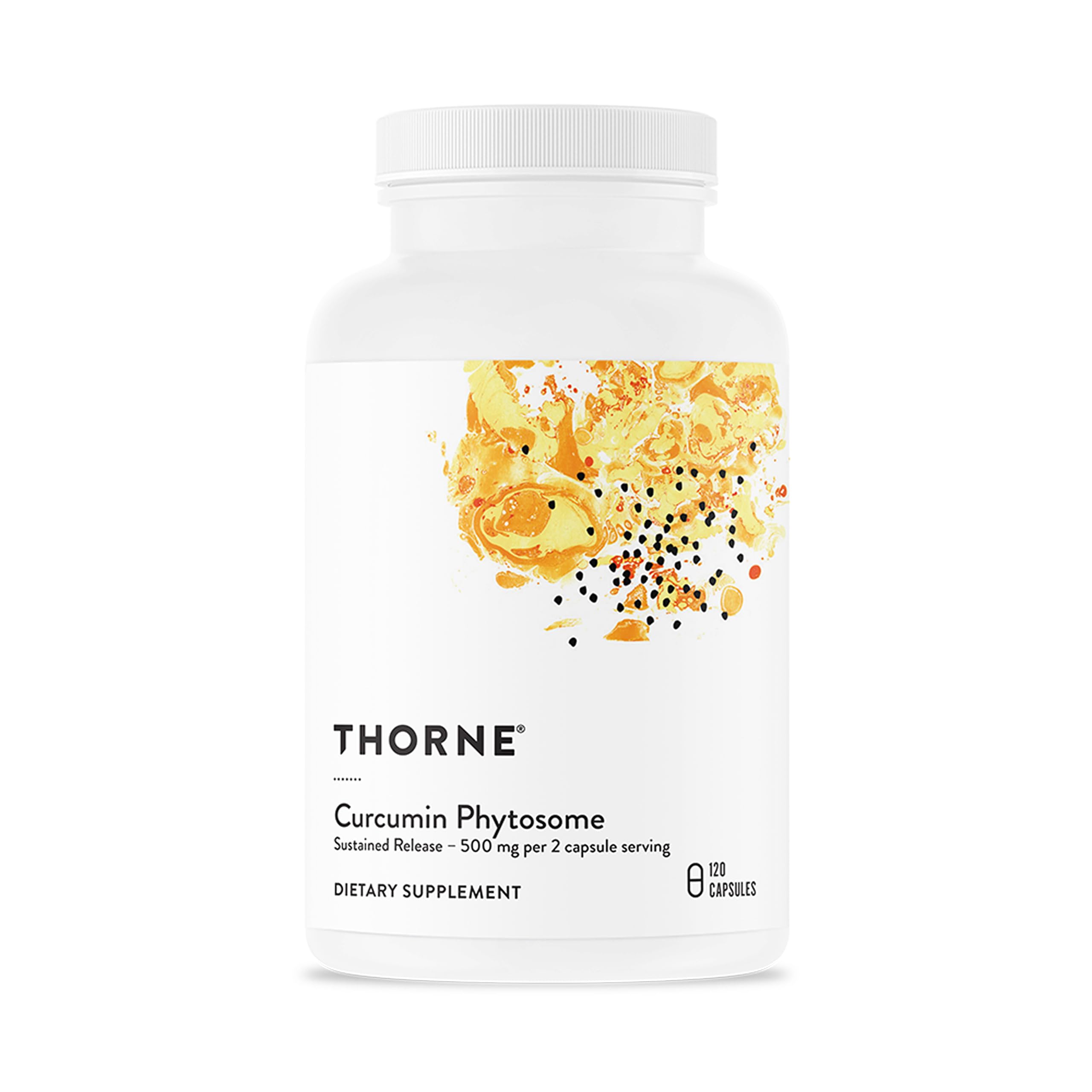
THORNE - Curcumin Phytosome 500 mg (Meriva) - Sustained Release, Clinically Studied - Supports Healthy Inflammatory Response in Joints, Muscles, GI Tract, Liver, Brain & Nerves* - 60 Servings
Buy THORNE - Curcumin Phytosome 500 mg (Meriva) - Sustained Release, Clinically Studied - <strong>Supports Healthy Inflammatory Response in Joints, Muscles, GI Tract, Liver, Brain & Nerves</strong

Life Extension Pycnogenol – French Maritime Pine Bark Extract – Scientifically Studied Healthy Aging & Vascular Health Supplement – Non-GMO, Gluten-Free, Vegetarian – 60 Capsules
Pycnogenol® dried French Maritime pine extract (bark) [std. to 65% procyanidins] 100 mg Other ingredients: microcrystalline cellulose, vegetable cellulose (capsule), stearic acid, silica.
Health Disclaimer
This content is for informational purposes only and does not constitute medical advice. Always consult a qualified healthcare provider before starting, stopping, or changing any supplement or medication regimen.