

Endometriosis
Overview
Endometriosis is a chronic, estrogen-sensitive inflammatory condition in which tissue resembling the endometrium is found outside the uterus, most commonly on the ovaries, pelvic peritoneum, fallopian tubes, bowel, or bladder. Although often associated with pelvic pain and infertility, the condition is increasingly understood as a whole-body disorder involving immune, inflammatory, neurologic, and hormonal pathways. Symptoms can vary widely and may include painful periods, pain with intercourse, chronic pelvic pain, painful bowel movements or urination, heavy bleeding, fatigue, bloating, and difficulty conceiving. Some people with extensive disease have few symptoms, while others with less visible disease experience substantial pain.
Endometriosis is considered common, affecting an estimated roughly 1 in 10 people of reproductive age worldwide, though diagnosis is frequently delayed. This delay is linked to symptom normalization, overlap with other conditions such as irritable bowel syndrome, adenomyosis, pelvic floor dysfunction, and interstitial cystitis, and the historical need for surgical confirmation. As awareness has grown, clinical practice has shifted toward recognizing that endometriosis can often be assessed based on symptoms, imaging in some cases, and exclusion of other causes, rather than relying exclusively on surgery.
The condition matters not only because of pain and fertility effects, but also because of its impact on quality of life, work productivity, mental health, sleep, sexual function, and social participation. Research suggests that endometriosis involves more than misplaced uterine tissue: altered immune signaling, nerve growth, central pain sensitization, progesterone resistance, and local estrogen production may all contribute. This helps explain why symptom severity does not always match lesion size and why management often requires a multidisciplinary perspective.
From an integrative health standpoint, endometriosis is often discussed as a condition in which conventional gynecology and supportive traditional approaches may intersect. Western medicine focuses on diagnosis, pain control, hormonal suppression, fertility considerations, and surgery when appropriate. Eastern and traditional systems may frame endometriosis through patterns of stagnation, inflammation, circulation imbalance, or constitutional disharmony, and have historically used herbal medicine, acupuncture, dietary approaches, and body-based therapies to support symptom management. Because symptoms can overlap with serious gynecologic, gastrointestinal, or urinary disorders, evaluation by a qualified healthcare professional remains important.
Compare Treatment Options
Endometriosis is a chronic, estrogen-sensitive inflammatory condition in which tissue resembling the uterine lining grows outside the uterus, often on the ovaries, pelvic lining, bowel, bladder, or supporting structures. It can contribute to cyclical or non-cyclical pelvic pain, painful periods, pain with sex, bowel or bladder symptoms, fatigue, and in some people reduced fertility. Symptoms and imaging findings do not always match well: some people have severe pain with limited visible disease, while others have extensive lesions with fewer symptoms. That variability is one reason treatment plans differ so much from person to person. In conventional gynecology, treatment often depends on the main goal: pain reduction, suppression of lesion activity, preserving fertility, or clarifying diagnosis. Western options commonly include NSAIDs, hormonal suppression, and laparoscopic surgery in selected cases. Eastern and integrative approaches, including acupuncture and individualized herbal medicine, are often explored for pain, cycle-related symptoms, and quality of life. Research is stronger for some approaches than others, and many people end up using a layered strategy that considers symptom severity, reproductive goals, side-effect tolerance, urgency, and day-to-day functioning.
View treatment comparison (7 options)Medical Perspectives
Two Ways of Seeing Health

Western
scientific · clinical
Western medicine applies science, technology, and clinical experience to treat symptoms through testing, diagnosis, and targeted intervention.

Eastern
traditional · alternative
Eastern medicine focuses on treating the body naturally by applying traditional knowledge practiced for thousands of years, emphasizing balance and whole-person wellness.
Gold Bamboo presents both perspectives side-by-side so you can make informed decisions. We don't advocate for one over the other — your health choices are yours.
Western Medicine Perspective
Western Medicine Perspective
In conventional medicine, endometriosis is understood as a multifactorial gynecologic disease influenced by hormonal, inflammatory, immune, genetic, and environmental factors. Several theories attempt to explain its origin, including retrograde menstruation, altered immune clearance, coelomic metaplasia, stem-cell involvement, and genetic susceptibility. No single theory explains all cases. Clinicians typically evaluate symptoms, menstrual history, pelvic pain patterns, fertility history, and family history, while considering overlapping or competing diagnoses. Pelvic examination may be helpful, and imaging—especially transvaginal ultrasound and, in selected cases, MRI—can identify ovarian endometriomas or deep infiltrating disease, though superficial lesions may be missed.
Management in conventional care is usually tailored to the person's symptom burden, reproductive goals, and suspected disease extent. Broad approaches may include nonsteroidal anti-inflammatory drugs for pain, hormonal suppression intended to reduce cyclic activity of lesions, and laparoscopic surgery for diagnosis and/or treatment in selected situations. Studies indicate that hormonal options such as combined hormonal contraceptives, progestin-based therapies, and GnRH-targeted therapies may reduce pain for many patients, though recurrence of symptoms can occur and side effects may limit use. Surgical approaches may remove or destroy endometriosis lesions and can be particularly relevant for endometriomas, deep disease, or infertility-related evaluation, but outcomes vary and repeat procedures are sometimes needed.
Conventional medicine also increasingly recognizes that endometriosis pain may persist because of central sensitization, myofascial dysfunction, pelvic floor involvement, or coexisting pain syndromes, even after lesion-directed treatment. As a result, multidisciplinary care may include pelvic floor physical therapy, pain medicine, fertility specialists, gastrointestinal or urologic assessment, and mental health support. For people trying to conceive, fertility planning may involve surgical assessment in some cases or assisted reproductive technologies depending on age, ovarian reserve, disease severity, and other fertility factors. Overall, western medicine views endometriosis as a chronic condition requiring individualized, often long-term management rather than a one-time fix.
Eastern & Traditional Perspective
Eastern and Traditional Medicine Perspective
In Traditional Chinese Medicine (TCM), endometriosis is not historically described as a modern disease entity, but its symptom patterns are often interpreted through concepts such as Blood Stasis, Qi Stagnation, Cold accumulation, Damp-Heat, or Kidney deficiency, depending on the presentation. Painful, fixed, stabbing menstrual pain and clots may be associated with Blood Stasis; bloating, mood changes, and fluctuating pain may be linked to Qi Stagnation; sensations of cold and pain relieved by warmth may fit Cold patterns. TCM traditionally uses pattern differentiation to guide care, which may include acupuncture, moxibustion, and multi-herb formulas intended to promote circulation, regulate menstruation, and reduce pain. Contemporary research suggests acupuncture may help some patients with pain-related symptoms, but study quality is mixed and protocols vary.
In Ayurveda, symptoms resembling endometriosis may be interpreted through disturbances involving Vata (especially pain, spasms, irregularity, and pelvic discomfort), along with possible involvement of Pitta (inflammation, heat, heavy bleeding) and Kapha (congestion, cystic tendencies, stagnation). Traditional Ayurvedic frameworks may discuss impaired flow in the reproductive channels and systemic imbalance contributing to dysmenorrhea, pelvic pain, or fertility difficulties. Approaches described in classical and modern Ayurvedic practice may include individualized herbal preparations, dietary modulation, digestive support, and lifestyle practices aimed at restoring systemic balance. These approaches are grounded primarily in traditional theory, while modern clinical evidence remains limited.
In naturopathic and integrative medicine, endometriosis is often framed as a chronic inflammatory, hormone-responsive, and pain-amplifying condition affected by sleep, stress physiology, digestion, and environmental exposures. Supportive approaches may include anti-inflammatory dietary patterns, mind-body practices, acupuncture, and selected botanicals or nutritional strategies, though evidence quality differs significantly across interventions. Across these systems, a balanced interpretation is important: traditional methods have longstanding historical use for menstrual and pelvic pain, but they are generally considered adjunctive rather than definitive substitutes for gynecologic evaluation, particularly when symptoms are severe, progressive, or associated with infertility, bowel symptoms, urinary symptoms, or anemia.
Related Topics
Herbal remedies
Herbal remedies — modality topic in the Gold Bamboo health ontology.
Infertility
Infertility — condition topic in the Gold Bamboo health ontology.
How They Relate
Endometriosis & Herbal Remedies
Endometriosis is a chronic, estrogen-responsive inflammatory condition in which tissue similar to the uterine lining grows outside the uterus, contributing to pelvic pain, painful periods, dyspareu...
Endometriosis & Infertility
Endometriosis is an estrogen-dependent, inflammatory condition in which endometrium-like tissue grows outside the uterus, affecting roughly 10% of reproductive-age women. Infertility, defined as fa...
Supplements & Products
Recommended Products

Beating Endo: How to Reclaim Your Life from Endometriosis: Orbuch MD, Iris Kerin, Stein DPT, Amy
Authors Orbuch and Stein explain how to regain quality of life…women with ‘endo’ should feel empowered.&#8221 - Booklist · “Thanks to Amy’s and Iris’s compassionate and thorough whole-body approac
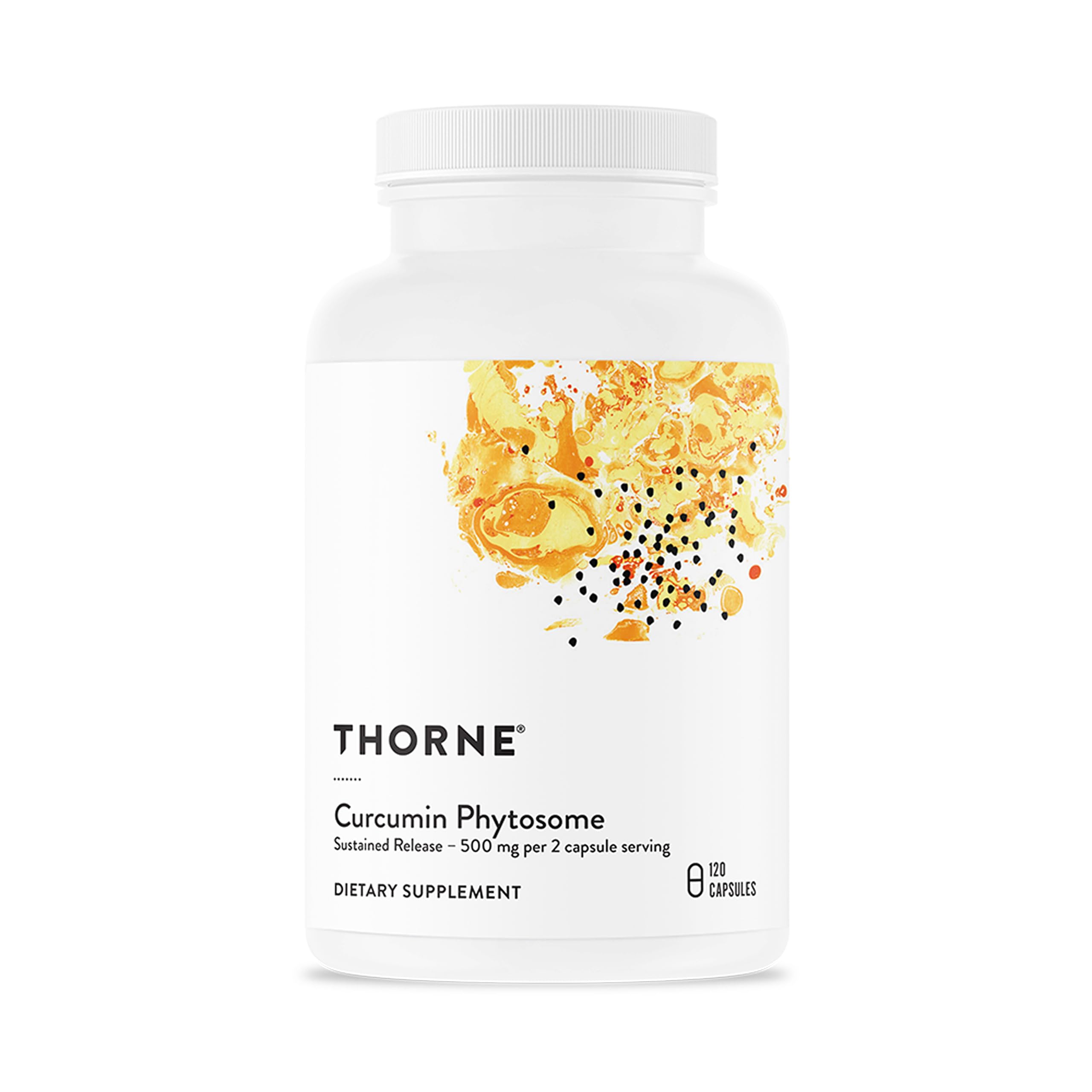
THORNE - Curcumin Phytosome 500 mg (Meriva) - Sustained Release, Clinically Studied - Supports Healthy Inflammatory Response in Joints, Muscles, GI Tract, Liver, Brain & Nerves* - 60 Servings
Buy THORNE - Curcumin Phytosome 500 mg (Meriva) - Sustained Release, Clinically Studied - <strong>Supports Healthy Inflammatory Response in Joints, Muscles, GI Tract, Liver, Brain & Nerves</strong
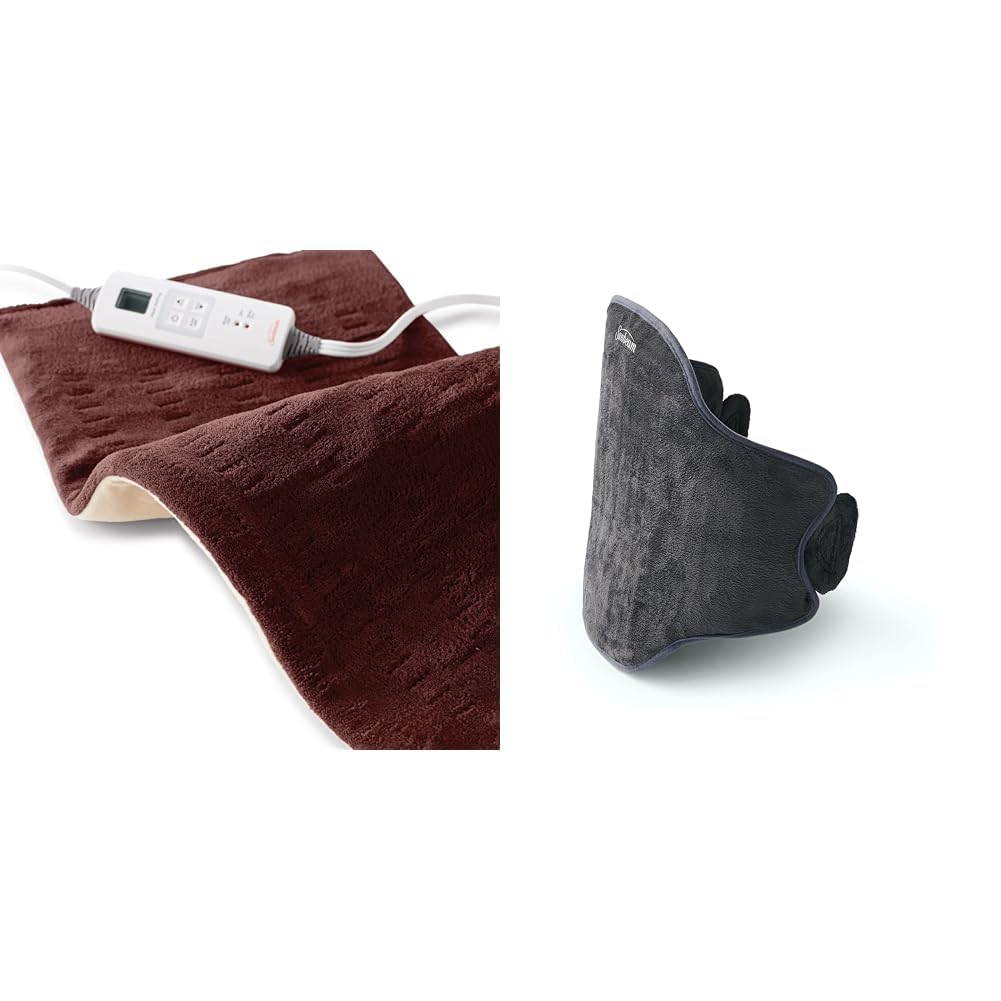
Sunbeam XL Heating Pad for Back Neck and Shoulder Pain Relief Auto Shut Off 6 Heat Settings Extra Large 12 x 24 Green Ideal for Muscle Aches and Arthritis Pain
Experience soothing relief from muscle aches, arthritis, and more with this Sunbeam XL Heating Pad. <strong>Engineered with XpressHeat technology, it heats up three times faster than standard heating
Evidence & Sources
Promising research with growing clinical support from multiple studies
- World Health Organization (WHO)
- American College of Obstetricians and Gynecologists (ACOG)
- European Society of Human Reproduction and Embryology (ESHRE) Guideline
- New England Journal of Medicine
- The Lancet
- Fertility and Sterility
- Human Reproduction Update
- National Center for Complementary and Integrative Health (NCCIH)
This content is for informational purposes only and does not constitute medical advice. Always consult a qualified healthcare provider before starting, stopping, or changing any supplement or medication regimen.