

Turmeric
Also known as: Curcumin, Turmeric (Curcumin)
Overview
Turmeric refers to the golden-yellow rhizome of Curcuma longa, a plant in the ginger family that has long been used as a culinary spice, dye, and traditional health remedy. Its best-known bioactive constituents are curcuminoids, especially curcumin, which is the compound most commonly studied in supplement research. On product labels, “turmeric” and “curcumin” are often used interchangeably, but they are not identical: turmeric is the whole plant material, while curcumin is one isolated component within it.
Interest in turmeric and curcumin has grown substantially because laboratory and clinical research suggests they may influence inflammatory signaling, oxidative stress, and cellular pathways involved in pain, metabolism, and immune activity. This has led to widespread use of turmeric-based supplements for concerns such as joint discomfort, exercise recovery, digestive function, and general wellness. At the same time, an important scientific issue is bioavailability: curcumin is absorbed relatively poorly on its own, so many modern products use specialized formulations, oils, phospholipid complexes, or piperine-containing blends to enhance absorption.
From a safety and quality perspective, turmeric is generally regarded as well tolerated when used in food, while concentrated supplements raise more nuanced questions. Studies and pharmacovigilance reports indicate that some formulations may interact with medications or be inappropriate in certain clinical contexts, including gallbladder disease, bleeding risk, and liver concerns. Because supplement composition varies widely, the health effects seen with one extract cannot automatically be assumed for another.
Overall, turmeric/curcumin sits at the intersection of traditional herbal use and modern anti-inflammatory research. It is among the most extensively studied botanical supplements, but evidence remains condition-specific, formulation-specific, and sometimes inconsistent. A balanced interpretation recognizes both its long cultural history and the limits of current clinical data, especially for broad claims about prevention or disease treatment.
Medical Perspectives
Two Ways of Seeing Health

Western
scientific · clinical
Western medicine applies science, technology, and clinical experience to treat symptoms through testing, diagnosis, and targeted intervention.

Eastern
traditional · alternative
Eastern medicine focuses on treating the body naturally by applying traditional knowledge practiced for thousands of years, emphasizing balance and whole-person wellness.
Gold Bamboo presents both perspectives side-by-side so you can make informed decisions. We don't advocate for one over the other — your health choices are yours.
Western Medicine Perspective
Western Medicine Perspective
In conventional medicine, turmeric and curcumin are primarily viewed through the lens of phytochemistry and clinical trial evidence. Curcumin has been studied for effects on molecular targets involved in inflammation and oxidative stress, including NF-κB, COX-2, cytokine pathways, and reactive oxygen species. This mechanistic profile helps explain why research has focused on conditions such as osteoarthritis, metabolic syndrome, inflammatory bowel conditions, and other disorders where inflammation may play a role.
Human studies suggest the strongest evidence is in symptom support for osteoarthritis, where some trials and meta-analyses have reported modest improvements in pain and function compared with placebo. Research in metabolic, gastrointestinal, and mood-related outcomes is promising but less definitive, often limited by small sample sizes, short study duration, and major differences in formulation and dosing. A recurring challenge in the literature is that enhanced-bioavailability products may behave quite differently from standard turmeric powder, making comparisons difficult.
Conventional clinicians also consider safety, interactions, and product standardization. Curcumin supplements may affect platelet function, gastrointestinal symptoms, and drug metabolism in some settings, and there have been case reports of supplement-associated liver injury, particularly with certain concentrated or enhanced-absorption products. For this reason, western medicine generally treats turmeric supplements as biologically active substances rather than simple food equivalents, and emphasizes that individuals with medical conditions or those taking prescription medications benefit from discussing supplement use with a qualified healthcare professional.
Eastern & Traditional Perspective
Eastern and Traditional Medicine Perspective
In Traditional Chinese Medicine (TCM), turmeric-related herbs have traditionally been used to move qi and blood, support circulation, and address patterns associated with pain or stagnation. Different parts of the plant may be categorized somewhat differently in classical use, but the broader traditional theme centers on restoring flow when discomfort, menstrual concerns, trauma, or abdominal symptoms are understood as manifestations of obstruction. In this framework, turmeric is not defined by a single active molecule; its effects are interpreted in relation to pattern diagnosis, constitution, and the balance of organ systems and energetic movement.
In Ayurveda, turmeric has a long history of use as a warming, cleansing botanical associated with support for digestion, joints, skin, and overall balance of inflammatory processes. Traditionally, it is incorporated into foods, tonics, and compound herbal preparations rather than treated solely as an isolated extract. Ayurvedic interpretation often emphasizes turmeric’s role in supporting agni (digestive fire), healthy tissue metabolism, and balanced responses to internal irritation, while also considering the person’s constitution and broader dietary pattern.
In naturopathic and integrative herbal practice, turmeric is often viewed as a botanical with broad relevance to inflammatory tone, antioxidant defenses, and gastrointestinal integrity. Traditional and modern practitioners alike commonly note that the whole herb, food-based use, and synergistic formulations may differ meaningfully from highly concentrated curcumin isolates. Across these systems, turmeric is generally respected as a versatile traditional medicine, but its use is still ideally contextualized by an experienced practitioner, especially when concentrated extracts are being considered alongside conventional care.
Supplements & Products
Recommended Products
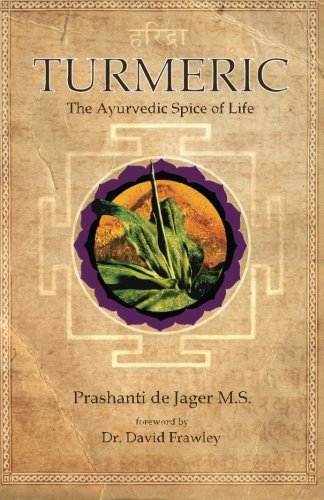
Turmeric: The Ayurvedic Spice of Life: DeJager MS, Prashanti
It is also perhaps the most useful, and certainly the most commonly used Ayurvedic herb. <strong>Turmeric is a good place to start studying and using Ayurveda and a good herb with which to take a new
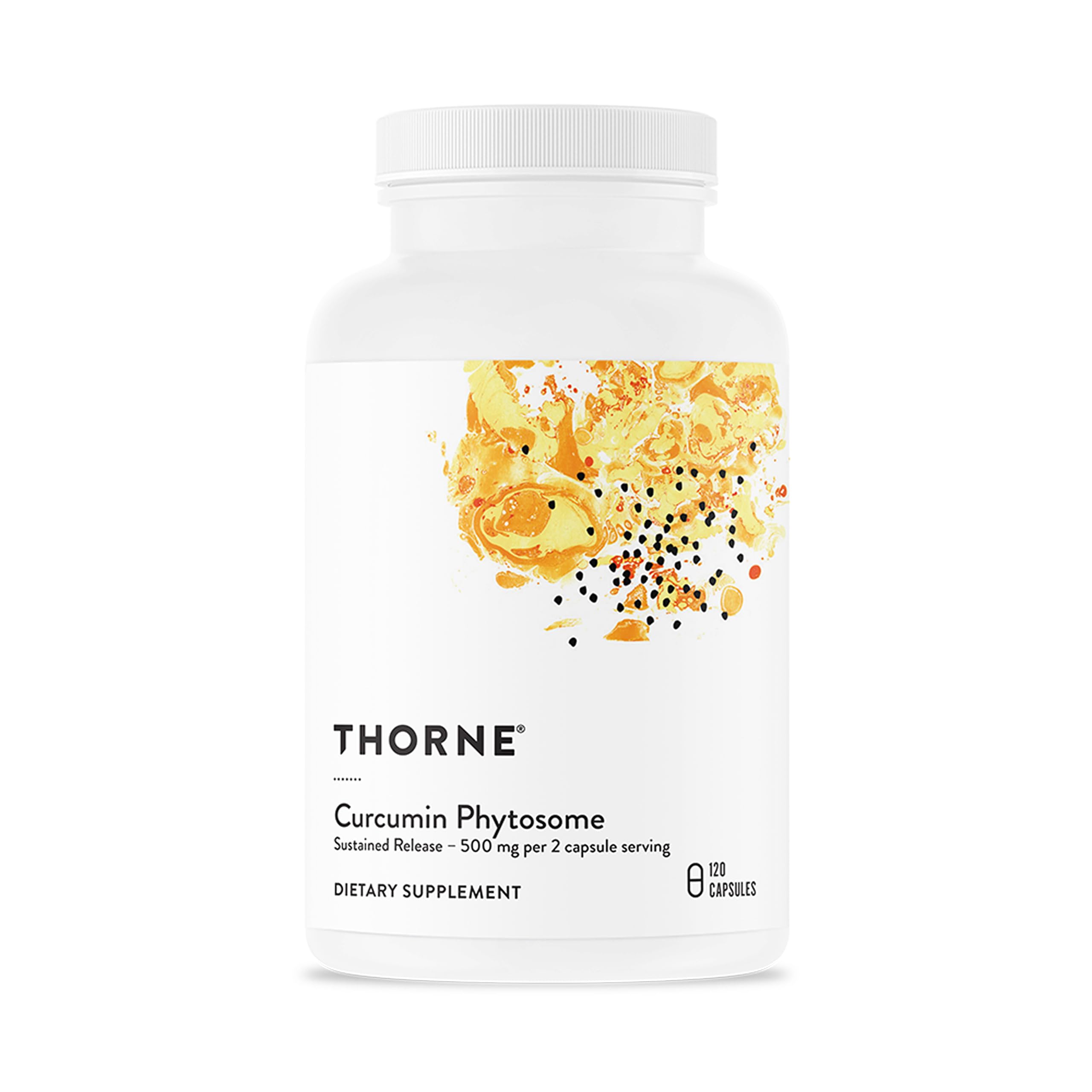
THORNE - Curcumin Phytosome 500 mg (Meriva) - Sustained Release, Clinically Studied - Supports Healthy Inflammatory Response in Joints, Muscles, GI Tract, Liver, Brain & Nerves* - 60 Servings
Buy THORNE - Curcumin Phytosome 500 mg (Meriva) - Sustained Release, Clinically Studied - <strong>Supports Healthy Inflammatory Response in Joints, Muscles, GI Tract, Liver, Brain & Nerves</strong

Life Extension Curcumin Elite Turmeric Extract, 90 Veg Capsules
Life Extension Advanced Curcumin Elite Turmeric Extract, Ginger & Turmerones – for Inflammation Health Support and Cardiovascular & Brain Health – Gluten-Free, Non-GMO – 30 Softgels
Evidence & Sources
Promising research with growing clinical support from multiple studies
- National Center for Complementary and Integrative Health (NCCIH)
- World Health Organization monographs on selected medicinal plants
- National Institutes of Health Office of Dietary Supplements
- Journal of Medicinal Chemistry
- Foods
- Phytotherapy Research
- Journal of Clinical Medicine
- BMC Complementary Medicine and Therapies
- Frontiers in Pharmacology
- Drug-Induced Liver Injury Network (DILIN) publications
This content is for informational purposes only and does not constitute medical advice. Always consult a qualified healthcare provider before starting, stopping, or changing any supplement or medication regimen.