CBD Oil Interactions: What Drugs, Risks & Safety Tips
Worried about CBD oil interactions? Learn which drugs are affected, risks to watch, and smart safety tips. Evidence-based guidance to use CBD more safely.
·12 min read
This content is for informational purposes only and does not constitute medical advice. Always consult a qualified healthcare provider before starting, stopping, or changing any supplement or medication regimen.
Quick summary: key takeaways and who should read this
If you’re taking prescription medications, supplements, or drink alcohol, it’s important to understand cbd oil interactions before adding CBD to your routine. CBD (cannabidiol) can alter how your body processes many drugs—especially those with “grapefruit warnings”—and may increase side effects like sedation, bleeding risk, liver enzyme elevations, or changes in blood pressure.
Key points
CBD can inhibit drug‑metabolizing enzymes (CYP3A4, CYP2C19, CYP2C9) and transporters (P‑glycoprotein), raising levels of many medications.
Strongest clinical interaction data exist for clobazam (sedation), valproate (liver enzymes), and warfarin (INR elevation). Others are probable based on mechanism and case reports.
Closer observation may be warranted if you take anticoagulants, anti‑epileptics, antidepressants/antipsychotics, benzodiazepines and other sedatives, blood pressure meds, or immunosuppressants.
A cautious, gradual approach to CBD is commonly used; keeping clinicians informed and using lab monitoring when appropriate may improve safety.
If your medication says “avoid grapefruit,” extra caution with CBD may be appropriate.
Who should read this
Anyone on multiple meds (polypharmacy), older adults, transplant recipients, people with epilepsy, those on anticoagulants, and anyone who is pregnant, breastfeeding, or has liver disease.
Important note (educational use only): This article provides general information and does not replace personalized medical advice. Decisions about CBD and medications are best made with a qualified healthcare professional who can consider your specific situation.
How CBD works in the body — metabolism, CYP450, and P‑gp (plain‑language)
CBD is processed (metabolized) in the liver and gut by enzymes that also handle many common drugs.
CYP450 enzymes: CBD is primarily metabolized by CYP3A4 and CYP2C19. Research suggests CBD can inhibit these enzymes and, to a lesser extent, CYP2C9 and CYP2D6. Inhibition means other drugs that rely on the same enzymes may break down more slowly, increasing their blood levels and side effects. Evidence level: moderate (human PK studies and in vitro data).
UGT enzymes: Emerging evidence shows CBD can inhibit UGT1A9 and UGT2B7, enzymes that help clear some anti‑seizure drugs and pain medicines. Evidence level: emerging (in vitro and limited clinical correlations).
Drug transporters: In vitro studies indicate CBD may inhibit P‑glycoprotein (P‑gp) and BCRP, proteins that pump drugs across the gut wall, blood–brain barrier, and kidneys. This can change how much of a drug gets into (or out of) the body or brain. Evidence level: emerging (in vitro, limited human data).
Food effect: A high‑fat meal can significantly increase CBD absorption. That means CBD exposure can vary depending on what and when you eat, potentially affecting interactions. Evidence level: moderate (human PK data, including Epidiolex label).
Half‑life: With repeated dosing, CBD’s half‑life is roughly 18–32 hours, so interactions can persist beyond a single dose. Evidence level: moderate (human PK studies).
Bottom line: Because CBD can slow the breakdown and movement of many drugs, interactions are most likely when CBD is combined with medications that have a narrow therapeutic window (small margin between effective and harmful). Evidence level: moderate (mechanistic rationale supported by clinical observations).
What the Research Says (evidence levels)
Clobazam (anti‑epileptic): Strong evidence (RCTs and pharmacokinetic studies) shows CBD increases levels of clobazam’s active metabolite (N‑desmethylclobazam) via CYP2C19 inhibition, often causing sedation; dose adjustments are frequently required.
Valproate (anti‑epileptic): Strong evidence shows higher rates of liver enzyme elevations with CBD plus valproate; liver function monitoring is recommended in prescribing information for pharmaceutical CBD (Epidiolex).
Warfarin (anticoagulant): Moderate evidence (case reports plus mechanistic rationale) shows CBD can raise INR; documented warfarin dose reductions have been required in published cases.
Tacrolimus and cyclosporine (immunosuppressants): Moderate evidence (case reports) shows CBD may increase levels via CYP3A4/P‑gp inhibition; therapeutic drug monitoring is essential in practice.
SSRIs/SNRIs, TCAs, antipsychotics, benzodiazepines: Moderate evidence (observational data, case reports, mechanism) suggests increased drug exposure and additive sedation; monitoring for adverse effects is commonly advised in clinical practice.
DOACs (apixaban, rivaroxaban, etc.): Emerging evidence (mechanistic plus limited case data) suggests potential for higher levels via CYP3A4/P‑gp; bleeding risk is the concern.
Supplements/herbs like St. John’s wort, kava, and grapefruit: Moderate to emerging evidence of clinically meaningful interactions through enzyme/transport effects or additive CNS depression.
Evidence note: Much of the rigorous interaction data comes from studies with prescription‑grade CBD (Epidiolex). Over‑the‑counter products vary in dose and purity, but the mechanisms apply across CBD sources.
CBD Oil Interactions With Common Medications (drug classes and clinical notes)
Understanding cbd oil interactions by class can help you and your clinician anticipate issues and plan monitoring.
Anticoagulants and antiplatelets
Warfarin: CBD may increase warfarin levels (CYP2C9/CYP3A4 inhibition), raising INR and bleeding risk. Case reports describe significant INR increases requiring warfarin dose reductions. Clinical note: Baseline and follow‑up INRs are commonly obtained after CBD initiation or dose changes.
Direct oral anticoagulants (apixaban, rivaroxaban, edoxaban, dabigatran): Many rely on CYP3A4 and/or P‑gp. CBD’s inhibitory effects could increase exposure, though human data are limited. Clinical note: Watching for bleeding/bruising and involving a specialist for high‑risk cases may be helpful.
Antiplatelets (clopidogrel, ticagrelor): CBD may inhibit CYP2C19 and theoretically reduce clopidogrel activation, potentially decreasing its effect; ticagrelor is a CYP3A4 substrate and may see increased levels. Clinical note: In recent stenting or high thrombotic risk, caution is warranted, and discussion with cardiology may be appropriate.
Evidence level: Warfarin (moderate), DOACs and antiplatelets (emerging to moderate).
Anti‑epileptics
Clobazam: CBD increases active metabolite levels; sedation, ataxia, and fatigue are common. Dose adjustments of clobazam are frequently needed in practice.
Valproate: Higher risk of ALT/AST elevation with CBD; mechanism may involve hepatocellular stress rather than enzyme inhibition alone. Close LFT monitoring is common.
Lamotrigine: CBD may inhibit UGT enzymes, potentially increasing lamotrigine levels and rash risk. Monitoring for CNS side effects and skin changes is prudent.
Topiramate, zonisamide: Increased levels have been observed in some patients; watch for cognitive slowing, kidney stones (topiramate), or other adverse effects.
Evidence level: Clobazam/valproate (strong), others (emerging to moderate).
Antidepressants and antipsychotics
SSRIs/SNRIs (e.g., sertraline, citalopram/escitalopram, fluoxetine, venlafaxine, duloxetine): CBD inhibition of CYP2C19/CYP3A4 could raise levels of some SSRIs; additive CNS effects (fatigue, dizziness) are common. Rarely, increased serotonergic effects could occur when multiple serotonergic agents are combined. Clinical note: Monitor for GI upset, agitation, tremor, sweating, or QT concerns with citalopram/escitalopram.
TCAs (e.g., amitriptyline, nortriptyline): Potential for increased levels via CYP2D6/CYP2C19; watch for anticholinergic effects and arrhythmia risk.
Antipsychotics (e.g., quetiapine, risperidone, clozapine, aripiprazole): Many are CYP3A4/2D6 substrates. CBD may raise levels and increase sedation, orthostasis, or extrapyramidal symptoms. Clozapine also carries seizure and agranulocytosis risks—unsupervised combinations may carry higher risk, and clinician oversight is advisable.
Evidence level: Moderate (mechanistic and clinical observations).
Benzodiazepines and other sedatives
Benzodiazepines (diazepam, lorazepam, alprazolam): Additive CNS depression and, for diazepam/clonazepam, potential metabolic interactions (CYP3A4/2C19). With clobazam, interaction is strong and well‑documented.
Z‑drugs (zolpidem, eszopiclone), muscle relaxants (cyclobenzaprine), antihistamines (diphenhydramine), opioids: Additive sedation, dizziness, and increased fall risk are common concerns.
Evidence level: Moderate to strong (additive sedation; clobazam strong).
Blood pressure medications
Calcium channel blockers (amlodipine, diltiazem): CYP3A4 substrates—CBD may increase levels; risk of edema, dizziness, low blood pressure.
Beta‑blockers (metoprolol, propranolol): Potential for increased levels (CYP2D6 substrates) and bradycardia; additive hypotension.
ACE inhibitors/ARBs (lisinopril, losartan): Not major CYP substrates (except losartan via CYP2C9), but additive BP lowering and dizziness can occur.
Evidence level: Emerging to moderate; one small human study suggests acute CBD can lower resting blood pressure in healthy adults (JCI Insight 2017).
Immunosuppressants (transplant and autoimmune patients)
Tacrolimus, cyclosporine: CYP3A4/P‑gp substrates; case reports show increased trough levels with CBD. Elevated levels can cause kidney injury, neurotoxicity, or hypertension.
Sirolimus/everolimus: Also CYP3A4 substrates; similar concerns.
Clinical note: For transplant recipients, involvement of the transplant team and frequent level checks are typically part of safe co‑management if CBD is being considered.
Evidence level: Moderate (case reports and mechanism).
Interactions with supplements, herbs, and alcohol
St. John’s wort: A strong inducer of CYP3A4/P‑gp that can lower CBD levels and many prescription drugs—opposite effect of CBD. Using both can create unpredictable swings in drug exposure. Concurrent use is generally discouraged without clinician supervision. Evidence level: moderate.
Grapefruit and Seville orange: Like CBD, they inhibit CYP3A4. Combining CBD with grapefruit can further increase levels of affected medications. Evidence level: moderate.
Kava, valerian, melatonin, hops: Additive sedation with CBD; kava also carries hepatotoxicity risk. Evidence level: moderate to traditional.
Ginkgo, garlic, high‑dose fish oil: May slightly increase bleeding tendency; caution is warranted if combined with CBD and anticoagulants. Evidence level: emerging to traditional.
Alcohol: Additive CNS depression (sleepiness, impaired coordination). Limited data suggest CBD may modestly influence some alcohol‑related biomarkers, but the clinical effect is uncertain; because co‑use can impair coordination, avoiding combination before driving or operating machinery is generally advised by safety guidelines. Evidence level: moderate for additive sedation; emerging for biomarker effects.
Signs of a clinically important interaction and how interactions are monitored
Potential warning signs include
Excessive sedation, confusion, unsteadiness
Unusual bruising or bleeding (nosebleeds, dark stools)
Dizziness, fainting, very low blood pressure or slow pulse
Worsening seizure control or new neurologic symptoms
Nausea, abdominal pain, jaundice, dark urine (possible liver involvement)
Agitation, tremor, sweating, diarrhea (possible serotonergic excess when on antidepressants)
INR for warfarin; in practice, checks within 3–7 days of CBD changes are common.
Drug trough levels for tacrolimus/cyclosporine/sirolimus.
Liver enzymes (ALT/AST, bilirubin) at baseline and after dose increases, especially with valproate or higher CBD doses.
Anti‑seizure drug levels (e.g., clobazam metabolite) if sedation or breakthrough seizures occur.
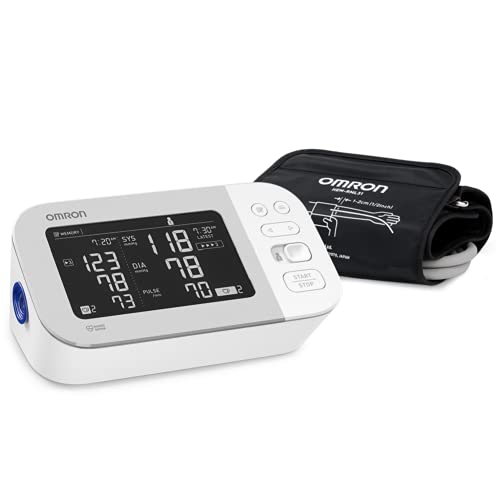
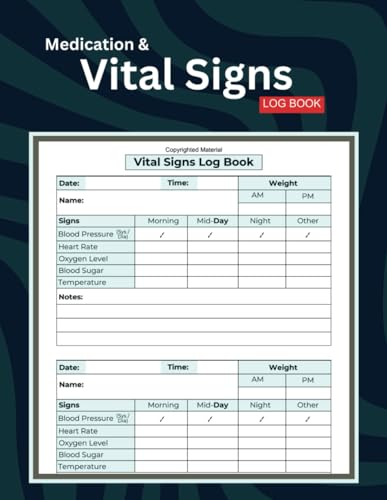
Blood pressure and heart rate tracking at home if on antihypertensives or beta‑blockers.
Practical safety tips: dosing, timing, and when to stop
Discuss first: People taking prescription medications may benefit from a conversation with a clinician or pharmacist about cbd oil interactions before use.
Dosing approach: Some clinicians use a cautious titration (for example, 5–10 mg CBD once daily with 5–10 mg increases every 3–7 days based on tolerability). This approach reflects expert opinion and real‑world practice rather than randomized trials; product variability can affect outcomes. Sources: MacCallum & Russo 2018; Health Canada and Epidiolex labeling provide context for dosing principles, though indications and doses differ. Evidence level: emerging (expert consensus and clinical experience).
Keep it consistent: Maintaining consistent administration (e.g., always with or always without food) may reduce variability. A high‑fat meal can increase CBD levels substantially. Evidence level: moderate.
Timing: Spacing CBD 2–4 hours away from other meds may help for absorption‑related issues, but enzyme‑based interactions can persist beyond dosing intervals; timing alone may not fully mitigate risk. Evidence level: moderate (mechanistic rationale).
Watch for side effects: Common effects include sedation, dizziness, GI upset, or mood changes. Reporting new or worsening symptoms to a clinician is prudent, especially after dose changes. Evidence level: moderate.
Product quality: Third‑party certificates of analysis (COA) can provide information on potency and contaminants. Research indicates some OTC CBD products are mislabeled for potency and may contain THC or contaminants. Evidence level: moderate (survey studies).
If concerning symptoms arise: If you notice bleeding, severe drowsiness, yellowing of the skin/eyes, or any symptom your clinician flagged as serious, contact your healthcare provider or seek urgent care; your clinician may advise pausing CBD.
For deeper background, see Understanding CYP450 enzymes and Herb–Drug Interactions.
When to consult your healthcare provider or pharmacist
Pregnancy or breastfeeding: Human safety data are limited; many experts advise avoiding CBD during these periods. Evidence level: moderate (expert consensus, limited human data).
Liver disease or elevated LFTs: Baseline and follow‑up labs are often used to support safe use. Evidence level: moderate.
Transplant recipients or patients on immunosuppressants: Involvement of the transplant team before any trial of CBD is important, with therapeutic drug monitoring if CBD is used. Evidence level: moderate.
Older adults and polypharmacy: Higher interaction risk; pharmacist review may be helpful. Evidence level: moderate.
Epilepsy: For certain syndromes, prescription CBD can improve seizure control (strong evidence), but interaction management and monitoring are essential; neurology co‑management is typically important.
Pre‑op or procedures: Informing the surgical/anesthesia team about CBD use is generally advisable, as interactions with anesthetics and bleeding risk may be relevant.
FAQs
Can CBD thin blood? CBD doesn’t “thin” blood in the way anticoagulants do, but it can increase levels/effects of blood thinners like warfarin and possibly some DOACs, increasing bleeding risk. Some lab studies also suggest mild antiplatelet effects. Evidence level: moderate for warfarin interaction; emerging for antiplatelet effects.
Does CBD affect warfarin? Yes. Case reports show CBD can raise INR. If both are used, more frequent INR checks are typically needed. Evidence level: moderate.
Is CBD safe with SSRIs? Many people tolerate low doses, but CBD may raise SSRI levels and increase side effects (GI upset, agitation, sleepiness). Involving the prescribing clinician and gradual, cautious approaches are common. Evidence level: moderate (mechanism and case reports).
Can I use CBD if my medication says avoid grapefruit? Extra caution may be appropriate and consultation with a clinician is advisable. CBD and grapefruit can both raise levels of many CYP3A4‑metabolized drugs. Evidence level: moderate.
Will spacing my doses prevent interactions? Not reliably. Enzyme inhibition can outlast the dosing window. Monitoring and, when needed, medication adjustments guided by a clinician tend to be more effective. Evidence level: moderate.
Does CBD harm the liver? At higher doses, especially with valproate or in susceptible individuals, CBD can raise liver enzymes. Monitoring can help reduce risk. Evidence level: strong for valproate combination; moderate otherwise.
Resources and citations
Epidiolex (cannabidiol) U.S. Prescribing Information. Mechanisms, interactions, and liver monitoring guidance.
Brown JD, Winterstein AG. Potential Adverse Drug Events and Drug–Drug Interactions With Medical and Consumer Cannabidiol Use. J Clin Med. 2019;8(7):989.
Geffrey AL et al. Drug–drug interaction between clobazam and cannabidiol in children with refractory epilepsy. Epilepsia. 2015;56(8):1246–1251.
Devinsky O et al. Trial of cannabidiol for drug‑resistant seizures in the Dravet or Lennox–Gastaut syndromes. N Engl J Med. 2017–2018 series.
Gaston TE, Friedman D. Pharmacology of cannabinoids in the treatment of epilepsy. Epilepsy Behav. 2017.
Qian Y, Gurley BJ, Markowitz JS. The Potential for Pharmacokinetic Interactions Between Cannabis Products and Conventional Medications. J Clin Psychopharmacol. 2019.
LiverTox: Clinical and Research Information on Drug‑Induced Liver Injury — Cannabidiol. National Institute of Diabetes and Digestive and Kidney Diseases.
Bonn‑Miller MO et al. Labeling accuracy of cannabidiol extracts sold online. JAMA. 2017;318(17):1708–1709.
Jadoon KA et al. Acute effects of cannabidiol on blood pressure in healthy volunteers: A randomized crossover study. JCI Insight. 2017;2(12):e93760.
MacCallum CA, Russo EB. Practical considerations in medical cannabis administration and dosing. Cannabis and Cannabinoid Research. 2018;3(1):1–15.
For related topics, see CBD dosage basics, Liver health and supplements, and Medication side effects guide.
Practical takeaways
CBD can meaningfully change levels of many drugs—especially those with grapefruit warnings, anticoagulants, certain anti‑seizure drugs, and transplant meds.
The risk is manageable: a cautious, gradual approach with symptom awareness and lab monitoring when appropriate can help.
Keeping your healthcare team in the loop supports safer co‑use. Pharmacists are excellent resources for cross‑checking interactions.
Disclaimer
This article is for educational purposes and does not replace personalized medical advice. Consult your healthcare provider or pharmacist for guidance tailored to your medications and health status. If you experience severe or concerning symptoms, seek medical care promptly.
This content is for informational purposes only and does not constitute medical advice. Always consult a qualified healthcare provider before starting, stopping, or changing any supplement or medication regimen.
If you take prescription or over‑the‑counter medications and also use herbs or supplements, you’ve likely wondered about herb drug interactions. Research shows some herbs can meaningfully change how m
Interactions Between Herbal Supplements: Common Herb‑Herb Risks, How They Work, and Safety Tips. If you take more than one botanical at a time, you may wonder about interactions between herbal supplements. The short answer: they do exist. Some combinations can meaningfully raise bleeding risk, amplify sedation, stress the liver, or alter how other herbs are absorbed and metabolized. Research su
If you take medications and supplements, you’ve probably wondered: Are these safe together? Our supplement interaction checker helps you quickly spot potential drug–supplement conflicts, understand se
If you take prescription medicines, over‑the‑counter (OTC) remedies, or supplements, you’ve likely wondered whether it’s safe to combine them. Our drug interaction checker helps you quickly screen for
Vitamin Interactions With Medications: What You Need to Know. ## What this guide covers and why drug–vitamin interactions matter
If you take prescription or over‑the‑counter medications, it can be helpful to understand vitamin interactions with medications. While vitamins are essential nutrients, they can sometimes change how drugs are absorbed, metabolized, o
Supplements That Interact with Antidepressants: Risks & Safe Use. If you take an antidepressant, it’s smart to ask which supplements that interact with antidepressants should be avoided or used carefully. This guide explains which combinations raise risk, how interactions happen, the warning signs to know, and practical steps to stay safe—all with clear evidence l