Collagen Types Explained: Joints, Skin, Gut & Beyond
Type I, II, III — not all collagen is the same. Which forms actually work, optimal dosing, and how to pair collagen with vitamin C for absorption.
·9 min read
This content is for informational purposes only and does not constitute medical advice. Always consult a qualified healthcare provider before starting, stopping, or changing any supplement or medication regimen.
What Is Collagen?
Collagen is the most abundant protein in your body — accounting for roughly 30% of total protein mass. It's the structural scaffolding that holds you together, providing tensile strength to tendons, elasticity to skin, cushioning to joints, and integrity to the gut lining.
Your body produces collagen naturally by assembling amino acids (primarily glycine, proline, and hydroxyproline) into triple-helix structures that weave together into strong fibers. But production declines roughly 1% per year after age 25, and factors like UV exposure, smoking, high sugar intake, and chronic stress accelerate the decline.
There are at least 28 identified types of collagen, but three dominate the conversation:
Type I — the most abundant (90% of body collagen), found in skin, bones, tendons, ligaments, and connective tissue
Type II — concentrated in cartilage and the vitreous body of the eye
Type III — found alongside Type I in skin, blood vessels, and internal organs
Understanding which type does what is essential for choosing the right collagen supplement — because the form matters as much as the dose.
Collagen for Joints and Tendons
Joint health is where collagen supplementation has its strongest evidence base, particularly for Type II collagen.
Undenatured Type II Collagen (UC-II)
UC-II works through a fundamentally different mechanism than hydrolyzed collagen. Rather than providing raw amino acid building blocks, undenatured Type II collagen works through oral tolerance — a process where small doses of intact collagen presented to the gut-associated immune tissue train the immune system to stop attacking the body's own cartilage.
A 2016 randomized controlled trial in the International Journal of Medical Sciences found that 40 mg of UC-II daily was twice as effective as 1,500 mg of glucosamine plus 1,200 mg of chondroitin for improving knee joint extension and reducing pain in osteoarthritis patients over 180 days.
This is a striking finding. A tiny dose of the right collagen form outperformed the standard joint supplement stack at 60 times the dose. The mechanism — immune modulation rather than raw material provision — explains why less is more with UC-II.
Hydrolyzed Collagen for Tendons and Ligaments
For tendon and ligament support, hydrolyzed collagen (broken down into small peptides) takes a different approach. A widely cited 2017 study by Keith Baar's lab at UC Davis showed that consuming 15 grams of gelatin (a collagen derivative) with 50 mg of vitamin C one hour before exercise doubled collagen synthesis rates in engineered ligaments.
This research spawned a practical protocol adopted by many athletes: take hydrolyzed collagen with vitamin C before rehab exercises or training to support connective tissue repair.
Collagen for Skin
The beauty-from-within market has embraced collagen with enthusiasm. The research, while not as strong as the joint evidence, offers genuine support.
What the Studies Show
Multiple randomized controlled trials have examined hydrolyzed collagen peptides for skin health. A 2019 meta-analysis in the Journal of Drugs in Dermatology reviewing 11 studies with over 800 participants found that hydrolyzed collagen supplementation significantly improved skin hydration, elasticity, and wrinkle depth compared to placebo.
The meta-analysis reported that benefits appeared as early as 4 weeks, with optimal results at 8 to 12 weeks of consistent supplementation at doses of 2.5 to 10 grams daily.
The proposed mechanisms include stimulating fibroblast activity (the cells that produce collagen in skin), increasing hyaluronic acid production, and providing the specific amino acid profile that skin collagen requires.
Setting Expectations
The skin benefits are real but modest. Collagen supplementation will not reverse decades of photoaging or replace professional dermatological treatments. Think of it as one tool among many — sunscreen, retinoids, and overall nutrition matter more. But for people already doing those things, collagen may offer an incremental benefit, particularly for hydration and elasticity.
Collagen for Gut Health
This is where the evidence gets thinner, and honest assessment matters.
The Leaky Gut Hypothesis
The theory is straightforward: collagen provides glycine and glutamine, amino acids that support the integrity of the intestinal lining. A compromised gut barrier ("leaky gut" or increased intestinal permeability) allows partially digested food particles and bacterial endotoxins into the bloodstream, potentially triggering systemic inflammation.
Glycine is genuinely important for gut health — it's a precursor to glutathione (a master antioxidant), supports bile acid production, and has anti-inflammatory properties in the GI tract. Glutamine is the primary fuel source for enterocytes (intestinal lining cells).
What's Missing
The problem is the logical leap from "collagen contains amino acids that support gut health" to "taking collagen supplements heals the gut." There are very few clinical trials directly testing collagen supplementation for gut barrier function in humans. Most of the evidence is mechanistic (based on what individual amino acids do) or extrapolated from wound healing research.
This doesn't mean collagen is useless for gut health — the amino acid profile is genuinely supportive. But claiming it "heals leaky gut" goes beyond what current evidence supports. Bone broth, long valued in traditional medicine for digestive support, is essentially a collagen-rich food, and there may be wisdom in that tradition. But wisdom and clinical proof are different things.
Hydrolyzed vs. Undenatured vs. Marine
Choosing the right form depends on your goal.
Hydrolyzed Collagen (Collagen Peptides)
Collagen that has been enzymatically broken down into small peptides (typically 2 to 5 kilodaltons). These are readily absorbed — bioavailability studies show that hydrolyzed collagen peptides appear in the bloodstream within 30 minutes of ingestion.
Best for: general skin, hair, and nail support; tendon and ligament health when combined with vitamin C; overall collagen replenishment. Typical dose: 10 to 15 grams daily.
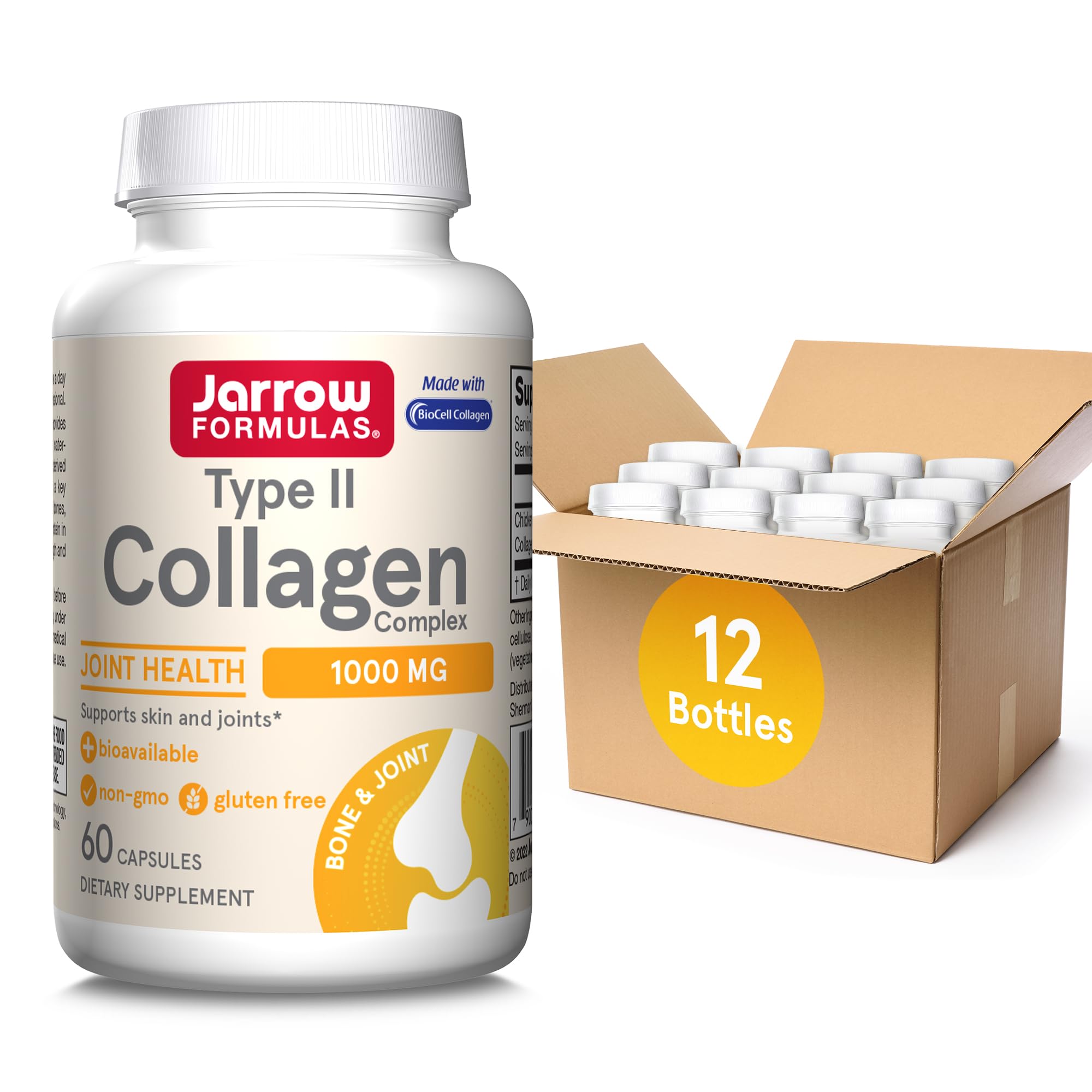
Undenatured Type II Collagen (UC-II)
Intact, non-hydrolyzed collagen that works through immune modulation rather than as a building block. Derived from chicken sternum cartilage.
Best for: joint pain, osteoarthritis, cartilage support. Typical dose: 40 mg daily (note: milligrams, not grams — the dose is tiny because the mechanism is immunological, not structural).
Marine Collagen
Hydrolyzed collagen derived from fish skin and scales rather than bovine or porcine sources. Primarily Type I collagen with smaller peptide size, which may improve absorption.
Best for: skin health (predominantly Type I), pescatarian-friendly option. Some research suggests marine collagen peptides have particularly good bioavailability due to their lower molecular weight. Typical dose: 5 to 10 grams daily.
Bovine Collagen
The most common source, providing Types I and III. Derived from cowhide and bones. Well-studied, affordable, widely available.
Best for: general-purpose supplementation covering skin, tendons, and connective tissue. Typical dose: 10 to 15 grams daily.
Dosing and Timing
The Vitamin C Connection
Vitamin C is an essential cofactor for collagen synthesis. Without adequate vitamin C, your body cannot properly hydroxylate proline and lysine — a step required to form stable collagen triple helices. This is why scurvy (severe vitamin C deficiency) causes collagen breakdown throughout the body.
Taking collagen with 50 to 100 mg of vitamin C Some collagen supplements include vitamin C in the formula; otherwise, taking your collagen alongside a vitamin C-rich food or supplement accomplishes the same thing.
Timing
For joint and tendon support, the Baar protocol suggests taking collagen with vitamin C approximately one hour before exercise or physical therapy. For general skin and health benefits, timing is less critical — consistency matters more than when you take it.
Duration
Most collagen research shows benefits emerging at 4 to 8 weeks, with optimal results at 12 weeks or longer. This isn't a supplement where you'll feel a difference overnight. Commit to at least 3 months before evaluating whether it's working for you.
Setting Realistic Expectations
Collagen supplementation occupies a reasonable middle ground in the evidence hierarchy. It's not creatine — where the evidence is overwhelming and the effects are measurable in weeks. But it's also not a scam.
The joint evidence, particularly for UC-II in osteoarthritis, is genuinely strong. The skin evidence is moderate and growing. The gut evidence is plausible but preliminary. And the basic nutritional logic — that providing collagen-specific amino acids supports a body that's producing less collagen with age — is sound, even if the clinical trial data is still catching up.
What collagen won't do is replace the fundamentals. No amount of collagen powder overcomes a poor diet, chronic sleep deprivation, or unmanaged UV exposure. It works best as part of a comprehensive approach — not as a standalone solution.
For most people, 10 to 15 grams of hydrolyzed collagen daily with vitamin C is a reasonable, well-tolerated, and modestly supported intervention. If joint health is your primary concern, consider adding 40 mg of UC-II. And give it time — collagen is a slow game, not a quick fix.
This article is for informational purposes only and does not constitute medical advice. Consult a qualified healthcare provider before starting any supplement regimen.
This content is for informational purposes only and does not constitute medical advice. Always consult a qualified healthcare provider before starting, stopping, or changing any supplement or medication regimen.
Collagen. Collagen Peptides, Hydrolyzed Collagen, Marine Collagen, Bovine Collagen. ## Collagen Overview
**Collagen** is the most abundant structural protein in the human body and a major component of **skin, cartilage, tendons, ligaments, bones, blood vessels, and other connective tissues**. In supplement form, collagen is commonly sold as **hydrolyzed collagen peptides**, gelati
Vitamin C Beyond Colds: Focus on Collagen Synthesis
If you’ve heard of [vitamin C](/supplements/vitamin-c) only in the context of colds, you’re missing its central role in how the body builds and mai
Collagen Supplement Side Effects: Risks, Who's at Risk, and Safety Tips. If you’re curious about collagen supplement side effects, you’re not alone. Collagen powders and capsules are everywhere, and while most people tolerate them well, some do experience digestive symptoms, headaches, or allergic reactions. This guide reviews what collagen is, why people take it, the mo
Best Collagen Supplements 2026: Top Picks & Buyer's Guide. If you’re searching for the best collagen supplement, you probably want something that actually mixes well, is tested for safety, and—most importantly—has evidence behind it. Collagen isn’t magic, but research suggests certain forms and doses can modestly support skin hydration and elasticity, nail
Connective Tissue. Support Tissue, Binding Tissue. ## Overview
**Connective tissue** is the body’s structural network. It supports, binds, cushions, and separates other tissues and organs, helping the body maintain form while also allowing movement, repair, and communication between different systems. This broad category includes **fascia, tendons,