

supplements
BPC-157
BPC-157 (Body Protection Compound-157) is a synthetic peptide consisting of 15 amino acids derived from a protective protein found in human gastric juice. It was first isolated by researchers studying
Early-stage research, mostly preclinical or preliminary human studies
Everything you need to know about healing peptides — mechanisms, dosing protocols, stacking strategies, and what the research actually shows.
This content is for informational purposes only and does not constitute medical advice. Always consult a qualified healthcare provider before starting, stopping, or changing any supplement or medication regimen.
Peptides are short chains of amino acids — typically between 2 and 50 — linked by peptide bonds. They're smaller than proteins but biologically active in ways that have drawn intense interest from researchers, athletes, and the longevity community alike.

In his first book, Peptide Protocols, Volume One, Dr. William A. Seeds <strong>introduces the cellular medicine behind peptides to improve patient health</strong>. As the foremost authority on why and
Check Price on AmazonYour body produces thousands of peptides naturally. They act as signaling molecules, telling cells when to repair, grow, inflame, or calm down. Therapeutic peptides work on the same principle: deliver a specific amino acid sequence and trigger a targeted biological response.
The three peptides generating the most conversation right now — BPC-157, TB-500, and GHK-Cu — all center on healing and recovery. Each works through a different mechanism, and each occupies a different place on the evidence spectrum. What follows is a candid look at what the research actually shows, what remains unknown, and what you should consider before deciding whether peptides belong in your toolkit.
BPC-157 (Body Protection Compound-157) is a synthetic peptide derived from a naturally occurring protein found in human gastric juice. It consists of 15 amino acids and was first isolated by researchers at the University of Zagreb in the early 1990s.
The animal research on BPC-157 is remarkably broad. Studies in rats and mice have demonstrated accelerated healing of tendons, ligaments, muscles, nerves, and the intestinal lining. A 2018 review in Current Pharmaceutical Design catalogued over 100 preclinical studies showing tissue-protective effects across virtually every organ system tested.
A 2021 study in the Journal of Orthopaedic Research found that BPC-157 accelerated Achilles tendon healing in rats by 72% compared to controls, with increased collagen organization and biomechanical strength.
The proposed mechanisms include upregulation of growth hormone receptors, modulation of the nitric oxide system, promotion of angiogenesis (new blood vessel formation), and direct effects on the FAK-paxillin pathway involved in cell migration.
Here is where honesty matters: there are no completed, published human clinical trials on BPC-157 as of early 2026. Virtually all the evidence comes from animal models. A few Phase I trials have been registered, but results remain pending. This is a significant limitation that peptide enthusiasts often gloss over.
Animal results do not always translate to humans. The doses used in rat studies, when adjusted for body weight, may not produce equivalent effects in people. And the safety profile in humans — beyond anecdotal reports — is essentially uncharacterized in peer-reviewed literature.
Commonly reported doses in the peptide community range from 250 to 500 micrograms per day, administered subcutaneously near the site of injury or systemically. Some users take it orally for gut-related applications, as it was originally derived from gastric juice and may survive the digestive environment better than most peptides.
BPC-157's regulatory status is complicated. The FDA has not approved it for any medical use. In 2022, the FDA issued warning letters to compounding pharmacies selling BPC-157, categorizing it as a "new drug" requiring approval. It is not a controlled substance, but it is not a dietary supplement either — it occupies a gray area that varies by jurisdiction.
TB-500 is a synthetic version of a region of Thymosin Beta-4, a 43-amino-acid protein produced naturally by the thymus gland and found in nearly all human cells. It plays a central role in cell migration, blood vessel formation, and tissue repair.
TB-500's primary mechanism involves upregulating actin, a protein that forms the structural scaffolding of cells. By promoting actin, TB-500 facilitates cell migration to sites of injury — essentially helping repair cells get where they need to go faster.
Research published in the Annals of the New York Academy of Sciences demonstrated that Thymosin Beta-4 reduced inflammation and fibrosis in cardiac tissue following heart attack in animal models, suggesting applications far beyond musculoskeletal repair.
Animal studies have shown benefits in wound healing, cardiac repair after ischemia, corneal healing, and neurological recovery after traumatic brain injury. The anti-inflammatory properties appear to work through downregulation of pro-inflammatory cytokines, particularly IL-1beta and TNF-alpha.
In the athletic and bodybuilding community, TB-500 is used primarily for recovery from soft tissue injuries — tendinitis, muscle strains, and joint inflammation. The equine world actually adopted it first; TB-500 has been used extensively in racehorse recovery, which is where much of the practical dosing knowledge originated.
Typical reported protocols involve 2 to 2.5 milligrams injected subcutaneously twice per week during an initial loading phase, tapering to once weekly for maintenance. These are community-derived protocols, not clinically validated dosing schedules.
Like BPC-157, the human clinical evidence for TB-500 specifically (as opposed to the endogenous Thymosin Beta-4 it mimics) is thin. There are theoretical concerns about promoting angiogenesis in people with existing tumors, though no direct evidence of this has been published. Anyone with a history of cancer should approach TB-500 with particular caution.
GHK-Cu (glycyl-L-histidyl-L-lysine copper complex) stands apart from BPC-157 and TB-500 in several ways. It was first identified in human plasma by Dr. Loren Pickart in 1973, it has a longer research history, and it is already commercially available in skincare products — giving it a more established safety track record.
GHK-Cu's most documented effects involve skin biology. It stimulates collagen and glycosaminoglycan synthesis, attracts immune cells and fibroblasts to wound sites, and has demonstrated anti-inflammatory and antioxidant properties.
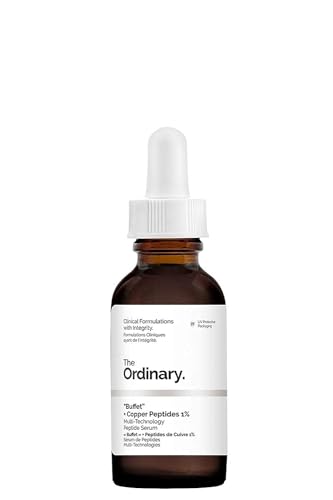
The Ordinary "Buffet" + Copper Peptides 1% 1 oz/ 30 mL
View on AmazonA controlled clinical study published in the Journal of Cosmetic Dermatology found that topical GHK-Cu application improved skin laxity, clarity, and overall appearance after 12 weeks, with measurable increases in collagen density on ultrasound imaging.
The peptide appears to work partly through gene expression — studies suggest it can influence the activity of over 4,000 genes, many involved in tissue remodeling. This broad genomic impact is unusual for such a small molecule.
Beyond cosmetic applications, GHK-Cu has been studied for wound healing, hair growth stimulation, reduction of photodamage, and even potential neuroprotective effects. Some researchers have proposed that declining GHK-Cu levels as we age (plasma levels drop from about 200 ng/mL at age 20 to 80 ng/mL by age 60) may contribute to reduced regenerative capacity.
GHK-Cu is available as topical serums and creams (the most common route), subcutaneous injections, and even microneedling solutions. The topical evidence is the strongest, while injectable use follows the same pattern as the other peptides — community-driven protocols with limited clinical validation.
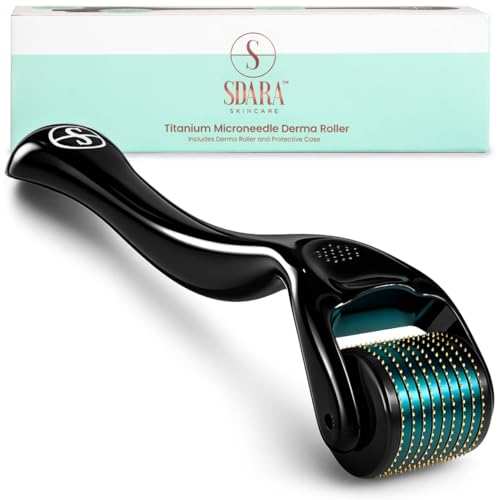
Sdara Skincare Derma Roller Microneedling Roller for Face - Includes Free Storage Case (Pack of 1) Unisex
View on AmazonMost therapeutic peptides are administered via subcutaneous injection using insulin syringes. The peptide typically arrives as a lyophilized (freeze-dried) powder that must be reconstituted with bacteriostatic water. This reconstitution process requires sterile technique and careful dosing calculations.
Oral BPC-157 is an exception, with some research suggesting gastric stability. Topical GHK-Cu is another, with commercially available products that bypass injection entirely.
The peptide community generally advocates cycling — using peptides for defined periods (typically 4 to 12 weeks) followed by breaks. The rationale is to prevent receptor desensitization and allow the body to consolidate healing gains. Some practitioners use peptides only during acute injury recovery rather than as ongoing supplements.
Combining BPC-157 and TB-500 is the most common peptide stack, based on the theory that their complementary mechanisms — BPC-157's growth factor modulation and TB-500's cell migration promotion — create synergistic healing effects. There is no clinical evidence specifically validating this combination, though the theoretical rationale is plausible given their different pathways.
Animal studies on BPC-157 have shown a remarkably clean safety profile, with no observed toxicity even at very high doses. TB-500 similarly shows low toxicity in preclinical models. GHK-Cu has the most established safety data, given decades of use in topical products.
The long-term effects of exogenous peptide use in humans are essentially uncharted. Potential concerns include:
This may be the most practical safety issue. With no pharmaceutical-grade peptide products approved for human use, consumers rely on compounding pharmacies or research chemical suppliers. Quality varies enormously. Third-party testing through services like Janoshik Analytical is one way users attempt to verify purity, but this adds cost and complexity.
Peptides represent one of the most intriguing frontiers in recovery and regenerative medicine. The preclinical evidence, particularly for BPC-157 and Thymosin Beta-4, is genuinely compelling — these are not fringe molecules with a handful of studies, but compounds with extensive animal research backing.
However, compelling preclinical evidence is not the same as proven human therapy. The gap between rat studies and clinical medicine is littered with molecules that looked promising in animals and failed in humans. Until rigorous human trials are completed and published, peptide use remains an informed gamble.
If you're considering peptides, prioritize sourcing from reputable compounding pharmacies, start with conservative doses, work with a healthcare provider who understands peptide therapy, and maintain realistic expectations. The science is genuinely promising — but promise and proof are different things.
This article is for informational purposes only and does not constitute medical advice. Consult a qualified healthcare provider before starting any peptide protocol.
In his first book, Peptide Protocols, Volume One, Dr. William A. Seeds <strong>introduces the cellular medicine behind peptides to improve patient health</strong>. As the foremost authority on why and
For those looking for an all-in-one solution for skin care, Buffet + Copper Peptides 1% helps to improve the appearance of fine and dynamic lines and supports your skin’s overall elasticity, smoothnes
HIGH-QUALITY <strong>Crafted with durable, high-quality materials, the Sdara Derma Roller is built to last, providing reliable results with every use</strong>. PORTABLE AND EASY TO USE With its ergono
Health Disclaimer
This content is for informational purposes only and does not constitute medical advice. Always consult a qualified healthcare provider before starting, stopping, or changing any supplement or medication regimen.
BPC-157 (Body Protection Compound-157) is a synthetic peptide consisting of 15 amino acids derived from a protective protein found in human gastric juice. It was first isolated by researchers studying
Body Protection Compound-157. BPC-157. ## Overview **BPC-157** is a synthetic peptide derived from a protein fragment associated with human gastric juice, and it is often discussed in the supplement and research-chemical space for its proposed effects on **tissue repair, inflammation regulation, gut integrity, and recovery from injury**.
Introduction [BPC‑157 (Body Protection Compound‑157)](/supplements/bpc-157) is a synthetic fragment of a protein found in gastric juice that has captured the attention of athletes and recovery enthusi
Overview BPC‑157 (Body Protection Compound‑157) is a synthetic fragment of a protein first identified in gastric juice during research on stomach mucosal protection. Because it appeared to preserve an
Collagen. Collagen Peptides, Hydrolyzed Collagen, Marine Collagen, Bovine Collagen. ## Collagen Overview **Collagen** is the most abundant structural protein in the human body and a major component of **skin, cartilage, tendons, ligaments, bones, blood vessels, and other connective tissues**. In supplement form, collagen is commonly sold as **hydrolyzed collagen peptides**, gelati
Hydrolyzed collagen protein fragments used to support skin elasticity, joint health, and connective tissue repair.