Essential Vitamins for Hair Growth: An Evidence‑Based Guide to Biotin, Vitamin D, Iron & More
Which vitamins truly support hair? Learn the essential vitamins for hair growth, best food sources, safe dosages, labs to check, and when to see a clinician.
·11 min read
This content is for informational purposes only and does not constitute medical advice. Always consult a qualified healthcare provider before starting, stopping, or changing any supplement or medication regimen.
If you’re noticing more shedding in the shower or thinning at the part, it’s natural to wonder which nutrients actually help hair. Research suggests several essential vitamins for hair growth support follicle health when you’re low in them—biotin, vitamins A, C, D, E, B12 and folate—along with key minerals like iron and zinc. The details matter: hair follicles are fast‑growing tissues that depend on steady nutrient supply, but taking high‑dose “hair vitamins” won’t overcome hormonal, autoimmune, or genetic causes.
This guide explains how each vitamin works, what deficiency looks like, where to find it in food, when supplements help, and when to seek medical care.
Essential vitamins for hair growth: what each does and what the evidence shows
Below, each nutrient includes biological role, common deficiency signs, and the current strength of evidence for hair benefits.
Biotin (Vitamin B7)
Biological role: Biotin is a cofactor for carboxylase enzymes involved in fatty acid synthesis and energy metabolism—pathways relevant to keratin production in hair and nails.
Deficiency signs: Thinning hair, brittle nails, scaly rash around eyes/mouth, fatigue; classically seen with prolonged raw egg white intake (avidin binds biotin), certain anticonvulsants, pregnancy, or genetic defects.
Evidence for hair: Emerging for general hair health; strong for correcting overt deficiency. Studies indicate biotin supplementation helps when deficiency is present, but randomized controlled trials (RCTs) in non‑deficient individuals are lacking. Many “before/after” studies combine multiple nutrients, making biotin’s unique effect unclear. Evidence level: emerging for general populations; strong for deficiency correction.
Key caution: Biotin can interfere with common lab tests (including thyroid and troponin heart tests), producing false results. Pause 24–72 hours before labs if advised by your clinician.
Vitamin D
Biological role: Vitamin D receptors exist in hair follicles; vitamin D helps regulate the hair cycle (anagen growth phase) and immune signaling around follicles.
Deficiency signs: Low bone density, muscle aches, fatigue; associations with telogen effluvium and alopecia areata are reported.
Evidence for hair: Moderate. Observational studies consistently find lower 25(OH)D levels in people with diffuse shedding and some alopecia subtypes. Limited interventional data suggest repletion may reduce shedding in deficiency, but large RCTs are sparse. Evidence level: moderate.
Learn more: See our nutrient overview for Vitamin D3.
Biological role: Iron is essential for oxygen delivery and DNA synthesis in rapidly dividing matrix cells of the follicle. Ferritin is the storage form and a practical lab marker.
Deficiency signs: Fatigue, pale skin, brittle nails, cold intolerance, restless legs; hair shedding is common. In menstruating people, low ferritin is a frequent contributor to diffuse loss.
Evidence for hair: Moderate. Studies indicate low ferritin correlates with telogen effluvium; some dermatologists target ferritin above ~40–70 ng/mL for hair recovery, though thresholds vary by lab and evidence is mixed. Supplementation helps when deficiency is documented. Evidence level: moderate.
Zinc (mineral, frequently included in “hair vitamin” blends)
Biological role: Zinc supports DNA/RNA synthesis, cell division, and antioxidant defense—critical for hair matrix cells.
Deficiency signs: Hair loss, dermatitis around body openings, impaired immunity, taste changes. Risk is higher with restricted diets or malabsorption.
Evidence for hair: Emerging to moderate depending on condition. Low zinc is reported in alopecia areata and telogen effluvium; small trials and case reports suggest repletion helps in deficiency. Routine high‑dose use without deficiency is not well supported. Evidence level: emerging to moderate.
Biological role: Regulates gene expression, cell differentiation, and healthy sebum production in the scalp.
Deficiency signs: Night blindness, dry skin, increased infections; severe deficiency can contribute to hair issues.
Evidence for hair: Traditional for deficiency, but important caution—excess preformed vitamin A (retinol) can cause hair loss. Evidence supports maintaining sufficiency, not megadosing. Evidence level: traditional for deficiency; strong evidence of toxicity with excess.
Vitamin C
Biological role: Antioxidant; cofactor for collagen synthesis in connective tissue around follicles; enhances non‑heme iron absorption.
Deficiency signs: Fatigue, easy bruising, bleeding gums (scurvy), corkscrew hairs in severe cases.
Evidence for hair: Emerging. No strong RCTs show vitamin C alone increases hair growth, but it supports scalp connective tissue health and iron status—indirect benefits that matter if you’re low. Evidence level: emerging.
Deficiency signs: Rare; neuropathy, myopathy, ataxia in severe malabsorption.
Evidence for hair: Emerging. One small RCT of mixed tocotrienols showed increased hair counts vs placebo, but replication is limited. High‑dose vitamin E can increase bleeding risk, especially with anticoagulants. Evidence level: emerging.
Vitamin B12 and Folate (B9), plus other B‑complex members
Biological role: B12 and folate drive DNA synthesis and methylation—vital for rapidly dividing follicle cells. B2, B3, and B6 serve as coenzymes in energy and protein metabolism for keratin production.
Deficiency signs: B12/folate—megaloblastic anemia, pallor, fatigue, glossitis; sometimes diffuse hair thinning. B6 excess from supplementation can cause neuropathy.
Evidence for hair: Emerging to moderate for correction of deficiency. Hair often improves when anemia or methylation deficits are treated. Routine megadoses without deficiency are not supported. Evidence level: emerging to moderate.
What the research says about vitamins and hair growth
Strong evidence: Correcting true deficiencies (iron, severe biotin, B12/folate, vitamin D) can reduce shedding and support regrowth where follicles remain viable. Multiple studies and clinical experience support deficiency correction.
Moderate evidence: Low vitamin D and low ferritin correlate with shedding; supplementation helps when levels are low, though ideal ferritin targets vary and RCTs are limited.
Emerging evidence: Biotin for non‑deficient individuals; zinc and vitamin E in specific hair disorders; vitamin C as an adjunct (via iron absorption and collagen support); broad B‑complex support without documented deficiency.
Traditional/physiology‑based: Vitamin A sufficiency is important, but excess retinol causes hair loss—avoid high doses.
Bottom line: Nutrients are foundational, but benefits are most reliable when lab abnormalities are present.
Food sources, dietary patterns, and bioavailability
Biotin: Eggs (cooked), salmon, liver, nuts, seeds, legumes. Biotin is widely distributed; deficiency is uncommon with varied diets.
Vitamin D: Fatty fish (salmon, sardines), egg yolks, fortified dairy/plant milks; sunlight converts 7‑dehydrocholesterol in skin to vitamin D3 (amount varies by season, latitude, skin tone, sunscreen).
Iron: Heme iron (best absorbed) in red meat, poultry, fish; non‑heme iron in beans, lentils, tofu, spinach, pumpkin seeds, fortified cereals. Vitamin C with plant iron improves absorption; tea/coffee and calcium can reduce it.
Zinc: Oysters, beef, poultry; plant sources include pumpkin seeds, chickpeas, and whole grains (soaking/sprouting lowers phytates and improves absorption).
Vitamin A: Preformed retinol in liver, dairy; provitamin A carotenoids in carrots, sweet potatoes, kale, spinach, mango. Retinol is more bioavailable but carries toxicity risk if overused.
Vitamin C: Citrus, strawberries, kiwi, bell peppers, broccoli, tomatoes. Heat can reduce vitamin C; enjoy some raw sources.
B12 and Folate: B12 is only in animal foods (meat, fish, eggs, dairy) and fortified products; folate is abundant in leafy greens, legumes, asparagus, avocado, and citrus.
Practical dietary strategies
Build a hair‑smart plate: Include a protein source (eggs, fish, legumes), colorful vegetables/fruit (vitamin C and carotenoids), and a healthy fat (olive oil, nuts) at most meals.
Pairing matters: Combine vitamin C‑rich foods with beans/greens to boost non‑heme iron; space coffee/tea and high‑calcium foods away from iron‑rich meals.
For plant‑forward eaters: Use fortified foods for B12 and vitamin D, consider algae‑based omega‑3s, and mind zinc/iron absorption by using soaking/sprouting/fermenting techniques.
Evidence‑based supplementation: labs, doses, and safety
When to get labs or a medical evaluation
Consider labs if you have diffuse shedding, new‑onset thinning, brittle nails, fatigue, cold intolerance, heavy periods, restrictive dieting, recent illness, or gastrointestinal/malabsorption issues (celiac, IBD, bariatric surgery). Useful tests may include CBC, ferritin, iron panel, B12, folate, TSH/free T4, 25(OH)D, and zinc (plasma/serum), guided by a clinician.
Typical supplemental ranges and upper limits (adults, general guidance)
Biotin: RDA 30 mcg; common cosmetic doses 1,000–5,000 mcg/day. Evidence for extra benefit beyond correcting deficiency is limited. Safety appears good, but lab interference is a real risk—inform your lab/clinician.
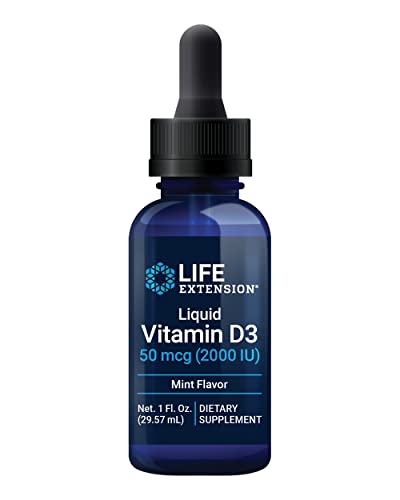
Vitamin D3: 1,000–2,000 IU/day for maintenance; higher short‑term repletion may be used under medical guidance. Upper limit (UL): 4,000 IU/day. Monitor 25(OH)D and calcium if taking higher doses or if on thiazide diuretics.
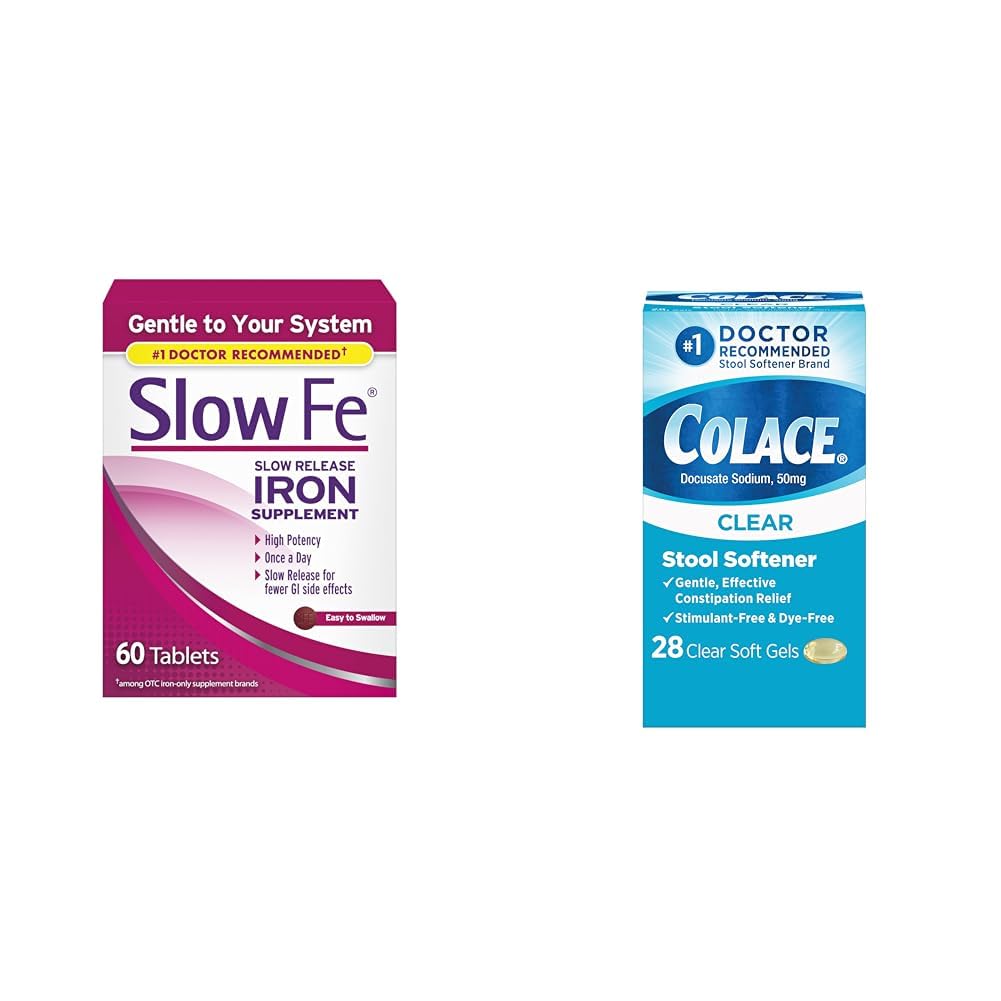
Iron: Only supplement if labs show deficiency/low ferritin. Typical therapeutic dose: 40–65 mg elemental iron daily or every other day; alternate‑day dosing can improve tolerance and absorption. UL: 45 mg/day for non‑deficient adults. Separate from thyroid meds, certain antibiotics, and calcium by at least 4 hours. Keep out of reach of children.
Zinc: 10–30 mg/day short term if low or at risk; UL: 40 mg/day. Long‑term high‑dose zinc may cause copper deficiency—consider 1–2 mg copper per 15 mg zinc if extended use is required under supervision.
Vitamin A: Aim for RDA (700–900 mcg RAE/day) and avoid chronic intakes above 3,000 mcg RAE/day from retinol supplements. Prefer food and beta‑carotene over high‑dose retinol, especially if pregnant or using isotretinoin.
Vitamin C: 200–500 mg/day can support iron absorption if ferritin is low. UL: 2,000 mg/day (higher may cause GI upset/kidney stones in susceptible people).
Vitamin E: Meeting the 15 mg/day RDA via food is preferred. If supplementing, use modest doses; UL: 1,000 mg/day (approx. 1,500 IU natural). High doses may increase bleeding risk with anticoagulants.
B12: 250–500 mcg/day or 1,000 mcg a few times weekly for vegans/older adults; safe margin is wide. Metformin and low stomach acid reduce absorption.
Folate: 400–800 mcg DFE/day from food/folic acid; UL: 1,000 mcg/day for synthetic folic acid due to risk of masking B12 deficiency. Consider testing B12 before high‑dose folate.
Special considerations
Pregnancy and planning: Use a prenatal with 400–800 mcg folic acid (or equivalent folate), 27 mg iron if indicated, and vitamin D as needed. Avoid high‑dose retinol (vitamin A) supplements.
Vegans and vegetarians: Prioritize B12 supplementation and fortified foods; mind iron and zinc (use vitamin C with plant iron and employ soaking/sprouting for legumes/grains). Vitamin D may be needed depending on sun exposure.
Older adults: B12 absorption declines with age; consider routine B12 supplementation. Vitamin D needs often increase.
Malabsorption (celiac, IBD, bariatric surgery): Work with a clinician on targeted testing and repletion; multiple deficiencies (iron, B12, folate, D, zinc) may coexist.
Medication and lab interactions to know
Biotin: Interferes with certain immunoassays (thyroid, troponin). Tell your healthcare team and consider pausing before testing as directed.
Iron and zinc: Reduce absorption of levothyroxine and some antibiotics (tetracyclines/quinolones); separate dosing by 2–4 hours.
Vitamin D: Use caution with thiazide diuretics (hypercalcemia risk); monitor levels.
Vitamin E: May potentiate effects of anticoagulants/antiplatelets; discuss with your clinician.
Vitamin A: Do not combine high‑dose retinol with isotretinoin or other retinoids.
Smart product choices (optional)
Many people find a balanced High‑Quality Multivitamin helpful for baseline coverage when diet is inconsistent—look for modest, not megadose, amounts.
If labs show low ferritin, an Every‑Other‑Day Iron Supplement can improve tolerance; pair with vitamin C or take with a vitamin C‑rich snack.
Those avoiding animal products often consider a Vegan B12 Spray for convenient maintenance.
When vitamins alone won’t fix hair loss
Common non‑nutritional causes
Androgenetic alopecia (pattern hair loss): Driven by genetics and DHT sensitivity. Vitamins won’t reverse miniaturization, though sufficiency helps overall hair quality.
Thyroid disease: Both hypo‑ and hyperthyroidism can drive shedding; treat the thyroid disorder first.
Autoimmune causes (alopecia areata): Immune attack on follicles; may respond to dermatologic therapies.
Scalp conditions: Seborrheic dermatitis, psoriasis, or tinea capitis can impair growth.
Post‑illness or postpartum telogen effluvium: Often self‑limited over months; sufficiency supports recovery.
Red flags—seek a clinician or dermatologist
Sudden, dramatic shedding after starting a new medication or illness
Patchy hair loss, scarring, pain, or significant scalp inflammation
Accompanying systemic symptoms (fever, weight change, severe fatigue), irregular or heavy menses, or signs of anemia/thyroid disorder
Persistent loss beyond 6–9 months despite correcting deficiencies
Realistic timelines
Hair grows ~1 cm per month. Even after correcting a deficiency, shedding often improves in 6–12 weeks, with visible density changes over 3–6 months and fuller effects by 9–12 months.
Complementary strategies to maximize results
Adequate protein: Aim for roughly 0.8–1.2 g/kg/day, higher if very active or recovering from illness.
Stress and sleep: Chronic stress shortens the growth phase; prioritize 7–9 hours of sleep and stress‑reduction practices (mindfulness, light exercise).
Gentle scalp/hair care: Avoid tight styles, harsh treatments, and high‑heat tools; consider periodic scalp massage to increase local blood flow.
Evidence‑based therapies: Topical minoxidil has strong evidence for several hair loss types; low‑level laser therapy and platelet‑rich plasma have supportive but variable evidence—discuss with a dermatologist.
Practical takeaways
Focus on sufficiency, not megadoses. The essential vitamins for hair growth support follicles best when a deficiency exists; routine high‑dose use adds cost and risks without clear benefit.
Prioritize food first. Build meals around protein, colorful produce, whole‑food fats, and iron/zinc‑rich choices. Use fortified foods strategically if plant‑based.
Test before you treat iron, vitamin D, B12/folate, and zinc. Partner with your clinician to check levels and tailor doses, then reassess after 8–12 weeks.
Be patient and consistent. Expect 3–6 months to notice meaningful changes as the hair cycle resets.
Use targeted supplements wisely. Modest vitamin D, B12 (for vegans/older adults), and iron/zinc when low can be helpful. For broader coverage, a well‑designed multivitamin may fill gaps.
This article is for educational purposes and should not replace personalized medical advice. Always consult a qualified healthcare professional before starting, stopping, or changing any supplement or treatment—especially if you are pregnant, have chronic conditions, or take prescription medications.
This content is for informational purposes only and does not constitute medical advice. Always consult a qualified healthcare provider before starting, stopping, or changing any supplement or medication regimen.
Top Vitamins for Skin Health: An Evidence‑Based Guide to Vitamin C, E, A, D, Biotin & More. If you’re wondering which nutrients truly nourish your skin, you’re not alone. Many people search for the top vitamins for skin health to address dryness, acne, fine lines, or uneven tone. Research suggests specific vitamins play distinct biological roles in collagen synthesis, antioxidant defense,
Essential Vitamins for Physical Performance: An Evidence‑Based Guide to Energy, Endurance & Recovery. If you train hard but still feel flat, you might wonder which essential vitamins for physical performance actually move the needle. Vitamins do not supply calories, yet they quietly power energy production, muscle contraction, tissue repair, immunity, and even focus under fatigue. This guide integra
Best Vitamins for Mood Enhancement: An Evidence‑Based Guide to Supporting Mental Wellbeing. If you’re wondering which nutrients truly make a difference for how you feel day to day, you’re not alone. The phrase “best vitamins for mood enhancement” gets searched for a reason: many of us sense that nutrition and mental wellbeing are connected, but we want clarity about what actually helps, ho
Top Vitamins for Mood Enhancement: Evidence‑Based Guide to Vitamins That Support Mood. If you’re wondering which nutrients can actually lift your spirits, you’re not alone. Many people search for the top vitamins for mood enhancement when they notice low energy, irritability, or the winter blues. Vitamins are not magic bullets, but research suggests certain ones can support neurotrans
If you’re asking what vitamins are, whether you need a multivitamin, or how to take them safely, you’re not alone. Vitamins are essential nutrients your body can’t make in sufficient amounts, and they
Natural Supplements for Brain Health: An Evidence‑Based Guide to Nootropics, Omega‑3s, and Key Vitamins. If you’re searching for natural supplements for brain health, you’re likely looking for safe, evidence‑based ways to support memory, focus, mood, or long‑term cognitive resilience. This guide reviews what research suggests works, how these supplements may act in the brain, and how to use them though