

Zinc
Overview
Zinc is an essential trace mineral required for hundreds of biological processes, including immune function, wound healing, DNA synthesis, cell division, growth, reproduction, and normal taste and smell. Because the body does not store large amounts of zinc, regular dietary intake is necessary. Food sources commonly include meat, shellfish, dairy, legumes, nuts, seeds, and fortified foods, while supplemental zinc is available in forms such as zinc gluconate, zinc citrate, and zinc picolinate.
Zinc deficiency can range from mild to severe and may be associated with impaired immunity, delayed wound healing, hair loss, reduced appetite, skin changes, altered taste or smell, and growth or developmental concerns. Risk can be higher in certain populations, including people with malabsorption disorders, chronic gastrointestinal disease, restrictive diets, alcohol use disorder, and older adults. Globally, inadequate zinc intake remains a public health concern in some regions, particularly where diets are low in bioavailable zinc.
In research and clinical discussions, zinc is most often examined in relation to immune health, the common cold, childhood diarrhea, wound repair, age-related macular degeneration formulations, and deficiency states. At the same time, excessive intake may lead to adverse effects such as nausea, gastrointestinal upset, and interference with copper absorption. This makes zinc a nutrient of considerable importance in both deficiency and excess.
From a broader integrative perspective, zinc occupies an interesting position: in conventional medicine it is viewed as a biochemically essential micronutrient, while in traditional systems it is more often understood through its effects on resilience, tissue restoration, digestion, and host defense rather than as an isolated mineral category. As with many supplements, the context of use, baseline nutritional status, and formulation all influence how zinc is interpreted across health traditions.
Medical Perspectives
Two Ways of Seeing Health

Western
scientific · clinical
Western medicine applies science, technology, and clinical experience to treat symptoms through testing, diagnosis, and targeted intervention.

Eastern
traditional · alternative
Eastern medicine focuses on treating the body naturally by applying traditional knowledge practiced for thousands of years, emphasizing balance and whole-person wellness.
Gold Bamboo presents both perspectives side-by-side so you can make informed decisions. We don't advocate for one over the other — your health choices are yours.
Western Medicine Perspective
Western Medicine Perspective
In conventional medicine, zinc is recognized as an essential nutrient with clearly defined physiological roles. It acts as a structural or catalytic component in numerous enzymes and proteins, including those involved in gene expression, antioxidant defense, and immune signaling. Laboratory assessment of zinc status can be challenging because serum or plasma zinc may not always reflect total body stores, so clinicians typically interpret levels alongside diet, symptoms, and medical history.
Research supports zinc’s established role in the prevention and correction of deficiency, and this is the area with the strongest scientific consensus. Studies also indicate that zinc may reduce the duration of some common cold symptoms when used early in certain lozenge formulations, although findings are mixed due to differences in dose, form, and product composition. Zinc is also included in specific evidence-based formulations for age-related macular degeneration, and it has recognized importance in pediatric care for diarrheal illness in global health settings where deficiency is prevalent.
At the same time, western medicine emphasizes safety and dose awareness. Excess zinc intake may cause nausea, vomiting, abdominal discomfort, headache, and reduced copper absorption, and long-term high intake may contribute to copper deficiency and related complications. Zinc can also interact with certain medications, including some antibiotics and penicillamine, which is why supplement use is generally considered within the broader clinical picture and ideally discussed with a qualified healthcare professional.
Eastern & Traditional Perspective
Eastern and Traditional Medicine Perspective
Traditional medical systems generally do not describe zinc in the modern biochemical sense, yet they often recognize the importance of substances that support vitality, tissue repair, resistance to illness, and proper digestive assimilation. In Traditional Chinese Medicine (TCM), the functional effects associated with zinc-rich nourishment may be discussed through patterns involving Wei Qi (defensive qi), Spleen and Stomach function, skin integrity, and recovery from depletion. Rather than isolating a mineral as the central concept, TCM typically evaluates whether a person shows patterns of weakness, dryness, poor healing, or recurrent susceptibility to external pathogens.
In Ayurveda, the qualities associated with zinc-containing foods or mineral preparations may be interpreted in relation to agni (digestive/metabolic fire), dhatu nourishment, immunity, and tissue rebuilding. Classical frameworks focus less on nutrient categories and more on whether the body is properly digesting, absorbing, and transforming nourishment. In that view, signs consistent with poor nutritional status might be understood through imbalance affecting digestion, assimilation, and tissue depletion.
In naturopathic and integrative traditions, zinc is often viewed as a foundational nutrient for immune resilience, skin health, reproductive health, and recovery, especially when dietary insufficiency or increased physiological demand is suspected. However, traditional and integrative systems also tend to emphasize that isolated supplementation is only one part of a larger picture that may include digestive function, overall diet quality, stress, and constitutional factors. Evidence for these broader traditional interpretations is often indirect, combining historical use with modern nutritional science rather than arising from classical zinc-specific trials.
Across eastern and traditional perspectives, zinc is therefore less often treated as a standalone remedy and more often understood as one component of restoring balance, nourishment, and resistance. Integrative care models commonly encourage individualized assessment and consultation with knowledgeable practitioners, particularly when symptoms may reflect underlying medical conditions rather than simple nutrient insufficiency.
Related Topics
Acne
Acne — condition topic in the Gold Bamboo health ontology.
How They Relate
Acne & Zinc
Acne is an inflammatory skin condition involving clogged pores, overgrowth of Cutibacterium acnes, excess sebum, and dysregulated wound healing. Zinc is an essential mineral with roles in immune mo...
Supplements & Products
Recommended Products
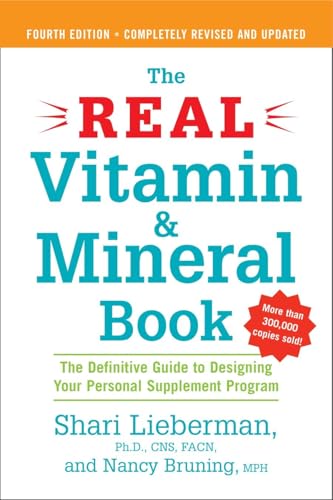
The Real Vitamin and Mineral Book, 4th edition: The Definitive Guide to Designing Your Personal Supplement Program: Lieberman, Shari, Bruning, Nancy Pauling
The Real Vitamin and Mineral Book, 4th edition: <strong>The Definitive Guide to Designing Your Personal Supplement Program</strong> [Lieberman, Shari, Bruning, Nancy Pauling] on Amazon.com. *FREE* shi
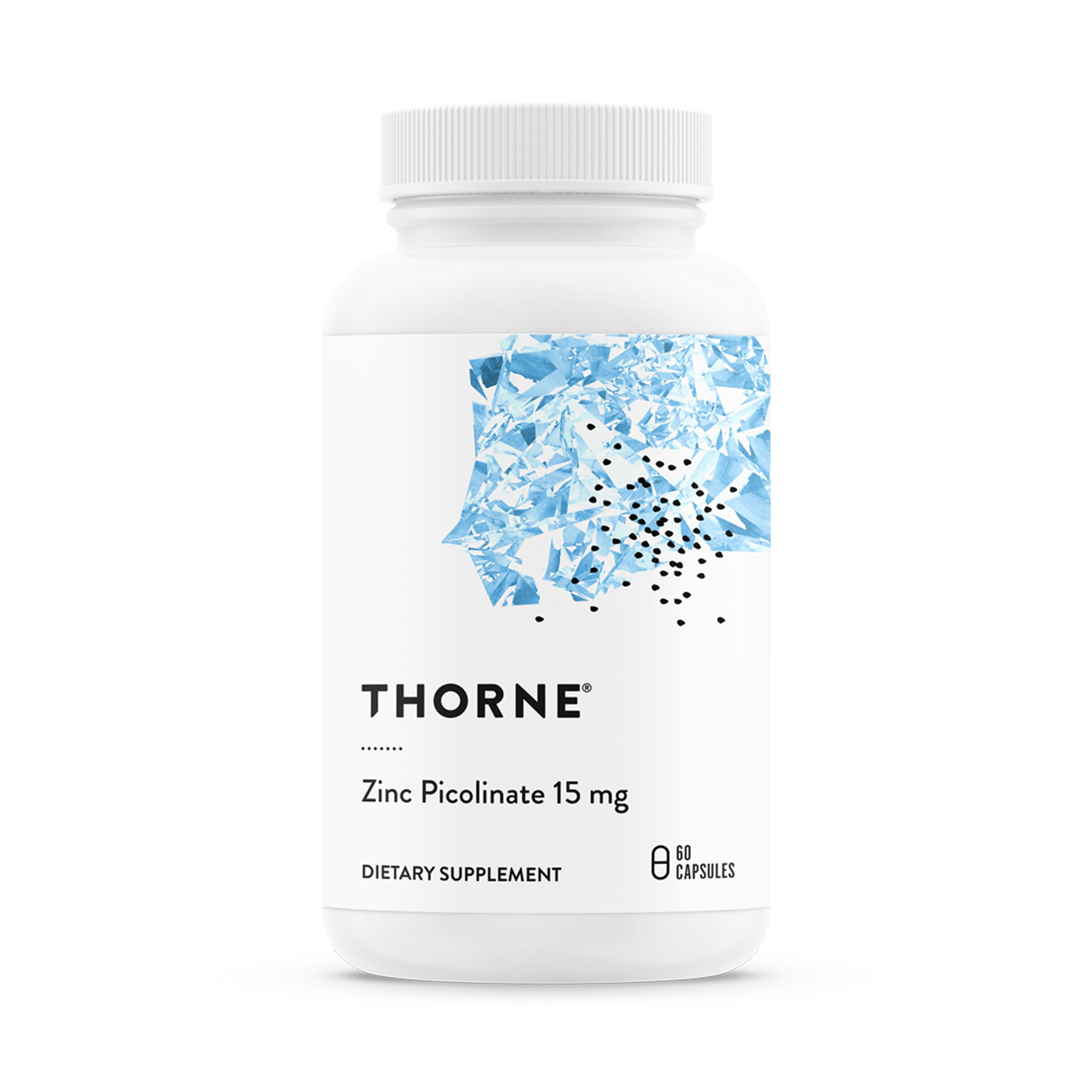
THORNE - Zinc Picolinate 15 mg - Highly Absorbable Zinc Supplement - Supports Immune System, Eye, Skin & Reproductive Health* - Third-Party Certified - Gluten, Dairy & Soy-Free - 60 Capsules : Everything Else
Buy THORNE - Zinc Picolinate 15 mg - Highly Absorbable Zinc Supplement - <strong>Supports Immune System, Eye, Skin & Reproductive Health</strong>* - Third-Party Certified - Gluten, Dairy & Soy

Jarrow Formulas Zinc Balance 15 mg - 100 Servings (Veggie Caps) - Zinc with Copper - Essential Minerals for Immune System Support - Immune Support Supplement - Gluten Free Copper Supplement, Vegan
Jarrow Formulas Zinc Balance <strong>combines Zinc L-Methionine and Copper Gluconate in a 15:1 ratio</strong>. This blend is specially formulated to provide a 15:1 copper-zinc ratio. Each serving of Z
Evidence & Sources
Supported by multiple clinical trials and systematic reviews
- National Institutes of Health Office of Dietary Supplements — Zinc Fact Sheet for Health Professionals
- World Health Organization (WHO) — Zinc supplementation guidance in child health
- Cochrane Database of Systematic Reviews — Zinc for the common cold
- JAMA Ophthalmology / Age-Related Eye Disease Study (AREDS) Research Group
- NCCIH (National Center for Complementary and Integrative Health) — Zinc
- The American Journal of Clinical Nutrition
- Nutrients
- StatPearls / NCBI Bookshelf — Zinc Deficiency
This content is for informational purposes only and does not constitute medical advice. Always consult a qualified healthcare provider before starting, stopping, or changing any supplement or medication regimen.