

Iron
Overview
Iron is an essential mineral involved in some of the body’s most fundamental processes, especially oxygen transport, energy production, cellular growth, and neurological development. Most of the body’s iron is incorporated into hemoglobin in red blood cells and myoglobin in muscle, where it helps bind and move oxygen. Iron also functions as a cofactor in numerous enzymes involved in mitochondrial activity, DNA synthesis, immune function, and neurotransmitter production. Because humans do not actively excrete iron in large amounts, iron balance depends primarily on dietary intake, absorption, storage, and physiologic losses.
Iron status exists on a spectrum. At one end is iron sufficiency, where stores and circulating iron are adequate for metabolic needs. At the other are iron deficiency without anemia and iron deficiency anemia, both of which may be associated with fatigue, reduced exercise tolerance, weakness, impaired concentration, pallor, shortness of breath, restless legs symptoms, and, in children, developmental concerns. Iron deficiency is among the most common nutrient deficiencies worldwide, particularly affecting infants, children, adolescents, pregnant individuals, and people with menstrual blood loss. Risk may also be increased by gastrointestinal disorders, low dietary intake, frequent blood donation, certain endurance activities, or impaired absorption.
At the same time, iron is not a universally beneficial supplement. Excess iron can be harmful, especially in people with hereditary iron overload conditions or in those taking iron when deficiency is not present. High body iron stores may contribute to tissue injury through oxidative stress, and acute overdose is a recognized medical emergency. For that reason, iron is generally viewed as a nutrient that is most appropriate when a true need has been identified, often through laboratory assessment such as hemoglobin, ferritin, transferrin saturation, and related measures interpreted in clinical context.
From a public health perspective, iron occupies a unique place among supplements because it is both essential and potentially risky if misused. Research strongly supports the role of iron in preventing and correcting deficiency states, yet interpretation can be complex because markers such as ferritin may be influenced by inflammation, infection, liver disease, or chronic illness. The broader significance of iron therefore lies not only in its biological importance, but also in the need for careful, individualized evaluation when symptoms or laboratory abnormalities raise concern.
Medical Perspectives
Two Ways of Seeing Health

Western
scientific · clinical
Western medicine applies science, technology, and clinical experience to treat symptoms through testing, diagnosis, and targeted intervention.

Eastern
traditional · alternative
Eastern medicine focuses on treating the body naturally by applying traditional knowledge practiced for thousands of years, emphasizing balance and whole-person wellness.
Gold Bamboo presents both perspectives side-by-side so you can make informed decisions. We don't advocate for one over the other — your health choices are yours.
Western Medicine Perspective
Western / Conventional Medicine Perspective
In conventional medicine, iron is understood primarily through its role in hematology, metabolism, and systemic physiology. Clinicians evaluate iron status when symptoms such as fatigue, pallor, reduced stamina, hair shedding, pica, or cognitive changes are present, or when risk factors suggest deficiency. Laboratory assessment often includes complete blood count, serum ferritin, transferrin saturation, serum iron, and total iron-binding capacity, with interpretation shaped by age, sex, pregnancy status, inflammatory markers, and underlying health conditions. Ferritin is commonly used as a marker of iron stores, though it is also an acute-phase reactant and may appear elevated in inflammation.
Research consistently indicates that iron supplementation can restore iron stores and improve hematologic measures in people with confirmed deficiency, particularly in iron deficiency anemia. Conventional care also emphasizes identifying the underlying cause of iron depletion, which may include menstrual blood loss, pregnancy, gastrointestinal bleeding, malabsorption syndromes, inflammatory bowel disease, bariatric surgery, chronic kidney disease, or inadequate intake. In infants and pregnancy, iron status is treated as especially important because deficiency may affect growth, neurodevelopment, and maternal-fetal health outcomes.
Conventional medicine also recognizes that iron therapy is not interchangeable across all contexts. Oral iron is commonly used in many deficiency states, while intravenous iron may be considered in settings such as severe deficiency, intolerance to oral preparations, ongoing blood loss, poor absorption, or certain chronic diseases. However, the decision-making framework is based on diagnosis, severity, etiology, and safety rather than the generalized use of iron as a wellness supplement. Monitoring is important because excessive supplementation may lead to gastrointestinal adverse effects, constipation, nausea, and in some settings iron overload.
A key principle in western medicine is that iron deficiency is a diagnosis to investigate, not just a number to correct. Blood loss, especially from the gastrointestinal tract in adults, can signal clinically important disease. Similarly, iron overload may point to hereditary hemochromatosis or repeated transfusions. As a result, conventional medicine approaches iron with strong evidence for benefit in deficiency, but with equal emphasis on diagnostic clarity and medical supervision.
Eastern & Traditional Perspective
Eastern / Traditional Medicine Perspective
In Traditional Chinese Medicine (TCM), iron is not historically framed as an isolated mineral in the modern biochemical sense, but symptoms associated with low iron status are often interpreted through patterns such as Blood deficiency, Spleen Qi deficiency, or Liver Blood deficiency. These patterns may be associated with fatigue, dizziness, pale complexion, palpitations, poor concentration, scant menstruation, insomnia, or brittle nails. Rather than focusing on a single nutrient, TCM traditionally considers the broader functional relationships involved in the production and nourishment of Blood, including digestion, assimilation, vitality, and the quality of the diet.
TCM approaches commonly emphasize food therapy, digestive support, and constitutional balance. Iron-rich foods may be viewed alongside foods and herbs traditionally used to “nourish Blood” and support the Spleen and Liver systems. In this framework, symptoms resembling iron deficiency may be understood as reflecting impaired transformation of food into usable nourishment, excessive blood loss, overwork, or postpartum depletion. Modern integrative practitioners may combine conventional laboratory testing with traditional pattern differentiation to better understand whether low iron markers coexist with broader constitutional imbalances.
In Ayurveda, manifestations consistent with iron deficiency may be discussed in relation to Pandu and to disturbances in tissue nourishment, digestion, and vitality. Traditional interpretation often considers the strength of agni (digestive fire), the quality of the blood tissue (rakta dhatu), and patterns of depletion or poor assimilation. Classical and contemporary Ayurvedic practice may include iron-containing preparations, botanicals, and dietary strategies, but these are typically used within a larger framework that addresses digestion, menstrual health, and overall tissue rebuilding rather than iron alone.
In naturopathy and other traditional or integrative systems, iron is often approached through the concept of root-cause assessment: nutritional sufficiency, digestive integrity, menstrual patterns, inflammatory burden, and absorption capacity. Across these traditions, the recurring theme is that low vitality associated with iron deficiency is not seen solely as a laboratory issue, but as part of a wider pattern involving nourishment, resilience, and constitutional balance. At the same time, responsible integrative care generally acknowledges the importance of modern testing and clinician oversight, especially because symptoms of deficiency and excess can overlap with other medical conditions.
Related Topics
Restless Legs Syndrome
Restless Legs Syndrome — condition topic in the Gold Bamboo health ontology.
How They Relate
Restless Legs Syndrome (RLS) & Iron
Restless Legs Syndrome (RLS) is a neurological condition marked by an urge to move the legs, typically worsening at night and disrupting sleep. Iron—a mineral essential for oxygen transport and dop...
Supplements & Products
Recommended Products
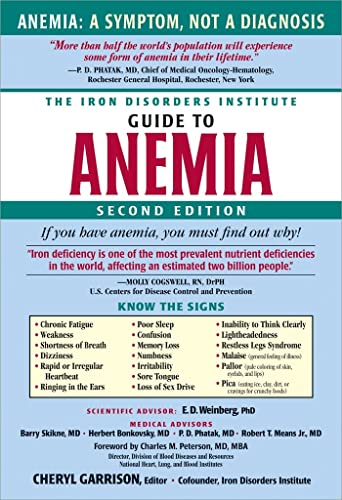
The Iron Disorders Institute Guide to Anemia: Understanding the Causes, Symptoms, and Healing of Iron Deficiency and Other Anemias: Garrison, Cheryl
Cheryl D. Garrison ... <strong>Unravel the mysteries behind anemia's diverse forms, from iron deficiency anemia to hemolytic and aplastic anemia, and gain a deep understanding of their underlying
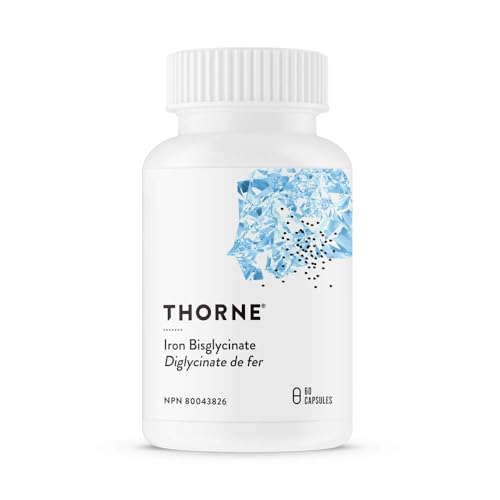
THORNE - Iron Bisglycinate - 25 mg Iron Supplement for Enhanced Absorption Without Gastrointestinal Side Effects* - NSF Certified for Sport - Gluten-Free - 60 Servings
One Capsule Contains: Iron (as Ferrochel Ferrous Bisglycinate Chelate)* 25 mg.

Floradix Iron & Herbs - Liquid Herbal Supplement for Energy Support - Iron Supplement with Vitamin C & Vitamin B Complex - for Men & Women - 16.9 fl oz
Vegetarian Iron Supplement: Floradix Iron & Herbs is <strong>a plant-based herbal blend with added iron in liquid form to support iron supplement absorption</strong>*
Evidence & Sources
Supported by multiple clinical trials and systematic reviews
- National Institutes of Health Office of Dietary Supplements: Iron Fact Sheet for Health Professionals
- World Health Organization (WHO) guideline and anemia resources
- National Institute for Health and Care Excellence (NICE) guidance on anemia and iron deficiency
- Centers for Disease Control and Prevention (CDC) materials on iron deficiency
- The Lancet Haematology
- Blood
- American Journal of Clinical Nutrition
- British Journal of Haematology
This content is for informational purposes only and does not constitute medical advice. Always consult a qualified healthcare provider before starting, stopping, or changing any supplement or medication regimen.