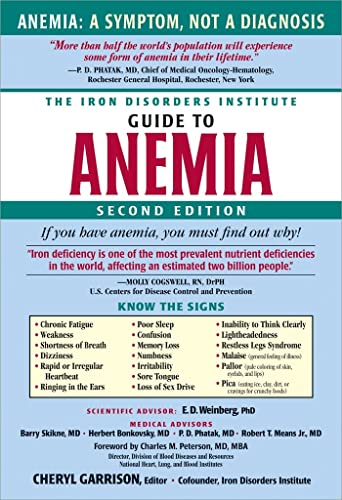
Low Ferritin, Normal Hemoglobin? The Hidden Iron Gap Behind Fatigue
Ferritin can reveal iron deficiency even when hemoglobin is normal. Learn how low ferritin relates to fatigue, brain fog, and restless legs; who may benefit from testing; and how diet, cooking methods, and traditional practices fit in—plus why iron overload risk means testing matters.
·7 min read
This content is for informational purposes only and does not constitute medical advice. Always consult a qualified healthcare provider before starting, stopping, or changing any supplement or medication regimen.
Why You Can Feel Iron-Deficient Without “Anemia”
If you feel persistently tired, unfocused, or plagued by restless legs but your blood count looks “normal,” iron could still be part of the story. Research suggests many people experience symptoms of iron deficiency before hemoglobin (Hb) drops into the anemic range. In these cases, ferritin—the protein that stores iron—often provides a clearer picture of iron status than hemoglobin alone. [Evidence: strong]
• Hemoglobin can remain normal until late stages of iron depletion, because the body prioritizes red blood cell production over other iron-dependent functions (Camaschella, N Engl J Med, 2015; WHO guidance on iron assessment, 2020). [Evidence: strong]
Non-anemic iron deficiency (NAID) refers to low iron stores with a normal hemoglobin. Multiple symptoms attributed to NAID overlap with everyday complaints, which is why they are often missed or attributed to stress or poor sleep.
• Daytime fatigue and reduced energy: Randomized trials in non-anemic, menstruating women with low ferritin report improved fatigue scores after iron treatment compared with placebo (Verdon et al., BMJ, 2003; Vaucher et al., CMAJ, 2012). [Evidence: moderate]
• Brain fog and cognitive inefficiency: Iron is essential for neurotransmitter synthesis and myelination. Trials in iron-deficient but non-anemic women have shown improvements in attention, memory, and cognitive performance following iron repletion (Murray-Kolb & Beard, Am J Clin Nutr, 2007). [Evidence: moderate]
• Restless legs syndrome (RLS): Low brain iron and low ferritin are associated with RLS severity. A Cochrane review concluded that iron therapy may improve RLS symptoms in selected adults (Cochrane Review, 2019). [Evidence: moderate]
• Reduced exercise tolerance: Iron influences mitochondrial enzymes and oxygen delivery. Observational research in athletes links lower ferritin with decreased performance metrics even without anemia (Peeling et al., Int J Sport Nutr Exerc Metab, 2007). [Evidence: emerging]
These findings do not prove iron is the sole cause of symptoms, but they suggest iron status is a plausible and modifiable factor for some individuals.
Ferritin: A More Sensitive Early Marker
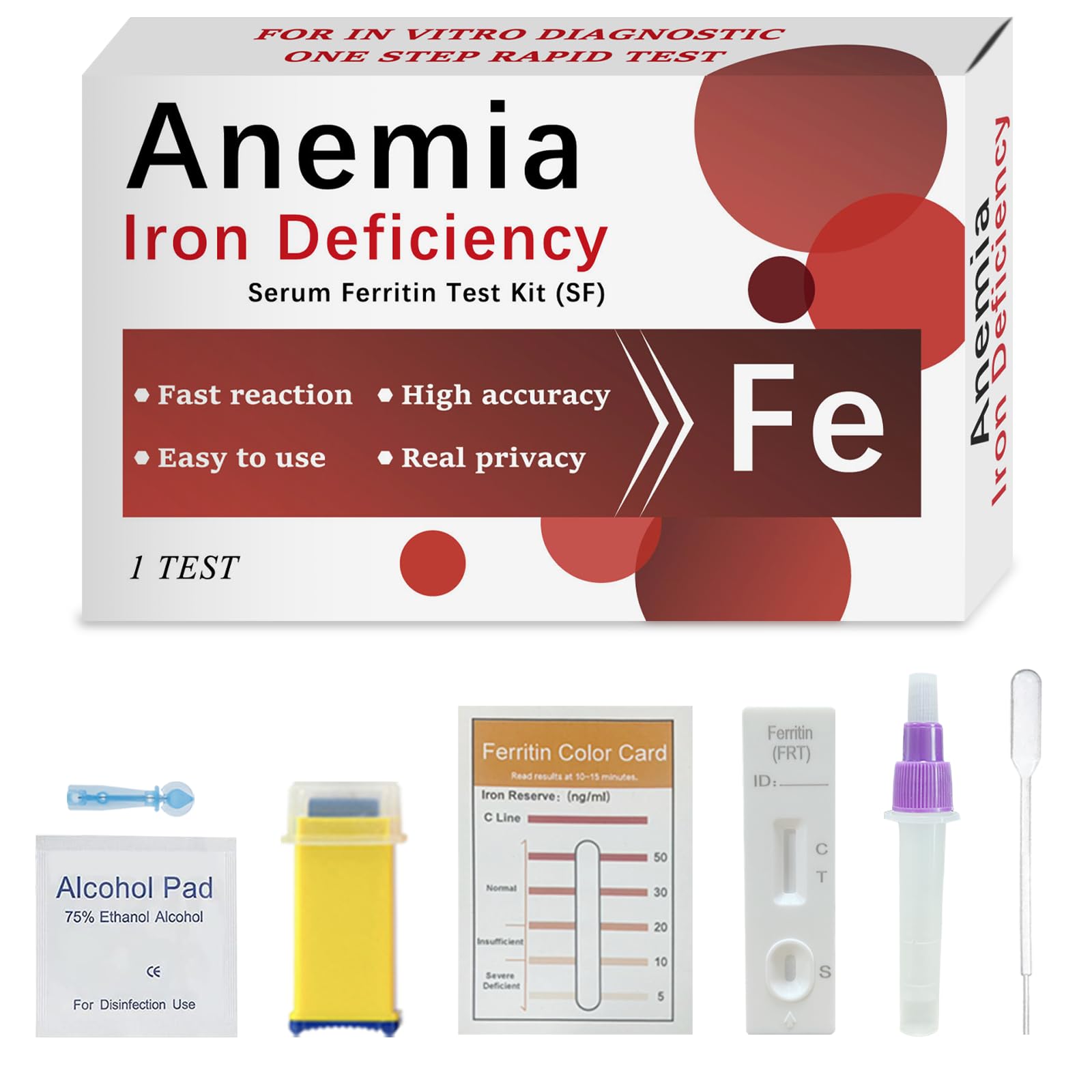
Ferritin often drops first as stores decline, while hemoglobin may not budge until later. Research commonly defines low ferritin as below about 30 µg/L in otherwise healthy adults, with higher cutoffs sometimes used in the context of inflammation where ferritin may run artificially higher (Camaschella, 2015; British and international guideline summaries). [Evidence: strong]
Additional markers can sharpen the picture when ferritin is borderline or inflammation is suspected:
• Transferrin saturation (TSAT) reflects how much iron is bound to its transport protein; low TSAT suggests inadequate circulating iron. [Evidence: strong]
• Soluble transferrin receptor (sTfR) tends to rise when tissues are iron-hungry and is less affected by inflammation (Camaschella, 2015). [Evidence: strong]
Taken together—with clinical context—these measures can suggest iron deficiency even when hemoglobin is normal. Testing strategies should be individualized by a clinician based on symptoms, diet, inflammation, and medical history. [Evidence: strong]
Who Might Consider Ferritin Testing
Research suggests ferritin testing may be informative in people who experience fatigue or related symptoms and who also have one or more of the following risk contexts:
• Heme iron (from animal sources like meat and fish) is generally absorbed more efficiently than non-heme iron (from plants), with less sensitivity to meal composition (Hallberg et al., Am J Clin Nutr, 1997). [Evidence: strong]
• Non-heme iron absorption can be enhanced by vitamin C–rich foods (citrus, berries, peppers) and inhibited by phytates (whole grains/legumes), calcium, and polyphenols (tea/coffee) when consumed together (Hurrell & Egli, Int J Vitam Nutr Res, 2010). [Evidence: strong]
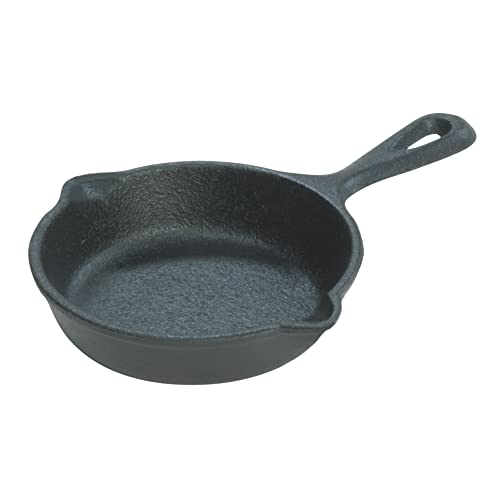
• Cooking in cast iron cookware can increase the iron content of acidic and moist foods; community trials have associated iron cookware with improved iron status over time (Adish et al., randomized field trial in Ethiopia; Geerligs et al., Food Nutr Bull, 2003). Effects vary by recipe and cooking frequency. [Evidence: moderate]
Practical implication: Food choices and preparation methods may help nudge iron status, especially for those relying on non-heme sources. [Evidence: strong]
A Note on Traditional Approaches
Traditional medical systems have long addressed “weak blood” or fatigue states with iron-rich foods and preparations.
• Ayurveda describes Loha Bhasma (calcined iron preparations) for conditions like Pandu (classically aligned with anemia-like states). Contemporary laboratory studies have characterized particle size and some safety parameters, and small clinical studies suggest potential benefits in anemia; however, modern randomized trials are limited and quality control is variable across products (Garg & Chaudhary, AYU, 2010; scattered small RCTs). Care is warranted due to risks of contamination and inconsistent dosing. [Evidence: traditional/emerging]
• East Asian cuisines traditionally pair iron-rich foods with vitamin C–containing vegetables and use iron cookware—practices that may support absorption. [Evidence: traditional]
These perspectives can complement modern nutrition strategies, provided quality and safety are prioritized.
Safety: Iron Overload Is Real
More is not always better. While deficiency is common, iron overload can harm the liver, heart, and endocrine organs.
• Hereditary hemochromatosis, more prevalent in people of Northern European ancestry, leads to excessive iron absorption. Persistently high ferritin with elevated TSAT may suggest overload and warrants medical evaluation (Bacon et al., Hepatology, 2011). [Evidence: strong]
• Ferritin can rise in inflammatory states, infections, or liver disease without true iron overload. Interpretation benefits from a full clinical picture rather than a single number. [Evidence: strong]
Because of these nuances, research and clinical guidelines emphasize confirming iron status with appropriate tests before initiating any iron-specific strategy. [Evidence: strong]
What This Means for You
If fatigue, brain fog, or restless legs persist despite “normal blood counts,” research suggests asking whether ferritin and related iron markers have been assessed. For many, especially those with risk factors like heavy menstrual losses, endurance training, or frequent blood donation, ferritin can reveal a hidden iron gap that hemoglobin alone can miss. From there, a food-first plan—emphasizing bioavailable sources, vitamin C pairing, mindful use of tea/coffee away from iron-rich meals, and even cast iron cookware—may help support healthy iron status, with clinician guidance where needed. [Evidence: strong]
Bottom Line
• Hemoglobin can be normal even when iron stores are low; ferritin is often a more sensitive early marker of deficiency. [Evidence: strong]
• Non-anemic iron deficiency is linked with fatigue, cognitive inefficiency, and restless legs; several randomized trials and reviews suggest symptoms may improve when iron status is corrected. [Evidence: moderate]
• Diet and preparation matter: heme iron absorbs more readily; vitamin C enhances non-heme absorption; tea/coffee and calcium can inhibit; cast iron cookware may modestly increase iron in foods. [Evidence: strong/moderate]
• Traditional practices, including Ayurvedic Loha Bhasma, reflect long-standing use of iron, but modern clinical evidence and product quality control are limited; caution is advised. [Evidence: traditional/emerging]
• Because iron overload is possible—and ferritin rises in inflammation—testing and interpretation in context are important before acting on iron status. [Evidence: strong]
This content is for informational purposes only and does not constitute medical advice. Always consult a qualified healthcare provider before starting, stopping, or changing any supplement or medication regimen.
# Iron Deficiency Without Anemia: Fatigue, Ferritin, and Finding Balance
Iron is best known for preventing anemia, yet research suggests many people experience iron-related symptoms well before hemog
Iron Deficiency Anemia. . ## Overview
**Iron deficiency anemia (IDA)** is a common form of anemia that occurs when the body does not have enough iron to produce adequate amounts of hemoglobin, the oxygen-carrying component of red blood cells. As iron stores decline, red blood cell production becomes impaired, and tissues ma
Ferritin Test. Iron Storage Test, Serum Ferritin Test. ## Overview
A **ferritin test** is a laboratory blood test that measures the concentration of **ferritin**, a protein that stores iron inside cells and releases it when the body needs it. Because ferritin reflects, to a significant extent, the body’s **iron reserves**, the test is widely used when
Iron Supplements and Restless Legs Syndrome (RLS). Restless legs syndrome (RLS) is a neurological sensorimotor disorder marked by an urge to move the legs, often with uncomfortable sensations that worsen at night and disrupt sleep. A central, evidence-supported thread connecting RLS to iron metabolism is that many people with RLS have low iron in th
Iron Panel. Iron Studies, Serum Iron Test. ## Overview
An **iron panel** is a group of laboratory tests used to evaluate how iron is being carried, stored, and used in the body. It is commonly ordered when clinicians are assessing possible **iron deficiency**, **iron overload**, unexplained fatigue, certain types of anemia, chronic inflammat