

Iron Supplements and Restless Legs Syndrome (RLS)
Restless legs syndrome (RLS) is a neurological sensorimotor disorder marked by an urge to move the legs, often with uncomfortable sensations that worsen at night and disrupt sleep. A central, evidence-supported thread connecting RLS to iron metabolism is that many people with RLS have low iron in the brain’s dopaminergic pathways—even when standard blood counts are normal. Iron is a cofactor for tyrosine hydroxylase, the enzyme that helps synthesize dopamine; low brain iron can impair dopamine signaling and promote RLS symptoms. Clinically, serum ferritin and transferrin saturation (TSAT) are practical biomarkers to assess systemic iron status, while brain iron can be inferred indirectly with MRI in research or, more commonly, suspected when symptoms persist despite borderline-normal ferritin. In RLS care, many guidelines call for assessing ferritin, TSAT, and hemoglobin, and considering inflammatory markers (such as CRP) that may mask iron deficiency. Evidence suggests that iron repletion can reduce RLS severity, particularly when ferritin is low or TSAT is reduced. A Cochrane review and multiple randomized trials report that both oral and intravenous (IV) iron outperform placebo for symptom reduction, with moderate effect sizes. Oral iron tends to help over weeks to a few months when iron deficiency is documented; IV iron (such as ferric carboxymaltose, iron sucrose, or ferric derisomaltose) may produce faster and sometimes larger improvements in moderate-to-severe RLS with low ferritin or after inadequate response or intolerance to oral therapy. Patients with ferritin below widely used guideline thresholds and TSAT under about 20% appear more likely to benefit; people with pregnancy-related RLS and those with chronic kidney disease (CKD) are notable subgroups in which iron assessment and therapy may be particularly relevant. Practical considerations include choosing among common oral formulations (for example, ferrous salts, polysaccharide complexes, or heme-s
Updated September 8, 2026This content is for informational purposes only and does not constitute medical advice. Always consult a qualified healthcare provider before starting, stopping, or changing any supplement or medication regimen.
Medical Perspectives
Two Ways of Seeing Health

Western
scientific · clinical
Western medicine applies science, technology, and clinical experience to treat symptoms through testing, diagnosis, and targeted intervention.
Surgeons · Pharmaceuticals · Clinical trials · Diagnostics 
Eastern
traditional · alternative
Eastern medicine focuses on treating the body naturally by applying traditional knowledge practiced for thousands of years, emphasizing balance and whole-person wellness.
Acupuncture · Herbal medicine · Yoga · Meditation
Gold Bamboo presents both perspectives side-by-side so you can make informed decisions. We don't advocate for one over the other — your health choices are yours.
Two Ways of Seeing Health
Western
scientific · clinical
Western medicine applies science, technology, and clinical experience to treat symptoms through testing, diagnosis, and targeted intervention.
Eastern
traditional · alternative
Eastern medicine focuses on treating the body naturally by applying traditional knowledge practiced for thousands of years, emphasizing balance and whole-person wellness.
Gold Bamboo presents both perspectives side-by-side so you can make informed decisions. We don't advocate for one over the other — your health choices are yours.
Western Perspective
Western medicine views RLS as a neurological disorder closely tied to iron homeostasis and dopamine signaling. Brain iron deficiency—despite normal hemoglobin in many patients—appears central. Measuring ferritin and transferrin saturation (TSAT) informs systemic iron status and helps select candidates for iron therapy. Randomized trials and guidelines support oral or IV iron in appropriately selected patients.
Key Insights
- Brain iron deficiency affects dopaminergic pathways implicated in RLS; CSF ferritin and MRI studies support reduced brain iron independent of anemia (strong).
- Serum ferritin and TSAT are key screening biomarkers; inflammatory states can raise ferritin and mask deficiency, so CRP can help interpret borderline ferritin (moderate).
- Oral iron can reduce symptom severity in iron-deficient RLS, though responses are variable and slower than IV (moderate).
- IV iron (e.g., ferric carboxymaltose, iron sucrose, ferric derisomaltose) shows clinically meaningful benefits in moderate-to-severe RLS with low iron indices, often within 2–4 weeks (strong).
- Medication interactions matter: oral iron chelates levodopa and certain antibiotics/thyroxine; dosing separation strategies are used clinically (strong).
Treatments
- Oral iron repletion when ferritin and/or TSAT are low
- IV iron for intolerance/nonresponse or more severe disease with low iron indices
- Alpha-2-delta ligands (gabapentin, pregabalin) for symptomatic control
- Dopamine agonists (e.g., pramipexole, ropinirole) with monitoring for augmentation
- Address contributors: pregnancy-related deficiency, CKD-related deficiency, or GI blood loss
Deep Dive
From a western clinical lens, restless legs syndrome (RLS) emerges from a convergence of altered sensory processing, circadian biology, and neur... From a western clinical lens, restless legs syndrome (RLS) emerges from a convergence of altered sensory processing, circadian biology, and neurotransmission involving dopamine. Iron sits at the center of this web. Iron is essential for tyrosine hydroxylase, the rate-limiting enzyme in dopamine synthesis, and for normal function of dopaminergic neurons. Multiple lines of evidence show reduced iron within the central nervous system of people with RLS: decreased cerebrospinal fluid ferritin, postmortem findings of low iron in the substantia nigra, and MRI indicators of diminished brain iron—often despite normal hemoglobin. This “brain iron deficiency” concept helps explain why RLS can occur without overt anemia and why systemic markers only partially predict who benefits from iron. In practice, clinicians frequently measure serum ferritin and transferrin saturation (TSAT) to gauge iron availability, with C-reactive protein to contextualize ferritin when inflammation is present. When ferritin is low or TSAT reduced, iron repletion becomes a disease-modifying strategy. A Cochrane review and guideline syntheses conclude that iron therapy probably reduces RLS severity versus placebo. Oral iron is typically considered for documented deficiency; responses accumulate over weeks to a few months. Intravenous (IV) iron—such as ferric carboxymaltose, iron sucrose, or ferric derisomaltose—can produce clinically meaningful improvements within 2–4 weeks in moderate-to-severe cases with low iron indices, and is favored when oral therapy is not tolerated or ineffective. Trials commonly report moderate effect sizes on validated scales (e.g., IRLS), with some patients achieving marked relief. Safety and pharmacology matter. Oral iron often causes gastrointestinal discomfort and interacts with several drugs via chelation, including levodopa, thyroid hormone, certain antibiotics, and bisphosphonates. IV iron is generally well tolerated but can provoke infusion reactions; ferric carboxymaltose carries a recognized risk of hypophosphatemia, especially with repeated courses, prompting consideration of phosphate monitoring in at-risk patients. Iron overload disorders (e.g., hemochromatosis) and unexplained anemia not due to iron deficiency are important contraindications. Clinically, reassessing ferritin/TSAT after repletion helps balance benefit with safety. Iron therapy also interacts with broader RLS management: effective repletion may reduce the need for dopaminergic agents and the risk of augmentation, while alpha-2-delta ligands remain useful for persistent symptoms.
Sources
- Winkelman JW et al. AASM Clinical Practice Guideline for RLS/PLMD, 2021
- Winkelman JW et al. AAN Guideline: Treatment of RLS in adults, 2016
- Trotti L et al. Cochrane Review: Iron for the treatment of RLS, 2019
- Allen RP et al. Brain iron deficiency in RLS: pathophysiology review, Sleep Med Rev, 2013
- Connor JR et al. Brain iron and dopaminergic alterations in RLS, Brain/Neurology studies
Eastern Perspective
Traditional systems tend to frame RLS-like symptoms within patterns of imbalance. In Traditional Chinese Medicine (TCM), leg restlessness and nocturnal aggravation may reflect Blood deficiency with Liver Wind or Yin deficiency leading to internal agitation. In Ayurveda, RLS-like sensations align with Vata aggravation—dryness, movement, and disturbance—often coexisting with depleted Ojas or anemia (Pandu). Iron-containing preparations have long histories in these traditions, aimed at nourishing blood/essence and calming the nervous system. While modern RLS-specific trials are limited, integrative approaches often combine gentle iron repletion (when indicated) with sleep- and stress-balancing modalities.
Key Insights
- TCM attributes leg restlessness to insufficiency of Blood and Yin failing to anchor the Spirit; patterns may include Liver Blood deficiency and Wind (traditional).
- Ayurveda links RLS-like symptoms to aggravated Vata and depleted dhatus; addressing digestion (Agni) and iron-poor diets is emphasized (traditional).
- Herbal blood tonics (e.g., Dang Gui-based formulas in TCM) and Rasayana or Vata-pacifying herbs (e.g., Ashwagandha) are used to support sleep and calm the nervous system (traditional/emerging).
- Dietary strategies to improve iron bioavailability (pairing iron-rich foods with vitamin C; spacing from tea/coffee) align with both traditional dietetics and modern absorption science (emerging).
Treatments
- Dietary iron from heme and plant sources with absorption support (vitamin C–rich foods)
- TCM Blood-tonifying formulas individualized by a practitioner
- Ayurvedic approaches addressing Vata (abhyanga oil massage, warm routines) and anemia care under supervision
- Mind–body practices (yoga nidra, breathing practices) to reduce arousal at night
Deep Dive
Traditional frameworks approach RLS-like presentations through patterns of deficiency and agitation. In Traditional Chinese Medicine, nighttime ... Traditional frameworks approach RLS-like presentations through patterns of deficiency and agitation. In Traditional Chinese Medicine, nighttime leg restlessness with a compelling urge to move often points to insufficiency of Blood and Yin failing to anchor the Spirit (Shen), permitting internal Wind to stir the sinews. This model aligns intuitively with modern observations that iron (a key constituent of Blood) may be inadequate in critical neural circuits. Treatment focuses on nourishing Blood and calming Wind—dietary emphasis on iron-rich foods cooked with warming spices; individualized herbal formulas that tonify Blood (e.g., Angelica sinensis–centered combinations); and acupuncture channels that soothe the Liver and settle the legs. Sleep hygiene and stress reduction complement these measures, recognizing that agitation worsens at night. Ayurveda frames similar symptoms as Vata aggravation—an excess of movement, dryness, and variability—sometimes coexisting with Pandu (a pattern akin to anemia) or depleted Ojas. Management aims to pacify Vata and rebuild tissues: warm oil massage (abhyanga), regular schedules, grounding nutrition, and Rasayana herbs to support resilience. Iron-containing preparations (loha-based) exist within Ayurveda, but modern integrative care emphasizes careful coordination with laboratory assessment and biomedical iron options to avoid excess. Both traditions underscore digestion and assimilation: pairing iron-rich foods with vitamin C–containing fruits and spacing tea/coffee away from iron sources enhances bioavailability, a principle echoed by contemporary nutrition science. Evidence specific to RLS within these traditional modalities remains limited, so an integrative plan often pairs guideline-based iron repletion (when biomarkers indicate) with nonpharmacologic supports—acupuncture, relaxation breathing, or gentle yoga nidra—to ease nocturnal arousal. This respectful, combined approach honors the traditional insight that nourishing deficiency and calming the nervous system relieve restlessness, while using modern diagnostics to guide safe iron restoration. Collaboration among conventional clinicians and trained TCM/Ayurvedic practitioners can personalize care and monitor for safety, especially in pregnancy, CKD, or the elderly.
Sources
- Flaws B. The Treatment of Modern Western Medical Diseases with Chinese Medicine
- Lad VD. Ayurveda: The Science of Self-Healing
- NCCIH resources on mind–body practices and sleep
- Integrative reviews linking diet, iron bioavailability, and sleep quality
Evidence Ratings
IV iron improves RLS severity within weeks in patients with low ferritin/TSAT compared with placebo.
Trotti L et al. Cochrane Review: Iron for the treatment of RLS, 2019; AASM 2021 guideline
Oral iron provides modest symptom improvement in iron-deficient RLS, with slower onset than IV iron.
AAN 2016 guideline; small randomized trials of oral ferrous salts in RLS
RLS is associated with reduced brain iron in dopaminergic regions independent of anemia.
Allen RP et al. Sleep Med Rev, 2013; Connor JR et al. Brain/Neurology imaging and CSF studies
Patients with lower baseline ferritin and TSAT are more likely to respond to iron therapy.
IRLSSG management algorithm; RCT subgroup and observational analyses
Ferric carboxymaltose can cause hypophosphatemia via FGF23 elevation, especially with repeated dosing.
Wolf M et al. J Clin Endocrinol Metab/NEJM analyses on FCM-associated hypophosphatemia
Oral iron reduces absorption of levodopa and several medications through chelation.
Lexicomp/Micromedex drug interaction monographs; product labeling
Pregnancy-related RLS is linked to iron deficiency, and correcting deficiency can reduce symptoms.
Reviews on RLS in pregnancy; AASM 2021 guidance
In CKD, assessing iron status is important in RLS, and IV iron may help selected patients.
AASM 2021 guideline; nephrology literature on CKD, iron, and RLS
Sources
- Winkelman JW, et al. American Academy of Sleep Medicine Clinical Practice Guideline for Treatment of RLS/PLMD. J Clin Sleep Med. 2021.
- Winkelman JW, et al. Practice guideline summary: Treatment of RLS in adults (AAN). Neurology. 2016.
- Trotti L, et al. Iron for the treatment of restless legs syndrome. Cochrane Database Syst Rev. 2019.
- Allen RP, et al. Restless legs syndrome and iron: new developments. Sleep Med Rev. 2013.
- Connor JR, et al. Brain iron deficiency in restless legs syndrome. Brain/Neurology imaging and CSF studies (2001–2011).
- IRLSSG. The Management of RLS: An Updated Algorithm. Mayo Clin Proc. 2018/2021.
- Wolf M, et al. Ferric carboxymaltose and hypophosphatemia mediated by FGF23. J Clin Endocrinol Metab/NEJM.
- Lexicomp/Micromedex drug interaction monographs: iron with levodopa, levothyroxine, quinolones, tetracyclines, bisphosphonates.
- Reviews on RLS in pregnancy and CKD: Trenkwalder C et al.; nephrology sleep literature.
Related Topics
Recommended Products
![By Mark J. Buchfuhrer MD Restless Legs Syndrome (American Academy of Neurology Press Quality of Life Guide Series) (1st First Edition) [Paperback]: Mark J. Buchfuhrer MD: Amazon.com](https://m.media-amazon.com/images/I/51cKjIXemlL.jpg)
By Mark J. Buchfuhrer MD Restless Legs Syndrome (American Academy of Neurology Press Quality of Life Guide Series) (1st First Edition) [Paperback]: Mark J. Buchfuhrer MD: Amazon.com
By Mark J. Buchfuhrer MD Restless Legs Syndrome (American Academy of Neurology Press Quality of Life Guide Series) (1st First Edition) [Paperback] [Mark J. Buchfuhrer MD] on Amazon.com. *FREE* shippin
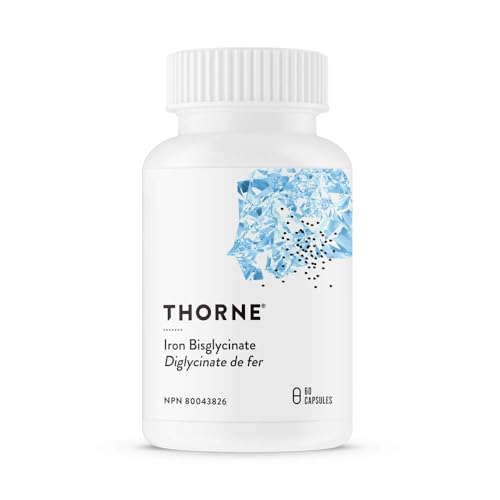
THORNE - Iron Bisglycinate - 25 mg Iron Supplement for Enhanced Absorption Without Gastrointestinal Side Effects* - NSF Certified for Sport - Gluten-Free - 60 Servings
One Capsule Contains: Iron (as Ferrochel Ferrous Bisglycinate Chelate)* 25 mg.
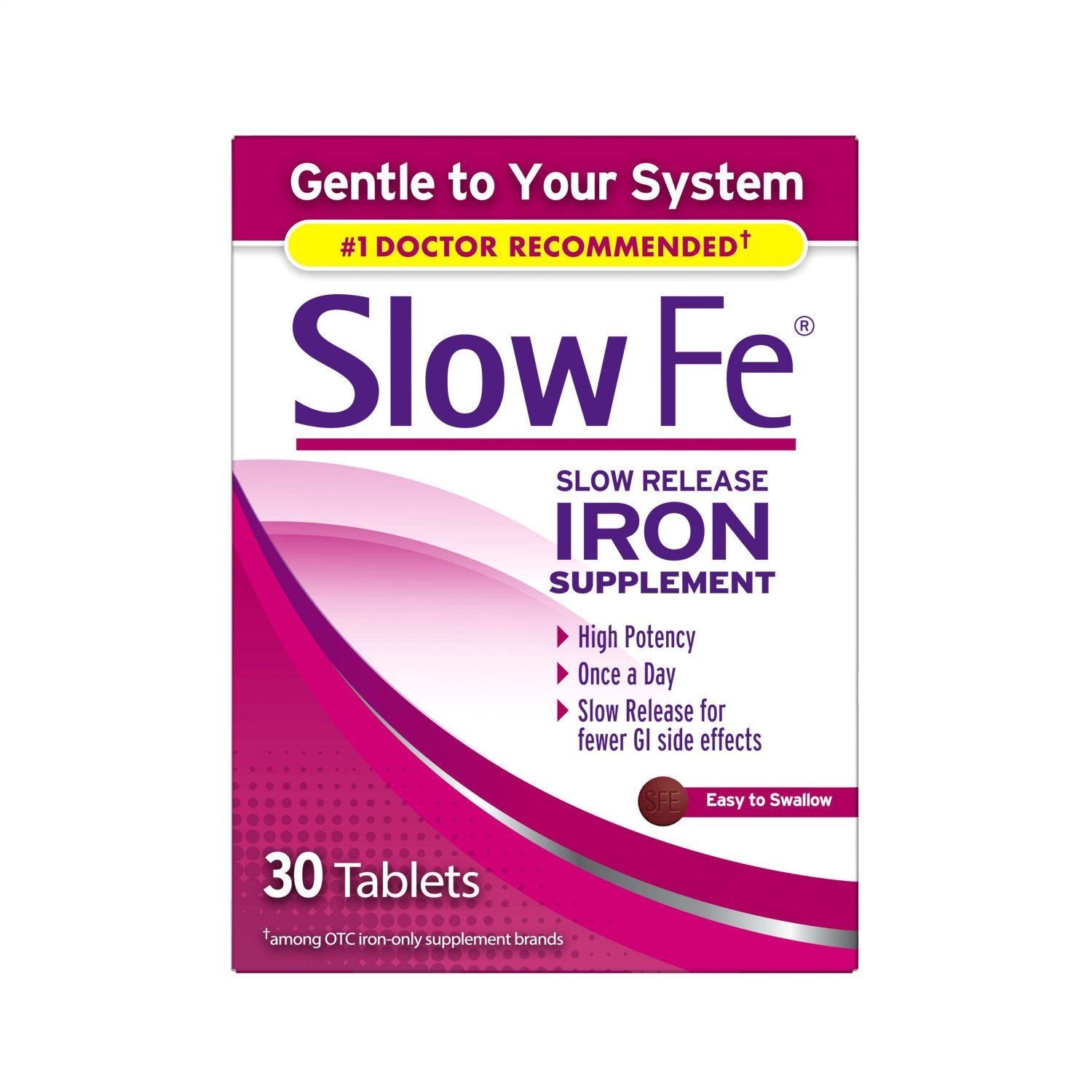
Slow Fe Slow Release Iron Supplement, 30 Tablets (Pack of 2)
Slow Fe contains 45 mg of elemental iron in each tablet, which is equivalent to <strong>142 mg of ferrous sulfate</strong>.
Health Disclaimer
This content is for informational purposes only and does not constitute medical advice. Always consult a qualified healthcare provider before starting, stopping, or changing any supplement or medication regimen.