

Ferritin Test
Also known as: Iron Storage Test, Serum Ferritin Test
Overview
A ferritin test is a laboratory blood test that measures the concentration of ferritin, a protein that stores iron inside cells and releases it when the body needs it. Because ferritin reflects, to a significant extent, the body’s iron reserves, the test is widely used when clinicians are evaluating possible iron deficiency, iron overload, unexplained fatigue, certain types of anemia, chronic inflammatory conditions, liver disease, or inherited disorders of iron metabolism. It is often ordered alongside other iron-related markers such as serum iron, transferrin saturation, total iron-binding capacity (TIBC), and a complete blood count (CBC) to provide a more complete picture.
Ferritin has important clinical value because iron balance affects multiple body systems. Low iron stores may contribute to reduced hemoglobin production, impaired oxygen transport, weakness, exercise intolerance, restless legs symptoms, hair shedding, and cognitive or mood-related complaints in some individuals. On the other end of the spectrum, elevated ferritin can signal iron overload, but it may also rise as part of the body’s response to inflammation, infection, liver injury, metabolic dysfunction, alcohol use, or malignancy. For that reason, ferritin is considered a useful but context-dependent marker rather than a stand-alone diagnostic answer.
Interpretation of ferritin results depends on the person’s age, sex, medical history, pregnancy status, inflammatory state, and the laboratory’s reference range. A low ferritin level generally suggests depleted iron stores and is often one of the earliest measurable signs of iron deficiency, sometimes even before anemia appears. An elevated ferritin level is more complex: research and clinical guidelines indicate it can reflect excess stored iron, but in many cases it functions as an acute-phase reactant, meaning it rises in response to systemic inflammation. This is why healthcare professionals typically interpret ferritin together with symptoms, physical findings, and other lab markers.
From a broader health perspective, the ferritin test is significant because it helps distinguish between different causes of anemia, identifies people who may need further workup for blood loss or malabsorption, and can help monitor conditions such as hemochromatosis, chronic kidney disease, inflammatory disorders, and some liver diseases. Although the test itself is simple, its meaning can be nuanced. A balanced interpretation often requires professional evaluation, especially when results are borderline, unexpectedly high, or inconsistent with other clinical information.
Medical Perspectives
Two Ways of Seeing Health

Western
scientific · clinical
Western medicine applies science, technology, and clinical experience to treat symptoms through testing, diagnosis, and targeted intervention.

Eastern
traditional · alternative
Eastern medicine focuses on treating the body naturally by applying traditional knowledge practiced for thousands of years, emphasizing balance and whole-person wellness.
Gold Bamboo presents both perspectives side-by-side so you can make informed decisions. We don't advocate for one over the other — your health choices are yours.
Western Medicine Perspective
Western Medicine Perspective
In conventional medicine, ferritin is understood primarily as a biomarker of body iron stores. Low ferritin is strongly associated with iron deficiency, and many clinical frameworks consider it one of the most useful early indicators of depleted iron reserves. Studies and guidelines from hematology and gastroenterology organizations note that ferritin is especially valuable in evaluating microcytic anemia, suspected nutritional deficiency, occult blood loss, heavy menstrual bleeding, pregnancy-related iron depletion, and gastrointestinal causes of chronic iron loss. Because ferritin may fall before hemoglobin decreases, the test can help identify iron deficiency without overt anemia.
Western interpretation also emphasizes ferritin’s limitations. Ferritin is an acute-phase reactant, so normal or high ferritin does not always exclude iron deficiency in people with chronic inflammation, infection, autoimmune disease, obesity, cancer, kidney disease, or liver disorders. In these settings, clinicians often pair ferritin with transferrin saturation, C-reactive protein (CRP), CBC indices, reticulocyte hemoglobin, or soluble transferrin receptor testing when available. Elevated ferritin may prompt consideration of conditions such as hereditary hemochromatosis, chronic liver disease, alcohol-related liver injury, metabolic syndrome, adult-onset Still disease, infection, or malignancy, depending on the magnitude and pattern of lab abnormalities.
A ferritin test may be used for screening, diagnosis, and monitoring. In iron deficiency, serial ferritin measurements may be used to assess whether iron stores appear to be repleting over time. In iron overload disorders, ferritin can help estimate body iron burden and track response to management, although imaging and genetic testing may also be relevant. Conventional medicine generally views ferritin as a highly informative but non-specific marker that gains the most value when integrated with the full clinical picture. Interpretation is therefore individualized, and consultation with a qualified healthcare professional is important when abnormal results are identified.
Eastern & Traditional Perspective
Eastern and Traditional Medicine Perspective
In Traditional Chinese Medicine (TCM) and related East Asian medical systems, the ferritin test is not part of the classical diagnostic framework, but its findings may be understood through concepts such as Blood deficiency, Spleen Qi deficiency, Liver Blood deficiency, or patterns involving dampness, heat, and stagnation. Symptoms that sometimes accompany low ferritin or iron deficiency—such as fatigue, dizziness, pale complexion, palpitations, brittle nails, or scant menstruation—may overlap with traditional descriptions of insufficient nourishment of the Blood. From this perspective, laboratory findings can be seen as modern data points that complement pattern-based assessment rather than replace it.
When ferritin is elevated, some traditional practitioners may interpret the broader presentation through patterns associated with heat, toxicity, phlegm-damp accumulation, or impaired transformation and transport, particularly if digestive complaints, inflammatory symptoms, or metabolic imbalance are present. However, traditional systems generally do not equate a ferritin number with a single pattern. Instead, they consider the whole presentation: sleep, digestion, stress, menstrual history, appetite, tongue, pulse, and constitutional tendencies. This individualized framework differs from the disease-marker approach used in biomedicine.
In Ayurveda, low iron-related states are sometimes discussed in relation to impaired nourishment of the tissues, reduced vitality, or disturbances affecting Rasa and Rakta dhatu. Elevated inflammatory states that coincide with high ferritin might be interpreted through imbalances involving agni, ama, or pitta-related processes, depending on the overall presentation. In naturopathic and integrative settings, ferritin is often used as a conventional lab marker while broader lifestyle, dietary, digestive, and constitutional themes are explored. Across these traditions, the ferritin test is generally viewed as a useful modern diagnostic tool, but one that does not replace individualized assessment by trained practitioners. Any interpretation of abnormal ferritin values warrants appropriate medical evaluation, particularly because serious causes such as bleeding, liver disease, or iron overload may require conventional workup.
Supplements & Products
Recommended Products
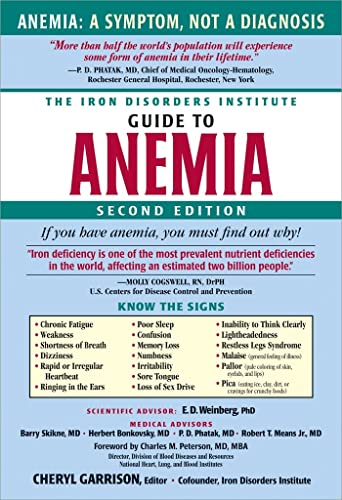
The Iron Disorders Institute Guide to Anemia: Understanding the Causes, Symptoms, and Healing of Iron Deficiency and Other Anemias: Garrison, Cheryl
Cheryl D. Garrison ... <strong>Unravel the mysteries behind anemia's diverse forms, from iron deficiency anemia to hemolytic and aplastic anemia, and gain a deep understanding of their underlying
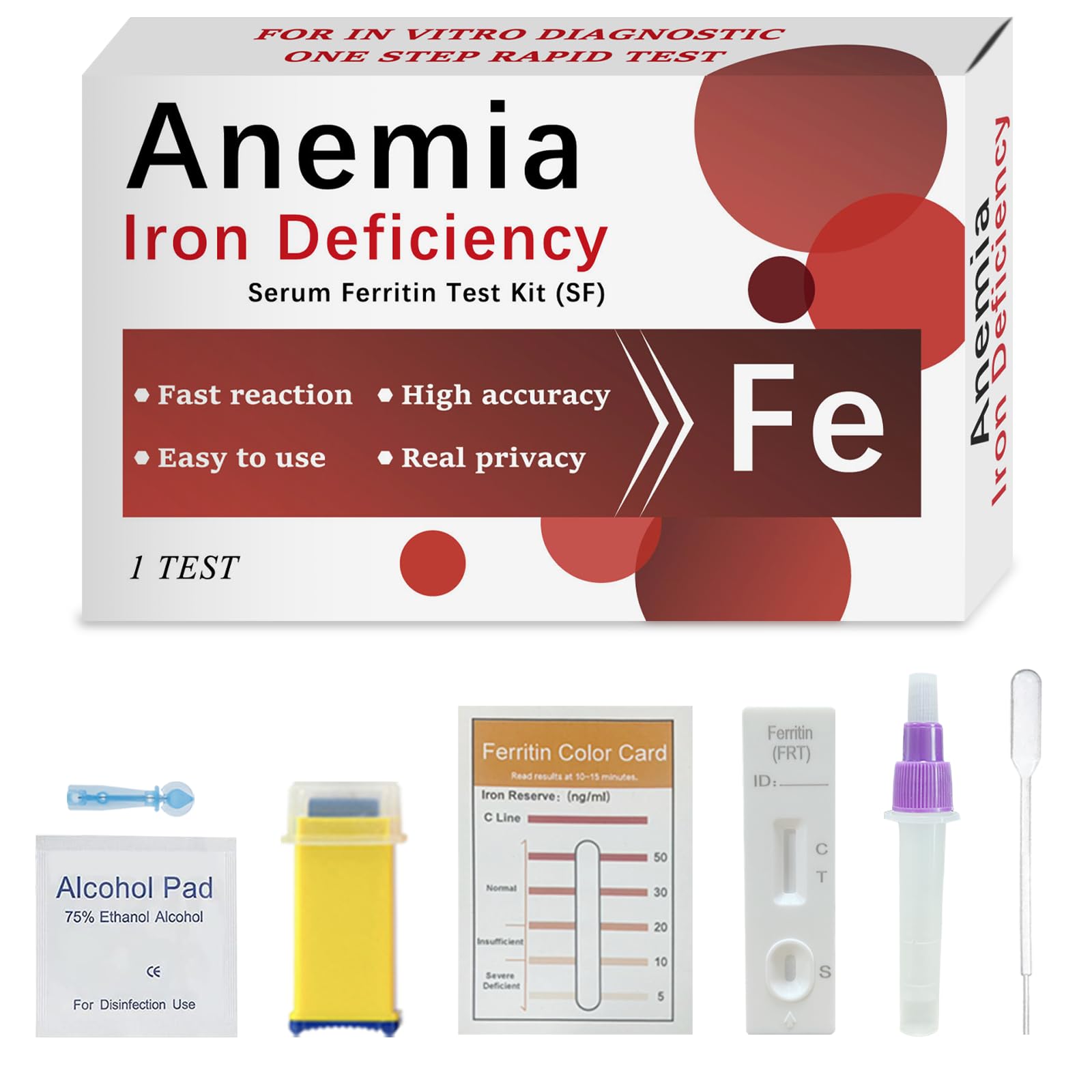
Iron Deficiency Test kit for Children and Adults, Rapid Home Test
Use our ferritin test to measure your iron level.
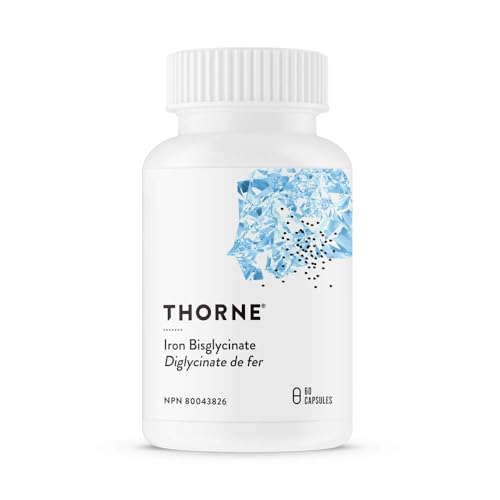
THORNE - Iron Bisglycinate - 25 mg Iron Supplement for Enhanced Absorption Without Gastrointestinal Side Effects* - NSF Certified for Sport - Gluten-Free - 60 Servings
One Capsule Contains: Iron (as Ferrochel Ferrous Bisglycinate Chelate)* 25 mg.
Evidence & Sources
Supported by multiple clinical trials and systematic reviews
- World Health Organization (WHO) guideline on use of ferritin concentrations to assess iron status
- National Institutes of Health Office of Dietary Supplements: Iron Fact Sheet for Health Professionals
- American Society of Hematology
- British Society of Gastroenterology guidelines on iron deficiency anaemia
- NCCIH (National Center for Complementary and Integrative Health)
- New England Journal of Medicine
- The Lancet Haematology
- American Journal of Clinical Nutrition
This content is for informational purposes only and does not constitute medical advice. Always consult a qualified healthcare provider before starting, stopping, or changing any supplement or medication regimen.