

Iron Panel
Also known as: Iron Studies, Serum Iron Test
Overview
An iron panel is a group of laboratory tests used to evaluate how iron is being carried, stored, and used in the body. It is commonly ordered when clinicians are assessing possible iron deficiency, iron overload, unexplained fatigue, certain types of anemia, chronic inflammatory states, or disorders that affect absorption and metabolism. While the exact components may vary by laboratory, an iron panel often includes serum iron, total iron-binding capacity (TIBC), transferrin saturation, and sometimes ferritin, which reflects iron stores.
Iron is essential for many biological processes, especially hemoglobin production, oxygen transport, energy metabolism, and cellular function. Both too little and too much iron can be clinically important. Low iron availability may contribute to iron deficiency anemia, reduced exercise tolerance, impaired cognition, or restless legs symptoms in some contexts. Excess iron can accumulate in tissues and has been associated with liver disease, heart problems, endocrine dysfunction, and inherited conditions such as hereditary hemochromatosis.
Interpreting an iron panel requires context. Serum iron measures circulating iron bound mostly to transferrin, but it can fluctuate throughout the day and may be affected by meals, inflammation, or recent supplementation. TIBC estimates the blood’s capacity to bind iron, indirectly reflecting transferrin levels. Transferrin saturation is calculated from serum iron and TIBC and helps estimate how much transferrin is occupied by iron. Ferritin, when included, is often considered especially informative because it approximates iron storage, although it can rise with infection, inflammation, liver disease, or metabolic conditions.
Because iron metabolism is influenced by blood loss, diet, pregnancy, gastrointestinal absorption, kidney disease, infection, inflammation, and genetics, the iron panel is rarely interpreted in isolation. Conventional evaluation often considers the complete blood count (CBC), red blood cell indices, reticulocyte markers, inflammatory markers, liver tests, and clinical history. As a result, the iron panel is best understood as part of a broader diagnostic picture rather than a standalone answer.
Medical Perspectives
Two Ways of Seeing Health

Western
scientific · clinical
Western medicine applies science, technology, and clinical experience to treat symptoms through testing, diagnosis, and targeted intervention.

Eastern
traditional · alternative
Eastern medicine focuses on treating the body naturally by applying traditional knowledge practiced for thousands of years, emphasizing balance and whole-person wellness.
Gold Bamboo presents both perspectives side-by-side so you can make informed decisions. We don't advocate for one over the other — your health choices are yours.
Western Medicine Perspective
Western Medicine Perspective
In conventional medicine, the iron panel is primarily used to help distinguish among iron deficiency, anemia of chronic disease/inflammation, and iron overload states. A typical pattern of iron deficiency may include low ferritin, low serum iron, high TIBC, and low transferrin saturation. By contrast, inflammatory conditions may produce low serum iron with normal or low TIBC and a ferritin level that is normal or elevated, reflecting the fact that ferritin behaves as an acute-phase reactant. Iron overload patterns often include high transferrin saturation and, depending on the cause, elevated ferritin.
Clinicians also recognize the limitations of each marker. Serum iron can vary considerably, and ferritin may be misleadingly high in the presence of inflammation, infection, liver disease, alcohol use, malignancy, or obesity-related metabolic dysfunction. For that reason, interpretation often integrates clinical symptoms, CBC findings such as microcytosis or low hemoglobin, and sometimes follow-up testing including soluble transferrin receptor, genetic testing for HFE variants, or evaluation for occult blood loss or malabsorption.
From a pathophysiologic standpoint, modern research emphasizes the role of hepcidin, a liver-produced hormone that regulates iron absorption and distribution. Elevated hepcidin in inflammatory states can trap iron in storage sites and reduce its availability for red blood cell production, while low hepcidin can contribute to excess absorption. This framework has improved understanding of why iron-related disorders can appear similar on basic testing yet arise from very different mechanisms.
In practice, the iron panel is regarded as a screening and interpretive tool, not a diagnosis by itself. It helps guide further evaluation of menstrual blood loss, gastrointestinal bleeding, pregnancy-related needs, chronic kidney disease, autoimmune disease, liver conditions, or inherited iron disorders. Consultation with a qualified healthcare professional is important because the same laboratory value may have different meanings depending on the broader medical context.
Eastern & Traditional Perspective
Eastern/Traditional Medicine Perspective
Traditional medical systems generally do not use the term iron panel, but they do recognize symptom patterns that overlap with what biomedicine describes as iron deficiency or overload. In Traditional Chinese Medicine (TCM), presentations such as fatigue, dizziness, pale complexion, palpitations, poor concentration, or scant menstrual flow may be interpreted through patterns like Blood Deficiency, often involving the Spleen and Liver systems. In this framework, laboratory findings are not the primary basis of diagnosis; instead, practitioners evaluate the whole pattern through history, pulse, tongue, digestion, sleep, and menstrual or constitutional features.
In Ayurveda, symptoms that resemble deficiency states may be viewed through imbalances involving Rakta dhatu (the blood tissue), Agni (digestive/metabolic capacity), and overall nourishment of the tissues. Some traditional interpretations also consider whether weakness is associated with poor assimilation, chronic depletion, or inflammatory imbalance. Conversely, patterns suggestive of overload might be interpreted less as “excess iron” specifically and more in terms of heat, stagnation, or impaired organ function, depending on the system and practitioner.
Naturopathic and integrative frameworks often bridge laboratory interpretation with broader questions of digestion, absorption, inflammation, and chronic blood loss, while still relying on standard testing to quantify iron status. These traditions may place added emphasis on dietary patterns, gut health, menstrual history, and constitutional resilience. Research on traditional frameworks themselves is more limited than research on laboratory iron markers, so these approaches are best understood as complementary interpretive models rather than direct equivalents of biomedical diagnosis.
Across eastern and traditional systems, an important theme is that symptoms are interpreted in relation to the whole person, not just a single lab value. When used in integrative care, iron panel results may inform discussions, but traditional assessment methods remain distinct. Coordination with licensed healthcare providers is important, especially when laboratory abnormalities raise concern for anemia, occult bleeding, liver disease, or inherited metabolic conditions.
Supplements & Products
Recommended Products
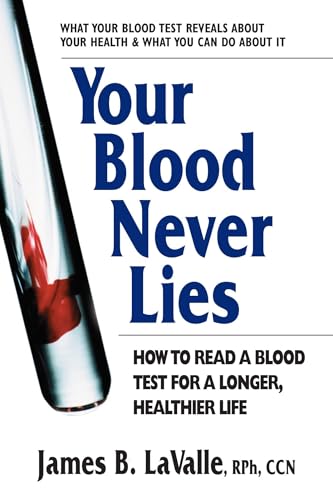
Your Blood Never Lies: How to Read a Blood Test for a Longer, Healthier Life: LaValle, James B.
-- Neil Raff, MD ― Neil Raff, MD · James B. LaValle, RPh, CCN, is a <strong>nationally recognized clinical pharmacist,nutritionist, and the founder of LaValle Metabolic Institute and IntegrativeHealth
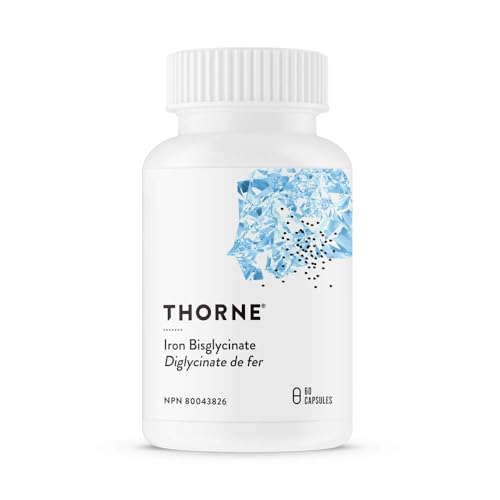
THORNE - Iron Bisglycinate - 25 mg Iron Supplement for Enhanced Absorption Without Gastrointestinal Side Effects* - NSF Certified for Sport - Gluten-Free - 60 Servings
One Capsule Contains: Iron (as Ferrochel Ferrous Bisglycinate Chelate)* 25 mg.
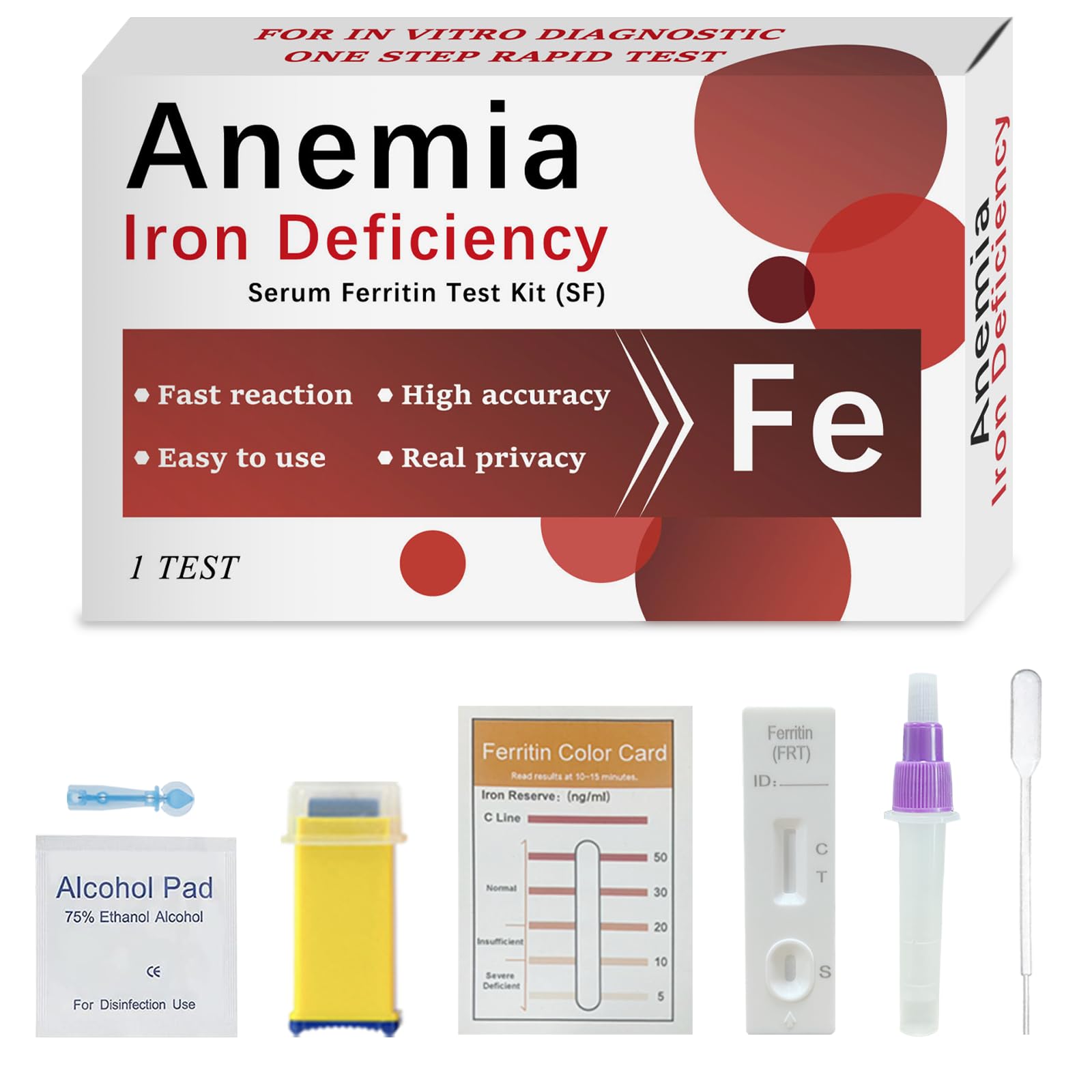
Iron Deficiency Test kit for Children and Adults, Rapid Home Test
Use our ferritin test to measure your iron level.
Evidence & Sources
Supported by multiple clinical trials and systematic reviews
- American Society of Hematology
- National Institutes of Health Office of Dietary Supplements
- National Heart, Lung, and Blood Institute
- Merck Manual Professional Edition
- World Health Organization
- British Journal of Haematology
- New England Journal of Medicine
- National Institute of Diabetes and Digestive and Kidney Diseases
This content is for informational purposes only and does not constitute medical advice. Always consult a qualified healthcare provider before starting, stopping, or changing any supplement or medication regimen.