Essential Minerals for Optimal Health: Roles, Recommended Intake, Food Sources, Deficiency Signs, and Safe Supplementation
Clear, evidence‑based guide to essential minerals: roles, RDAs, food sources, deficiency signs, absorption, testing, and safe supplementation.
·12 min read
This content is for informational purposes only and does not constitute medical advice. Always consult a qualified healthcare provider before starting, stopping, or changing any supplement or medication regimen.
If you’re wondering which minerals actually matter, how much you need, and whether supplements are worth it, you’re not alone. Essential minerals for optimal health underpin everything from bone strength and energy production to thyroid balance and immune defense. This guide clarifies what each mineral does, how to get enough from food, when testing makes sense, and how to supplement safely.
Essential minerals for optimal health: why they matter
Minerals are inorganic nutrients the body can’t make, so they must come from diet (and sometimes supplements). They’re usually grouped into:
Major (macro) minerals: calcium, magnesium, potassium, sodium, phosphorus (and chloride). You need these in larger amounts.
Trace minerals: iron, zinc, selenium, iodine, copper, chromium, manganese (and others like molybdenum). Needed in tiny amounts but still critical.
Broad physiological roles include:
Bone and tooth health (calcium, phosphorus, magnesium)
Fluid and acid–base balance, nerve/muscle function (sodium, potassium, magnesium)
Oxygen transport and energy metabolism (iron, copper)
Enzyme cofactors for metabolism and antioxidant defense (zinc, selenium, manganese, copper)
Thyroid hormone synthesis and regulation (iodine, selenium)
Balanced intake matters because minerals often interact—too much of one can impair another. Food patterns emphasizing whole, minimally processed foods tend to provide better mineral density than ultra‑processed diets.
For deep dives on specific outcomes—like skeletal health—see Best Minerals for Bone Strength: An Evidence‑Based Guide to Calcium, Magnesium, Zinc, Boron & More (/articles/best-minerals-for-bone-strength).
What the research says
Bone health: Strong evidence supports adequate calcium and vitamin D for reducing fracture risk; magnesium and zinc contribute to bone quality (strong to moderate evidence).
Blood pressure and cardiovascular risk: Higher potassium and lower sodium intakes reduce blood pressure (strong evidence). Magnesium shows small BP reductions in meta‑analyses (moderate evidence). See Electrolytes Beyond Sports Drinks: What Athletes Really Need About Sodium, Potassium, and Magnesium (/articles/electrolytes-beyond-sports-drinks-athletes-sodium-potassium-magnesium).
Immunity: Zinc supports normal immune function and may shorten the duration of colds when used appropriately; results vary by form and dose (moderate evidence). See Zinc and Immune Function: What the Evidence Really Says (/articles/zinc-immune-mineral-forms-foods-evidence).
Anemia and fatigue: Iron deficiency is a leading cause of anemia worldwide (strong evidence). Non‑anemic iron deficiency can also drive fatigue (moderate evidence). See Iron Deficiency Without Anemia: Fatigue, Ferritin, and Finding Balance (/articles/iron-deficiency-beyond-anemia-ferritin-fatigue).
Thyroid: Iodine is essential for thyroid hormone production (strong evidence). Selenium supports thyroid enzyme function; benefits in autoimmune thyroiditis are mixed (moderate evidence).
Glycemic control: Chromium’s effect on blood sugar is inconsistent across studies (emerging to mixed evidence).
Mineral profiles: functions, intake, sources, deficiency, safety
Calcium
What it does: Structural mineral for bones/teeth; muscle contraction; nerve signaling; blood clotting.
Intake targets: ~1,000 mg/day (most adults); 1,200 mg/day for women 51+ and everyone 70+. UL: 2,000–2,500 mg/day (age‑dependent).
Food sources: Dairy; fortified plant milks; tofu set with calcium sulfate; canned salmon/sardines with bones; low‑oxalate greens (kale, bok choy); almonds; sesame/tahini.
Deficiency signs: Low dietary intake contributes to osteopenia/osteoporosis over time. Severe hypocalcemia can cause cramps, tingling, arrhythmias (usually due to medical conditions, not diet alone).
Excess: High supplemental calcium may increase kidney stone risk and can interfere with iron and zinc absorption. Consider calcium citrate if low stomach acid.
Magnesium
What it does: Cofactor in >300 enzymes; ATP metabolism; nerve and muscle relaxation; glucose and blood pressure regulation.
Intake targets: 400–420 mg/day (men), 310–320 mg/day (women). UL: 350 mg/day from supplements only (no UL from food).
Deficiency signs: Muscle cramps/twitches, fatigue, headaches, constipation; arrhythmias in severe cases. Low levels more common with GI disorders, diuretics, PPIs.
Excess: High-dose supplements can cause diarrhea; very high intakes unsafe in kidney disease.
Potassium
What it does: Intracellular electrolyte balancing sodium; nerve impulses; muscle contraction; supports healthy blood pressure.
Intake targets: AI 3,400 mg/day (men), 2,600 mg/day (women). No UL for healthy people.
Deficiency signs: Muscle weakness, cramps, constipation, palpitations (often due to losses from vomiting/diuretics).
Excess: Supplements can cause dangerous hyperkalemia, especially with kidney disease or ACE inhibitors/ARBs/spironolactone. OTC pills in some countries limited to 99 mg per serving for safety.
Sodium
What it does: Major extracellular electrolyte; fluid balance; nerve/muscle function.
Intake guidance: Aim to keep below ~2,300 mg/day (chronic disease risk reduction target). Athletes/heavy sweaters may need more around training.
Food sources: Predominantly processed foods, restaurant meals, cured meats, sauces; smaller amounts in whole foods and table salt.
Low/high signs: Too low (hyponatremia) can cause headache, confusion, seizures—medical emergency. Chronic excess raises blood pressure in many people.
Phosphorus
What it does: Bone mineralization; ATP/energy; cell membranes (phospholipids); acid–base balance.
Food sources: Heme iron in red meat, poultry, fish (well absorbed); non‑heme in legumes, tofu, spinach, pumpkin seeds, fortified cereals (better absorbed with vitamin C).
Deficiency signs: Fatigue, shortness of breath, pale skin, brittle nails; low ferritin precedes anemia. See Iron Deficiency Without Anemia (/articles/iron-deficiency-beyond-anemia-ferritin-fatigue).
Excess: Avoid routine high‑dose iron unless deficient; risk of GI side effects and iron overload (especially with hemochromatosis). Separate from calcium and some meds by several hours.
Zinc
What it does: Cofactor for hundreds of enzymes; DNA synthesis; wound healing; taste/smell; immune function.
Deficiency signs: Uncommon; poor growth and skeletal issues reported in severe deficiency.
Excess: High exposure (often from inhalation in industry) can cause neurological symptoms; caution in chronic liver disease.
Absorption, interactions, and testing
Enhancers and inhibitors of absorption
Enhancers:
Vitamin D boosts calcium and phosphorus uptake.
Vitamin C increases non‑heme iron absorption.
Animal protein may enhance zinc and iron absorption (the “meat factor”).
Inhibitors:
Phytates in bran, legumes, nuts, and whole grains bind iron, zinc, magnesium, and calcium; soaking, sprouting, fermenting, or using sourdough reduces phytates.
Oxalates (spinach, beet greens) reduce calcium absorption; prefer low‑oxalate greens when seeking calcium from plants.
Tannins/polyphenols in tea/coffee reduce iron absorption if consumed with meals.
Competitive uptake:
High‑dose zinc can lower copper.
Large calcium doses can reduce iron and zinc absorption if taken together.
High‑dose iron may lower zinc and manganese absorption.
Clinically relevant drug–mineral interactions
Levothyroxine: Separate from iron, calcium, magnesium, and zinc by at least 4 hours.
Tetracycline and fluoroquinolone antibiotics: Minerals chelate these drugs; separate by 2–6 hours.
Bisphosphonates: Take on an empty stomach; minerals reduce absorption.
Diuretics: Thiazides can raise calcium and lower magnesium/potassium; loop diuretics can lower calcium, magnesium, and potassium.
ACE inhibitors/ARBs and potassium‑sparing diuretics: Increase risk of hyperkalemia.
Proton pump inhibitors (PPIs): Associated with low magnesium and reduced iron absorption over time.
Testing mineral status (useful labs and limitations)
Iron: Ferritin (low indicates deficiency; note it rises with inflammation), transferrin saturation, CBC. Consider CRP if inflammation suspected.
Zinc: Plasma/serum zinc reflects status but is influenced by inflammation and time of day.
Magnesium: Serum can appear normal despite deficiency; RBC magnesium or a clinical trial of repletion may be more informative.
Iodine: Spot or 24‑hour urinary iodine helps at a population level; individual interpretation is tricky. Thyroid tests (TSH, free T4) reflect thyroid function, not iodine stores directly.
Selenium: Plasma selenium and glutathione peroxidase activity can reflect status; ranges vary by region.
Copper: Serum copper and ceruloplasmin; 24‑hour urinary copper in specific disorders.
Sodium/potassium: Serum values are tightly regulated and best for detecting acute imbalances, not usual intake.
Hair mineral analysis: Not reliable for most minerals in clinical decision‑making.
Populations at higher risk of imbalance: Pregnancy and lactation; infants/children; older adults; athletes/heavy sweaters; vegetarians/vegans (iron, zinc, iodine); people with GI disorders (celiac, IBD, bariatric surgery); kidney or liver disease; people on PPIs, diuretics, or thyroid medication.
Practical guidance and safety
Food first, supplements when needed
Emphasize mineral‑dense meals: legumes, nuts/seeds, whole grains (ideally soaked/sprouted/fermented), dairy or fortified alternatives, seafood, eggs, and plenty of vegetables and fruits.
Use iodized salt in home cooking unless medically contraindicated; be mindful of total sodium.
Consider supplements when:
A deficiency is confirmed or strongly suspected (e.g., low ferritin, low zinc with matching symptoms).
Physiologic needs are higher (pregnancy, endurance training, restricted diets).
Medical conditions or medications impair absorption or increase losses.
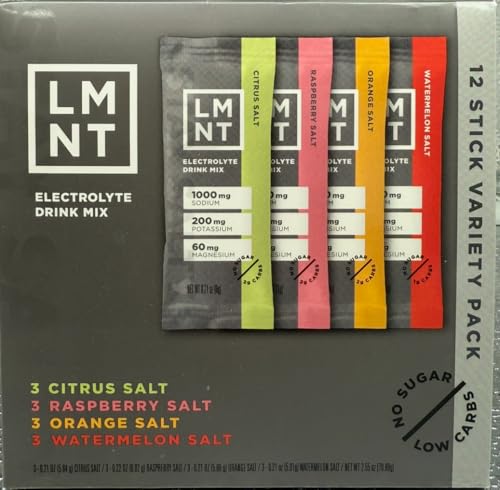
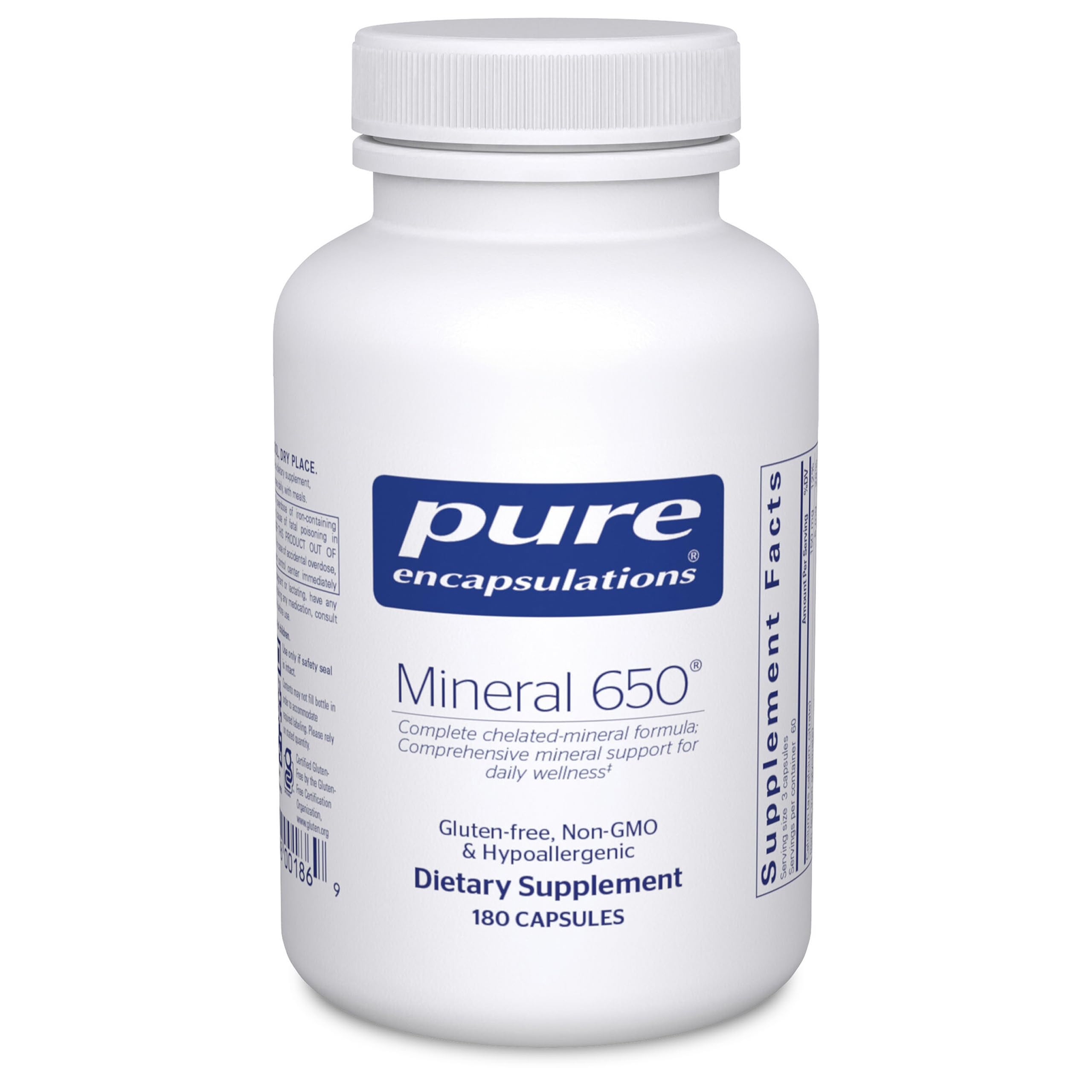
Many people find Third‑Party Tested Multimineral helpful for “insurance” on days when diet falls short; research suggests multinutrient supplements can fill gaps but should not replace a diverse diet (moderate evidence). For workouts in heat, a low‑sugar Electrolyte Powder can help replace sodium and potassium, especially when training exceeds 60–90 minutes. Those avoiding dairy sometimes use Calcium Citrate + Vitamin D3 to meet targets; calcium supplements are most useful when dietary intake remains low.
Safe supplement dosing and signs of excess
Respect RDAs/AIs and ULs listed above; avoid stacking products with overlapping minerals.
Start low, reassess symptoms and labs when applicable, and avoid chronic high doses (e.g., zinc >40 mg/day, selenium >200 mcg/day, iron unless indicated).
Red flags for excess:
Iron: black stools, abdominal pain, vomiting—seek care.
Potassium: weakness, palpitations—urgent if severe, especially with kidney disease.
Calcium: constipation, excessive thirst/urination, confusion—evaluate for hypercalcemia.
Iodine/thyroid: sudden changes in energy, heart rate, or neck swelling—check thyroid labs.
Selenium: hair/nail brittleness, GI upset—stop supplements and retest.
Meal planning and pairing tips to boost bioavailability
Pair plant iron sources with vitamin C (citrus, bell peppers) and avoid tea/coffee at iron‑rich meals.
Choose low‑oxalate greens (kale, bok choy) for calcium, and consider tofu set with calcium sulfate.
Soak/sprout/ferment legumes and grains to lower phytates and enhance zinc, iron, and magnesium absorption.
Spread minerals across meals; don’t take high‑dose calcium with iron or zinc.
When to seek urgent care
Signs of severe electrolyte imbalance: confusion, seizures, severe muscle weakness, palpitations/irregular heartbeat, shortness of breath, or fainting.
Suspected iron overdose (especially in children) or intentional ingestion of large amounts of supplements.
Working with a professional
Consider dietitian or clinician guidance for targeted testing and repletion plans, especially in pregnancy, chronic disease, or when on interacting medications.
Recheck labs after 8–12 weeks of supplementation to confirm effectiveness and avoid overshooting.
For targeted reading, explore:
Best Minerals for Bone Strength (/articles/best-minerals-for-bone-strength)
Zinc and Immune Function (/articles/zinc-immune-mineral-forms-foods-evidence)
Iron Deficiency Without Anemia (/articles/iron-deficiency-beyond-anemia-ferritin-fatigue)
Disclaimer
This article is for educational purposes and does not replace personalized medical advice. Nutrient needs vary. If you have chronic conditions, are pregnant or breastfeeding, or take prescription medications, consult a qualified healthcare professional before starting or changing supplements.
This content is for informational purposes only and does not constitute medical advice. Always consult a qualified healthcare provider before starting, stopping, or changing any supplement or medication regimen.
Best Minerals for Bone Strength: An Evidence‑Based Guide to Calcium, Magnesium, Zinc, Boron & More. If you’re asking which nutrients truly move the needle for stronger bones, you’re not alone. The best minerals for bone strength go beyond calcium—magnesium, phosphorus, zinc, copper, manganese, boron, and silicon all contribute to bone formation, remodeling, and structural integrity. Research sugge
Optimal Vitamins for Children’s Health: An Evidence‑Based Guide for Parents. Parents often ask: What are the optimal vitamins for children’s health, and does my child need a supplement? This guide bridges western evidence and traditional wisdom so you can make clear, safe choices. We review roles, dosages by age, food sources, when to consider supplements, and how to evaluat
Antioxidants for Cellular Health: How They Work, Evidence‑Based Benefits, and Best Minerals & Supplements. If you’re wondering whether antioxidants for cellular health really make a difference, you’re not alone. Research suggests antioxidants can support the body’s defenses against oxidative stress, but the story is more nuanced than “more is better.” This guide explains how antioxidants work, what foods
Healing Minerals for Joint Pain: Evidence‑Based Guide to Magnesium, Zinc, Boron & More. If joint aches are slowing you down, you may be wondering whether healing minerals for joint pain can truly help. Research suggests that several minerals support cartilage building, calm inflammatory pathways, protect joints from oxidative stress, and strengthen the bone beneath your joints. This gu
# [Iron](/supplements/iron) Deficiency Without Anemia: Fatigue, Ferritin, and Finding Balance
Iron is best known for preventing anemia, yet research suggests many people experience iron-related sympt
Supplements for Healthy Aging: An Evidence‑Based Guide to What Works, Dosage & Safety. Aging well is about staying strong, sharp, and active—not chasing immortality. If you’re wondering which supplements for healthy aging are actually worth considering, research suggests a focused, evidence‑based plan can support bones, heart, brain, mitochondria, skin, and stress resilience. Suppleme