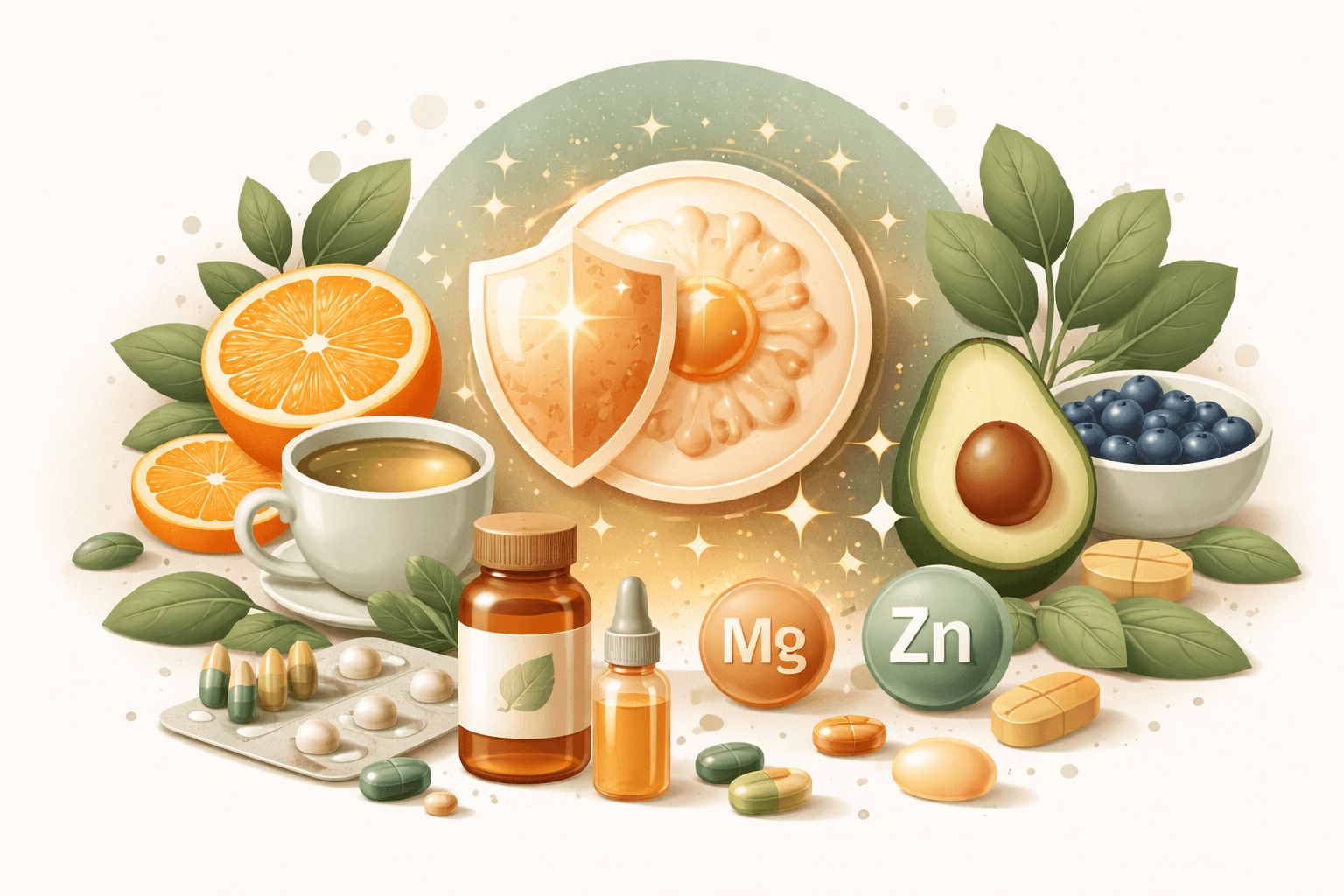
Antioxidants for Cellular Health: How They Work, Evidence‑Based Benefits, and Best Minerals & Supplements
A clear, evidence‑based guide to antioxidants for cellular health—how they work, best foods and supplements, dosing ranges, safety, and practical tips.
·12 min read
This content is for informational purposes only and does not constitute medical advice. Always consult a qualified healthcare provider before starting, stopping, or changing any supplement or medication regimen.
If you’re wondering whether antioxidants for cellular health really make a difference, you’re not alone. Research suggests antioxidants can support the body’s defenses against oxidative stress, but the story is more nuanced than “more is better.” This guide explains how antioxidants work, what foods and supplements matter most, where the evidence is strong or mixed, and how to use this knowledge wisely.
Oxidative Stress 101: Free Radicals, ROS, and Why Some Are Helpful
What are ROS and free radicals? Reactive oxygen species (ROS) and free radicals are highly reactive molecules produced as normal byproducts of metabolism (especially in mitochondria), immune responses, and environmental exposures (pollution, cigarette smoke, UV light). When uncontrolled, ROS can damage DNA (mutations and strand breaks), lipids (lipid peroxidation), and proteins (misfolding or loss of function), and impair mitochondrial membranes and enzymes.
Endogenous vs exogenous defenses
Endogenous (made in your body): glutathione (GSH), superoxide dismutases (SOD1 requires copper/zinc; SOD2 requires manganese), catalase, glutathione peroxidases (selenium-dependent), and peroxiredoxins. These systems continuously detoxify ROS and repair damage.
Exogenous (from diet/supplements): vitamins C and E, carotenoids (e.g., beta‑carotene, lutein, lycopene), polyphenols/flavonoids (quercetin, EGCG in green tea), resveratrol, coenzyme Q10 (CoQ10), alpha‑lipoic acid (ALA), and sulfur‑containing compounds like N‑acetyl cysteine (NAC); minerals like selenium, zinc, copper, and manganese support antioxidant enzyme systems.
Redox signaling and hormesis: Not all ROS are “bad.” Low to moderate ROS act as signaling molecules that trigger adaptive responses (e.g., activation of Nrf2, a transcription factor that upregulates your own antioxidant and detox genes). Exercise is a classic hormetic stressor—transient ROS help stimulate mitochondrial biogenesis and resilience. Heavy, chronic oxidative stress overwhelms defenses; conversely, very high‑dose antioxidant supplements around workouts may blunt some training adaptations in certain studies. The goal is balance, not elimination of ROS.
Key Antioxidants for Cellular Health: Targets, Forms, and Food Sources
Evidence generally favors obtaining antioxidants from a plant‑forward, whole‑food diet. Supplements can be useful for targeted needs or deficiencies, but dosing and context matter.
Vitamin C (ascorbic acid)
Targets/mechanisms: Primary water‑soluble antioxidant in plasma and cells; regenerates vitamin E; supports collagen synthesis; may reduce oxidized DNA bases in some settings.
Bioavailability/forms: Well absorbed up to ~200–400 mg/day; higher intakes have diminishing returns in plasma. Buffered and liposomal forms may improve GI tolerability, with mixed evidence for superior uptake.
Foods: Citrus, strawberries, kiwi, bell peppers, broccoli, Brussels sprouts.
Targets/mechanisms: Fat‑soluble chain‑breaking antioxidant in lipid membranes; alpha‑tocopherol is the main circulating form; works in a network with vitamin C and glutathione.
Bioavailability/forms: Natural RRR‑alpha‑tocopherol is more bioactive than synthetic all‑racemic forms; mixed tocopherols/tocotrienols occur in foods.
Polyphenols and flavonoids (quercetin, EGCG, anthocyanins)
Targets/mechanisms: Indirect antioxidants—often signal via Nrf2/AMPK, modulate inflammation and endothelial function; direct radical scavenging is usually less important in vivo due to low plasma concentrations.
Bioavailability: Extensively metabolized; gut microbiota transform polyphenols into bioactive metabolites—dietary pattern and microbiome matter.
Targets/mechanisms: Activates sirtuin pathways in preclinical models; may influence mitochondrial biogenesis and inflammation.
Bioavailability: Rapidly metabolized; low systemic levels; clinical effects at typical doses are uncertain.
Foods: Red grapes, berries, peanuts, red wine (alcohol risks can outweigh benefits).
Coenzyme Q10 (ubiquinone/ubiquinol)
Targets/mechanisms: Central cofactor in mitochondrial electron transport and a lipid‑phase antioxidant; supports cellular energy and membrane stability.
Forms: Ubiquinone (oxidized) and ubiquinol (reduced); ubiquinol may have better absorption in some studies; levels decline with age and with statin therapy.
Foods: Organ meats, oily fish, whole grains (diet provides small amounts).
Targets/mechanisms: Both water‑ and fat‑soluble; recycles glutathione and vitamins C/E; may support mitochondrial enzyme complexes; chelates some metals in vitro.
Forms: R‑ALA is the naturally occurring isomer; supplements may contain mixed or stabilized R‑ALA.
Foods: Small amounts in spinach, broccoli, organ meats.
N‑Acetyl Cysteine (NAC)
Targets/mechanisms: Cysteine donor for glutathione synthesis; mucolytic; supports redox balance under high oxidative load.
Bioavailability: Oral NAC raises plasma cysteine and can increase glutathione in many tissues.
Targets/mechanisms: Incorporated into selenoproteins like glutathione peroxidases and thioredoxin reductases, which neutralize peroxides and repair oxidized proteins.
Intake: RDA 55 mcg/day (adults); upper limit 400 mcg/day; excess can be toxic.
Foods: Brazil nuts (very high; one nut can meet/exceed RDA), seafood, eggs, whole grains (content varies by soil).
Zinc, Copper, and Manganese (minerals)
Targets/mechanisms: Essential cofactors for SOD isoenzymes (Cu/Zn‑SOD in cytosol; Mn‑SOD in mitochondria). Zinc also stabilizes proteins and membranes; copper participates in redox enzymes.
Mechanistic and animal studies consistently show antioxidants reduce markers of DNA oxidation (e.g., 8‑OHdG) and lipid peroxidation (e.g., MDA). Human trials of vitamin C/E, polyphenol‑rich foods, and selenium show variable reductions in oxidative biomarkers, with stronger effects in people under higher oxidative stress (e.g., smokers, metabolic syndrome) than in healthy, well‑nourished adults.
Mitochondrial function and bioenergetics (evidence: moderate)
CoQ10 supports electron transport and may improve indices of mitochondrial efficiency. Trials suggest benefits for certain clinical contexts (e.g., heart failure symptom scores and quality of life) and for statin‑associated muscle symptoms in some, though not all, studies. See our review: Coenzyme Q10 and Cellular Energy: What the Science Says for Healthy Aging.
Exercise studies indicate that high‑dose vitamin C/E can blunt training‑induced mitochondrial biogenesis and insulin sensitivity in some cohorts—supporting the hormesis model.
Inflammation and endothelial function (evidence: moderate)
Polyphenol‑rich foods (berries, cocoa, EVOO, tea) often improve endothelial function and lower inflammatory markers in short‑term trials. Effects are diet‑dependent and may be mediated by gut microbiome metabolites.
Aging and disease risk (evidence: mixed)
Observational data link higher fruit/vegetable intake with lower all‑cause mortality and chronic disease risk. Mediterranean‑style diets, rich in polyphenols and healthy fats, associate with healthier aging and cardiovascular outcomes.
Large RCTs of isolated antioxidant supplements for primary prevention (e.g., vitamin E or beta‑carotene) generally show neutral or negative effects on cardiovascular events and mortality. Notably, high‑dose beta‑carotene increased lung cancer risk in smokers.
Overall pattern: food‑based antioxidant patterns consistently support better health markers, while isolated high‑dose antioxidant supplements show inconsistent benefits and, in some cases, risks. Targeted supplementation may help specific groups under guidance.
Food vs Supplements: Efficacy, Dosing, and Safety
Food‑first advantages
Synergy: Whole foods deliver hundreds of compounds that work together (vitamins, minerals, polyphenols, fiber) and activate adaptive pathways (e.g., Nrf2) beyond simple radical scavenging.
Consistency: Diets like the Mediterranean pattern repeatedly associate with lower oxidative stress and improved outcomes.
When supplements may be appropriate
Elevated oxidative stress or deficiency: Smokers (avoid beta‑carotene), people with limited diets, malabsorption, chronic illnesses, those exposed to high pollution/occupational toxins.
Targeted clinical contexts: CoQ10 for statin users or older adults with low levels; NAC for supporting glutathione under high oxidative load; selenium if intake is low (guided by a clinician).
Around exercise: Routine high doses of vitamins C/E around training are not advised due to potential blunting of adaptations; food‑based antioxidants are preferred.
Vitamin C: 200–500 mg/day supports near‑maximal plasma levels in most; Tolerable Upper Intake Level (UL) 2,000 mg/day (GI upset, kidney stone risk in predisposed individuals).
Vitamin E (alpha‑tocopherol): Many trials used 200–400 IU/day; ongoing debate on optimal use. High doses may increase hemorrhagic stroke risk in some analyses. Mixed tocopherols are closer to food forms but data are limited.
Carotenoids: Prefer food sources. High‑dose beta‑carotene supplements are contraindicated in smokers and asbestos‑exposed individuals.
CoQ10: 100–200 mg/day commonly used; take with fat for absorption; may interact with warfarin.
ALA: 300–600 mg/day in studies; may lower blood sugar—monitor if on glucose‑lowering meds.
NAC: 600–1,200 mg/day in divided doses commonly studied; can interact with nitroglycerin.
Selenium: 55 mcg/day RDA; keep total intake <400 mcg/day to avoid toxicity (hair loss, brittle nails, GI upset, “garlic breath”). Brazil nuts are potent—one nut can exceed RDA.
Zinc: Do not chronically exceed 40 mg/day (UL) without medical supervision; high doses can cause copper deficiency.
Always personalize with a clinician, especially if pregnant, managing chronic disease, or taking medications.
Potential pro‑oxidant and interaction concerns
Reductive stress: Very high antioxidant doses may impair beneficial redox signaling.
Vitamin E: Can become a radical without adequate vitamin C to recycle it—illustrates the “antioxidant network.”
Vitamin C: At very high concentrations and in the presence of free iron/copper, can act as a pro‑oxidant in vitro; clinical significance at typical oral doses is uncertain.
Drug interactions: CoQ10 may reduce warfarin’s effect; NAC may potentiate vasodilation with nitroglycerin; resveratrol and high‑dose fish oil can have additive antiplatelet effects; ALA may augment hypoglycemic drugs; zinc may impair absorption of some antibiotics (separate dosing).
Strategies That Strengthen Cellular Antioxidant Defenses
Eat a plant‑forward, Mediterranean‑style pattern
Emphasize vegetables (especially leafy greens and crucifers), fruits (berries, citrus), legumes, whole grains, nuts/seeds, herbs/spices, and extra‑virgin olive oil.
Include quality protein and omega‑3‑rich seafood; use colorful produce to cover diverse polyphenols and carotenoids.
Practical idea: Build meals around a “rainbow” salad, legumes, and EVOO; add cooked tomatoes (lycopene) and leafy greens (lutein/zeaxanthin).
Support endogenous antioxidant systems
Provide precursors: Adequate protein for cysteine/glycine; sulfur‑rich foods (garlic, onions, crucifers) for glutathione support.
Micronutrient cofactors: Get selenium (seafood, Brazil nuts—sparingly), zinc (legumes, seeds, shellfish), copper (cocoa, nuts), and manganese (whole grains, greens).
Train your redox system with lifestyle hormesis
Regular exercise: Aerobic and resistance training upregulate antioxidant enzymes and mitochondrial biogenesis. Space meals and avoid mega‑dose C/E immediately pre/post workout unless medically indicated.
Sleep and stress: Adequate sleep and stress‑reduction practices (mindfulness, breathwork) modulate cortisol and inflammatory/oxidative pathways.
Reduce exogenous ROS: Don’t smoke; limit excess alcohol; minimize exposure to air pollution when possible. Many people find a HEPA Air Purifier helpful for improving indoor air quality.
Thoughtful, targeted supplementation
Consider a food‑first multinutrient approach before high‑dose single antioxidants. If supplementing:
CoQ10: Older adults or statin users sometimes trial 100–200 mg/day; choose with fat; discuss if on anticoagulants. Many people find Ubiquinol CoQ10 100 mg convenient; evidence supports benefits in select contexts but is mixed for general prevention.
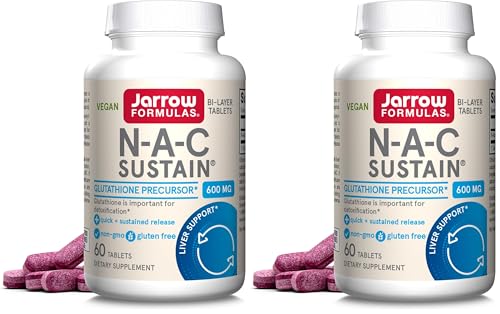
NAC: 600 mg once or twice daily is commonly used to support glutathione during higher oxidative load; coordinate with your clinician, especially with cardiovascular meds. Some prefer NAC 600 mg (Sustained‑Release) for GI comfort; evidence is stronger in acute settings, with emerging data for chronic use.
Smart beverages and culinary habits
Polyphenol‑rich choices: Green/black tea, coffee (if tolerated), cocoa; cook with herbs/spices (turmeric, oregano, rosemary, ginger) and extra‑virgin olive oil.
Pair fats with carotenoids (e.g., olive oil on salads, avocado with salsa) to improve absorption.
Putting It All Together: Practical Takeaways
Antioxidants for cellular health work as a team—focus on dietary patterns (colorful plants, EVOO, legumes, nuts/seeds, seafood) plus lifestyle hormesis (exercise, sleep, stress care).
Use supplements strategically, not universally. Choose evidence‑based options for specific needs: vitamin C for gaps, CoQ10 for mitochondrial support in select cases, NAC or selenium when indicated. Start low, reassess, and avoid high‑dose “megavitamins” unless medically directed.
Respect balance: Too little antioxidant protection increases damage; too much supplemental antioxidant at the wrong time can interfere with beneficial redox signaling.
Work with a clinician if you have chronic conditions, take medications, or want biomarker‑guided personalization. In select cases, tests like F2‑isoprostanes, 8‑OHdG, and GSH:GSSG can inform strategy.
This content is for educational purposes and does not replace personalized medical advice. Nutrient needs and supplement safety vary by individual health status and medications. Consult a qualified healthcare professional before starting, stopping, or changing any supplement or lifestyle program.
This content is for informational purposes only and does not constitute medical advice. Always consult a qualified healthcare provider before starting, stopping, or changing any supplement or medication regimen.
Supplements for Healthy Aging: An Evidence‑Based Guide to What Works, Dosage & Safety. Aging well is about staying strong, sharp, and active—not chasing immortality. If you’re wondering which supplements for healthy aging are actually worth considering, research suggests a focused, evidence‑based plan can support bones, heart, brain, mitochondria, skin, and stress resilience. Suppleme
Essential Minerals for Optimal Health: Roles, Recommended Intake, Food Sources, Deficiency Signs, and Safe Supplementation. If you’re wondering which minerals actually matter, how much you need, and whether supplements are worth it, you’re not alone. Essential minerals for optimal health underpin everything from bone strength and energy production to thyroid balance and immune defense. This guide clarifies what each mine
CoQ10 at a Glance
- What it is: A fat-soluble molecule present in virtually every cell, essential for mitochondrial energy production and antioxidant defense (Evidence: strong)
- Why it matters with a
Supplements for Heart Health: Evidence‑Based Options, Dosage & Safety. If you’re looking into supplements for heart health, you’re not alone. Many people want to know which nutrients can support cholesterol, blood pressure, triglycerides, heart rhythm, and overall cardiovascular resilience—without overpromising or overlooking risks. This guide reviews research-backed o
Natural Supplements for Brain Health: An Evidence‑Based Guide to Nootropics, Omega‑3s, and Key Vitamins. If you’re searching for natural supplements for brain health, you’re likely looking for safe, evidence‑based ways to support memory, focus, mood, or long‑term cognitive resilience. This guide reviews what research suggests works, how these supplements may act in the brain, and how to use them though
Top Vitamins for Skin Health: An Evidence‑Based Guide to Vitamin C, E, A, D, Biotin & More. If you’re wondering which nutrients truly nourish your skin, you’re not alone. Many people search for the top vitamins for skin health to address dryness, acne, fine lines, or uneven tone. Research suggests specific vitamins play distinct biological roles in collagen synthesis, antioxidant defense,