Telomere Length and Lifestyle: What Really Matters for Healthy Aging
A balanced, evidence-based look at how lifestyle may influence telomeres, what telomerase activators like TA‑65 and astragalus can and can’t do, and what telomere testing really means for longevity.
·10 min read
This content is for informational purposes only and does not constitute medical advice. Always consult a qualified healthcare provider before starting, stopping, or changing any supplement or medication regimen.
Telomeres and aging have captivated headlines for two decades. But beyond the buzz, what do telomeres actually do, how much do lifestyle choices really influence them, and what should we make of telomerase activators like TA‑65 and traditional botanicals such as astragalus (Huang Qi)? This article synthesizes current research and offers a balanced view of what telomere science can—and cannot—tell us about longevity.
Telomeres 101—and the Nobel moment
Telomeres are protective DNA‑protein caps at the ends of chromosomes. They act a bit like the plastic tips on shoelaces, helping maintain genomic stability during cell division. Because DNA polymerases can’t fully replicate chromosome ends, telomeres shorten incrementally with each cell cycle. When they become critically short, cells may enter senescence or undergo apoptosis, which is one reason telomeres are often described as a cellular "replicative clock" (Evidence: strong).
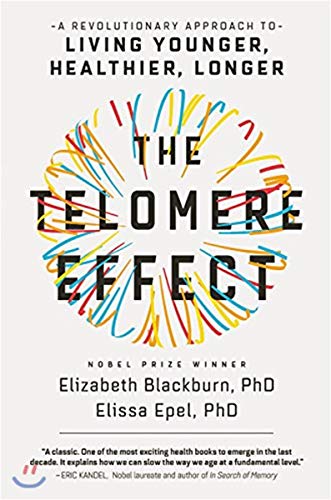
In 2009, Elizabeth Blackburn, Carol Greider, and Jack Szostak received the Nobel Prize in Physiology or Medicine for discovering telomeres and telomerase—the enzyme that can elongate telomeres by adding DNA repeats. Telomerase is active in germ cells, stem cells, and most cancers, but largely repressed in adult somatic tissues (Evidence: strong; Nobel Prize 2009; Shay & Wright, Nat Rev Mol Cell Biol, 2019).
Why telomeres matter—but don’t tell the whole aging story
Research links shorter leukocyte telomere length (LTL) with cardiometabolic disease and all‑cause mortality across cohorts (Evidence: strong; Muezzinler et al., Ageing Res Rev, 2013). However, telomeres are not a master clock for the body. Several caveats temper an oversimplified narrative:
Baseline variability: People start life with different telomere lengths due to genetics and early development, and rank order tends to persist (Evidence: strong; Aubert & Lansdorp, Physiol Rev, 2008).
Tissue differences: Most human data come from blood cells; telomere dynamics vary by tissue (Evidence: strong).
Immune cell mix: LTL can shift with changes in white blood cell subtypes (e.g., infection or training), complicating interpretation (Evidence: moderate).
Cancer trade‑offs: While very short telomeres promote genomic instability, telomerase activation and longer telomeres are found in 85–90% of cancers (Evidence: strong; Shay & Wright, 2019). Longer isn’t always “better.”
Bottom line: Telomeres reflect cumulative cell turnover, inflammation, and oxidative stress—but they are one biomarker among many, not a singular dial for aging.
Lifestyle patterns that may influence telomere length
The most consistent signal across studies is that whole‑person lifestyle—physical activity, stress management, dietary pattern, sleep, and not smoking—tracks with more favorable telomere profiles. Effect sizes are generally modest, and causality is easier to infer where randomized trials exist.
Physical activity
Observational meta‑analyses report that physically active adults tend to have longer LTL than sedentary peers (Evidence: moderate; Mundstock et al., Ageing Res Rev, 2015; Arsenis et al., Sports Med, 2017).
A randomized trial comparing 6 months of endurance training, high‑intensity interval training, or resistance training found that endurance and interval training increased telomerase activity and telomere‑stabilizing proteins in blood cells versus resistance training (Evidence: strong for mechanism; Werner et al., Eur Heart J, 2019). Whether this translates into clinically meaningful telomere length changes over years remains under study (Evidence: moderate).
Takeaway: Regular aerobic activity may help maintain telomere biology and cellular stress defenses (Evidence: moderate‑to‑strong for mechanisms; moderate for LTL change over time).
Psychological stress and stress reduction
Perceived chronic stress, caregiving strain, and certain psychiatric conditions have been linked with shorter LTL (Evidence: moderate; Epel et al., PNAS, 2004; Ridout et al., Biol Psychiatry, 2018).
Intensive lifestyle and stress‑management programs have raised telomerase activity and, in small samples, appeared to slow or even reverse LTL attrition over 5 years (Evidence: emerging; Ornish et al., Lancet Oncol, 2013). A 3‑month meditation retreat increased telomerase activity in participants compared with waitlist controls (Evidence: emerging; Jacobs et al., Psychoneuroendocrinology, 2011).
Takeaway: Reducing chronic psychological stress may support healthier telomere dynamics, though long‑term LTL changes with specific practices remain an area of active research (Evidence: moderate for association; emerging for interventions).
Dietary patterns
Adherence to a Mediterranean‑style dietary pattern (rich in vegetables, fruits, legumes, whole grains, nuts, olive oil, and fish) has been associated with longer LTL in large cohorts (Evidence: moderate; Crous‑Bou et al., BMJ, 2014).
Higher intake of sugar‑sweetened beverages has been linked to shorter LTL in observational research (Evidence: moderate; Epel et al., Am J Public Health, 2014).
Reviews suggest dietary patterns emphasizing minimally processed, antioxidant‑ and fiber‑rich foods may support favorable telomere maintenance via lower inflammation and oxidative stress (Evidence: moderate; Freitas‑Simões et al., Adv Nutr, 2016).
Takeaway: Pattern matters more than single nutrients. Diets emphasizing whole, plant‑forward foods and healthy fats may support telomere health primarily by improving metabolic and inflammatory milieu (Evidence: moderate).
Sleep
Systematic reviews suggest short or disturbed sleep is modestly associated with shorter LTL (Evidence: moderate; Li et al., Sleep Med Rev, 2017). Effects appear small and may be mediated by inflammation and stress hormones.
Takeaway: Prioritizing consistent, sufficient, high‑quality sleep may help maintain healthier telomere biology over time (Evidence: moderate).
Tobacco smoking
Smoking is consistently linked to shorter LTL across observational studies and meta‑analyses, with dose–response patterns (Evidence: strong; Astuti et al., PLoS One, 2017).
Takeaway: Avoiding tobacco supports healthier telomere maintenance alongside many other benefits (Evidence: strong).
Telomerase activation is a double‑edged sword. In principle, increasing telomerase could maintain telomeres and delay cellular senescence; in practice, telomerase is a hallmark of most cancers (Evidence: strong; Shay & Wright, 2019). Key lines of evidence:
Basic science: Telomerase activators can lengthen telomeres in cell culture and in some animal models. In adult mice with engineered telomerase gene therapy and intact tumor suppression, lifespan extension and healthspan benefits have been reported (Evidence: emerging for translation; Bernardes de Jesus et al., Nature Cell Biol, 2011). Relevance to humans without genetic controls is uncertain.
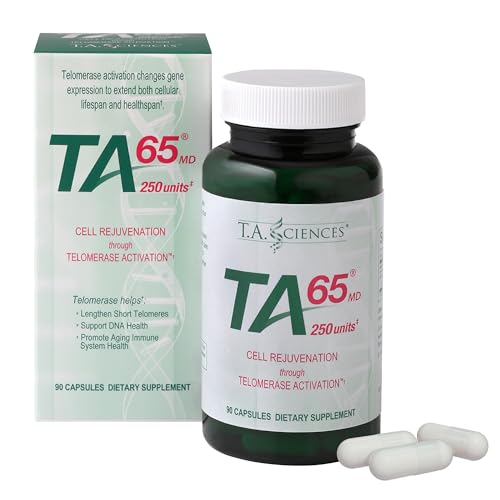
Human data on TA‑65 (derived from astragalus): Small, company‑sponsored trials have reported increases in telomerase activity and some immune parameters, with mixed effects on LTL and short durations (Evidence: emerging; Harley et al., Rejuvenation Res, 2013). Long‑term safety and cancer risk mitigation remain unclear.
Astragalus in Traditional Chinese Medicine (Huang Qi) has been used for centuries to tonify qi, support vitality, and bolster defenses. Modern in vitro studies suggest certain astragalus constituents (e.g., cycloastragenol) may activate telomerase in cells (Evidence: emerging). Bridging perspectives, TCM’s emphasis on balanced vitality aligns conceptually with cellular maintenance; however, rigorous, long‑term clinical trials confirming telomere‑related outcomes in humans are still limited (Evidence: emerging/traditional).
Pragmatic perspective: Research suggests that targeting upstream drivers—chronic inflammation, metabolic dysfunction, oxidative stress—through lifestyle may influence telomere biology with fewer theoretical trade‑offs than directly boosting telomerase (Evidence: moderate). Any strategy focused solely on lengthening telomeres without considering tumor suppression is incomplete.
What does telomere testing actually tell you?
Commercial telomere tests typically estimate average LTL from blood using qPCR, flow‑FISH, or Southern blot (TRF) methods. Important considerations:
Measurement variability: Different methods and labs yield different absolute values, and year‑to‑year biological and technical variability can be meaningful (Evidence: moderate; Cawthon, Nucleic Acids Res, 2002; methodologic reviews).
Relative—not absolute—aging: A single LTL result offers limited insight into biological age. Serial measurements over years may indicate a trend, but shifts in immune cell composition, acute illness, training, or weight change can confound interpretation (Evidence: moderate).
Risk prediction: While shorter LTL associates with higher risk in populations, its incremental value beyond standard risk factors for individuals is modest and not yet standardized for clinical decision‑making (Evidence: moderate; Muezzinler et al., 2013).
In practice, telomere testing may be most informative when embedded in research cohorts or as one data point among many markers of cardiometabolic and inflammatory status.
Common pitfalls and oversimplifications
“Longer telomeres always mean longer life.” Not necessarily. Very long telomeres and telomerase activation can favor tumorigenesis if cell‑cycle checkpoints fail (Evidence: strong).
“One supplement can reverse your biological age.” Human trials showing durable, clinically meaningful LTL lengthening with single agents are limited and often small or industry‑sponsored (Evidence: emerging).
“Telomere length equals biological age.” Biological aging is multifactorial (epigenetic changes, proteostasis, mitochondrial function, immune remodeling). Telomeres are one piece of the puzzle (Evidence: strong).
Bottom Line
Telomeres are protective chromosome caps that shorten with cell division; telomerase can counteract this, but is mostly repressed in adult tissues and highly active in most cancers (Evidence: strong).
Research suggests aerobic exercise, stress reduction, whole‑food dietary patterns (e.g., Mediterranean‑style), sufficient sleep, and not smoking may support healthier telomere biology. Effects are generally modest and likely mediated by lower inflammation and oxidative stress (Evidence: moderate‑to‑strong for associations; emerging‑to‑moderate for long‑term intervention effects on LTL).
Telomerase activation via compounds like TA‑65 (astragalus‑derived) shows early signals in vitro and small human studies, but long‑term efficacy and safety—especially cancer risk—remain uncertain (Evidence: emerging). Traditional uses of astragalus (Huang Qi) for vitality align conceptually but require rigorous modern trials for telomere outcomes.
Telomere tests can provide a rough snapshot of leukocyte telomere length, but single measurements are hard to interpret for individuals. Trends over time and integration with broader health markers are more meaningful than absolute values (Evidence: moderate).
The most reliable path to telomere‑friendly aging appears to be the same foundation that benefits heart, brain, and metabolic health: move regularly, eat nutrient‑dense whole foods, manage stress, sleep well, and avoid tobacco. These habits may help preserve telomere integrity as part of a broader longevity strategy.
References (selected): Blackburn, Greider & Szostak, Nobel Prize in Physiology or Medicine, 2009; Shay & Wright, Nat Rev Mol Cell Biol, 2019; Muezzinler et al., Ageing Res Rev, 2013; Mundstock et al., Ageing Res Rev, 2015; Arsenis et al., Sports Med, 2017; Werner et al., Eur Heart J, 2019; Epel et al., PNAS, 2004; Ornish et al., Lancet Oncol, 2013; Jacobs et al., Psychoneuroendocrinology, 2011; Crous‑Bou et al., BMJ, 2014; Epel et al., Am J Public Health, 2014; Freitas‑Simões et al., Adv Nutr, 2016; Li et al., Sleep Med Rev, 2017; Astuti et al., PLoS One, 2017; Bernardes de Jesus et al., Nature Cell Biol, 2011; Cawthon, Nucleic Acids Res, 2002.
This content is for informational purposes only and does not constitute medical advice. Always consult a qualified healthcare provider before starting, stopping, or changing any supplement or medication regimen.
Telomere Length and Lifestyle: Exercise Intensity Under the Microscope
Interest in telomeres—the protective DNA caps at the ends of chromosomes—has surged since Elizabeth Blackburn, Carol Greider, an
Supplements for Healthy Aging: An Evidence‑Based Guide to What Works, Dosage & Safety. Aging well is about staying strong, sharp, and active—not chasing immortality. If you’re wondering which supplements for healthy aging are actually worth considering, research suggests a focused, evidence‑based plan can support bones, heart, brain, mitochondria, skin, and stress resilience. Suppleme
[CoQ10](/supplements/coq10) at a Glance
- What it is: A fat-soluble molecule present in virtually every cell, essential for mitochondrial energy production and antioxidant defense (Evidence: strong)
-
Introduction
The mechanistic target of rapamycin (mTOR) has become a central character in longevity science. From robust mouse studies to early human trials, research suggests that dialing down mTOR s
Introduction
[Coenzyme Q10 (CoQ10)](/supplements/coq10)—also known as ubiquinone in its oxidized form and ubiquinol in its reduced form—is a lipid-soluble molecule found in virtually every cell. It sh
Focus: How the NIH Interventions Testing Program (ITP) findings on rapamycin shape today’s longevity conversation
Rapamycin—the first-in-class inhibitor of the mechanistic Target of Rapamycin (mTOR)